
Last June 2025, Long Beach Port reached 60% utilization, while Los Angeles hit 70%. This left little room for disruptions like sudden import surges or weather events. High utilization caused problems, including backlogs at gates due to chassis waits.
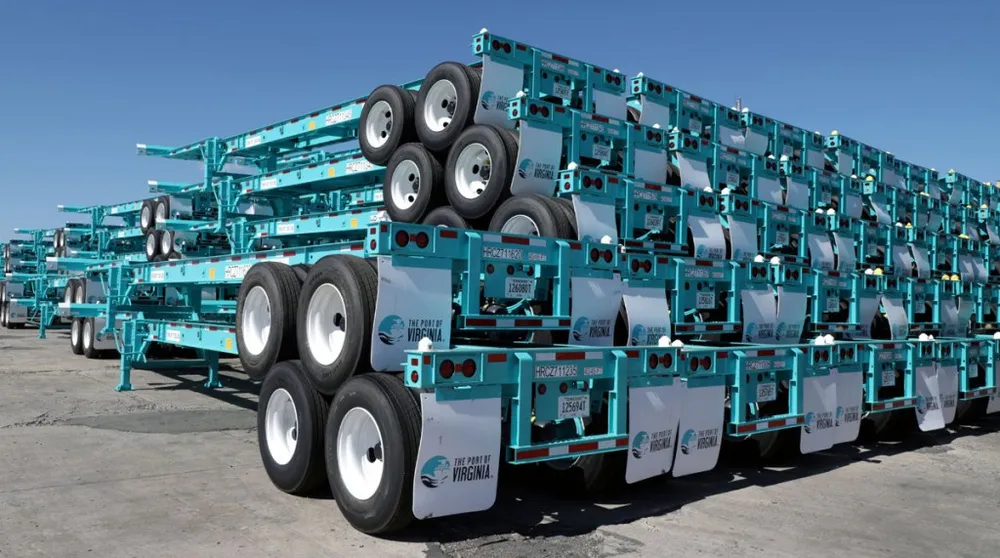
When chassis are unavailable, containers stop moving. Chassis pool shortages disrupt freight movement, putting significant pressure on the supply chain. However, the issue isn’t caused by just one failure point. It stems from how containers move through ports, warehouses, and inland hubs. Equipment availability is crucial in this process; intermodal container trailers face particular challenges when dwell times extend beyond what was planned.
Causes of Chassis Pool Shortages
● Operational Delays
Containers often stay at warehouses and terminals longer than expected. Labor shortages or equipment backlogs slow unloading and processing. While containers sit idle, the chassis under them cannot be used elsewhere, creating immediate shortages in active pools. Missed dual transactions worsen this issue. Trucks can’t return empty containers while picking up new loads, leaving equipment stranded inland even when demand at ports is high.
● High Port Utilization
Many U.S. ports operate close to full capacity. This limits their ability to absorb surges from larger vessels or seasonal spikes in imports. When trade imbalances happen, empty containers move inland while chassis remain tied up, leading ports to quickly exhaust their available units. Even a small delay in handling containers can cause significant slowdowns across the entire intermodal transport network.
● Fleet and Demand Pressures
The national chassis fleet is aging, while container volumes are rising due to e-commerce and larger ships arriving at once. Maintenance backlogs cut down the number of chassis ready for service, and slow replacement cycles limit the ability to respond to surges. Marine chassis are particularly impacted. Units sidelined for repairs reduce overall availability just when operators need them the most.
Strategies to Manage Shortages More Effectively
● Collaborative Pooling Models
Pooling chassis from various carriers helps balance supply and ensure availability during high-demand times. Gray pools allow interchangeable use of equipment while centralized maintenance minimizes downtime. Cooperative pools enable ocean carriers to share assets, cutting down empty repositioning and improving utilization. They also allow operators to stage equipment ahead of predictable surges, like pre-holiday import peaks.
● Fleet Expansion and Ownership
Some carriers and shippers invest directly in their own chassis fleets. This improves reliability and reduces dependence on shared pools. Not-for-profit pools, like those supporting agriculture, use historical data to size fleets correctly and manage seasonal peaks effectively. Speeding up maintenance programs and rebuilding sidelined units unlocks idle capacity. Investing in high-quality, durable chassis ensures fleets can respond to changing demand without relying only on leased equipment.
Build a More Resilient Chassis Strategy
Chassis shortages are a long-term challenge. They require planning, smarter pooling, and equipment built for reliable performance under pressure. Strategic fleet management and investment in quality units can enable smooth operations.
CIE Manufacturing produces high-quality chassis designed for the needs of freight operations. Each unit is built for durability, compliance, and long-term performance to support consistent cargo movement.

Comments are closed.