Category

Auto

Category

There are very few experiences more uniquely Singaporean than realizing your car’s Certificate of Entitlement is approaching expiry and suddenly developing a temporary interest in spreadsheets, market trends, and existential financial reflection.

One moment you’re casually driving to supper. The next, you’re calculating depreciation values with the intensity of an investment analyst who hasn’t slept in two days.

Welcome to the world of COE renewal.

For many drivers, the process feels unnecessarily intimidating at first. There’s paperwork, fluctuating premiums, financing considerations, and approximately fourteen browser tabs open at the same time-half of which somehow make the situation more confusing.

Which explains why more drivers are now choosing streamlined solutions like to renew your COE with Motorist instead of trying to decode the process entirely on their own.

The Decision Is Bigger Than Just “Keep or Scrap”

At some stage, every car owner reaches the same crossroads: renew the COE or replace the vehicle entirely.

In theory, it sounds straightforward.

In reality, it quickly turns into a surprisingly emotional equation involving:

  • Current car condition
  • Vehicle depreciation
  • Future transport costs
  • Market prices
  • And whether buying a new car in Singapore currently feels financially reasonable (which, to be fair, is a loaded question)

For many drivers, especially those whose vehicles are still performing well, renewing the COE often makes far more financial sense than jumping into another major purchase.

The challenge is understanding how to do it efficiently-and without developing a stress-induced relationship with online calculators.

Why More Drivers Are Looking for Simpler COE Renewal Solutions

The good news is that the process itself has become significantly more accessible in recent years.

Instead of navigating every step independently, many drivers now rely on platforms offering COE renewal services that simplify the experience from start to finish.

That includes:

  • COE renewal financing options
  • Paperwork assistance
  • Eligibility checks
  • Guidance on current COE premiums
  • Comparisons that help drivers make informed decisions

And honestly, there’s comfort in not having to interpret government procedures like you’re preparing for an advanced economics exam.

Why Timing Matters More Than People Think

One of the most overlooked aspects of COE renewal Singapore decisions is timing.

COE premiums fluctuate constantly, and waiting too long can significantly affect costs. Many drivers delay the process simply because they assume they’ll “look into it later,” which is the administrative equivalent of hearing strange engine noises and turning up the radio.

Planning ahead gives drivers more flexibility, more financing options, and generally fewer unpleasant surprises.

Which, in Singapore car ownership terms, qualifies as luxury.

The Shift Toward Convenience

Perhaps the biggest reason drivers are increasingly choosing digital platforms for Singapore COE renewal is simple: convenience matters.

People no longer want to spend days navigating fragmented information, comparing scattered rates, or figuring out paperwork independently. They want clarity, efficiency, and guidance that actually makes the process easier.

And frankly, that’s reasonable.

Because owning a car in Singapore already requires enough commitment. The renewal process doesn’t also need to feel like a side quest in financial survival.

Finding reliable Salvage Yards in the United States can feel overwhelming, especially when you’re trying to save money without compromising on quality. Whether you’re repairing a vehicle, restoring a classic car, or simply looking for affordable replacements, salvage yards offer a practical and cost-effective solution.

In fact, the demand for Used Car Parts USA has grown significantly in recent years. Rising new car prices and supply chain issues have pushed many car owners toward reused and recycled auto parts. The good news? Many salvage yards today are well-organized, environmentally responsible, and surprisingly customer-friendly.

Let’s explore how salvage yards work, why they’re worth considering, and some of the top salvage yards across the U.S. that consistently deliver quality parts.

What Are Salvage Yards and Why Do They Matter?

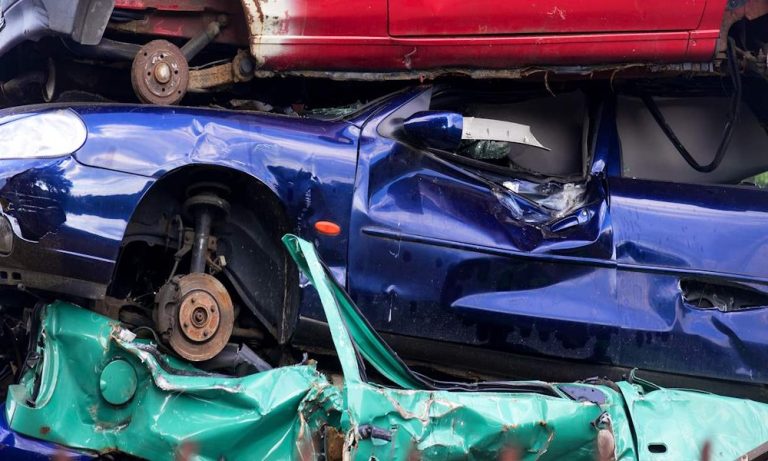
Salvage yards, often called junkyards or auto recyclers, are facilities where damaged, totaled, or old vehicles are dismantled. Usable parts are removed, tested, and resold at a fraction of the cost of new ones.

Why Salvage Yards Are Important

  • Cost Savings: You can save anywhere from 50% to 80% compared to buying new parts.
  • Eco-Friendly: Recycling car parts reduces landfill waste and conserves resources.
  • Availability: Older or discontinued parts are often easier to find.
  • Sustainability: Supports the circular economy by reusing materials.

According to industry reports, the U.S. auto recycling industry recycles around 12 million vehicles annually, making it one of the largest recycling sectors in the country.

Benefits of Buying Used Car Parts in the USA

Before diving into the top salvage yards, it’s worth understanding why buying used car parts is a smart move.

1. Budget-Friendly Repairs

Car repairs can be expensive, especially when using OEM parts. Salvage yards make repairs more affordable without sacrificing functionality.

2. OEM Quality at Lower Prices

Most parts from salvage yards are original manufacturer parts, which often last longer than aftermarket alternatives.

3. Wide Range of Options

From engines and transmissions to mirrors and headlights, you’ll find almost everything.

4. Easy Online Access

Many salvage yards now offer online inventories, making it simple to locate parts across the country.

How to Choose the Right Salvage Yard

Not all salvage yards are created equal. Here’s how to pick the right one:

Check Inventory Availability

Look for yards with updated online databases so you know the part is available before visiting.

Compare Prices

Prices can vary widely, so it’s smart to compare multiple sources.

Ask About Warranties

Some salvage yards offer limited warranties, which adds peace of mind.

Read Customer Reviews

Online reviews can give you insights into reliability and service quality.

Consider Location

Shipping costs can add up, so local yards may be more economical.

Tips for Buying Used Car Parts

Buying from salvage yards is straightforward, but a few tips can help you avoid mistakes:

  • Bring Tools: Many yards require you to remove parts yourself.
  • Inspect Carefully: Check for wear, rust, or damage.
  • Know Your Vehicle Details: VIN, model, and year are crucial.
  • Call Ahead: Confirm availability before visiting.
  • Negotiate When Possible: Some yards are open to price discussions.

Common Parts You Can Find at Salvage Yards

Salvage yards are treasure troves for a wide variety of parts.

Frequently Available Parts:

  • Engines and transmissions
  • Alternators and starters
  • Doors, hoods, and bumpers
  • Mirrors and headlights
  • Interior components
  • Wheels and tires

For many car owners, these parts perform just as well as new ones-at a fraction of the cost.

Are Salvage Yard Parts Reliable?

This is one of the most common concerns-and a valid one.

The truth is, many salvage yard parts are highly reliable, especially if sourced from reputable yards. OEM parts are often built to last longer than aftermarket replacements.

What Improves Reliability?

  • Buying from trusted salvage yards
  • Choosing low-mileage vehicles
  • Opting for tested or certified parts
  • Checking return policies

When done right, buying used parts can be both safe and cost-effective.

Environmental Impact of Salvage Yards

Salvage yards play a crucial role in environmental conservation.

Key Contributions:

  • Reduce landfill waste
  • Recycle metals and plastics
  • Lower demand for new manufacturing
  • Minimize carbon footprint

In fact, auto recycling saves approximately 85 million barrels of oil annually in the U.S. alone.

Future of Salvage Yards in the USA

The salvage yard industry is evolving rapidly.

Emerging Trends:

  • Digital inventory systems
  • AI-powered part matching
  • Nationwide shipping options
  • Increased focus on sustainability

As technology improves, finding Used Car Parts USA will become even easier and more efficient.

Conclusion: Why Salvage Yards Are a Smart Choice

Choosing Salvage Yards for your car part needs is no longer just about saving money-it’s about making a smart, sustainable decision. With reliable suppliers, improved inventory systems, and a wide range of available parts, salvage yards have become a trusted solution for millions of Americans.

Whether you’re a car enthusiast, a mechanic, or someone trying to cut repair costs, salvage yards offer unmatched value. From major components to small replacements, the options are endless-and often surprisingly affordable.

If you’re planning your next car repair or upgrade, don’t rush to buy new parts. Explore trusted salvage yards near you or browse online platforms to find high-quality used parts at unbeatable prices.

Start your search today and experience the benefits of smarter, more sustainable car ownership.

Rental sports cars offer speed, style, and a fun driving experience. These high-performance vehicles are designed to deliver power and comfort at the same time. However, keeping them in top condition takes a lot of care and attention behind the scenes.

Regular Inspections

One of the most important parts of maintenance is regular inspections. Each vehicle is checked before and after every rental. This helps identify any small issues early, such as tire wear, fluid levels, or warning lights.

Frequent inspections make sure the car is safe and ready for the next driver.

Engine and Performance Care

Sports cars have powerful engines that need proper care. Oil changes, filter replacements, and system checks are done on a regular schedule. These steps help the engine run smoothly and prevent damage.

Technicians also monitor performance to ensure the car delivers the speed and handling expected from a sports vehicle.

Tire Maintenance

Tires play a big role in safety and performance. Sports cars often use high-performance tires that wear out faster than regular ones.

Tire pressure is checked often, and worn tires are replaced quickly. Proper tire care helps maintain control, especially at higher speeds.

Cleaning and Detailing

Appearance is just as important as performance. Rental sports cars are cleaned and detailed after each use. This includes washing the exterior, vacuuming the interior, and polishing surfaces.

Keeping the car clean helps protect the paint and materials while also providing a great experience for the next customer.

Brake System Checks

Sports cars are built for speed, so they need strong braking systems. Regular brake inspections are essential to ensure safety.

Brake pads, rotors, and fluid levels are checked and replaced when needed. This helps the car stop smoothly and safely every time.

Software and Technology Updates

Modern sports cars come with advanced technology. This includes navigation systems, sensors, and driving controls.

Keeping software updated ensures all features work properly. It also helps improve performance and safety.

Protecting the Investment

Maintaining a rental sports car is about more than just repairs. It is about protecting a valuable asset. Regular care helps extend the life of the vehicle and keeps it performing at a high level.

At PG Luxury Services, we take pride in maintaining our rental sports cars to the highest standards. We perform regular inspections, handle maintenance with care, and ensure every vehicle is clean and ready to drive. We focus on both performance and safety so our clients can enjoy a smooth experience. When you choose PG Luxury Services, we are committed to delivering well-maintained luxury vehicles that meet your expectations every time.

This post was written by a professional at PG Luxury Services. Turn heads at PG Luxury Services, sports car rental Orlando, and elevate your driving experience with our premium luxury car rentals. From the sleek lines of a Ferrari to the raw power of a Lamborghini or the refined elegance of a Bentley, we offer top-tier vehicles for any occasion. Whether you’re celebrating something special, taking a weekend trip, or simply want to ride in style, we’ve got you covered. Serving St. Pete, Clearwater, Orlando, and surrounding areas, we bring the ultimate in luxury and performance right to you. Contact us today for the best exotic and luxury car rentals near you!

Table of Contents

  1. Introduction: The Critical Role of Polyester in Life-Saving Technology
  2. Understanding the “Safety Belt Grade” Designation
    • 2.1. Core Performance Requirements vs. Standard Textile Yarn
    • 2.2. Key Performance Metrics: Tenacity, Elongation, and Fatigue Resistance
  3. Global Standards and Regulatory Frameworks
    • 3.1. Primary Standards: ISO, SAE, and FMVSS
    • 3.2. The Importance of CE Marking and Type Approval
  4. Detailed Technical Specifications by Webbing Type
    • 4.1. Specification Table for Standard Seat Belts
    • 4.2. Specification Table for High-Load Applications (Child Seats, Racing Harnesses)
  5. The Manufacturing Process: From Polymer to Certified Webbing
    • 5.1. Polymer Specifications and Intrinsic Viscosity (IV)
    • 5.2. High-Tenacity Filament Spinning and Drawing
    • 5.3. Specialized Weaving, Dyeing, and Finishing
  6. Sourcing Strategy for Safety Belt Manufacturers
    • 6.1. Pre-Qualifying Filament Suppliers: Required Certifications and Capabilities
    • 6.2. Cost Structure Analysis: Understanding the Premium for Certified Yarn
    • 6.3. Supply Chain Risk Management and Dual Sourcing
  7. Future Trends: Lightweighting, Recycled Content, and Smart Belts
  8. Conclusion: Building a Compliant and Reliable Supply Chain
  9. Frequently Asked Questions (FAQ)

1. Introduction: The Critical Role of Polyester in Life-Saving Technology

Polyester Filament for Automotive Safety Belts: Specifications, Standards, and Sourcing GuideFor automotive industry procurement professionals and textile engineers, sourcing polyester filament for safety belts represents the pinnacle of technical textile manufacturing. This is not a commodity purchase; it is the procurement of a mission-critical, engineered component that must perform flawlessly under extreme conditions for the lifetime of a vehicle. Polyester has become the dominant fiber for seat belts due to its exceptional strength-to-weight ratio, abrasion resistance, minimal creep under load, and excellent UV and thermal stability. Unlike apparel or home furnishing yarns, safety belt filament operates within an ecosystem of stringent global regulations, continuous certification, and zero-tolerance for failure. This guide provides the comprehensive technical and commercial framework needed to navigate this high-stakes supply chain.

2. Understanding the “Safety Belt Grade” Designation

The term “safety belt grade” refers to yarn engineered to meet a specific, elevated set of performance criteria.

  • 2.1. Core Performance Requirements:
    • Ultra-High Tenacity: Typically 50-100% higher than standard textile yarns.
    • Controlled, Low Elongation: Must absorb energy predictably without excessive stretching.
    • Exceptional Fatigue Resistance: Must withstand thousands of cycles of loading/unloading and abrasion against the retractor mechanism.
    • High UV and Hydrolytic Stability: Must resist degradation from sunlight and humidity over 10-15 years.
    • Precise Dimensional Stability: Minimal shrinkage under thermal and moisture exposure to ensure consistent webbing geometry.
  • 2.2. Key Performance Metrics:
    • Tenacity: ≥ 8.0 cN/dtex (grams/denier), often reaching 8.5-9.5 cN/dtex for premium grades.
    • Elongation at Break: Typically 13-18%. A controlled, lower elongation is crucial for managing occupant kinematics in a crash.
    • Toughness (Area under Stress-Strain Curve): A combined measure of strength and elongation, indicating energy absorption capacity.

3. Global Standards and Regulatory Frameworks

Compliance is non-negotiable. Safety belt webbing and its constituent yarn must conform to internationally recognized standards.

  • 3.1. Primary Standards:
    • ISO 3795: International standard for flammability of interior materials.
    • SAE J1402: Seat Belt Webbing Abrasion Test.
    • SAE J383: Seat Belt Webbing Flammability Test.
    • FMVSS 209 & 302 (USA): Federal Motor Vehicle Safety Standards for webbing physical properties and flammability.
    • ECE R16 (Europe): UN Regulation for vehicle safety belts, incorporating detailed webbing performance tests (strength, elongation, abrasion, light fastness, etc.).
    • AS/NZS 2596 (Australia/NZ): Local standard with specific webbing and buckle requirements.
  • 3.2. The Importance of Certification: Finished webbing assemblies undergo rigorous type approval testing by certified bodies (e.g., TÜV, DEKRA). The yarn supplier’s role is to provide material with consistent, documented properties that enable the webbing manufacturer to pass these tests batch after batch. A Certificate of Analysis (CoA) with full test data is mandatory for every yarn lot.

4. Detailed Technical Specifications by Webbing Type

Specifications vary based on the belt’s application within the vehicle.

Table 1: Specification for Standard 3-Point Seat Belt Webbing (48mm width typical)

Table 2: Specification for High-Performance & Child Seat Webbing (Narrower widths)

5. The Manufacturing Process: From Polymer to Certified Webbing

  1. Polymer Stage: Uses high-intrinsic viscosity (high-IV) PET chips, often with modified chemistry for better aging resistance. Additives include UV stabilizers and polymerization catalysts optimized for high strength.
  2. Spinning & Drawing: Employ solid-state polymerization (SSP) and ultra-high draw ratios. The process is slower and more controlled than for standard yarn to maximize polymer chain orientation and crystallinity.
  3. Weaving: Done on high-tension, precision shuttle-less looms (e.g., projectile or rapier) to produce webbing with exacting pick density and tension uniformity. Any defect is cause for rejection.
  4. Dyeing & Finishing: Uses specialized, high-temperature dyeing to ensure penetration without strength loss. A final heat-setting finish locks in dimensions and applies a proprietary coating to control webbing stiffness and smoothness for retractor performance.

6. Sourcing Strategy for Safety Belt Manufacturers

  • 6.1. Pre-Qualifying Suppliers: Require evidence of IATF 16949 certification (automotive quality management system). Suppliers should have a proven track record of supplying Tier 1 seat belt manufacturers (e.g., Autoliv, ZF-TRW, Joyson Safety Systems). Audit their process control, testing labs, and traceability systems.
  • 6.2. Cost Structure: Safety belt grade filament commands a significant premium (often 50-100%+) over standard HT yarn. This reflects the specialized polymer, slower production, extensive testing, and liability burden. The cost is justified by the value of certification and risk mitigation.
  • 6.3. Risk Management: Dual sourcing is highly recommended due to the critical nature of the component. However, qualifying a second source is a lengthy and costly process involving full-scale webbing manufacture and re-certification.

7. Future Trends

  • Lightweighting: Development of even higher tenacity fibers (≥9.5 cN/dtex) to reduce webbing weight and volume, aiding vehicle efficiency and interior design.
  • Recycled Content: Growing R&D into using recycled PET (rPET) that can meet the stringent performance standards. This is driven by OEM sustainability goals.
  • Smart Belts: Integration of sensors may require yarn with conductive properties or altered dielectric characteristics, opening new avenues for specialized filament development.

8. Conclusion: Building a Compliant and Reliable Supply Chain

Sourcing polyester filament for safety belts is a partnership built on trust, transparency, and technical excellence. It requires moving beyond basic price negotiations to a deep collaboration on quality assurance, continuous improvement, and supply chain resilience. By thoroughly understanding the specifications, standards, and manufacturing processes outlined here, procurement and engineering teams can engage with suppliers as true strategic partners, ensuring a reliable flow of material that forms the literal lifeline for vehicle occupants worldwide.

9. Frequently Asked Questions (FAQ)

Q1: Can we use standard 1000D high-tenacity yarn for seat belt samples?
A1: Absolutely not. While denier may match, standard HT yarn lacks the controlled elongation, UV stabilization, fatigue resistance, and most importantly, the certified batch-to-batch consistency required. Prototyping with non-certified yarn gives false performance data and jeopardizes certification.

Q2: What is the lead time for safety belt grade filament?
A2: Lead times are significantly longer than for textile yarns-typically 12-20 weeks. This accounts for production scheduling of high-IV polymer, the slower spinning process, and comprehensive testing of each batch. Plan your supply chain accordingly.

Q3: How important is yarn evenness (Uster %) for webbing?
A3: Critically important. Variations in yarn thickness create weak spots in the woven webbing, leading to premature failure under load. Suppliers must demonstrate exceptionally low Uster CV% values (typically below 2.0% for evenness).

Q4: Are there different specifications for polyester belt webbing in hot/humid climates?
A4: Yes, specifications often call for enhanced hydrolytic stability testing. Yarn may be subjected to accelerated aging tests (e.g., autoclaving at high temperature and pressure) to simulate years of exposure to tropical conditions, ensuring strength retention.

Q5: Is there an industry list of approved filament suppliers?
A5: There is no public “approved list.” Approval is granted by each Tier 1 seat belt manufacturer to their filament suppliers after an extensive audit and qualification process. Your best indicator is a supplier’s existing customer portfolio.

Q6: What happens if a batch of yarn fails a test at the webbing manufacturer?
A6: The entire batch is quarantined and rejected. The cost is typically borne by the filament supplier. This underscores the economic imperative for the yarn supplier to have flawless process control. The webbing manufacturer’s production line must not stop.

Q7: How is the black or grey color achieved, and does it affect strength?
A7: Color is achieved using high-performance, high-temperature disperse dyes. The dyeing process is meticulously controlled so that strength loss is kept to an absolute minimum (e.g., < 3%). The dyes themselves must also exhibit extreme light fastness.

Q8: What’s the biggest mistake new buyers make in this category?
A8: The biggest mistake is treating it as a textile purchase and prioritizing low price above all else. This leads to sourcing from uncertified, unqualified suppliers, resulting in catastrophic certification failures, production delays, and ultimately, unquantifiable liability risk. The priority must be proven performance and documented compliance.

Installing an EV charger at home transforms how you power your electric vehicle, offering convenience and cost savings compared to public charging stations. However, the installation process involves more than selecting a charger and mounting it on your wall. Your home’s electrical capacity, local permitting requirements, and proper wiring configuration all determine whether your installation goes smoothly or encounters costly delays.

Understanding the key factors before you begin-from electrical panel capacity to charger placement-helps you avoid common mistakes that lead to safety issues or failed inspections. Many homeowners overlook critical details like circuit amperage requirements, the difference between hardwired and plug-in units, and future-proofing considerations for panel upgrades.

This guide walks you through essential tips for a successful installation and explains when to hire a professional electrician versus tackling simpler aspects yourself. You’ll learn how to evaluate your electrical system, navigate permit requirements, and make informed decisions about charger specifications that match your vehicle and home setup.

Key Tips for Successful EV Charger Installation

Installing an EV charger requires careful planning across several critical areas. You’ll need to select the right charger type, find an optimal location, verify your electrical system can handle the load, and navigate permit requirements.

Home charging provides predictable energy usage and the convenience of starting each day with a full battery. EV Charger Installation Burlington services typically include panel inspection and breaker configuration tailored to your home.

For Oakville homeowners, a professional Electric Car Charger Installation Oakville ensures optimized amperage settings and safe long-term charging performance.

Understanding EV Charger Types

Level 1 chargers use a standard 120V household outlet and provide the slowest charging speed at 3-5 miles of range per hour. These work for occasional drivers but rarely meet daily needs for most EV owners.

Level 2 chargers operate on 240V circuits and deliver 25-40 miles of range per hour, making them the standard choice for home charging. They require dedicated wiring and typically use a hardwired connection or a NEMA 14-50 outlet.

The power output of Level 2 chargers ranges from 16 to 80 amps, with most residential installations using 32 to 40 amp units. Your vehicle’s onboard charger determines how much power it can accept, so a higher-amperage home EV charger won’t necessarily charge faster if your vehicle has limitations.

Consider smart chargers that offer features like scheduling, energy monitoring, and Wi-Fi connectivity. These allow you to charge during off-peak hours when electricity rates are lower.

Choosing the Ideal Location for Your Home EV Charger

Mount your charger where you typically park, keeping the cable length in mind. Most Level 2 chargers include 18-25 foot cables, but you should minimize cable stretch across walkways to prevent tripping hazards.

Garages provide the best protection from weather and security concerns. If you must install outdoors, choose a charger with a NEMA 4 or higher rating for weather resistance.

The location should be within reasonable distance of your electrical panel to reduce wiring costs. Every additional foot of wire run increases installation expenses, especially if trenching or conduit work is required.

Wall-mounted installations work best at 4-5 feet off the ground for easy cable handling. Avoid placing chargers where car doors might strike them when opening or where they block access to other garage features.

Assessing Home Electrical Capacity

Your electrical panel must have sufficient capacity to support EV charger installation without overloading the system. Most homes have 100, 150, or 200-amp service panels.

A Level 2 charger drawing 40 amps requires 50-amp circuit capacity following the 80% rule for continuous loads. Calculate your existing electrical load by adding up all major appliances, HVAC systems, and other draws to determine available capacity.

If your panel lacks available slots or capacity, you’ll need a panel upgrade or load management system. Load management devices can automatically reduce charging power when other high-draw appliances operate, preventing overloads.

Older homes with 100-amp service may require a complete electrical service upgrade to support a Level 2 charger alongside existing loads. This adds $1,500-$3,000 to installation costs but increases your home’s overall electrical capacity.

Permits and Local Code Requirements

Most jurisdictions require permits for ev charger installations since they involve electrical work and circuit additions. Your electrician typically handles permit applications, but you should verify local requirements early in the planning process.

Building codes mandate specific wire gauges, circuit breaker sizes, and GFCI protection based on the charger’s amperage. The National Electrical Code provides baseline standards, but local amendments may impose stricter requirements.

Inspection timelines vary by municipality, ranging from same-day approval to several weeks of waiting. Factor these delays into your installation schedule to avoid surprises.

Some areas offer expedited permits for EV charger installations to encourage electric vehicle adoption. Homeowner associations may also have approval processes separate from municipal permits, particularly for exterior installations or attached garages visible from common areas.

Professional Installation and Best Practices

Professional EV charger installation requires careful planning, proper electrical infrastructure, and adherence to safety standards. Working with qualified professionals ensures your charging system operates safely, meets local codes, and provides reliable performance for years to come.

When to Hire a Licensed Electrician

You need a licensed electrician for virtually all EV charger installations beyond basic Level 1 charging. Level 2 chargers typically require 240-volt circuits with dedicated breakers, and any work involving your electrical panel or new circuit installation must comply with the National Electrical Code (NEC) and local regulations.

A licensed electrician ensures proper wire gauge selection, adequate circuit protection, and correct grounding. They can identify potential issues with your existing electrical system before problems arise. Most jurisdictions require permits for EV charger installations, and inspectors will only approve work completed by licensed professionals.

Insurance and warranty protection provide additional reasons to hire qualified electricians. DIY installations often void manufacturer warranties and may create liability issues if electrical problems occur. Licensed electricians carry proper insurance to protect you from installation-related damages.

Electrical Panel Upgrade Considerations

Your existing electrical panel may need upgrading before installing an EV charger. Most homes have 100-amp, 150-amp, or 200-amp service, and a Level 2 charger typically draws 30-50 amps during operation.

An electrical panel upgrade becomes necessary when:

  • Your current panel lacks available breaker slots
  • Total electrical load exceeds 80% of panel capacity
  • The panel uses outdated technology like fuses instead of breakers
  • You plan to add multiple EV charging stations

Panel upgrades typically cost $1,500-$4,000 depending on required amperage and complexity. A 200-amp service panel provides sufficient capacity for most homes with one or two EVs. Your electrician should perform a load calculation to determine if your current service adequately supports installing an EV charger alongside existing electrical demands.

Some utilities offer rebates or incentives for panel upgrades related to EV infrastructure. Check with your local utility before scheduling work.

Installation Process Steps

The installation process begins with a site assessment. Your electrician evaluates the planned charger location, measures the distance from your electrical panel, and identifies any obstacles like walls or landscaping that affect installation costs.

Next comes permit acquisition. Your electrician typically handles permit applications with local building departments. This step ensures your installation meets all code requirements and includes scheduled inspections.

The physical installation includes:

  • Installing a dedicated circuit breaker in your electrical panel
  • Running appropriate gauge wire from panel to charger location
  • Mounting the charging unit at the proper height (typically 48 inches from ground)
  • Connecting the charger to the circuit and grounding system
  • Installing any required conduit for wire protection

Final inspection by local authorities confirms code compliance. The inspector verifies proper wire sizing, secure connections, appropriate clearances, and correct breaker ratings.

Post-Installation Testing and Maintenance

Your electrician should test the charging system before you use it. Testing includes verifying proper voltage at the charger, checking ground fault protection, and confirming the unit communicates correctly with your vehicle.

Regular maintenance keeps your charger functioning reliably. Inspect the charging cable monthly for damage, cracks, or exposed wiring. Keep the charger face clean and free from debris or moisture accumulation.

Schedule annual inspections with your electrician to check:

  • Connection tightness at the electrical panel
  • Wire insulation condition
  • Proper operation of safety features
  • Software updates for smart chargers

Most residential chargers require minimal maintenance, but DC fast charger units and commercial EV charging stations need more frequent professional servicing. Keep installation documentation, warranty information, and inspection records accessible for future reference or troubleshooting needs.

Monitor your charger’s performance through its app or display. Unusual behavior like slower charging speeds or error messages indicates potential issues requiring professional attention.

Welcome to Resocar! If you are reading this, you probably understand that your vehicle is more than just a machine; it’s your daily companion, your ticket to freedom, and sometimes, your second home. Whether you are commuting to work, planning a weekend getaway, or preparing for a long seasonal drive, having a reliable car is non-negotiable. That is exactly why finding a dependable auto repair shop is one of the most important relationships you can build as a car owner.

At Resocar, we don’t just fix cars; we provide peace of mind. From routine maintenance to in-depth inspections like a contrôle hiver et vacances, our goal is to ensure that every mile you drive is safe, smooth, and stress-free-no matter the destination or the season.

The Importance of a Professional Auto Repair Shop

In today’s world, vehicles are becoming increasingly complex. Gone are the days when a simple wrench and a bit of intuition were enough. Modern cars are sophisticated systems that require advanced diagnostics and specialized knowledge. This is where a professional auto repair shop truly makes the difference. We combine hands-on mechanical expertise with cutting-edge technology to identify issues accurately and efficiently.

When you bring your vehicle to our auto repair shop, you are investing in its longevity. Small warning signs-unusual noises, warning lights, or reduced performance-are often early indicators of bigger problems. Our proactive approach allows us to address these issues before they turn into costly breakdowns, especially before key moments like winter driving or holiday travel.

Comprehensive Services for Every Season

Your car faces different challenges throughout the year. Cold temperatures, long highway trips, heavy loads, and changing road conditions all take their toll. That is why services such as a contrôle hiver et vacances are essential. This type of inspection ensures your battery, tires, brakes, fluids, and safety systems are ready to handle both harsh winter conditions and long-distance holiday journeys.

At Resocar, we aim to be your all-in-one auto repair shop. From oil changes and brake servicing to seasonal inspections and advanced diagnostics, everything is handled under one roof. This saves you time, simplifies maintenance, and gives you confidence that your vehicle is prepared for whatever lies ahead.

Transparency, Trust, and Expert Advice

We know that visiting an auto repair shop can sometimes feel intimidating. That’s why transparency is at the heart of our service. We explain every finding clearly, outline your options, and never proceed without your approval. Whether it’s recommending a full repair or advising that something can safely wait, our guidance is always based on your best interest.

Before winter sets in or before you head off on vacation, a clear and honest assessment-such as a contrôle hiver et vacances-can make all the difference. It’s about preventing surprises and ensuring your car performs exactly as it should when you need it most.

Drive with Confidence, All Year Round

Your vehicle deserves professional care, and you deserve a partner you can trust. At Resocar, our experienced technicians, modern equipment, and customer-first mindset come together to deliver reliable results. Whether you are preparing for icy roads, long summer drives, or everyday commuting, our auto repair shop is here to support you at every stage.

Don’t wait for a problem to interrupt your plans. Visit Resocar, schedule your next service or seasonal check-up, and experience the confidence that comes from knowing your car is truly ready for the road ahead. Wherever you’re going, we’ll help you get there safely.

You already understand what a luxury car service in NYC is and why it matters. My role here is to help you think more clearly about how to choose the right option, what actually separates reliable providers from average ones, and how to avoid common issues that show up during busy travel days. I spend time reviewing transportation services from an operational view, not from marketing claims, because details like dispatch control, vehicle standards, and airport handling affect your experience long before the car arrives.

If you are comparing options for premium transportation NYC or a dependable executive car service NYC, this guide explains what to look for, how airport transfers should work in practice, and why structured providers like Carriving stand out for business, VIP, and airport travel. You benefit by knowing how to judge quality upfront instead of finding problems mid trip.

Why Luxury Car Service Matters in NYC

New York City travel leaves little room for error. Tight schedules, airport congestion, security needs, and last minute changes are normal. A luxury car service works when it removes friction from those variables.

I look at this category through a simple lens. A service should reduce decision making, limit delays, and give you control over timing. Comfort matters, but reliability and coordination matter more.

A proper chauffeur service NYC setup should cover:

  • Professional drivers with clear standards
  • Vehicles suited to executive and group travel
  • Real time coordination with airports and venues
  • Backup plans when traffic or schedules change

Carriving is structured around these priorities rather than casual ride fulfillment.

How Chauffeur Service NYC Should Actually Work

A true chauffeur service NYC is not about having a driver with a suit. It is about planning and execution.

I advise looking for services that manage drivers, vehicles, and timing as a single system. That is where Carriving performs well. They operate with vetted chauffeurs, enforced dress codes, and active dispatch oversight rather than hands off driver assignments.

This matters when you have meetings, events, or guests who cannot afford delays.

Carriving supports:

  • Scheduled city transfers with precise pickup windows
  • Discreet executive and VIP transportation
  • Full day itineraries for business or personal travel

The experience stays consistent because drivers operate under defined service rules, not personal preference.

Premium Transportation NYC for Business and VIP Use

Premium transportation NYC should feel controlled, calm, and predictable. I recommend avoiding providers that rely on subcontracting without supervision.

Carriving runs premium transportation with structured operations that support executives, firms, and event organizers. Their fleet includes black Cadillac Escalades, Mercedes Benz S Class vehicles, and full size SUVs designed for comfort and privacy.

From a planning view, this helps when:

  • Transporting executives or investors
  • Coordinating conference or roadshow schedules
  • Managing VIP arrivals with discretion

The service model supports punctuality and presentation rather than casual availability.

Airport Transfer NYC Done the Right Way

Airport transfer NYC services often fail at the handoff point. Flights change. Terminals shift. Drivers arrive early or late.

I suggest choosing providers that actively monitor flights and coordinate arrivals. Carriving builds airport transfers around live flight tracking and structured meet and greet handling.

They operate across:

  • JFK airport car service
  • LGA airport car service
  • Newark airport car service

Chauffeurs adjust to delays, remain available on arrival, and provide a direct transition from terminal to vehicle. This reduces stress after long flights and avoids rushed pickups.

Luxury Airport Transfer NYC for Consistent Arrivals

Luxury airport transfer NYC services should focus on predictability rather than speed. I see better outcomes when providers prioritize readiness over tight timing.

Carriving offers luxury airport transfer NYC options that include:

  • Advance booking with confirmed scheduling
  • Professional chauffeurs ready upon landing
  • Spacious vehicles suited for luggage and comfort

This setup works well for both business travelers and leisure guests who value a calm arrival into the city.

Private Car Service NYC for Flexible Schedules

Private car service NYC options matter when schedules change during the day. I recommend services that support point to point rides and extended bookings.

Carriving supports:

  • Short transfers between locations
  • Full day private transportation
  • Shopping, sightseeing, and city itineraries

This flexibility helps when plans evolve or when multiple stops are involved without needing to rebook each segment.

Black Car Service NYC Standards That Matter

Black car service NYC implies a certain level of professionalism. I look for consistency across vehicles, drivers, and communication.

Carriving maintains a premium fleet with regular inspection and verification. Drivers follow strict presentation standards and operate under live dispatch oversight. Backup vehicles and escalation support reduce the risk of missed service.

This structure supports:

  • Corporate travel
  • Hotel and concierge partnerships
  • High profile and security focused transport

VIP Transportation NYC and Controlled Movement

VIP transportation NYC requires discretion, timing control, and operational depth. I recommend services that support secure execution without public exposure.

Carriving offers VIP transportation for events, executives, and private clients with controlled scheduling, verified chauffeurs, and professional coordination. Their service model supports security focused travel across NYC.

How to Choose the Right NYC Transportation Provider

When evaluating luxury and executive transportation in NYC, I advise focusing on structure rather than promises.

Use this checklist:

  • Are drivers vetted and managed directly
  • Is there live dispatch and support
  • Are airport operations actively coordinated
  • Is the fleet suited to executive and group travel

Carriving meets these criteria through defined operations, modern booking tools, and a service model built for reliability.

Final Guidance for NYC Luxury Transportation

If you need luxury car service NYC that supports airport transfers, executive travel, and VIP movement without uncertainty, structured providers perform better over time.

Carriving offers premium transportation NYC with consistent standards, professional chauffeurs, and airport expertise across JFK, LGA, and EWR. I recommend evaluating them when reliability, discretion, and control matter more than convenience alone.

The right service should feel effortless. That outcome comes from planning, systems, and execution rather than chance.

Financing a collector car is exciting-until you hit the paperwork phase and realize how many moving pieces are involved. The good news is that most of the process is straightforward when you’re prepared. Having the right documents ready early helps your purchase move faster, reduces back-and-forth, and protects you from surprises-especially if you’re buying out of state or working with a private seller.

Below is a simple, practical checklist of the most common documents you’ll need for collector car loans. (Exact requirements can vary depending on the lender, the vehicle, and whether it’s a dealer or private-party purchase-but this list will cover the essentials in nearly every scenario.)

1) Government-Issued Photo ID

This one is basic but required: a valid driver’s license or state ID.

Why it matters: it verifies identity and is used for standard compliance checks.
Pro tip: make sure it’s not expired and that your address is up to date when possible.

2) Proof of Insurance (Or Insurance Binder)

Many lenders require proof that the vehicle will be insured before funding is finalized. For collector cars, you may be using specialty coverage (often an agreed value policy), which is totally normal.

What it might look like:

  • an insurance card
  • a binder letter from your agent showing coverage effective date, VIN, and limits

Pro tip: get quotes early-insurance can take longer to finalize on rare vehicles.

3) Purchase Agreement / Buyer’s Order (If Buying From a Dealer)

If you’re purchasing through a dealer, you’ll typically need the buyer’s order or purchase agreement outlining the full deal.

It usually includes:

  • vehicle year/make/model
  • VIN
  • purchase price
  • fees and taxes (if applicable)
  • deposit amount
  • dealer information

Pro tip: verify the VIN matches the listing and the vehicle you inspected.

4) Bill of Sale (Especially for Private-Party Purchases)

For private sales, a formal bill of sale is critical. It confirms the transaction terms and helps protect both buyer and seller.

A solid bill of sale should include:

  • buyer and seller names and addresses
  • VIN, year, make, model
  • sale price and date
  • odometer disclosure (where required)
  • signatures

Pro tip: avoid vague “handshake” paperwork. Clean documentation makes financing and registration smoother.

5) Title Documentation (Or Payoff/Lien Information)

This is one of the biggest bottlenecks in collector car financing: the title.

Depending on the situation, you may need:

  • a copy/photo of the front and back of the title (if in hand)
  • lienholder information if there’s an existing loan
  • payoff statement if the title is held by a bank/lienholder

Pro tip: ask early: “Is the title in hand?” If not, “Who holds it and how fast can it be released?” Title delays are common, especially across state lines.

6) Vehicle Listing Details or Spec Sheet

Even if it seems redundant, lenders often want a clear description of the car being financed.

This may include:

  • the original online listing (screenshot or link details)
  • a dealer spec sheet
  • documentation of major features/options

Why it matters: it supports the collateral file (the vehicle’s identity and value).

7) Odometer Disclosure Statement (When Applicable)

Some states and transactions require an odometer statement, especially for newer vehicles. Many collector cars are older and may be exempt depending on age/state rules-but don’t assume.

Pro tip: if the odometer has rolled over, is non-functional, or is exempt, make sure paperwork reflects that accurately. Inconsistencies can stall a deal.

8) Proof of Income (Or Ability to Repay)

Not every lender asks for the same income documents, but it’s common to request proof of income or financial standing-especially for larger loan amounts.

Examples include:

  • recent pay stubs
  • W-2s or 1099s
  • tax returns (often for self-employed buyers)
  • bank statements (sometimes used to verify funds or reserves)

Pro tip: if you’re self-employed, have last year’s returns and a recent bank statement ready. It can speed up underwriting.

9) Proof of Address

This may be required if your ID doesn’t clearly show your current address or if the lender needs secondary verification.

Common documents:

  • utility bill
  • bank statement
  • lease/mortgage statement

Pro tip: use something recent (usually within the last 30-60 days).

10) Appraisal or Inspection Report (Sometimes Required, Often Helpful)

For collector cars-especially rare models, high-value vehicles, or unique builds-some lenders may request an appraisal, inspection, or condition report.

This could be:

Why it matters: it supports the vehicle’s condition and value, and it protects you from buying a problem car remotely.

Pro tip: even if it’s not required, a pre-purchase inspection is one of the best “documents” you can buy.

Quick Prep Tips

  • Create a dedicated folder (digital + printed) for all documents
  • Double-check VIN consistency across every page
  • Clarify title status before you send deposits or schedule transport
  • If buying out of state, confirm your DMV requirements early

When you have these items ready, financing a collector car becomes less like chasing paperwork and more like a clean, confident purchase. The checklist above keeps the process organized-and helps you get from “listing saved” to “keys in hand” without unnecessary delays.

Key Takeaways

  • Choosing a parallel importer often involves trade-offs beyond just upfront pricing
  • The Honda Odyssey Hybrid raises questions about warranties, specs, and long-term ownership
  • Parallel importing is not just about savings, but about control and flexibility
  • Understanding the debate helps buyers decide what kind of ownership experience they want

Introduction

Buying a car is about how you buy it, who supports you after purchase, and what compromises you are willing to make. For buyers considering a family-friendly hybrid MPV, the Honda Odyssey Hybrid often sits at the centre of a debate that few openly discuss: should you go through a parallel importer or stick with an authorised dealer? The discussion around parallel importer options is often reduced to price comparisons. Yet the debate runs deeper, touching on warranty structures, vehicle specifications, servicing confidence, and long-term ownership expectations.

What a Parallel Importer Really Offers

A parallel importer sources vehicles directly from overseas markets rather than through official local distributors. This allows buyers access to models or variants not always available locally, sometimes at different price points. In the context of the Honda Odyssey Hybrid, a parallel importer may offer Japanese-spec models with features that differ from locally distributed versions. Parallel importing increases consumer choice and places greater importance on buyer awareness.

The Honda Odyssey Hybrid as a Case Study

The Honda Odyssey Hybrid appeals to families seeking efficiency without sacrificing space or comfort. Its hybrid system, spacious cabin, and reputation for reliability make it a popular consideration among buyers exploring greener options. However, the Honda Odyssey Hybrid is where the parallel importer route becomes attractive. Buyers gain access to specific configurations, but the lack of an authorised distribution framework introduces questions about after-sales support, software updates, and recall handling.

The Warranty Question No One Likes to Ask

With an authorised dealer, warranties are typically backed directly by the manufacturer. With a parallel importer, warranties are provided by the importer or a third-party insurer. For buyers of the Honda Odyssey Hybrid, this distinction matters. Hybrid systems involve high-voltage components that require expertise. A parallel importer may offer comprehensive coverage, but the terms, claim processes, and service networks differ.

Servicing, Diagnostics, and Long-Term Confidence

Servicing confidence plays a role in ownership experience. Authorised dealers benefit from direct access to manufacturer training, diagnostic tools, and technical updates. Parallel importers rely on independent workshops or trained specialists who may or may not have the same level of access. The key question becomes whether the buyer values manufacturer-backed uniformity or is comfortable relying on specialised independent expertise.

Specifications, Features, and Market Differences

One of the strongest arguments for choosing a parallel importer lies in specifications. With the Honda Odyssey Hybrid, differences may appear in infotainment systems, safety features, or interior configurations. However, buyers must also consider compatibility with local regulations and preferences. While most imported vehicles meet safety standards, user experience can vary due to differences in software language, navigation systems, or climate calibration.

Resale Value and Market Perception

Resale value is another aspect rarely discussed openly. Vehicles purchased through authorised channels often enjoy stronger resale perception due to familiarity and warranty transferability. Parallel-imported vehicles may face more scrutiny from second-hand buyers. Well-maintained, parallel-imported vehicles with clear histories can retain value competitively.

The Emotional Side of the Debate

Beyond technical considerations lies an emotional dimension. Some buyers value peace of mind above all else, preferring the predictability of authorised channels. Others value autonomy and choice, embracing the research and involvement required when working with a parallel importer. The Honda Odyssey Hybrid sits as a practical family car, yet choosing how to buy it becomes a reflection of personal priorities.

Making Sense of Information Without the Noise

Online discussions often polarise the debate, framing it as a right-or-wrong decision. In reality, both routes have merit depending on context. The role of credible information platforms becomes crucial in helping buyers navigate these nuances. When information is presented clearly, buyers can focus on informed trade-offs rather than assumptions or hearsay.

The Debate That Deserves More Thought

A parallel importer is not inherently riskier, nor is an authorised dealer automatically safer. The Honda Odyssey Hybrid illustrates how modern car buying involves layers of decision-making beyond the showroom. Buyers who understand warranty structures, servicing pathways, and specification differences are better positioned to enjoy ownership, regardless of purchase route.

Conclusion

The debate between choosing a parallel importer and an authorised dealer is about what kind of ownership experience you want. The Honda Odyssey Hybrid offers efficiency, space, and reliability, but how you access it shapes everything that follows. If you prefer structured support and standardisation, authorised channels may suit you better. If you value flexibility and choice and are willing to engage more deeply with the process, a parallel importer could align with your priorities.

For buyers still weighing their options, enquire at Leco Auto today.

Key Takeaways

  • Rental cars are becoming more flexible, not just cheaper
  • Technology is reshaping how a vehicle for rent is chosen, used, and returned
  • Expectations around value are changing for cheap car rental in Singapore
  • Convenience, transparency, and sustainability are emerging as decision drivers

Renting a car used to be a straightforward transaction: pick a model, pay a daily rate, and return it on time. Today, that simplicity is being reworked from the inside out. The way people approach a vehicle for rent is shifting, influenced by digital tools, cost awareness, and changing travel habits. At the same time, demand for cheap car rental in Singapore is no longer just about low prices, but about smarter value and fewer trade-offs.

A Shift from Ownership Thinking to Access Thinking

Ownership is seen as a long-term commitment with high fixed costs. This mindset supports the growing appeal of a vehicle for rent as a practical alternative rather than a temporary stopgap. This shift has fuelled interest in cheap car rental in Singapore that supports daily errands, short-term work needs, or leisure trips. Access-based transport aligns better with dense cities and variable usage patterns, making rentals part of a broader lifestyle change.

Technology Making Rentals More Transparent

Online platforms now allow users to compare models, rates, and terms more clearly, reducing the guesswork that once defined rentals. For those seeking a vehicle for rent, transparency around pricing and conditions builds trust. Similarly, customers exploring cheap car rental in Singapore increasingly expect clear breakdowns rather than hidden costs. This trend reflects broader consumer behaviour research, which shows transparency as a key factor in perceived value, even when prices are similar.

Pricing Models Becoming More Flexible

Hourly rentals, weekend packages, and longer-term discounts allow customers to pay for actual usage rather than fixed assumptions. This flexibility benefits those who need a vehicle for rent intermittently rather than continuously. For budget-conscious users, cheap car rental in Singapore becomes less about finding the lowest headline price and more about matching cost to usage.

Improved Fleet Efficiency and Fuel Awareness

Rental providers are paying closer attention to fuel efficiency, maintenance cycles, and vehicle suitability for urban driving. This improves reliability while keeping operating costs in check. For customers, this means a vehicle for rent that is more predictable in performance and running costs. In the context of cheap car rental in Singapore, efficiency helps sustain affordability without compromising reliability.

Digital Booking Reducing Friction

The rental process itself is becoming faster and less cumbersome. Digital bookings, streamlined verification, and quicker handovers reduce time spent on administration. This efficiency changes how people perceive a vehicle for rent, making it feel closer to a routine service than a special arrangement. For those seeking cheap car rental in Singapore, reduced friction adds value beyond price alone.

Short-Term Rentals Supporting New Use Cases

Car rentals are increasingly used for purposes beyond tourism. Temporary work assignments, family visits, and special events all drive demand for flexible transport. These use cases highlight why a vehicle for rent must adapt to varied needs rather than a single customer profile. As a result, cheap car rental options in Singapore are evaluated on adaptability and affordability. Diversified use cases stabilise demand across seasons.

Sustainability Entering the Conversation

Environmental considerations are slowly shaping rental decisions. While price remains important, awareness of emissions and fuel use is growing. A vehicle for rent that is efficient or lower-emission supports these concerns without requiring ownership changes. For providers offering cheap car rental in Singapore, sustainability initiatives can complement affordability by reducing long-term operating costs.

Expectations Around Service Are Rising

Clear communication, predictable processes, and responsive support matter more than ever. Users choosing a vehicle for rent increasingly expect reliability comparable to owned vehicles. In the competitive space of cheap car rental in Singapore, service consistency becomes a differentiator that influences repeat use.

What These Breakthroughs Mean for Everyday Drivers

Taken together, these shifts suggest that car rentals are becoming more integrated into daily life. For individuals evaluating a vehicle for rent, these breakthroughs promise clearer choices and fewer compromises. For those comparing cheap car rental in Singapore, value increasingly means transparency, flexibility, and confidence rather than just low cost.

Preparing for a Smarter Rental Future

The future of car rentals is shaped less by dramatic disruption and more by steady, meaningful change. Flexibility, transparency, and efficiency are redefining what people expect from a vehicle for rent. Evolving pricing and service models are reshaping perceptions of cheap car rental in Singapore. As these breakthroughs arrive, customers who understand what to look for will make more confident decisions.

If you are considering flexible transport options for work or leisure, enquire at Asia Car Rental today.