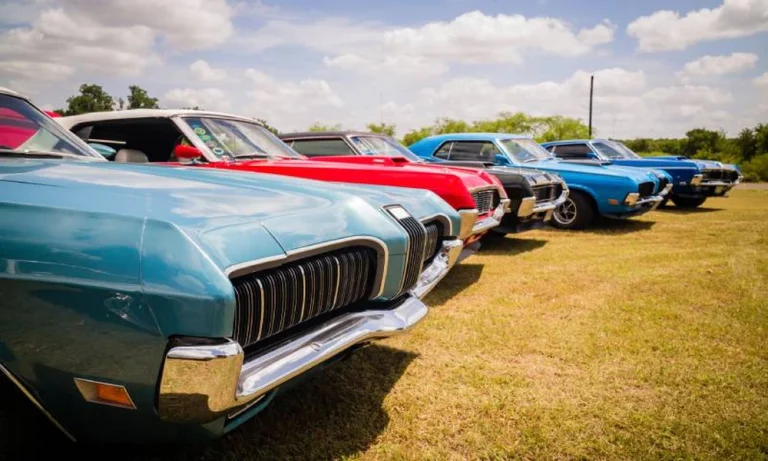
There will always be a different level of excitement before buying a classic performance car. You need to practically verify the classic performance car’s authenticity before buying. The authenticity of a car is truly a driving factor determining the cost of a classic performance car. Most people research, review, and verify the authenticity of the claims made by the car company before buying it.
While the thrill of finding a rare gem can easily tempt buyers into making a quick decision, taking a step back to perform due diligence is what saves collector enthusiasts thousands of dollars and endless headaches down the road. Whether you are inspecting a high-end muscle car, a rare European roadster, or learning how to Verify Classic Shelbys Authenticity Buying practices for iconic American legends, confirming a vehicle’s provenance requires careful scrutiny. Establishing genuine factory pedigree ensures you are investing in a legitimate piece of automotive history rather than a well-executed clone.
WHY AUTHENTICITY MATTERS?
Before verifying a car, you need to understand the significance of the authenticity of the car. A classic performance car that is authentic typically has the following features;
1. Increase in the cost of the car over time.
2. It attracts new customers.
3. It is easily sold in the market and is insurable.
4. Comes with a crucial history background.
5. Has the capacity to command a higher price in the market.
While considering a car with no authenticity, it would be difficult for the owner to sell in the market, or to sell at a price far less than the cost of the car. The owner of a classic performance car must be aware of the type of engine used.
RESEARCHING THE SPECIFIC MODEL OF CLASSIC CAR
Researching the model of classic car you prefer is the best way for verifying the authenticity of a car. While researching, you can consider the following questions;
1. What are the engine options available?
2. In which year was the car produced?
3. What are the available factory colors of the car?
4. What are the interior choices?
5. Is there any special edition available for the same classic car?
6. What are the performance packages?
By answering the aforesaid questions, you can effectively know about the authenticity of a car before actually inspecting it. It is advisable to be knowledgeable about the car you are buying.
VERIFY THE VEHICLE IDENTIFICATION NUMBER (VIN)
Verifying the VIN is essential for determining the authenticity of a car. You need to verify whether the VIN is present, matches the documents, and there is no tampering involved. A mismatched VIN is a big red flag for buying. You can also compare the VIN with the factory records for assessing genuineness.
VERIFYING ENGINE NUMBERS
The engine of a classic car significantly contributes to the overall performance. Therefore, verifying the engine number plays a crucial role. You can verify the engine number to determine whether the original engine remains in the car.
CONCLUSION
There are several practical ways the buyer can authenticate the classic performance car. It is an essential step before buying the car. The buyer must review the document and verify the authenticity of the car. You can take a practical approach of physically inspecting the car for positive results.