
Author

Clare Louise

Browsing

Your engine’s lifeblood is motor oil, which is frequently disregarded. It is more than just a lubricant; it is a sophisticated fluid designed to carry out a number of vital tasks that maintain the smooth and effective operation of your vehicle. To extend the life of your engine and prevent expensive repairs, it is essential to comprehend the function of motor oil and preserve its quality. Premature wear, overheating, and even total engine failure can result from using the incorrect type of oil or neglecting oil changes. For expert maintenance and a reliable oil change in Englewood, CO, trust professional services to keep your engine running smoothly.

Lubrication: Reducing Wear and Friction

Lubrication is motor oil’s fundamental function. Your engine has many metal parts moving rapidly against each other. Without oil, friction would generate too much heat, causing parts to grind, wear down, and seize. Motor oil forms a thin film between moving parts, reducing friction and easing operation. Reduced wear and strain extends camshafts, bearings, and pistons’ lifespans. Oil increases fuel efficiency by reducing friction, which the engine needs to overcome resistance.

Dissipating Heat and Avoiding Overheating via Cooling

When it comes to controlling engine temperature, motor oil is an essential component of the cooling system. It supports the coolant’s principal heat dissipation function. The oil actively absorbs the intense heat generated by the strong combustion process and the constant friction of moving parts as it passes through the engine. Before being put back into the engine, this heated oil has a chance to discharge its thermal load when it returns to the oil pan. It’s critical to keep the engine within its optimal temperature range. Overheating can have disastrous effects, including fractured engine blocks, twisted cylinder heads, and a seriously weakened engine. As a result, to guarantee the best engine performance and longevity, the cooling system and motor oil cooperate.

Cleaning: Eliminating Pollutants and Avoiding Sludge Deposition

A variety of by-products are produced during combustion, such as soot, carbon deposits, and unburned fuel. If ignored, these impurities can build up in the engine and seriously harm it. By suspending and removing these impurities from vital engine parts, motor oil serves as a cleaning agent. By doing this, sludge accumulation is avoided, which can obstruct oil channels, limit oil flow, and cause premature wear. These suspended impurities are captured by the oil filter, which stops them from going back and forth through the engine.

Conclusion

Motor oil offers vital corrosion protection in addition to lubrication, cooling, and cleansing. Additives in the oil neutralize acids produced during combustion, keeping engine parts from corroding. Additionally, motor oil ensures ideal compression by sealing the combustion chamber. As a result, engine performance and fuel efficiency are enhanced.
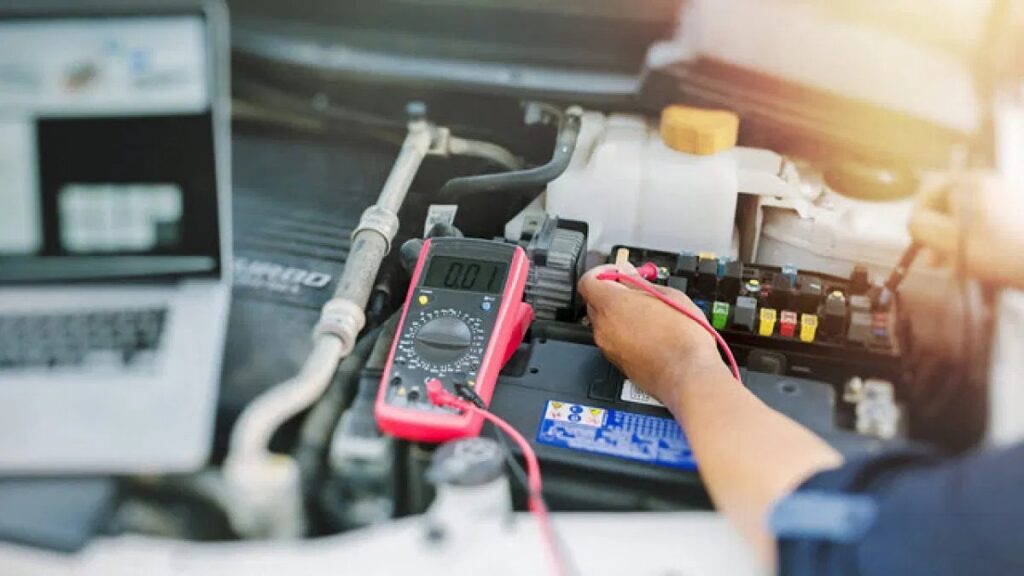
If you’re an auto enthusiast or just a dignitary who enjoys getting experiential with automobile support, replacing your car’s oxygen sensors might be a task you’ve deliberately tackled. While it may sound a bit subduing, with the right finishes and guidance, it’s inside the capabilities of a driven DIYer.

Let’s dive into the analyses, blending common sense with a sprinkle of automotive interest.

Signs Your Oxygen Sensors Need Replacement

Before you accumulate your sleeves, it’s essential to acknowledge when your oxygen sensors need attention. For more information, visit shops of Auto Repair in South Bend, IN. Common signs include:

·       Check Engine Light:

This little dashboard ambassador is your automobile’s way of asking for help.

·       Poor Fuel Economy:

An evident dip in fuel efficiency may be a sign.

·       Rough Engine Idle:

If your car’s ineffective feels more like a rollercoaster, it may be a sensor issue.

·       Failed Emissions Test:

Struggling to pass emissions checks? Faulty O2 sensors may be the culprit.

Preparing for the Replacement

Now that you’ve labeled the need for new sensors, let’s prepare for the job. Gather the following forms to make your task smooth:

·       Safety Gear:

Gloves and safety glasses are a must-have for some DIY mechanics.

·       Jack Stands:

Always prioritize safety accompanying a sturdy lift.

·       Oxygen Sensor Socket:

This specific tool will make removing the traditional sensor a breeze.

·       Ratchet and Wrench Set:

Versatile finishes that are always convenient to have.

·       Anti-Seize Compound:

Helps in establishing the new sensor smoothly.

Step-by-Step Replacement Guide

·       Safety First:

Ensure your motor is parked on a flat surface and cooled indicating the degree to avoid burns. Engage the parking brake for added freedom.

·       Lift the Vehicle:

Use a jack to lift the car and secure its accompanying jack stands. A stable vehicle is a safe cab.

·       Locate the Sensors:

Depending on your car, there could be individual or more sensors to supply. Typically, you’ll find them familiar with the catalytic converter or the impoverished manifold.

·       Remove the Old Sensors:

Disconnect the electrical connector from the sensor. Use the oxygen sensor hole and ratchet to unbind and remove the traditional sensor.

·       Install the New Sensors:

Apply a thin layer of antagonistic-seize compound to the threads of your new sensor (prevent the probe area). Thread it painstakingly by hand before tightening the socket and circle.

·       Reconnect the Electrical Connector:

Ensure a secure fit to avoid future issues.

·       Lower the Vehicle:

Remove the jack stands cautiously and lower your car back to ground level.

·       Test Drive:

Start the transformer and go for a short drive to guarantee everything is functioning flatly. If your check appliance light has vanished, present yourself with a pat on the back!

Conclusion

Remember that this isn’t an essential ability for everyone; if ambiguous, professionals are just a call away. Happy wrenching!

To ensure that customers feel confident in their investment in a vehicle’s battery system, the presence of battery warranties is essential. The majority of batteries come with warranties that, under specific conditions, ensure either a replacement or repair service. These assurances, however, frequently encompass specific stipulations regarding maintenance and care. It is imperative for vehicle owners to comprehend the specific requirements, including the necessity of regular professional maintenance. Producers of batteries expect that consumers will maintain them properly to ensure optimal lifespan and performance. Should these requirements not be fulfilled, the warranty may be rendered void, resulting in customers being responsible for the expenses associated with replacement.

The Importance of Ongoing Maintenance

Ensuring optimal battery performance necessitates consistent and professional maintenance. Experienced technicians possess the ability to identify issues prior to their escalation into more substantial concerns. For instance, they examine corrosion, assess loose connections, and evaluate acid levels in the batteries. These issues can be addressed through a fundamental inspection and maintenance regimen, which not only prolongs the lifespan of the battery but also ensures the validity of the warranty. Manufacturers frequently require confirmation of routine maintenance conducted by a certified technician to process warranty claims; noncompliance with this stipulation could result in significant financial consequences for the owner. There comes the use of the auto repair shop in Houston, TX now.

Mitigating Costly Issues

Consistent professional maintenance provided by Import Auto Services can assist vehicle owners in preventing costly issues in the future. Over time, the performance of batteries may be negatively influenced by a range of mechanical and environmental factors. Neglecting these factors may result in the battery depleting prematurely. Typically, manufacturers send a technician to evaluate a battery that is reported to be defective under warranty. Warranty claims may be denied if the examination reveals signs of abuse or insufficient maintenance. Consistent professional maintenance safeguards against unexpected expenses and ensures warranty validity, enabling vehicle owners to maximize the value of their battery investment.

Establishing Documentation for Allegations

The documentation provided following each service represents a significant benefit of engaging a professional maintenance provider. Service records serve as documentation of maintenance and compliance with warranty stipulations. The aforementioned data may be presented to the manufacturer as a component of a warranty claim should any issues arise with the battery.

Choosing the Right Maintenance Provider

Selecting a certified professional for battery repair is of utmost importance. Look for technicians who possess strong customer ratings and relevant certifications. Service providers have the opportunity to receive specialized training from several leading battery companies, ensuring their expertise in the distinct requirements of various battery types. Customers are encouraged to adhere to the manufacturer’s recommended maintenance schedule. They may seek counsel from a trusted expert regarding the appropriate frequency of maintenance, considering driving conditions and usage patterns. Choosing the right professional ensures that your vehicle’s battery remains in optimal condition while also preserving your warranty.

Any company that runs its operations using cars and equipment has to be careful about its maintenance plan, especially when it comes to important parts like timing belts. For engines to operate as efficiently as possible, the camshaft and crankshaft must rotate in unison, which is ensured by a timing belt. A timing belt failure may have a substantial negative impact on company operations, leading to lost revenue and considerable downtime. Maintaining operational continuity requires an understanding of these effects and how to reduce them.

The Effects of Timing Belt Breakdown

Particularly with interference engines, where a timing belt failure might send pistons crashing into valves, an abrupt timing belt failure can result in catastrophic engine damage. This malfunction may need costly repairs or even an engine replacement altogether. A single broken car may cause operations to stop, deliveries to be delayed, customer satisfaction to suffer, and eventually have an adverse effect on the bottom line for enterprises that rely on their vehicles or equipment, such as manufacturing or transportation firms. Choosing the Auto Repair in Flushing, MI based service is the right idea in this case.

The Financial Impact and Operational Disruptions

The loss of productivity is the immediate operational interruption caused by a timing belt failure. It is possible for equipment or vehicles to become unusable, which might cause production schedules to be delayed, deadlines to be missed, and unforeseen repair costs to arise. Indirect expenses that firms may face can include diminished customer confidence, higher labor costs for staff members who oversee repairs or arrange substitute solutions, and possible fines for failing to fulfill contractual commitments. Timely maintenance is crucial since the cumulative impact of these interruptions may seriously damage a company’s profit margins.

Identifying Warning Indications

Businesses must recognize the warning indications of a timing belt failure in order to reduce the chance of one. Unusual engine sounds, especially a high-pitched screeching or pounding sound, and engine misfires are common signs. Another standard operating practice should be regularly scheduled inspections, particularly if the equipment or vehicles are used heavily. Avoiding unanticipated failures requires timely replacements based on manufacturer guidelines or mileage milestones. Establishing a comprehensive preventative maintenance program will help organizations reduce the chance of timing belt failure causing disruptions.

Putting Efficacious Maintenance Techniques into Practice

Timing belt failure risk may be considerably decreased by fostering a culture of proactive maintenance. Regular maintenance on all equipment and cars is an essential tactic. Early warning indicators of wear and tear, such as noticeable fraying or slack in the timing belt, should be recognized by technicians via training. It’s also crucial to keep a service record with exact dates for replacements and repairs. To achieve optimal dependability, organizations should replace their belts with high-quality components in addition to periodic checkups. Creating alliances with reputable vehicle repair companies that can supply prompt maintenance and replacements will help improve overall operational effectiveness.

In today’s vehicles, Advanced Driver Assistance Systems (ADAS) play a critical role in ensuring safety on the road. These systems rely on various sensors and cameras to assist drivers with tasks like lane keeping, adaptive cruise control, and automatic emergency braking. However, when it comes to maintaining the functionality of these systems, one crucial aspect is often overlooked: ADAS calibration after windshield replacement.

What is ADAS Calibration?

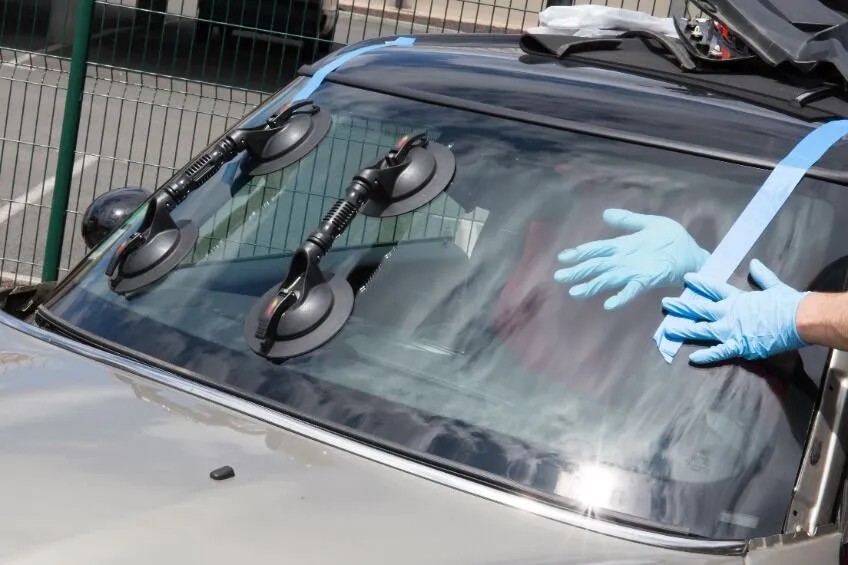
ADAS calibration is the process of ensuring that the sensors and cameras in your vehicle’s driver assistance systems are accurately aligned and functioning correctly. These systems are typically mounted on the windshield or near it, meaning that any replacement or repair work on the auto glass can impact their performance. Without proper calibration, the accuracy of these systems may be compromised, potentially putting your safety at risk.

Why is ADAS Calibration Necessary?

  1. Precision in Safety Features: ADAS systems rely on precise measurements and alignment to function correctly. For example, if your vehicle’s lane-keeping assist system is not calibrated properly, it may fail to alert you if you drift out of your lane, or it may provide incorrect warnings. Calibration ensures that these systems work as intended, keeping you and your passengers safe.
  2. Impact of Windshield Replacement: When a windshield is replaced, it can affect the positioning and alignment of the sensors and cameras mounted on or near it. Even minor deviations can lead to inaccurate readings and system malfunctions. Therefore, it is essential to perform ADAS calibration after a windshield replacement to ensure that the systems are correctly aligned and functioning.
  3. Avoiding Costly Repairs: If ADAS calibration is not performed, you might face issues down the road, such as malfunctioning safety features or even potential accidents. Addressing these problems early through proper calibration can save you from more expensive repairs and ensure your vehicle operates safely.

The Calibration Process

ADAS calibration involves several steps, including:

  • Diagnostic Scanning: Technicians use specialized equipment to scan your vehicle and determine the current status of the ADAS systems.
  • Sensor Adjustment: The sensors and cameras are adjusted to the correct positions according to the manufacturer’s specifications.
  • Test Drives: To ensure accuracy, the vehicle is often taken for test drives to verify that the ADAS systems are functioning correctly.

When Should You Get ADAS Calibration?

ADAS calibration should be performed after any auto glass service, especially if the windshield or other critical components related to the sensors and cameras are replaced or repaired. Even if you don’t notice any issues immediately, it’s crucial to have the calibration done to prevent potential problems in the future.

If you’ve recently had your windshield replaced or repaired, it’s a good idea to schedule an ADAS calibration service as soon as possible. For those in Mesa, AZ, you might consider reaching out to a professional service to ensure that your vehicle’s ADAS systems are properly calibrated. For instance, if you need to get your windshield replace in Mesa, don’t forget to book a calibration service as well.

Conclusion

ADAS calibration is a vital step in maintaining the effectiveness of your vehicle’s advanced safety systems. By ensuring that these systems are accurately aligned and functioning, you are taking an essential step toward safeguarding your vehicle’s performance and your own safety. So, the next time you have auto glass service performed, make sure ADAS calibration is on your checklist. Your safety and peace of mind are well worth the extra effort.

An essential part of a car’s transmission system is the transmission fluid. It performs many vital tasks, including as cooling the transmission, lubricating the moving components, and supplying the hydraulic pressure required for seamless gear shifts. The fluid’s amount and quality may have a big impact on how well the car runs in general. Insufficient, soiled, or polluted transmission fluid may cause a number of issues, such as irregular gear changes, overheating, and in extreme situations, transmission failure. Your car’s durability and efficiency depend on regular transmission fluid inspections and maintenance.

The Effect on Changes in Gear

For smooth gear changes, a vehicle’s transmission system significantly depends on the hydraulic characteristics of the transmission fluid. The transmission fluid assists in controlling the pressure needed to engage and disengage different components when you shift gears. A deteriorated or improperly leveled fluid might cause sliding, hesitancy, or jerking while changing gears. Gear changes must be seamless for the car to run smoothly and to be comfortable for the driver. A well-lubricated gearbox makes driving more enjoyable by operating with more confidence and quietness.

Indications of Transmission Fluid Problems

There are many warning indicators that drivers should be aware of that point to a possible transmission fluid issue. Odors of burned rubber, black, grainy fluid, or a discernible lag in gear changes may all be indicators that the fluid is past its best. In addition, your transmission fluid can be dirty or inadequate if you hear grinding sounds or have delays while engaging gears. Frequent transmission fluid inspections may aid in the early detection of these problems, averting future damage and expensive repairs. In the long term, drivers who are aware of these indicators may save money, time, and hassles. This task is done perfectly by the Auto Repair in Boulder, CO.

The Function of Expert Witnesses

Although many automobile owners can check the levels of transmission fluid on their own, expert evaluations are essential for complete upkeep. Automotive specialists are able to carry out a comprehensive examination, examining not just the fluid levels but also the condition of the fluid and any associated gearbox parts. With the use of specific techniques and equipment, experts can spot problems that a casual examination would miss. In addition, they may advise you on the need of a fluid change or flush depending on the state of the car and the manufacturer’s recommendations. Getting the car serviced by a qualified technician will guarantee that any possible issues are found quickly and fixed.

Conclusion

To sum up, transmission fluid inspections are essential for guaranteeing seamless gear changes and preserving the general integrity of a car’s transmission system. In addition to improving the driving experience, frequent fluid changes, expert inspections, and checks guard against expensive repairs and protracted breakdowns.


By upgrading your automotive audio system, you may significantly improve your driving experience and turn routine commutes into engrossing auditoriums. A high-quality audio system enhances your enjoyment of music, podcasts, and radio programs in addition to providing crisper sound. From high-fidelity sound reproduction to sophisticated connectivity possibilities, modern automotive audio systems provide a variety of capabilities. Understanding the main parts of an automobile audio system, the head unit, speakers, amplifiers, and subwoofers is crucial before you begin. Every element is essential to providing a comprehensive audio experience.

Selecting the Proper Elements

Choosing the correct components is essential when updating your car audio system. The core of your entertainment system is the head unit, sometimes known as the car stereo. It manages every facet of your audio experience, including the connectivity to several media sources, such as USB drives and smartphones. Transitioning to a head unit equipped with cutting-edge capabilities like touchscreen controls and Bluetooth connectivity can greatly improve usability and convenience.

Another crucial component of any audio update are the speakers. Good speakers are essential for an enhanced listening experience since they can lessen distortion and increase sound clarity. To achieve more accurate sound, think about purchasing component speakers, which divide the tweeters and woofers. A subwoofer can also improve low-frequency sounds, making the audio experience richer and more expansive.

Expert Installation

Installing a new audio system might be difficult for many drivers. Getting expert help, like Auto Repair in Salt Lake City, UT, will guarantee that your audio system is set up properly and operates at peak efficiency. The complexities of installing automotive audio systems, from wiring and mounting to calibrating the system for best performance, are best left to skilled professionals. To prevent problems down the road and guarantee that your enhanced audio system investment yields the intended outcomes, proper installation is essential.

Updating and Maintaining Your System

To ensure that your freshly installed audio system continues to function reliably and to extend its lifespan, it is essential to perform routine maintenance on it. The accumulation of dust can have a negative impact on the quality of the sound, so it is important to clean the components and check the connections on a regular basis. It is imperative that you ensure that any firmware or software upgrades for your head unit are updated in order to ensure that your system continues to function without any difficulty.

Conclusion

Investing in an upgraded automobile audio system can greatly increase your driving enjoyment and is a wise decision. Your time spent driving can be transformed by a great sound system that you can get by carefully choosing high-quality parts and guaranteeing skilled installation. With regular maintenance, you may enjoy years of crystal-clear audio and cutting-edge features on your system. Enjoy the pleasure of a new audio system and transform every trip into an auditory journey.


The fluid called coolant, also referred to as antifreeze, is essential for controlling the engine temperature of your vehicle. Heat is absorbed as it moves through the engine and is cooled in the radiator before being sent back to the engine. Maintaining ideal engine performance and avoiding overheating need proper coolant levels and conditions. It’s essential to routinely check your car’s coolant, particularly during hot weather or lengthy travels, to make sure the engine stays cool and runs smoothly.

Keeping an eye on the coolant levels

Monitoring the coolant levels in your automobile is one of the most important parts of inspecting it. There are marks on the coolant reservoir, which is usually found next to the radiator, that show the lowest and maximum levels. In order to prevent burns or injuries, it is imperative that you check the coolant level while the engine is cold. An engine overheat may result from a leak or evaporation of coolant, which is indicated if the level is below the minimum. Maintaining appropriate levels and avoiding damage to the engine components may be achieved by adding coolant to the reservoir. Selecting the Auto Repair in Erlanger, KY service is crucial in this situation.

Examining the Condition of the Coolant

It’s essential to evaluate the coolant’s state in addition to keeping an eye on its level. The ability of coolant to effectively cool the engine might be diminished over time by contamination from rust, dirt, or other debris. Experts examine the coolant’s pH, acidity, and antifreeze content using specialist instruments. This makes it easier to decide if new or flushed coolant is required. Visually examining the coolant for discoloration or particles may also reveal contamination and the need for quick care.

Refilling and Flushing the Coolant

It is advised to clean and replace the coolant on a regular basis to make sure the cooling system runs smoothly. Rust, scale, and other deposits may contaminate coolant over time, impairing its effectiveness to cool the engine. To clear the cooling system of dirt and outdated coolant, experts employ a coolant flush machine. Following the manufacturer’s recommendations for the proper coolant type and combination, the system is refilled with new coolant and water once it has been cleansed. The cooling system’s lifespan may be increased and overheating problems can be avoided with proper cleansing and refilling.

In summary

Maintaining the condition of your car’s engine and avoiding overheating problems requires regular coolant checks. Important components of coolant maintenance include cleansing and replenishing coolant, checking coolant levels, evaluating coolant quality, and performing pressure tests to check for leaks. Although automobile owners may do some tests, comprehensive inspections and repairs need professional knowledge and upkeep. Your car’s engine will run smoothly and cool for many years to come if you prioritize coolant maintenance and get expert assistance when necessary.

Trading in your current vehicle when buying a new one can be a convenient and cost-effective way to upgrade your ride. However, getting the best trade-in price for your car requires strategic planning and understanding the trade-in process. To help you maximize the value of your trade-in, here are five secrets that can significantly influence the best price for your trade-in.

1. Know the Value of Your Car

Understanding the value of your car is essential before heading to a dealership. Research and gather information about the current market value of your vehicle. Utilize reputable online valuation tools and consult multiple sources to get a clear estimate. Knowing your car’s value gives you a baseline to negotiate and ensures you don’t settle for less than what your vehicle is worth. 

2. Prepare Your Car

Presenting your car in the best possible condition can have a substantial impact on the trade-in offer. Invest time and effort into thoroughly cleaning and detailing your vehicle. Address any visible issues, such as dents, scratches, or worn-out components. Small repairs and a polished appearance can significantly enhance the perceived value of your car and, in turn, the trade-in price. 

3. Provide Maintenance and Service Records

Having a comprehensive record of your car’s maintenance and service history is a powerful tool when negotiating a trade-in. Document all maintenance, repairs, and any upgrades you’ve made. These records demonstrate that you’ve taken excellent care of your vehicle and can validate a higher trade-in value. Organize the records neatly and be ready to present them to the dealer during the trade-in appraisal.

4. Explore Multiple Dealerships

Before settling on a trade-in offer, visit multiple dealerships and obtain quotes for your car. Different dealerships may have varying assessment criteria and willingness to offer competitive prices. By gathering multiple offers, you’ll have a better understanding of your car’s market value and the range of trade-in prices available. Use these offers to your advantage when negotiating with the dealer of your choice.

 5. Negotiate the Trade-In Price Separately

When trading in your car, dealerships often attempt to intertwine the trade-in negotiation with the new car purchase. It’s essential to separate these negotiations. Focus on agreeing upon the trade-in price before discussing the purchase of a new vehicle. This way, you maintain control over the trade-in value and can ensure that you’re receiving the best possible price for your current car.

Incorporating these secrets into your trade-in strategy can help you secure the best trade-in price for your car. Knowledge, preparation, and strategic negotiation are key elements in getting the best price for your trade-in. By following these tips, you’ll be well-equipped to navigate the trade-in process and walk away with a deal that reflects the true worth of your vehicle.

Window tinting in East Auckland is a common practice among vehicle owners. But, did you know that there are creative ways you can enhance your glass tinting and make it stand out? From adding patterns, colours, and textures to your car windows. To exploring the latest products in the market, this blog post covers the creative ways to enhance your window shading in East Auckland. So, buckle up and let’s explore!

Pick the Right Shade:

The first step to enhancing your window tinting is by picking the right shade for your car. The tinted shade should not only complement the colour of your car but should also meet your specific needs. For example, if you frequently drive in bright sunlight, then a darker tint shade would offer more protection and keep your car cooler.

Add Texture and Patterns:

Adding texture and patterns to your glass tinting not only adds curb appeal but also makes your car stand out. Some popular options include carbon fibre patterns, chrome-finished films, and matte black finishes. These patterns and textures can be used on different parts of your car, including your headlights and taillights.

Try Different Colors:

Tinting your windows doesn’t always have to be about going for the traditional shades. There is a variety of coloured glass tinting films available in the market, including blues, greens, reds, and even yellows. The right colour can make your car pop and give it an extra bit of flair.

Use High-Quality Films:

Not all window tinting films are created equal. Investing in high-quality films can give you the best performance and longevity from your tinting job. Films with a ceramic base are excellent for heat rejection, while those with a metallic base offer better glare reduction.

Use Cut-Outs:

Custom cut-outs on your glass tinting offer limitless design options. You can incorporate company logos, sports team logos, and even custom designs you’ve created yourself. Adding these custom-cut designs to your window tinting can give your car a unique and personalized look.

Opt for UV-Reflecting Films:

UV rays can be harmful to your car’s interior and cause fading and cracking. UV-reflecting films offer added protection and can prevent this from happening. Additionally, they can reduce the amount of heat entering your car and keep your passengers comfortable.

Go for the Full Tint:

If you’re looking for a way to upgrade your car’s style and improve its functionality, window tinting is something you should consider. Not only does it add a sleek, modern touch to your vehicle’s appearance, but it also offers some practical benefits such as increased privacy and UV protection for your car’s interior. For East Auckland drivers, there are plenty of glass tinting options to choose from. However, if you want to go all out and get the full tint, you won’t be disappointed. The full tint covers all your car windows, giving you complete privacy and added protection.

Add Privacy Films:

Not all glass tinting is about aesthetics. Privacy films can give you added privacy and safety while you’re driving or parked. These films can make it hard for passersby to look inside your car, giving you and your passengers a sense of security.

Clean and Maintain Your Tinting:

The final step in enhancing your glass tinting is by cleaning and maintaining it regularly. Regular cleaning can help extend the life of your window tinting, keep it looking brand new, and ensure that it’s doing its job. A simple solution of water and soap or vinegar and water can get the job done.

Conclusion:

Window tinting in East Auckland may seem like a small addition to your car, but it can have a significant impact. With the right shade, texture, pattern, and design, glass tinting can enhance your car’s overall aesthetic and increase its value. Additionally, it offers added protection from UV rays and privacy while driving. So, before you tint your windows, consider the above creative ways to make your window tinting stand out.