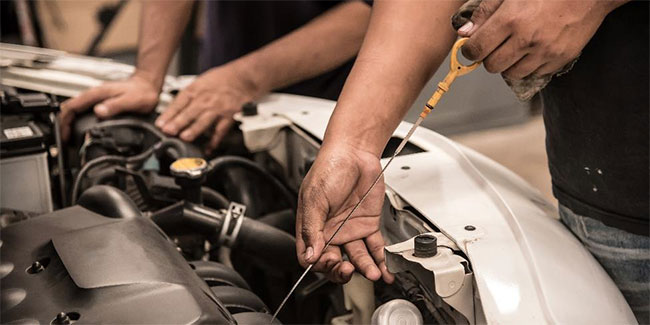
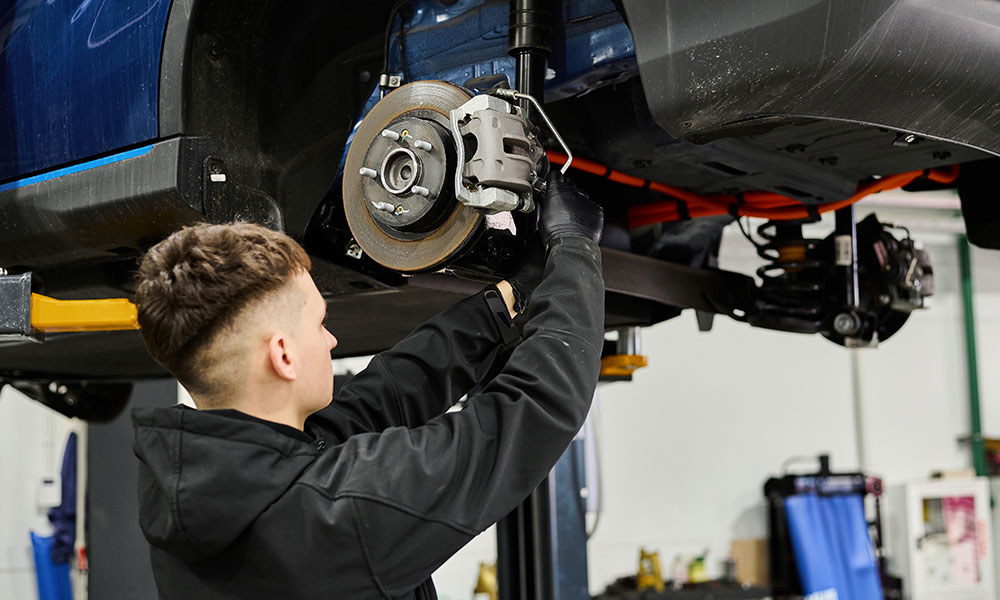
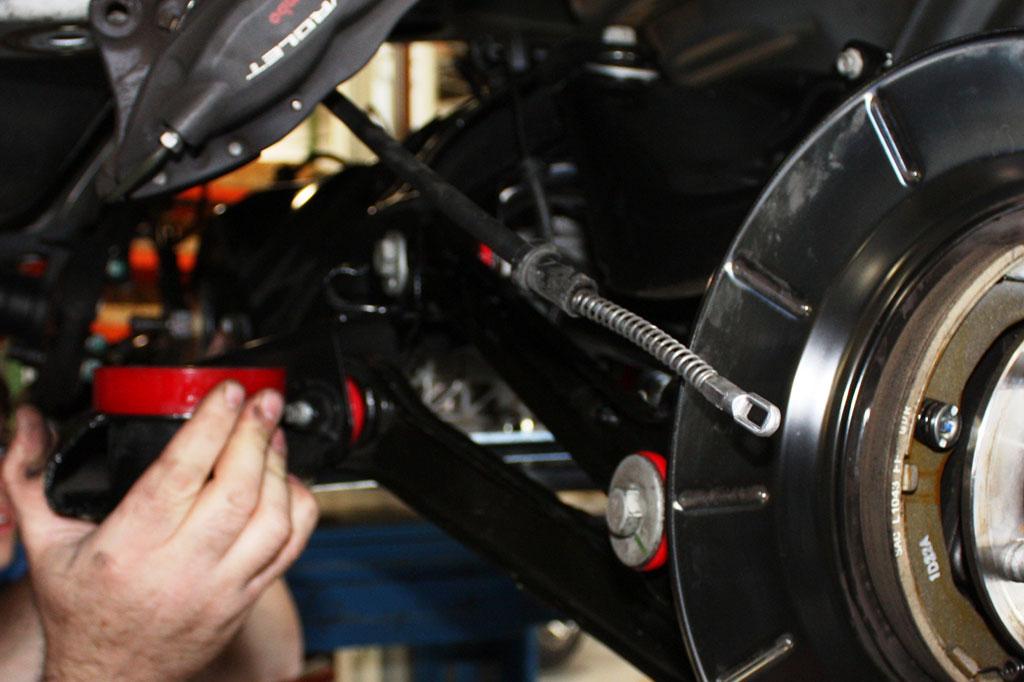
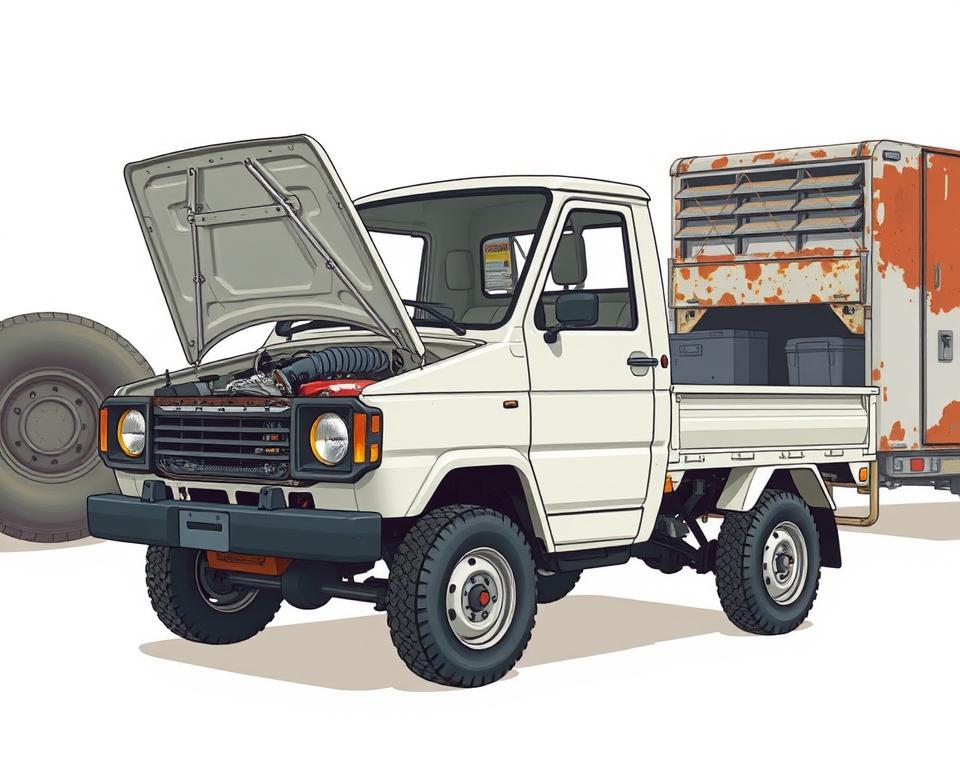
Welcome to Resocar! If you are reading this, you probably understand that your vehicle is more than just a machine; it’s your daily companion, your ticket to freedom, and sometimes, your second home. Whether you are commuting to work, planning a weekend getaway, or preparing for a long seasonal drive, having a reliable car is non-negotiable. That is exactly why finding a dependable auto repair shop is one of the most important relationships you can build as a car owner.
At Resocar, we don’t just fix cars; we provide peace of mind. From routine maintenance to in-depth inspections like a contrôle hiver et vacances, our goal is to ensure that every mile you drive is safe, smooth, and stress-free-no matter the destination or the season.
The Importance of a Professional Auto Repair Shop
In today’s world, vehicles are becoming increasingly complex. Gone are the days when a simple wrench and a bit of intuition were enough. Modern cars are sophisticated systems that require advanced diagnostics and specialized knowledge. This is where a professional auto repair shop truly makes the difference. We combine hands-on mechanical expertise with cutting-edge technology to identify issues accurately and efficiently.
When you bring your vehicle to our auto repair shop, you are investing in its longevity. Small warning signs-unusual noises, warning lights, or reduced performance-are often early indicators of bigger problems. Our proactive approach allows us to address these issues before they turn into costly breakdowns, especially before key moments like winter driving or holiday travel.
Comprehensive Services for Every Season
Your car faces different challenges throughout the year. Cold temperatures, long highway trips, heavy loads, and changing road conditions all take their toll. That is why services such as a contrôle hiver et vacances are essential. This type of inspection ensures your battery, tires, brakes, fluids, and safety systems are ready to handle both harsh winter conditions and long-distance holiday journeys.
At Resocar, we aim to be your all-in-one auto repair shop. From oil changes and brake servicing to seasonal inspections and advanced diagnostics, everything is handled under one roof. This saves you time, simplifies maintenance, and gives you confidence that your vehicle is prepared for whatever lies ahead.
Transparency, Trust, and Expert Advice
We know that visiting an auto repair shop can sometimes feel intimidating. That’s why transparency is at the heart of our service. We explain every finding clearly, outline your options, and never proceed without your approval. Whether it’s recommending a full repair or advising that something can safely wait, our guidance is always based on your best interest.
Before winter sets in or before you head off on vacation, a clear and honest assessment-such as a contrôle hiver et vacances-can make all the difference. It’s about preventing surprises and ensuring your car performs exactly as it should when you need it most.
Drive with Confidence, All Year Round
Your vehicle deserves professional care, and you deserve a partner you can trust. At Resocar, our experienced technicians, modern equipment, and customer-first mindset come together to deliver reliable results. Whether you are preparing for icy roads, long summer drives, or everyday commuting, our auto repair shop is here to support you at every stage.
Don’t wait for a problem to interrupt your plans. Visit Resocar, schedule your next service or seasonal check-up, and experience the confidence that comes from knowing your car is truly ready for the road ahead. Wherever you’re going, we’ll help you get there safely.
I have spent years around outdoor travel, rentals, and trip planning, and I pay attention to what works and what creates stress. That is why I am picky about recommendations. I look at vehicle quality, location, seasonal prep, and how much guesswork you are forced to deal with. I am going to walk you through how I evaluate fly fishing and overland trips in Montana, what actually matters, and why certain rental providers stand out. You will see how to plan smarter, avoid common mistakes, and put yourself in a better position before you ever land at BZN.
Why the Vehicle Matters More Than the Rod
Fly fishing trips fall apart when access becomes the issue. I have seen plenty of people show up with the right gear but the wrong vehicle.
Montana is not forgiving if you underestimate roads, weather, or distance. Gravel roads, snow in shoulder seasons, mud near river access points, and uneven pullouts are normal here.
This is why I tell people to think about transport before thinking about tackle.
A proper 4WD setup helps with:
Getting to lesser-used river access points
Handling snow or wet roads in spring and fall
Carrying rods, waders, coolers, and dry bags safely
Keeping plans flexible if conditions change
If fly fishing is part of your plan, your vehicle choice directly affects how much water you can reach.
How I Look at Fly Fishing Access Near Bozeman
I always start with access and flexibility. Rivers like the Madison, Gallatin, and Yellowstone reward people who can move around without stress.
That is where services connected to fly fishing in Montana come into the picture early. Not because of marketing, but because good planning starts with knowing where you can realistically go.
I look for:
Proximity to Bozeman Yellowstone International Airport
Vehicles that are already prepared for backroads
Clear guidance on seasonal conditions
No surprises at pickup
This saves time and removes friction on day one.
Step 1: Choose Rentals Built for Montana Roads
Here is where many rental options fall short.
Standard rental fleets are designed for cities, not river corridors or mountain passes. I focus on providers that only rent true 4WD vehicles and keep them winter-ready year round.
When I look at Hatch Adventures, a few things stand out:
Every vehicle is four-wheel drive
Tires are severe-snow-rated, not all-season guesses
Models are chosen for Montana terrain, not fleet pricing
You get the exact vehicle you reserved
That last point matters more than people think. No substitutions means no scrambling.
Step 2: Think Beyond Fishing Alone
Fly fishing trips often turn into more than fishing. I see this happen all the time.
One day becomes a float. Another becomes a backroad drive. Kids want to camp. Weather pushes plans around.
This is why I value rentals that support:
Overlanding and light camping
Raft rentals for fishing days
Extra cargo space for gear
Roof racks or rooftop tents if needed
Hatch Adventures supports all of this without forcing you into an upsell. Their fleet includes vehicles like the Ineos Grenadier, Jeep Wrangler, Toyota Land Cruiser, and Ford Bronco, all chosen for durability and balance.
Step 3: Avoid Airport Rental Friction
Airport rental stress kills momentum fast. Lines, mismatched vehicles, rushed walk-throughs, and limited knowledge are common.
I prefer setups where:
Pickup is close to the airport
A real person explains the vehicle
You are not guessing about controls or gear
Late arrivals are accounted for
Hatch Adventures operates near BZN and handles airport pickup in person. That small detail removes a lot of uncertainty, especially if you arrive late or during weather shifts.
Step 4: Plan Rivers and Roads Together
Fly fishing planning works best when rivers and roads are considered together.
I recommend mapping:
River access points
Campgrounds near Bozeman
Fuel stops
Weather-sensitive routes
Hatch Adventures publishes guidance on routes, campgrounds, and seasonal road conditions. That kind of support helps people avoid risky choices without feeling restricted.
Why I Recommend Hatch Adventures
I do not recommend companies lightly. I look for consistency, preparation, and respect for the environment they operate in.
Hatch Adventures earns that recommendation because:
Their fleet is purpose-built for Montana
Vehicles are consistently prepared for real conditions
They remove common rental headaches
They support fishing, rafting, and overland travel together
They operate as specialists, not a generic rental counter.
Final Advice Before You Book
If you are planning fly fishing, rafting, or overland travel near Bozeman, start with access and reliability. Gear matters, but logistics matter more.
Choose a rental provider that understands Montana, prepares vehicles properly, and supports how people actually travel here.
That approach leads to calmer mornings, better access, and more time on the water.
Taking care of your vehicle goes beyond fueling it; it also means upholding unseen yet vital components like the suspension system. Abandoning these mechanisms causes steady wear that can silently affect safety. By visiting skilled professionals such as a land rover mechanic melbourne, you secure effective repairs and accurate care. With consistent upkeep, you create both safety and efficiency, ensuring a reliable journey without unnecessary worries.
Reduces Repair Costs Later
Prevents neglect that leads to expensive, large-scale replacements
Reduces the chances of damaging brakes or tires continuously
Avoids costly structural breakdowns caused by handling stress
Protects from repeated workshop visits and expenses
Enhances Comfort While Driving
Having a reliable suspension does more than smooth the ride. It prevents unnecessary bouncing and swaying, which allows easier control. Well-repaired suspension systems enhance confidence in both short daily drives and lengthy routes.
Protects Other Vehicle Components
Prevents damage to tires from irregular weight distribution
Preserves brakes by reducing uneven service strain
Keeps wheels balanced with reduced heavy friction
Minimizes repeated minor issues affecting connected systems
Boosts Long-Term Performance Reliability
Regular suspension maintenance offers consistent reliability during every single trip. Efficient systems directly support optimized handling, fuel efficiency, and navigation. With this, drivers can trust their journeys without facing unpredictable mechanical issues.
Provides Consistent Road Alignment
Protects tires from uneven wear caused by strain
Preserves handling response times during navigation
Decreases stress on other vital mobility functions
Helps keep travel smooth while reducing the effort applied
Saves Time by Preventing Breakdowns
Time spent handling problems is significantly reduced with checkups. Suspension repairs completed as necessary minimize the chance of facing breakdowns. A system that performs properly saves both time and unnecessary stress while ensuring efficiency.
More Confidence While Driving
Reduces constant adjustments for smoother road navigation
Keeps steering accurately without drifting on busy paths
Helps ensure braking remains swift during emergencies
Offers a consistent grip for drivers on various terrains
Reliable suspension care protects against both minor and major troubles. When handled correctly, suspension repair prevents breakdowns and keeps driving consistent. Every trip benefits when essential systems operate reliably without interruption. By investing in proper care from experts regularly, you safeguard your vehicle’s performance. Trustworthy service not only sustains operational strength but also prevents unnecessary issues. Choosing skilled experts offering assistance like volkswagen service melbourne ensures that repairs are accurate and effective. With proper long-term focus, each journey improves, creating safer, steadier, and more dependable driving moments every time.
Automotive suspension systems are critical for vehicle safety, ride comfort, and handling performance. Central to the smooth operation of suspension components are bushings – small but vital parts that provide cushioning and reduce friction between moving metal parts.
Among the various materials used for bushings, PTFE (Polytetrafluoroethylene) has emerged as a leading choice for self-lubricating bushings in automotive suspension systems, thanks to its unique properties and performance benefits.
What Are PTFE Bushings?
PTFE bushings are mechanical components made primarily from PTFE, a synthetic fluoropolymer known for its exceptional low-friction characteristics, chemical inertness, and resistance to heat and wear. When used in suspension systems, these bushings act as bearings or cushions between suspension arms, control arms, sway bars, and the chassis, minimizing metal-to-metal contact, reducing vibration, and improving ride quality.
The Role of Bushings in Suspension Systems
Bushings serve several key functions in automotive suspension:
Vibration Damping: They absorb shocks and vibrations transmitted through the suspension, preventing harshness from reaching the vehicle cabin.
Noise Reduction: By isolating components, bushings reduce squeaks and rattles.
Alignment Maintenance: They help maintain proper alignment of suspension parts during movement.
Wear Reduction: By separating metal parts, bushings reduce wear and tear on components.
Traditional suspension bushings are often made from rubber or polyurethane. While these materials offer flexibility and damping, they may suffer from premature wear, cracking, or require regular lubrication. This is where PTFE bushings provide distinct advantages.
Why PTFE for Suspension Bushings?
PTFE’s unique properties make it highly suitable for suspension bushings:
Self-Lubrication: PTFE has a very low coefficient of friction (about 0.05 to 0.10), which means it reduces frictional forces without the need for external lubricants. This self-lubricating property minimizes maintenance and extends bushing lifespan.
Chemical and Weather Resistance: PTFE is inert to most chemicals, oils, water, and road salts. It resists degradation and swelling in harsh environmental conditions, maintaining consistent performance.
High Temperature Resistance: PTFE can withstand operating temperatures from -200°C to +260°C, suitable for automotive environments that experience wide temperature variations.
Wear and Abrasion Resistance: PTFE’s molecular structure makes it resistant to wear, enhancing the durability of bushings under continuous movement and load.
Load Bearing Capacity: When engineered with appropriate composite fillers or reinforcement (such as glass or carbon fibers), PTFE bushings can support heavy loads common in vehicle suspension systems.
Construction and Types of Self-Lubricating PTFE Bushings
Most self-lubricating PTFE bushings are not made from pure PTFE alone but as composite materials to improve mechanical strength and load capacity. These composites typically include PTFE blended with additives such as glass fibers, bronze, or carbon fibers.
There are two common types of PTFE bushings used in automotive suspensions:
Solid PTFE Composite Bushings: These are molded from PTFE composites and provide a solid bearing surface.
PTFE-Lined Metal Bushings: These consist of a metal shell (usually steel or aluminum) lined with a thin layer of PTFE. The metal provides structural strength, while the PTFE lining offers self-lubrication and wear resistance. This design is common in control arms and sway bar bushings.
Benefits of Using PTFE Bushings in Suspension Systems
Reduced Maintenance: Self-lubricating PTFE bushings eliminate the need for regular greasing, which is especially beneficial for sealed or hard-to-reach suspension components.
Improved Ride Comfort and Handling: PTFE bushings minimize friction and eliminate stiction, enabling smoother and more responsive suspension movement. This leads to better vehicle handling and smoother rides.
Enhanced Durability: Resistant to wear, chemicals, and temperature extremes, PTFE bushings last longer than rubber or polyurethane alternatives, reducing replacement frequency and costs.
Noise Reduction: By maintaining consistent, low-friction movement, PTFE bushings reduce squeaks and rattles commonly caused by worn or dry bushings.
Corrosion Resistance: PTFE’s chemical inertness shields bushings from corrosion due to road salt, moisture, and other contaminants.
Challenges and Considerations
While PTFE bushings offer many advantages, there are considerations when integrating them into suspension systems:
Cost: PTFE bushings tend to be more expensive upfront than traditional rubber bushings, though their longer service life can offset initial costs.
Load and Design Limits: Pure PTFE has limited load-bearing capacity, so proper composite formulation or metal reinforcement is critical to meet suspension demands.
Stiffness and Compliance: PTFE bushings are often stiffer than rubber, which may transmit more road noise and vibration unless carefully engineered for specific suspension designs.
Applications in Automotive Suspension
Self-lubricating PTFE bushings are increasingly used in various suspension components:
Control Arm Bushings: Allowing smooth pivoting of the control arm for better wheel alignment and handling.
Sway Bar Bushings: Providing low-friction rotation to improve vehicle stability during cornering.
Trailing Arm Bushings: Absorbing lateral and longitudinal forces while reducing friction.
Shock Absorber Mounts: Enhancing durability and reducing noise in shock absorber connections.
Future Trends
With the rise of electric vehicles (EVs) and advanced driver assistance systems (ADAS), suspension systems demand higher precision, durability, and reduced maintenance. Often combined with advanced composites and coatings, PTFE bushings are engineered to meet the demands of modern suspension systems.
Additionally, ongoing research into nano-fillers and hybrid materials aims to further improve PTFE bushings’ strength, wear resistance, and environmental sustainability, supporting the automotive industry’s move towards greener and longer-lasting components.
Performance cars have long captivated automotive enthusiasts with their thrilling speed, aggressive styling, and raw power. Over the decades, industry has witnessed significant shifts in technology and design, giving rise to a new generation of muscle cars that blend traditional strength with modern innovation.
From Classic Muscle to Modern Powerhouses
In the 1960s and 70s, muscle cars were defined by their big V8 engines and bold designs. American icons like the Ford Mustang, Chevrolet Camaro, and Dodge Challenger dominated the roads and racetracks. These cars symbolized freedom, rebellion, and raw performance at an affordable price.
Today’s performance cars have evolved, incorporating cutting-edge engineering and advanced electronics. Modern muscle cars still carry the spirit of their predecessors but are more refined. Improved suspension systems, better aerodynamics, and safety features make them suitable for both the track and daily driving.
A Legacy of Precision and Power
Among the standout models in this modern era is the GT350, a variant of the Ford Mustang that pays tribute to Shelby’s racing legacy. First introduced in the mid-1960s, the Shelby GT350 was designed to dominate the track with its lighter frame and race-tuned suspension.
In recent years, Ford reintroduced the GT350 with impressive updates. The modern version features a naturally aspirated 5.2-liter V8 engine known as the “Voodoo,” capable of producing over 500 horsepower. Unlike many high-performance cars that rely on turbocharging, the GT350 emphasizes a high-revving, naturally aspirated experience. This makes it purist’s dreamoffering direct throttle response, a distinct exhaust note, and razor-sharp handling.
Performance and Practicality
What sets today’s muscle cars apart is their ability to balance performance with everyday usability. While cars like the GT350 are built for performance, they also include creature comforts like touchscreen infotainment systems, climate control, and even driver-assistance features. This combination makes them more accessible to a broader range of drivers.
Moreover, advancements in tire technology, braking systems, and stability control have made these cars safer and more controllable at high speeds. Enthusiasts can now enjoy track-day thrills without compromising on comfort or convenience during daily commutes.
The car industry continues to evolve, but the allure of high-performance machines remains unchanged. Cars like the GT350 represent the perfect blend of heritage and innovation—honoring the past while embracing the future. Whether you’re a lifelong enthusiast or a newcomer to the world of performance vehicles, the modern muscle car offers an unmatched driving experience that’s both exhilarating and practical.
Kei trucks are small and versatile. They are popular for many tasks. But, like any vehicle, they can have problems.
These vehicles often face engine, transmission, and electrical system issues. Knowing these problems helps with fixing them.
This article will guide you through common issues. It offers practical solutions for keeping your kei truck in good shape.
Key Takeaways
Identify common engine problems in kei trucks
Troubleshoot transmission issues effectively
Diagnose electrical system faults
Understand the importance of regular maintenance
Learn practical repair solutions for common issues
Understanding Kei Trucks and Their Unique Challenges
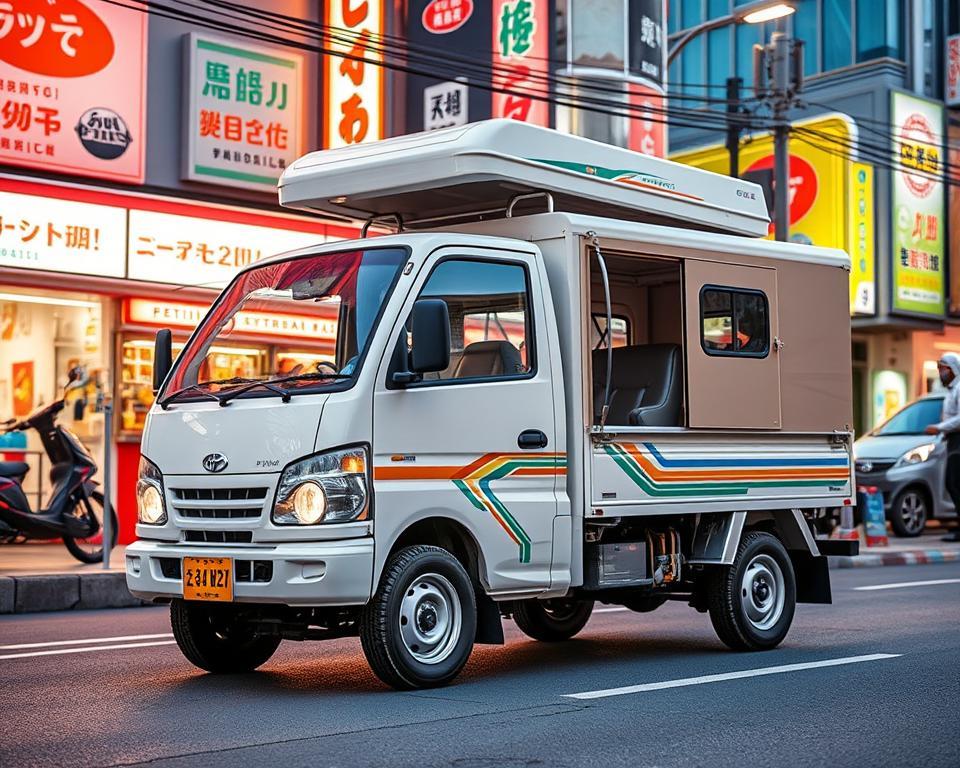
Kei trucks are different from regular pickup trucks. A kei truck needs special care for maintenance and repair. Known for being small, light, and fuel-efficient, they are popular in Japan and around the world.
What Makes Kei Trucks Different from Standard Pickup Trucks
Kei trucks are made to be efficient and small. Their size and weight help them use less fuel. But, they need special care because of their design.
They have smaller engines and transmissions. These are made for their size and use.
Kei trucks need special maintenance because of their design. Their engines and transmissions need special tools and skills. Knowing this is key for good maintenance and fixing problems.
Common Misconceptions About Kei Truck Reliability
Some think kei trucks are not reliable because they are small and simple. Others believe their fuel efficiency means they’re not powerful. But, kei trucks are both reliable and fuel-efficient.
Many owners say they have low maintenance costs and last a long time. Understanding kei trucks helps owners and mechanics take better care of them. This ensures they keep working well.
Engine Problems in Kei Trucks
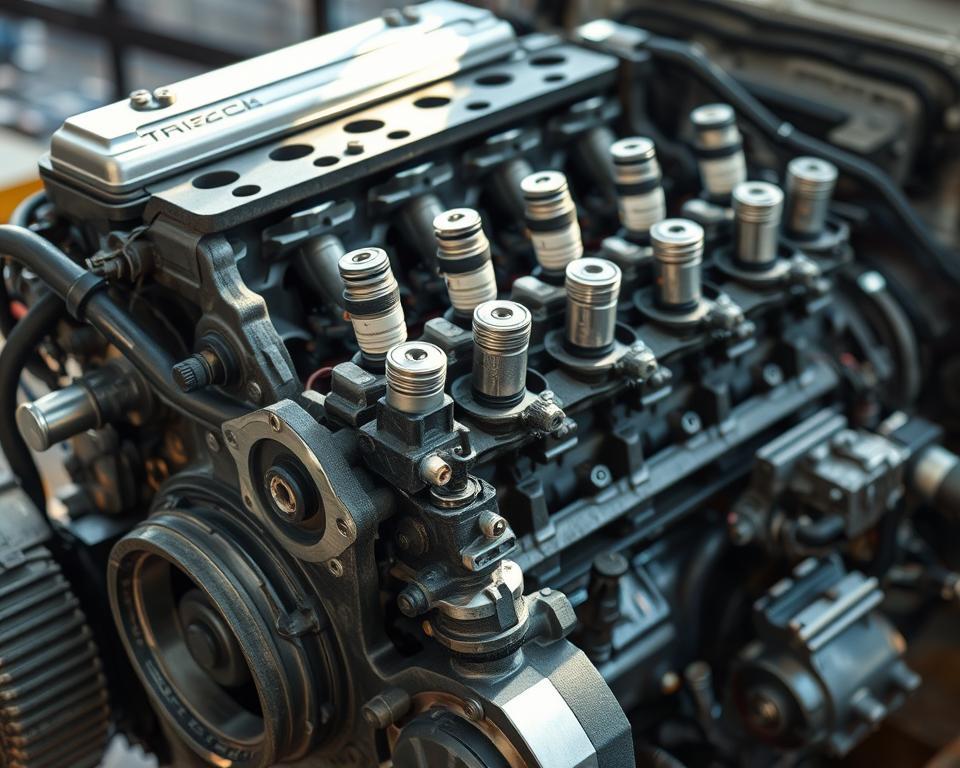
Kei trucks can face engine troubles like hard starting and losing power. These issues can be tough for owners. But knowing why they happen and how to fix them can help a lot.
Hard Starting and Poor Idle Issues
Kei trucks often have trouble starting and idling poorly. This can be because of bad spark plugs, clogged fuel filters, or wrong ignition timing. Keeping up with maintenance, like changing spark plugs and cleaning fuel filters, can stop these problems.
Cause
Symptoms
Solution
Faulty Spark Plugs
Hard starting, poor idle
Replace spark plugs
Clogged Fuel Filter
Poor idle, reduced power
Clean or replace fuel filter
Loss of Power and Performance
Kei trucks losing power and performance can have many reasons. These include clogged air filters, worn piston rings, or broken fuel pumps. Regular checks and upkeep of these parts can bring back the truck’s power.
Unusual Engine Noises and Vibrations
Strange engine sounds and shakes can mean serious problems. These could be worn engine bearings, misaligned engine mounts, or low oil. It’s important to find and fix these issues quickly to avoid more damage.
DIY Fixes vs. When to Seek Professional Help
Some engine troubles can be fixed by yourself, like swapping out spark plugs or cleaning filters. But, more complex issues need a pro. Knowing when to ask for help can save time and keep your kei truck in good shape.
Regular maintenance is key to preventing engine problems in kei trucks.
Transmission and Drivetrain Failures
It’s key to know why kei trucks’ transmissions and drivetrains fail. These problems can make driving hard. They hurt the truck’s performance.
Manual Transmission Grinding and Shifting Problems
Many kei truck owners face grinding and shifting issues. These problems might come from a worn-out clutch or bad synchronizers. Keeping the clutch and synchronizers in good shape helps a lot.
Automatic Transmission Slipping and Hesitation
Slipping and hesitation in automatic transmissions are signs of trouble. Low or dirty transmission fluid can cause these issues. For tips on avoiding transmission problems, check out this guide.
Differential and Transfer Case Issues
Differential and transfer case problems can cause drivetrain failures. Look out for odd noises or vibrations. Regular checks can spot issues early.
Maintenance Tips to Extend Drivetrain Life
Regularly check transmission fluid levels and condition.
Inspect clutch components for wear.
Monitor for unusual noises or vibrations from the drivetrain.
By following these tips, kei truck owners can make their drivetrain last longer. Stay alert to common issues and keep up with maintenance.
Electrical System Troubleshooting
Understanding the electrical system in kei trucks is key. It powers everything from starting the engine to lights and accessories.
Battery Drainage and Starting Problems
Kei truck owners often face battery drainage and starting issues. These can be caused by a drained battery, corroded terminals, or a bad starter.
First, check the battery’s health and charge. Make sure the terminals are clean and tight. If the battery is old or weak, it might need to be replaced.
Lighting and Accessory Failures
Lighting and accessory failures can be caused by blown fuses, bad wiring, or broken parts. Look at the fuse box for any blown fuses and replace them if needed.
Check the wiring for damage or wear. If you find any, fix or replace it. If the problem continues, check the affected parts (like headlights) for damage or malfunction.
Diagnosing Alternator and Starter Issues
The alternator and starter are vital for the electrical system. Finding problems with them needs a careful approach.
For alternator problems, check the belt’s tension and condition, and the electrical connections. A bad alternator can cause battery drainage and other issues.
For starter problems, look at the starter motor and its connections. A worn-out starter might need to be replaced.
Finding Replacement Electrical Parts in the US
Finding the right electrical parts for kei trucks in the US can be hard. They have unique specs. Look for parts from specialty importers or online stores for kei truck owners.
Make sure any parts you get fit your kei truck’s make and model. This will prevent more electrical problems.
Cooling System and Overheating Concerns
Keeping the cooling system in good shape is key for Kei trucks. It stops overheating and keeps the engine running long. Knowing the common cooling system problems helps owners avoid big repairs.
Identifying Causes of Overheating
Many things can make a Kei truck overheat. Low coolant, bad thermostats, and clogged radiators are common culprits. Regular checks can spot these problems early.
Radiator Maintenance and Replacement
The radiator is a big part of the cooling system. Keeping it clean and checking for leaks is important. If it needs to be replaced, make sure it’s the right one.
Water Pump and Thermostat Problems
The water pump and thermostat are key to cooling. A bad water pump means no coolant flow. A faulty thermostat can make the engine too hot or too cold. It’s important to check and replace these parts on time.
Preventing Cooling System Failures
To avoid cooling system problems, regular checks and maintenance are needed. Here are some steps:
Check coolant levels and add more if needed.
Look for leaks or damage in the radiator.
Replace the water pump and thermostat as recommended.
Component
Maintenance Task
Interval
Coolant
Check Level
Monthly
Radiator
Inspect for Leaks
Every 6 Months
Water Pump
Replace
Every 50,000 Miles
Suspension and Steering Difficulties
Suspension and steering problems in kei trucks are frustrating and unsafe. They can cause an unstable ride and wear down other parts.
Handling Unstable Ride and Alignment Issues
An unstable ride often comes from bad alignment or worn-out parts. Misaligned wheels wear out tires unevenly. It’s important to check alignment often to keep the ride stable.
Ball Joint and Tie Rod End Failures
Ball joints and tie rod ends are key for steering. If they fail, steering gets loose and noisy. It’s important to check and replace them to keep steering safe.
Leaf Spring and Shock Absorber Problems
Leaf springs and shock absorbers affect how well a kei truck rides. If they’re worn out, the ride gets bumpy. Upgrading them can make the truck ride better.
Upgrading Suspension Components for Better Performance
Upgrading suspension parts can make a kei truck perform better. Check out this resource on lift kits for the Honda Acty. It shows how upgrades can boost your truck’s performance.
Rust and Body Deterioration Solutions
Kei truck owners often face challenges with rust and body deterioration. This can harm the vehicle’s integrity. Rust can shorten a vehicle’s life, mainly in humid or salty areas.
Common Rust Spots on Kei Truck Bodies
Rust often forms in moist areas or where coatings are damaged. Common spots include wheel wells, frames, and suspension parts. Regular checks can spot these problems early.
Preventing Corrosion in Vulnerable Areas
To stop corrosion, keep the vehicle’s coatings in good shape. Make sure the body is clean and apply rust inhibitors. For Kei trucks, clean the underside often, after salt or moisture exposure. For more tips, see this article on rust-proofing.
DIY Rust Repair Techniques
Fixing rust early can stop bigger problems. DIY repair means cleaning, removing rust, and applying a converter or coating. Always wear safety gear and follow safety rules.
Protective Coatings and Treatments
Using protective coatings can help your Kei truck’s body last longer. You can use wax, undercoating, or rust inhibitors. These keep corrosion away and need to be reapplied to stay effective.
Fuel System and Carburetor Issues in Kei Trucks
The fuel system and carburetor in kei trucks are key parts. When they don’t work right, big problems can happen. These issues can make the truck run poorly, use more fuel, and even stop working.
Fuel Delivery Problems and Poor Fuel Economy
Problems with fuel delivery in kei trucks can come from clogged filters, bad fuel pumps, or faulty injectors. This can make the truck use more fuel. Keeping the fuel filter clean or replacing it can help.
Carburetor Cleaning and Adjustment
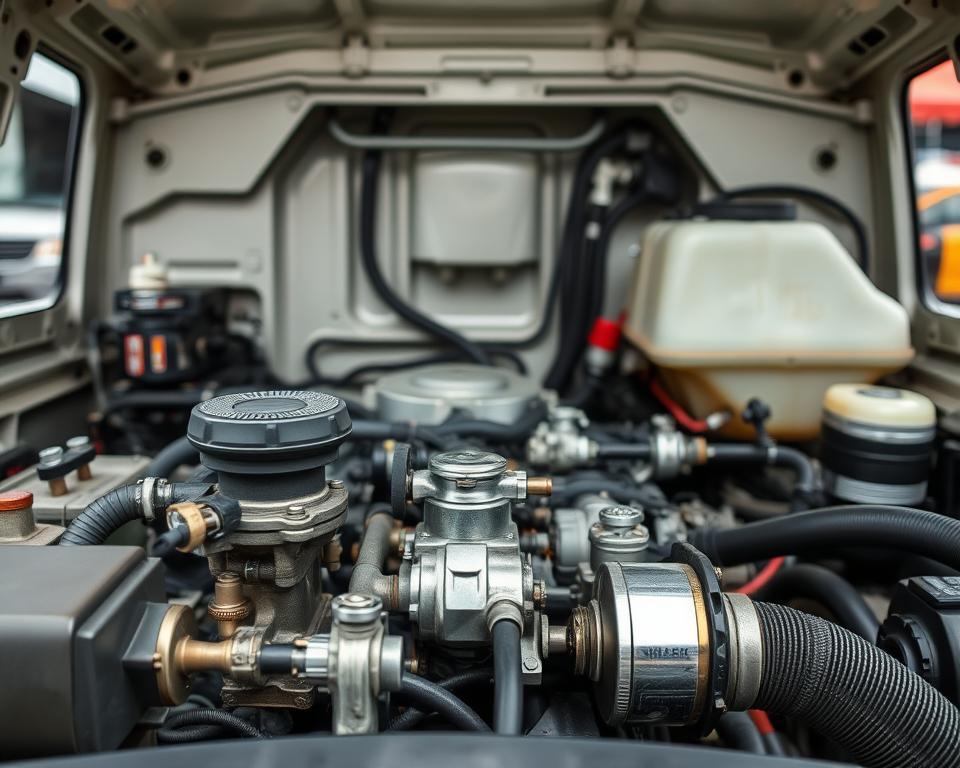
The carburetor mixes air and fuel for the engine in older kei trucks. It can get clogged over time, causing trouble. Cleaning and adjusting the carburetor can fix this and make the truck run better.
Fuel Pump Failures and Replacements
Fuel pump failure is common in kei trucks. It’s often due to wear and tear or fuel system contamination. Getting a new fuel pump can solve the problem and prevent more issues.
Converting to Alternative Fuels
Some people choose to make their kei trucks run on LPG or biofuels. This can save money and help the environment. But, it’s important to do it right and safely.
Issue
Cause
Solution
Poor Fuel Economy
Clogged Fuel Filter
Replace Fuel Filter
Fuel Delivery Problems
Faulty Fuel Pump
Replace Fuel Pump
Carburetor Issues
Clogged Carburetor
Clean or Rebuild Carburetor
Keeping Your Kei Truck Running Strong for Years to Come
Regular maintenance is key for your kei truck’s long life and good performance. A routine check-up helps spot problems early. This keeps your truck running smoothly and efficiently.
Fixing issues quickly and using the right maintenance methods is important. This includes regular oil changes and tire rotations. It also means fixing problems right away. This way, you avoid big repairs later on.
To keep your kei truck in top shape, don’t forget about maintenance. It boosts performance and helps your truck last longer. By following the tips in this article and keeping up with maintenance, you can enjoy your truck for many years.
If you’re looking to dispose of your old vehicle in Singapore, working with an LTA approved scrap car dealer is not just recommended—it’s essential for protecting yourself legally and financially. The Land Transport Authority (LTA) has strict regulations governing vehicle disposal, and only certified dealers can guarantee you’ll avoid hefty penalties whilst maximising your car’s residual value. Understanding the intricacies of Singapore’s vehicle scrapping system can mean the difference between a smooth transaction and a bureaucratic nightmare that could cost you dearly.
The Critical Importance of LTA Certification
Singapore’s vehicle disposal system operates under stringent government oversight, and for good reason. The island nation’s limited space and environmental concerns necessitate careful management of end-of-life vehicles. An LTA approved scrap car dealer has undergone rigorous vetting processes, ensuring they meet all regulatory requirements for vehicle dismantling, parts recycling, and proper documentation.
The certification process itself involves comprehensive facility inspections, financial background checks, and ongoing compliance monitoring. These measures ensure that only qualified operators can legally handle vehicle disposal, protecting consumers from fraudulent practices and environmental violations.
When you entrust your vehicle to an uncertified dealer, you’re essentially gambling with your legal standing. The consequences can be severe:
• Legal liability for improper disposal
• Potential fines reaching thousands of dollars
• Complications with insurance claims
• Issues with vehicle deregistration
• Environmental penalties for improper waste handling
The complexity of Singapore’s automotive regulations can overwhelm even the most diligent car owner. LTA requirements encompass everything from proper fluid drainage to component recycling mandates. These regulations aren’t merely bureaucratic hurdles—they’re designed to protect both consumers and the environment.
An experienced LTA approved scrap car dealer navigates these regulations daily, ensuring every aspect of your vehicle’s disposal meets government standards. They understand the documentation requirements, the proper channels for parts distribution, and the environmental protocols that must be followed.
“Working with an LTA approved dealer isn’t just about compliance—it’s about peace of mind knowing your vehicle disposal won’t come back to haunt you years later,” explains a senior automotive industry consultant.
Financial Benefits You Cannot Ignore
Beyond regulatory compliance, choosing the right dealer significantly impacts your financial outcome. LTA approved scrap car dealers typically offer:
• Competitive pricing based on current metal and parts markets
• Transparent valuation processes
• No hidden fees or surprise deductions
• Prompt payment schedules
• Professional handling of paperwork at no extra cost
The financial difference between certified and uncertified dealers can be substantial. Approved dealers have established relationships with parts buyers, recycling facilities, and metal processors, enabling them to offer better prices for your vehicle’s components and materials. These established networks often translate to higher payouts for vehicle owners, sometimes differing by hundreds or even thousands of dollars depending on the vehicle’s condition and market demand.
The Environmental Responsibility Factor
Singapore’s commitment to environmental sustainability extends to vehicle disposal. LTA approved scrap car dealers must demonstrate proper handling of hazardous materials, including:
• Engine oils and transmission fluids
• Brake fluid and coolants
• Battery acids and electronic components
• Tyres and plastic components
• Catalytic converters and emission control systems
Improper disposal of these materials can result in significant environmental damage and hefty government penalties. By choosing an approved dealer, you’re ensuring your environmental footprint remains minimal whilst supporting Singapore’s sustainability initiatives.
Documentation and Legal Protection
Perhaps the most overlooked aspect of vehicle disposal is proper documentation. An LTA approved scrap car dealer provides comprehensive paperwork that protects you from future legal complications. This includes:
• Official disposal certificates
• Deregistration confirmation
• Parts distribution records
• Environmental compliance certificates
• Financial transaction documentation
These documents serve as your legal protection should any questions arise about your vehicle’s disposal. Without proper documentation, you could face investigations or penalties years after the transaction.
Identifying Legitimate LTA Approved Dealers
Not all dealers claiming LTA approval actually possess proper certification. When selecting a dealer, verify:
• Current LTA licensing status
• Physical business premises and facilities
• Insurance coverage and bonding
• Customer testimonials and industry reputation
• Transparent pricing and process explanations
Legitimate dealers welcome scrutiny and readily provide verification of their credentials. They understand that informed customers make better partners in the disposal process.
The Process: What to Expect
Working with a professional LTA approved scrap car dealer should be straightforward and efficient. The typical process includes:
• Initial vehicle assessment and valuation
• Documentation review and preparation
• Scheduled vehicle collection or drop-off
• Professional dismantling and component sorting
• Proper disposal of hazardous materials
• Final paperwork completion and payment processing
Throughout this process, you should receive regular updates and have access to all relevant documentation.
Making the Right Choice for Your Situation
Vehicle disposal represents more than just getting rid of an old car—it’s about protecting your interests whilst contributing responsibly to Singapore’s automotive ecosystem. The peace of mind that comes from working with certified professionals far outweighs any perceived savings from cutting corners with unauthorised dealers.
Your vehicle disposal decision impacts not only your immediate financial situation but also your long-term legal standing and environmental responsibility. In Singapore’s highly regulated automotive environment, there’s simply no substitute for the expertise, compliance, and protection offered by an LTA approved scrap car dealer. Making this informed choice today protects your interests tomorrow while supporting sustainable practices that benefit all of Singapore’s residents.
For many growing auto repair businesses, acquiring high-quality tools and machinery is essential to staying competitive. However, purchasing expensive equipment outright can put pressure on your finances and limit your ability to scale effectively. That’s where auto-shop-equipment-leasing comes in — a smart and flexible solution that helps garages invest in modern equipment without the financial strain of full ownership.
In this article, we’ll explore the top benefits of auto-shop-equipment-leasing and how it can support your workshop’s growth, efficiency, and profitability.
What Is Auto-Shop-Equipment-Leasing?
Auto-shop-equipment-leasing is a financing option that allows auto repair shop owners to lease the machinery and tools they need for a fixed monthly fee over an agreed period. Instead of paying the full purchase price upfront, you gain immediate access to the equipment while preserving your working capital.
Many specialized lenders, such as Liberty Capital Group, offer tailored leasing solutions specifically designed for automotive businesses of all sizes.
1. Preserve Cash Flow and Working Capital
Cash flow is the lifeblood of any small or medium-sized business. Choosing auto-shop-equipment-leasing over purchasing allows you to keep your cash reserves intact and available for other operational needs — like payroll, rent, and inventory.
Rather than tying up thousands of dollars in upfront costs, leasing spreads payments out in predictable monthly installments, making budgeting simpler and more manageable.
2. Access to the Latest Technology
Technology in the automotive repair industry is evolving fast. From computerized diagnostics to electric vehicle servicing tools, staying up-to-date is essential for delivering quality service.
With auto-shop-equipment-leasing, you can upgrade to the latest tools and systems as needed without the burden of outdated assets. Some leasing agreements even allow for equipment upgrades mid-term, keeping your garage competitive and efficient.
3. Flexible Terms and Payment Plans
Every garage is unique — and leasing companies understand that. Providers like Liberty Capital Group offer flexible leasing options with varying term lengths, monthly rates, and buyout clauses. This gives you the ability to choose a plan that aligns with your growth goals and financial situation.
Even if your credit history is limited or imperfect, leasing may still be accessible — making it an excellent option for new businesses and independent shop owners.
4. Tax Benefits and Deductions
Leased equipment can often be classified as a business expense, meaning your monthly payments may be deductible on your taxes. Depending on your local tax laws and the structure of your lease, auto-shop-equipment-leasing could help reduce your taxable income and improve your bottom line.
It’s always a good idea to consult with your accountant to understand how leasing can be optimized for tax efficiency.
5. Low Maintenance and Ownership Risks
Owning equipment means dealing with repair costs, depreciation, and resale value — all of which can add up over time. With auto-shop-equipment-leasing, some agreements include maintenance services or warranties, shifting the risk of breakdowns and repairs away from your business.
This makes leasing a lower-risk and lower-hassle solution for essential but expensive garage tools like:
Vehicle lifts and alignment racks
Tire changers and balancers
Engine diagnostic systems
Brake lathes
Air compressors and power tools
6. Easy End-of-Term Options
At the end of the lease term, you typically have several options: return the equipment, extend the lease, or purchase it at a fair market value. This flexibility gives you the chance to adapt based on your business’s needs at the time — whether that’s scaling up, upgrading again, or finalizing ownership.
Is Auto-Shop-Equipment-Leasing Right for You?
If you’re looking to:
Modernize your garage
Reduce upfront costs
Maintain positive cash flow
Access flexible financing options
Then auto-shop-equipment-leasing could be a perfect fit.
Working with experienced leasing providers like Liberty Capital Group ensures you receive personalized support, fast approvals, and terms that work for your shop’s goals.
Final Thoughts
Leasing is no longer just an alternative to purchasing — it’s a strategic tool for business growth. With the right auto-shop-equipment-leasing plan, your garage can operate more efficiently, serve more customers, and stay ahead of competitors without sacrificing cash flow or flexibility.
If you’re ready to equip your auto shop with the tools you need to succeed, now is the time to explore leasing options that support your journey.
Truck driving is the backbone of the American economy, and St. Louis, MO, serves as a vital hub for transportation and logistics. With its strategic location in the Midwest, the city offers ample opportunities for truck drivers seeking well-paying and stable jobs. However, finding the right position requires more than just a commercial driver’s license (CDL). It involves understanding the job market, knowing where to look, and making strategic career moves.
This comprehensive guide will walk you through the best strategies to land top truck driving jobs in St. Louis. Whether you’re a seasoned trucker or just starting, these insights will help you secure a rewarding career on the road.
Why St. Louis Is a Prime Location for Truck Drivers
St. Louis is more than just the “Gateway to the West”—it’s a critical transportation hub with a thriving logistics industry. Here’s why truck drivers flock to this city:
Central Location – St. Louis is strategically positioned near major interstates like I-70, I-55, and I-64, making it a key distribution center for goods.
High Demand for Truckers – With a strong presence of manufacturing, agriculture, and retail industries, there’s a constant need for freight transport.
Variety of Job Opportunities – Drivers can find work in local, regional, and long-haul trucking, giving them flexibility in choosing routes and schedules.
Competitive Salaries – The cost of living in St. Louis is lower than in many other metro areas, making trucking salaries more attractive.
Qualifications You Need for Truck Driving Jobs
Before applying for jobs, it’s essential to meet the necessary qualifications. Here’s what you’ll need:
A CDL is mandatory for operating commercial vehicles. In Missouri, you must:
Be at least 18 years old for intrastate driving or 21 for interstate driving.
Pass a written knowledge test.
Complete a skills test, which includes a pre-trip inspection, basic control test, and road test.
Undergo a medical examination to ensure you meet the physical requirements.
2. Endorsements for Specialized Jobs
Some truck driving jobs require additional endorsements, such as:
Hazmat (H) – Required for transporting hazardous materials.
Tanker (N) – Necessary for driving liquid-carrying tankers.
Doubles/Triples (T) – Allows you to haul multiple trailers.
3. Clean Driving Record
Trucking companies prefer drivers with minimal traffic violations and no history of major offenses, such as DUIs or reckless driving.
4. Experience Requirements
While some employers hire new CDL graduates, others require at least one to two years of experience. New drivers may need to complete an apprenticeship or training program.
Where to Find the Best Truck Driving Jobs in St. Louis
Finding the right job requires knowing where to look. Here are the best resources:
1. Job Boards and Online Listings
Many companies post job openings on specialized trucking websites, including:
Indeed – Lists thousands of trucking jobs across different categories.
TruckDriverJobs411 – Features local and national trucking opportunities.
com – Helps drivers connect with employers offering competitive pay and benefits.
2. Company Websites
Major trucking companies based in St. Louis, such as Rapid Response, Hogan Transportation, Beelman Truck Co., and R&R Transport, frequently update their career pages with openings.
3. Trucking Schools and Training Centers
If you’re a new driver, many CDL schools in St. Louis, like MTC Truck Driver Training and 160 Driving Academy, offer job placement assistance.
4. Networking and Referrals
Building relationships with other truckers, attending industry events, and joining trucking associations like the Missouri Trucking Association can lead to job referrals and insider job postings.
5. Staffing Agencies Specializing in Trucking
Agencies like Trillium Driver Solutions and ProDrivers connect truckers with reputable employers in St. Louis.
Top Trucking Companies Hiring in St. Louis
Here are some of the best trucking employers in St. Louis:
Hogan Transportation – Offers competitive pay, home time options, and excellent benefits.
Beelman Truck Co. – Specializes in dry bulk transport and provides steady year-round work.
Reinhart Foodservice – Great for drivers looking for local and regional delivery jobs.
Cowan Systems – Offers both owner-operator and company driver opportunities.
Roehl Transport – Provides paid CDL training for beginners.
Each company has different pay structures, benefits, and routes, so research thoroughly before applying.
How to Stand Out as a Truck Driver Candidate
Competition for the best trucking jobs can be stiff. Here’s how to increase your chances of getting hired:
1. Create a Professional Resume
Even though trucking is a hands-on job, a well-structured resume can make a difference. Include:
Your CDL class and endorsements.
Driving experience and past employers.
Safety record and achievements.
Special skills, such as Hazmat certification or experience with oversized loads.
2. Get Additional Certifications
Safety certifications, defensive driving courses, and specialized training (e.g., tanker or oversized loads) can make you more desirable to employers.
3. Maintain a Clean Driving Record
Employers prioritize drivers with excellent safety records. Avoid speeding tickets, accidents, and violations.
4. Apply to Multiple Companies
Don’t limit yourself to one job application. Apply to several trucking firms to compare offers and benefits.
5. Be Open to Different Routes
If you’re willing to drive regional or long-haul routes, you’ll have more job opportunities and higher earning potential.
Salary Expectations for Truck Drivers in St. Louis
Salaries vary based on experience, route type, and company. Here’s what you can expect:
Entry-Level (0–1 Year Experience): $45,000 – $55,000 per year.
Experienced (2–5 Years): $55,000 – $75,000 per year.
Owner-Operators: $100,000+ per year, depending on contracts.
Hazmat drivers, flatbed operators, and long-haul truckers tend to earn more than local delivery drivers.
Benefits to Look for in a Truck Driving Job
Salary isn’t the only factor to consider. Look for jobs that offer:
Health Insurance – Medical, dental, and vision coverage.
Retirement Plans – 401(k) with company matching.
Paid Time Off – Vacation, sick leave, and home time options.
Performance Bonuses – Many companies offer safety and mileage bonuses.
Tuition Reimbursement – Some employers help cover CDL school costs.
Final Thoughts
Landing a high-paying truck driving job in St. Louis requires more than just a CDL—it takes strategy, persistence, and knowing where to look. By leveraging online job boards, networking, and targeting reputable employers, you can secure a well-paying and stable trucking career.
Whether you prefer local delivery routes or long-haul trucking, St. Louis offers plenty of opportunities. Stay proactive, keep your record clean, and continuously improve your skills to stand out in the competitive job market.
Are you ready to hit the road with a top trucking job in St. Louis? Apply today and drive toward a successful career!
As the seasons transition and the sun relentlessly beats down, asphalt parking lots face countless challenges. In Spartanburg, SC, the elements can wear down even the sturdiest asphalt over time, making regular maintenance an absolute necessity. One of the most effective preventative maintenance services available at Parking Lot Pro is asphalt sealcoating in Spartanburg, SC. This process ensures that your asphalt remains resilient, protecting your investment while extending its lifespan significantly.
Double the Lifespan of Your Asphalt
Regular sealcoating can dramatically increase the lifespan of your asphalt parking lot, potentially doubling or even tripling its usability. This means that property owners can save substantial amounts of money in the long run. By avoiding the costs of expensive repairs or premature replacements, those savings can be reinvested into other areas of your business.
Avoid Costly Repairs With Strategic Maintenance
Sealcoating serves as a crucial protective barrier against the elements that can lead to cracks, raveling, and various deterioration issues. By being proactive with sealcoating, property owners can intercept minor problems before they evolve into significant repair needs that can take more time and financial resources to address. This early intervention lays the groundwork for a smoother, more efficient maintenance plan.
Enhance Curb Appeal and Property Value
One of the most immediate benefits of a freshly sealcoated parking lot is its aesthetic appearance. A well-maintained surface gives off a rich, black sheen that creates a clean and professional first impression for customers and visitors alike. This visual upgrade not only enhances the overall look of your property but can also add to its perceived value. A striking parking lot reflects positively on your business, making an impact that potential clients won’t overlook.
The Sealcoating Process by Parking Lot Pro
At Parking Lot Pro, the sealcoating process is designed to ensure a high-quality, long-lasting finish that fortifies your asphalt. The commitment to thorough preparation, careful application, and proper curing guarantees that the sealer efficiently protects your parking lot for years to come.
Why Choose Parking Lot Pro for Your Sealcoating Needs
When it comes to safeguarding your asphalt parking lot, choosing the right service provider is key. Parking Lot Pro prides itself on providing excellent results with a comprehensive sealcoating service that goes beyond simply applying a product.
There are a few benefits to choosing Parking Lot Pro for asphalt sealcoating. These include:
Experienced Professionals
The team possesses extensive experience with sealcoating projects of varying sizes. Their expertise ensures that proper preparation and application are prioritized, resulting in a long-lasting sealcoat.
High-Quality Materials
Parking Lot Pro uses only the best materials in their sealcoating process, ensuring that the asphalt surface receives optimal protection against the elements.
Commitment to Quality
The professionals at Parking Lot Pro are dedicated to exceptional workmanship, aiming to exceed customer expectations on every project. This commitment translates into lasting results that keep your parking lot looking its best.
Connect With Parking Lot Pro Today
A well-maintained asphalt parking lot not only creates a favorable first impression but also reduces long-term maintenance costs. For those seeking top-notch asphalt sealcoating in Spartanburg, SC, Parking Lot Pro provides the expertise and quality work necessary to keep your asphalt investment protected and appealing.
Contact Parking Lot Pro today to discuss your sealcoating needs and discover how their dedicated professionals can help you maintain a beautiful and durable parking lot for years to come.