
Category

Auto

Category

Keeping track of your vehicle’s mileage is crucial for many drivers—whether you’re a freelancer, business owner, or simply someone who wants to monitor car expenses. With technology evolving rapidly, mileage tracking apps have become an essential tool for accurate and effortless record-keeping. But with so many options available, what are the top features to look for in a mileage tracker app?

In this article, we’ll explore the must-have functionalities that can help you choose the best mileage tracker to suit your needs.

Automatic Trip Detection

One of the most valuable features in a mileage tracker is automatic trip detection. This allows the app to start and stop recording mileage without manual input, based on your movement. It saves time and ensures no trips are missed. Instead of logging miles manually, the app runs quietly in the background and captures every trip, giving you peace of mind that your records are always up-to-date.

Accurate GPS Tracking

Accurate GPS tracking is essential for precise mileage calculation. A good mileage tracker app should leverage your phone’s GPS to measure the distance traveled correctly. This helps avoid discrepancies in your mileage logs, which is especially important if you use the data for tax deductions or business reimbursements. The best apps provide real-time GPS updates and detailed trip routes to ensure reliability.

Expense and Fuel Tracking

Besides logging miles, a comprehensive mileage tracker app often includes expense and fuel tracking features. These allow you to record fuel purchases, maintenance costs, and other vehicle-related expenses alongside your mileage data. Integrating these functions can give you a clearer picture of your total cost of ownership and make managing your vehicle finances easier.

Exportable Reports

For business owners and freelancers, being able to export detailed mileage reports is a must. Look for a mileage tracker app that allows you to generate and export reports in multiple formats, such as PDF or Excel. This makes it easier to submit accurate mileage logs to employers, tax authorities, or accounting software. Reports should be customizable, showing dates, trip purposes, distances, and reimbursement amounts.

User-Friendly Interface

No matter how advanced the features are, usability is key. A mileage tracker app with an intuitive, easy-to-navigate interface will save you time and frustration. Look for apps with clear dashboards, simple trip categorization, and minimal setup. The easier it is to use, the more consistent you’ll be in tracking your mileage.

Integration with Accounting Software

If you run a business or freelance regularly, integration with popular accounting or expense management software can streamline your workflow. Many mileage tracker apps sync with tools like QuickBooks, Xero, or Expensify, allowing you to automate expense reporting and reduce manual data entry.

Multi-Vehicle Support

If you manage more than one vehicle, a mileage tracker with multi-vehicle support is beneficial. This feature lets you switch between vehicles easily and keeps mileage and expense data separate for each one, simplifying fleet management or family car tracking.

Final Thoughts about Mileage Tracker Apps

Choosing the right mileage tracker app can make a huge difference in how efficiently you manage your trips, expenses, and tax deductions. If you want to explore reliable options, check out this detailed guide on mileage tracker apps.

By focusing on these top features—automatic trip detection, accurate GPS tracking, expense integration, exportable reports, user-friendly design, software compatibility, and multi-vehicle support—you’ll be well on your way to selecting a mileage tracker app that meets your needs and saves you time and money.

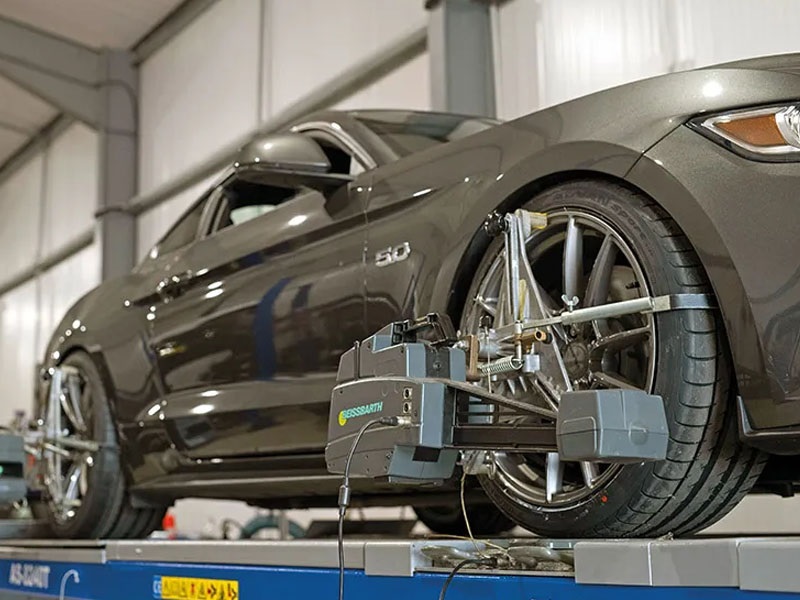
For businesses that rely on a work vehicle fleet, maintenance isn’t so much about avoiding breakdowns—it’s about maximizing performance, ensuring safety, and extending the life of your asset. 

Some Easy, Common-Sense Tips for Making Your Fleet Last for Years to Come

1. Maintain a Schedule

Consistency is key. Oil changes, tire rotation, brake inspections, and fluid inspections must be performed on a regular schedule based on manufacturer recommendations. A computerized maintenance log or fleet management software can enable the monitoring of service intervals and prevent anything from slipping through the cracks.

2. Train Drivers on Best Practices

Driver behavior has a direct influence on the wear and tear on your trucks. Encourage safe driving behaviors such as avoiding abrupt braking, reducing idling, and shunning rapid acceleration. A little training goes a long way in evading unnecessary strain on your trucks.

3. Perform Regular Checks

Make your drivers do quick walk-around checks before and after trips. Look for leaks, warning lights, tire condition, or damage. Minor issues discovered early can save money on large repairs later.

4. Keep Vehicles Clean

Road salt, grime, and dirt can do damage to a vehicle’s paint and undercarriage if not treated for lengthy amounts of time. Routine cleaning and interior care not only improve looks but also maintain resale value and structural stability.

5. Use Quality Parts and Fluids

Don’t cut corners with cheap parts or low-grade fluids. Quality components may cost more upfront, but often save money in the long run by lasting longer and performing better.

With a proactive approach to fleet maintenance, you’ll minimize downtime, reduce repair costs, and keep your vehicles on the road—and your business moving forward.

This post was written by a professional at USA Fleet Sales. USA Fleet Sales offers top-quality Used Fleet Trucks for Sale in Chattanooga, TN, including service trucks and cargo vans. We also provide custom service beds for pickup trucks to enhance functionality. As a trusted fleet vehicle dealership, we offer reliable work trucks for sale near you, ensuring durable, cost-effective solutions for your business. Choose USA Fleet Sales for high-quality vehicles that meet your needs.

Fender brackets are metal components that secure the fenders to a vehicle’s frame, ensuring they are properly aligned and stable. These brackets are typically fastened to the vehicle’s main structure, such as the chassis or inner wheel wells. Their primary role is to hold the fender in place, preventing movement and maintaining the correct positioning. Properly installed and undamaged brackets ensure that fenders remain secure and aligned, contributing to both the vehicle’s appearance and safety. Without strong and intact brackets, the entire structural integrity of the fender assembly is at risk.

The Impact of Bent or Loose Brackets

When fender brackets become bent or loose—due to collisions, corrosion, or wear and tear—the fender can shift out of alignment. Even slight misalignments can affect the aesthetics of the vehicle, causing unsightly gaps or an uneven surface. More importantly, when the fender is no longer properly secured, it can lead to further damage to other vehicle components. For instance, a loose fender could rub against the wheel, suspension, or other surrounding parts, causing physical damage and increasing the likelihood of more expensive repairs down the line. Going for the Auto Repair in Sugar Land, TX based service is essential here.

Safety Concerns Linked to Fender Bracket Issues

Bent or loose fender brackets don’t just affect a car’s appearance or handling; they also pose a serious safety risk. A misaligned or improperly secured fender can interfere with vital safety features, such as airbags or side-impact protection. In the event of an accident, an unstable fender can move in unpredictable ways, potentially creating sharp edges or debris that could cause injury to passengers or others in the vehicle. Additionally, poorly aligned fenders can obstruct critical sensors or impact the vehicle’s crash dynamics, making the car less safe in a collision. Ensuring the structural integrity of fender brackets is crucial for the overall safety of the vehicle.

Diagnosing and Repairing Fender Bracket Issues

Diagnosing issues with fender brackets usually requires a professional inspection, as the signs of damage can be subtle. Technicians will assess the alignment and stability of the fender, checking for unusual gaps or shifting. If the bracket is bent or damaged, it may need to be straightened, welded, or replaced entirely. In some cases, the fender itself may have suffered damage that requires repair or replacement before the brackets can be reattached securely. Addressing fender bracket issues early on can prevent further damage to the fender and other nearby parts, saving both time and money in the long run.

Preventing Fender Bracket Damage

To prevent damage to fender brackets and ensure your vehicle’s structural stability, regular vehicle inspections are essential, especially after a collision or exposure to harsh conditions. Checking for signs of rust, corrosion, or loosened fasteners can help detect problems before they lead to bigger issues. If you live in areas with heavy snow or salt use, paying close attention to the condition of the brackets and surrounding parts can extend the life of your fenders and maintain your car’s safety.

For many growing auto repair businesses, acquiring high-quality tools and machinery is essential to staying competitive. However, purchasing expensive equipment outright can put pressure on your finances and limit your ability to scale effectively. That’s where auto-shop-equipment-leasing comes in — a smart and flexible solution that helps garages invest in modern equipment without the financial strain of full ownership.

In this article, we’ll explore the top benefits of auto-shop-equipment-leasing and how it can support your workshop’s growth, efficiency, and profitability.

What Is Auto-Shop-Equipment-Leasing?

Auto-shop-equipment-leasing is a financing option that allows auto repair shop owners to lease the machinery and tools they need for a fixed monthly fee over an agreed period. Instead of paying the full purchase price upfront, you gain immediate access to the equipment while preserving your working capital.

Many specialized lenders, such as Liberty Capital Group, offer tailored leasing solutions specifically designed for automotive businesses of all sizes.

1. Preserve Cash Flow and Working Capital

Cash flow is the lifeblood of any small or medium-sized business. Choosing auto-shop-equipment-leasing over purchasing allows you to keep your cash reserves intact and available for other operational needs — like payroll, rent, and inventory.

Rather than tying up thousands of dollars in upfront costs, leasing spreads payments out in predictable monthly installments, making budgeting simpler and more manageable.

2. Access to the Latest Technology

Technology in the automotive repair industry is evolving fast. From computerized diagnostics to electric vehicle servicing tools, staying up-to-date is essential for delivering quality service.

With auto-shop-equipment-leasing, you can upgrade to the latest tools and systems as needed without the burden of outdated assets. Some leasing agreements even allow for equipment upgrades mid-term, keeping your garage competitive and efficient.

3. Flexible Terms and Payment Plans

Every garage is unique — and leasing companies understand that. Providers like Liberty Capital Group offer flexible leasing options with varying term lengths, monthly rates, and buyout clauses. This gives you the ability to choose a plan that aligns with your growth goals and financial situation.

Even if your credit history is limited or imperfect, leasing may still be accessible — making it an excellent option for new businesses and independent shop owners.

4. Tax Benefits and Deductions

Leased equipment can often be classified as a business expense, meaning your monthly payments may be deductible on your taxes. Depending on your local tax laws and the structure of your lease, auto-shop-equipment-leasing could help reduce your taxable income and improve your bottom line.

It’s always a good idea to consult with your accountant to understand how leasing can be optimized for tax efficiency.

5. Low Maintenance and Ownership Risks

Owning equipment means dealing with repair costs, depreciation, and resale value — all of which can add up over time. With auto-shop-equipment-leasing, some agreements include maintenance services or warranties, shifting the risk of breakdowns and repairs away from your business.

This makes leasing a lower-risk and lower-hassle solution for essential but expensive garage tools like:

Vehicle lifts and alignment racks

Tire changers and balancers

Engine diagnostic systems

Brake lathes

Air compressors and power tools

6. Easy End-of-Term Options

At the end of the lease term, you typically have several options: return the equipment, extend the lease, or purchase it at a fair market value. This flexibility gives you the chance to adapt based on your business’s needs at the time — whether that’s scaling up, upgrading again, or finalizing ownership.

Is Auto-Shop-Equipment-Leasing Right for You?

If you’re looking to:

  • Modernize your garage
  • Reduce upfront costs
  • Maintain positive cash flow
  • Access flexible financing options
  • Then auto-shop-equipment-leasing could be a perfect fit.

Working with experienced leasing providers like Liberty Capital Group ensures you receive personalized support, fast approvals, and terms that work for your shop’s goals.

Final Thoughts

Leasing is no longer just an alternative to purchasing — it’s a strategic tool for business growth. With the right auto-shop-equipment-leasing plan, your garage can operate more efficiently, serve more customers, and stay ahead of competitors without sacrificing cash flow or flexibility.

If you’re ready to equip your auto shop with the tools you need to succeed, now is the time to explore leasing options that support your journey.

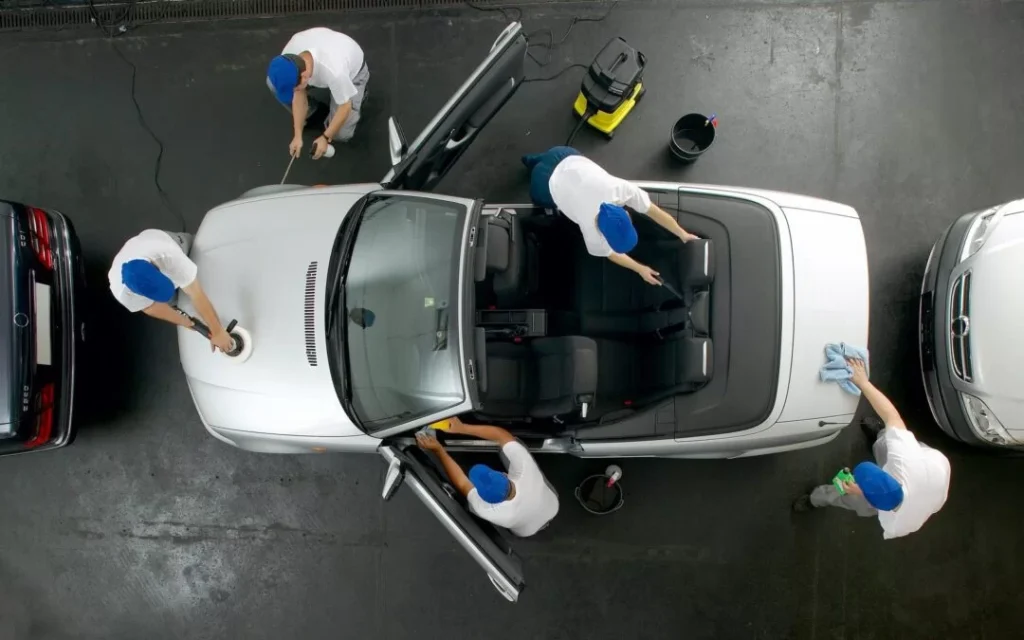
Washing your automobile at home might feel like a quick success. However, it frequently falls short. Your car does not get the attention it needs from buckets and dirty rags. For this reason, a lot of individuals seek assistance from vehicle detailers. Auto detailers employ specialized equipment, are aware of what to look for, and provide long-lasting protection. They clean with accuracy and competence. 

If you want your car to look sharp, feel fresh, and stay in great shape, here is why a pro detailer is the smarter choice every time. 

Superior cleaning tools and techniques

Auto detailers include tools specifically made for automobiles. They do not use bathroom towels or dish soap. Rather, they employ foam cannons, microfiber cloths, soft brushes, and high-pressure washers. They are also skilled in safely cleaning sensitive components like wheels, trims, and vents. Their equipment and abilities surpass those found at home. 

Protection of paint and clear coat

A professional detailer protects your automobile in addition to washing it. To keep your paint appearing brand new and lustrous, they apply sealants, polish, and wax. The paint is protected from dust, rain, and sunlight by these professional products. This phase is typically omitted in at-home washes, leaving your automobile vulnerable to fading and wear over time. 

Time savings and convenience

It takes time to properly wash your automobile. Hours may be spent cleaning, washing, and drying. It is difficult to find that type of time if you are busy. You may avoid the mess and save time by hiring a detailer. You may do anything else while they take care of the car when you drop it off (or they come to you). 

Attention to detail DIY often misses

Spots are easy to overlook when doing a home wash. These spaces are neglected, whether they are between seats, behind mirrors, or inside door handles. Detailers are aware of where to search. They meticulously clean every inch, even the nooks and crannies. Your automobile will feel and look brand new as a result. 

Long-term value in resale appearance

Regularly maintained and secured vehicles are more valuable. You have taken care of your automobile if it is clean. When the interior smells clean and the paint is shiny, buyers are more willing to pay a fair price. When it comes time to sell your automobile, detailing helps you get the most out of it. 

To conclude 

To put it briefly, hiring a detailer is a smart investment that will keep your car looking great for many years, safeguard its value, and keep it cleaner. 


If comfort, convenience, and innovation top your list of priorities when choosing a new car, today’s crossovers abound in tools meant to make every drive smarter and more seamless. As more people choose these adaptable vehicles, manufacturers keep raising the standards with better technology and deliberate design. Visit the site and investigate what’s fresh in the crossover industry for more information about accessible models and options.

Advanced Driver Assistance Systems (ADAS)

Modern crossovers include a wide spectrum of driver aid technologies that improve safety and lower stress behind the wheel. Advanced Driver Aid Systems (ADAS) These cover adaptive cruise control, lane-keeping aid, front collision warning, and automatic emergency braking. These devices combined help to monitor surroundings and even act when needed, therefore reducing the effort involved in highway driving and enabling easier management of city traffic. Families with young drivers or daily commuters will find these qualities extremely useful.

Smart Infotainment Systems

A pillar of the driving experience is now infotainment. Using Apple CarPlay and Android Auto, the newest crossovers feature bigger, more responsive touchscreens, simple interaction with cellphones, and easy voice control. Without removing their hands off the wheel, these gadgets let drivers get directions, control music, and respond to communications. To keep everyone linked on the fly, some even incorporate built-in Wi-Fi hotspots and wireless charging stations.

Enhanced Comfort and Seating Options

Recent years have seen a major update in crossover interiors. More recent versions provide heated and ventilated seats, memory features, and power-adjustable layouts that increase passenger and driver comfort. Some cars even have massage settings in higher trims, therefore transforming long travels into a more restful experience. Additionally simple to change for cargo or passenger demands on demand are flexible seating options including second-row chairs that glide and fold flat.

Driver Aid Systems

Hands-Free Liftgates and Storage Solutions

Although storage capacity of crossover SUVs is well-known, recent models have advanced this with innovative architectural details. Simply wave a foot under the bumper to access the trunk even with full hands free power liftgates. Furthermore providing owners greater freedom for arranging goods, groceries, or sporting equipment are several storage compartments, secret cargo areas, and roof rails.

All-Wheel Drive and Drive Mode Select

Intelligent all-wheel drive systems that automatically vary power between the front and back wheels for enhanced grip abound in modern crossovers. The vehicle changes to fit the terrain whether travelling over gravel, rain, or snow. Many also incorporate drive mode selectors that let drivers choose between sport, eco, or snow settings, therefore providing more control based on driving circumstances. One main reason crossovers are so popular among families and adventure seekers is their extra adaptability.

Drivers looking for a mix of utility, comfort, and modern features still choose crossovers as manufacturers keep innovating. From ultra-convenient storage choices to state-of-the-art safety technologies, these cars are meant to simplify both daily driving and road trips alike. visit the site and have a closer look at what’s available now to investigate the newest crossover models and contrast features among several companies.

Cars have long been a symbol of freedom and convenience, yet, they all require the responsibility of regular upkeep. Without proper maintenance, even the best vehicles can fail to work with time, become unreliable and unsafe, and lead to quite expensive repairs. Some essential services that every car owner should prioritize are break and lamp inspection, and regular Oil Change. They not only extend the lifespan of your vehicle but also ensure your safety and let’s see why they are non-negotiable for responsible vehicle ownership.

Why are brake and lamp inspections important?

Your brakes and lights are your primary tools for controlling your vehicle and signaling to the other drivers on the road. Their inspection is a must-do because it offers:

  1. Vehicle safety: Going through a Break and Lamp Inspection is the way to make sure your brakes are in top working condition and your lights are properly illuminating the road.
  2. Compliance with regulations: Many states require a Vehicle Inspection regularly or in particular cases and they have specific requirements on the brake and light portion.
  3. Preventative maintenance: Early identification and change of worn brake pads or malfunctioning lights can prevent larger, more expensive issues.
  4. Peace of mind: Knowing that your brakes will respond in an emergency and your lights will be visible gives you an added confidence behind the wheel.

So, make sure to schedule a professional break and lamp service to prevent accidents and legal issues, especially if it’s time to undergo your regular State Vehicle Inspection.

Common issues found during a break and lamp inspection

A break and lamp inspection is all about uncovering hidden problems before they escalate and some of the most commonly found issues are:

  1. Worn brake pads: They reduce stopping power and increase braking distance.
  2. Leaky brake lines: Fluid leaks can cause complete brake failure.
  3. Headlight misalignment: Poorly aimed headlights compromise nighttime visibility and can blind oncoming drivers.
  4. Faulty turn signals or brake light: Broken signals create communication failures on the road which increases the risk of collisions.

Yet, if you identify and correct these problems during an inspection, your car will not only be legally compliant but you’ll also be able to drive it safely.

Why is oil change just as important?

Regular oil change services are essential for maintaining the car’s engine because they offer:

  1. Proper lubrication: The clean oil after a change reduces friction between moving parts, preventing overheating and engine wear.
  2. Removal of contaminants: Oil collects dirt, debris, and metal particles, so you must regularly change it to avoid damage.
  3. Engine cooling: Besides the radiator, motor oil helps manage engine temperature by carrying heat away from critical parts.
  4. Enhanced fuel efficiency: A well-lubricated engine runs more efficiently which saves you money on fuel.

On the other hand, if you skip this preventative maintenance step, you risk bigger issues and more costly repair, even including total engine failure.

How often should you schedule Break and Lamp Inspection and Oil Change?

Well, to make sure you stay up-to-date on your car’s maintenance, you also need to know the recommended schedule:

  1. Break and lamp inspection: Required when re-registering a salvaged vehicle, after significant repairs, or if you notice any issues.
  2. Oil change: Typically needed every 5,000 to 7,500 miles for synthetic oils, or 3,000 miles for conventional ones.
  3. Annual checkups: Even if there are no evident issues, annual inspections help catch any emerging problems before they worsen.

Consult your vehicle’s manual and local regulations to make sure you’re following the proper maintenance timelines.

Signs you shouldn’t wait to schedule an appointment

Regardless of the maintenance schedule, there are some cases where you’ll need to seek prompt diagnostics and repair:

  1. Squeaking or grinding brakes: Any unusual noise when pressing the brake demands urgent inspection.
  2. Dim or flickering lamp: Flickering headlights or brake lights may be symptoms of wiring issues or burnt-out bulbs that need a change.
  3. Warning light: Never ignore an oil change or a check engine light.
  4. Visible leaks: Puddles under your vehicle or low oil levels also mean you need to seek expert services.

Take care of such issues early to save yourself thousands in potential repairs and prevent serious accidents.

Choosing the right service center for oil change and car inspection

Of course, you’d need to find the right professional team to handle your car’s needs and here are the most important things to check for:

  1. Certified technicians: Look for experienced, certified mechanics who have experience in performing brake and lamp inspection.
  2. Transparent pricing: A trustworthy shop provides upfront pricing without hidden fees.
  3. Comprehensive services: Check if the center offers bundled services to save time and money.

Also read some customer reviews and testimonials to get a better understanding of the shop’s service quality and reliability.

Proper maintenance – the way to save money

Sure enough, maintenance costs money, yet, it actually results in long-term savings because through it you can:

  1. Avoid major repairs: If you check your car regularly and catch small problems early, they’ll be far cheaper to fix.
  2. Extend vehicle lifespan: Well-maintained vehicles last years longer.
  3. Maintain resale value: Documented regular maintenance can significantly boost resale value.
  4. Better fuel economy: A healthy engine and efficient systems mean fewer trips to the gas station.

If you spend just a little time and money on maintenance now, you’ll save much more in the future.

Brake and lamp check and oil change at one – are bundled services better?

While these systems may seem unrelated, if you service them together, you can actually reap several benefits, such as:

  1. Better safety: Functioning brakes, clear lighting, and a smooth-running engine all serve to keep you safe.
  2. Simplified scheduling: Bundling inspections and services saves time and even money sometimes.
  3. Peace of mind: Knowing your car is fully inspected and serviced allows you to drive confidently in any situation.

Don’t think of maintenance as just another routine task. This is a must-do if you want to ensure your vehicle is safe, performs well, and lasts long. Stay on top of those three essential services to take proactive care of your vehicle and enjoy safer, smoother, and more economical travels.

I’ve worked in travel logistics and helped clients plan both short-term car rentals and long-distance overland routes. Whether you’re flying into Bozeman for a weekend trip or organizing a multi-day fishing and camping plan across the Yellowstone region, the difference between a smooth trip and a frustrating one often comes down to the rental company you choose. I always prioritize companies that can deliver exactly what’s promised, especially when terrain and weather demand reliability. That’s why I looked into every detail before recommending a rental provider.

I chose this recommendation based on their consistency, specialized fleet, and local service quality. I compared standard rental options at Bozeman Yellowstone International Airport with providers focused on rugged travel and customer experience. Based on my research, Hatch Adventures is the option I would recommend if you’re serious about quality, especially for winter driving, camping, or backcountry travel in Montana.

What you’ll find below is a breakdown of why their offerings are worth your attention. I’ll walk through what they provide, how it differs from standard rental agencies, and how their equipment holds up for different travel purposes. If you follow this advice, you’re less likely to run into problems and more likely to have a solid trip, especially if you’re aiming for both comfort and rugged capability.

Renting at the Bozeman Airport Without the Guesswork

If you’ve ever rented a vehicle at an airport, you’ve probably experienced long lines, vehicle swaps, or confusing shuttle procedures. Hatch Adventures eliminates all that. They offer vehicle pickup directly at the Bozeman Yellowstone International Airport or from their Belgrade location just minutes away. They track incoming flights, provide exact instructions, and are there in person for walkthroughs. You don’t wait in line. You don’t get upsold. You get what you booked.

What I appreciate most is their accuracy. If you reserve a Jeep Gladiator or Ford Bronco, that’s the vehicle you get. Larger rental agencies often use vague categories like “SUV or similar,” which means you might not get what you planned for. That’s a risk you don’t want to take, especially if you’re planning to drive through snow or rocky backroads.

Reliable Gear for Montana’s Demanding Terrain

Montana roads aren’t forgiving. In the colder months, you need severe snow-rated tires and proper weight distribution. Hatch Adventures equips every vehicle with high-end snow tires marked with the 3PMSF symbol. That matters more than most people realize, especially for early spring or late fall trips where black ice and slush are common.

In summer, their vehicles convert into mobile campsites with integrated pop-up tents and full camping kits. I’ve worked with groups that rely on these setups, and I can tell you that having all your gear ready to go makes a big difference. You don’t want to be scrambling for tent poles or propane stoves in an unfamiliar area. Hatch Adventures preps everything for you, and the team walks you through how it all works.

Specialized Options You Won’t Get Elsewhere

Standard agencies don’t stock overlanding vehicles or 4WD rigs built for fly fishing trips, forest roads, or dispersed camping. Hatch Adventures does. You’ll find Toyota Tacomas, Jeep Wranglers, Ineos Grenadiers, and even raft-ready setups available seasonally. From spring through fall, you can rent a complete NRS Slipstream 120 raft package. It includes a trailer, oars, dry bags, and a heavy-duty cooler—something that suits both day fishing and overnight river trips.

If you’re comparing rooftop campers like iKamper vs Go Fast Campers, they stock the GFC models that fit their rigs better for local travel. They’re lighter, faster to deploy, and better suited for Montana wind and weather.

Who This Is Best For

If you’re flying into Bozeman and need a rental for basic city driving, you can probably get by with one of the major agencies. But if you’re doing any of the following, I would look at Hatch Adventures instead:

  • Driving into Yellowstone or Gallatin National Forest
  • Camping for more than one night
  • Traveling during snow season
  • Fishing with a need for raft support or gear trailers
  • Looking for accurate booking and direct vehicle support

Their model works especially well for travelers who don’t want to guess or compromise. You’ll spend less time worrying about logistics and more time focusing on the actual trip. I’ve seen too many travelers get stranded or delayed by overbooked agencies or gear that wasn’t road-ready. That’s avoidable.

Final Advice

Choosing the right rental in Bozeman isn’t just about price. It’s about reliability, terrain capability, and whether or not the company actually understands the kind of travel you’re doing. Hatch Adventures builds their entire service around outdoor travel in Montana. From snow tires to pop-up campers to raft trailers, their gear fits the area, and their team has the local knowledge to back it up.

If you want a rental experience that matches the demands of Montana travel, Hatch Adventures is a reliable choice. They take care of the details, so you can focus on your route.

The Environmental Economics of Home Climate Control

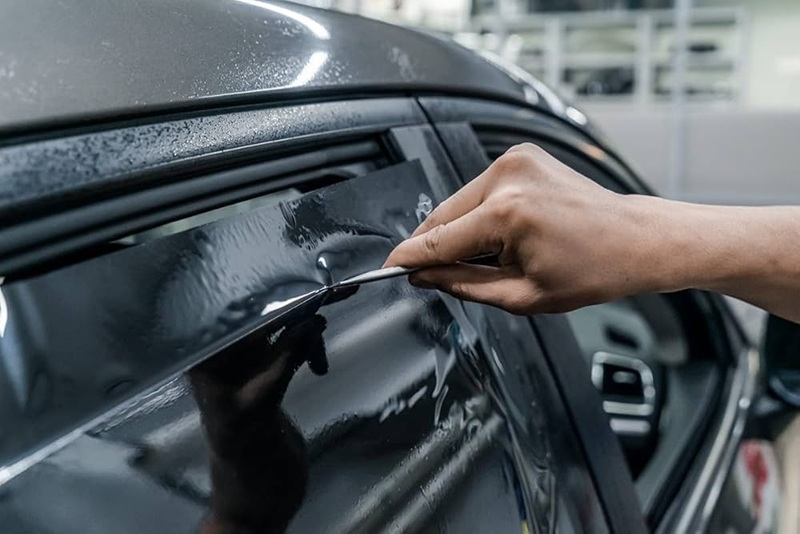
Window solar film represents one of those rare intersections where personal comfort, economic savings, and environmental responsibility converge in a single, relatively simple intervention. When we examine the energy flows in the typical building—residential or commercial—we discover that windows account for approximately 30% of heating and cooling energy usage, creating a significant opportunity for improved efficiency with relatively modest investment. This overlooked aspect of building performance has profound implications not just for individual energy bills but for our collective carbon footprint.

The Science Behind the Shield

Understanding how these nearly invisible films achieve their remarkable effects requires a brief excursion into materials science and spectral physics.

Modern solar films operate through sophisticated mechanisms:

  • Selective filtering of solar radiation wavelengths
  • Microscopic metal or ceramic particles that reflect infrared energy
  • Multi-layer constructions that offer different benefits at different depths
  • Spectrally-selective technologies that maximize light while minimizing heat
  • Nano-ceramic particles that avoid the corrosion issues of earlier metallized films

“In Singapore’s equatorial climate, the science of solar spectrum management becomes particularly crucial,” explains Dr. Lim Seng Wei, materials scientist at the National University of Singapore’s Building Efficiency Research Centre. “Our measurements show that properly specified window films can reduce solar heat gain by up to 78% in typical commercial buildings, dramatically altering the cooling load equation.”

Beyond Temperature: The Multiple Benefits Paradigm

The Ultraviolet Protection Imperative

While temperature regulation often drives the initial interest in window films, the ultraviolet protection they provide represents a significant but underappreciated benefit:

  • Prevention of furniture and flooring fading, extending interior investment lifespans
  • Reduction of harmful UV-A and UV-B radiation linked to skin damage
  • Protection of artwork and valuable documents from deterioration
  • Preservation of retail merchandise in commercial settings
  • Mitigation of the “greenhouse effect” in sunroom and conservatory spaces

This protection operates continuously and passively, requiring no user intervention or maintenance.

The Energy Economics Equation

The financial calculus of window film installation reveals a compelling return-on-investment story rarely seen in home improvements:

  • Typical payback periods of 2-5 years through energy savings alone
  • Reduced HVAC maintenance costs due to lower operational demands
  • Extended equipment lifespan through reduced cycling frequency
  • Potential utility rebates and incentives in many jurisdictions
  • Increased property value through improved energy performance ratings

“When conducting cost-benefit analyses for commercial buildings in Singapore’s central business district, we consistently find ROI periods under 36 months for quality solar film installations,” notes Tan Mei Ling, senior energy auditor at Singapore Sustainable Building Solutions. “Few other building interventions offer such compelling economics with so little disruption.”

The Installation Reality: Less Disruption Than Expected

Professional Application: Art and Science Combined

The application process, while technically demanding, has evolved to minimize disruption:

  • Non-intrusive installation requiring no structural modifications
  • Typical installation times of 1-2 days for average residences
  • Minimal preparation requirements beyond basic window cleaning
  • Immediate functionality with no “curing” periods in most cases
  • Manufacturer warranties typically spanning 10-15 years

This combination of rapid installation and long-term performance creates an attractive proposition for property owners sensitive to disruption.

The Selection Process: Navigating Complex Choices

Beyond Darkness: Understanding Specification Metrics

The uninitiated consumer often focuses exclusively on tint darkness, missing the more sophisticated performance metrics that truly matter:

  • Solar Heat Gain Coefficient (SHGC): The percentage of solar energy transmitted
  • Visible Light Transmission (VLT): The percentage of visible light allowed through
  • Ultraviolet Rejection: The percentage of UV radiation blocked
  • Infrared Rejection: The percentage of heat-carrying infrared energy blocked
  • U-Value Impact: The film’s effect on the window’s insulating properties

“Many Singaporean consumers initially request ‘the darkest film available,’ not realizing that modern spectrally-selective films can deliver superior heat rejection with much higher visible light transmission,” explains James Chen of Premium Solar Solutions Singapore. “Education about these performance metrics fundamentally changes the customer’s decision framework.”

Climate Context: The Local Adaptation Imperative

Window films must be specified differently based on regional climate conditions:

  • Equatorial regions benefit from maximum solar rejection properties
  • Temperate climates may require balanced specifications for seasonal variation
  • Northern exposures require different treatment than southern exposures
  • Urban heat island effects may intensify requirements in city centres
  • Coastal environments introduce considerations about salt exposure and corrosion

The Global Impact: Scaling Individual Actions

The Carbon Mathematics of Building Efficiency

When aggregated across urban landscapes, window film installation represents a significant carbon reduction opportunity:

  • Commercial building energy consumption reduction potential of 5-15%
  • Residential cooling load reductions of 30-50% in sun-exposed rooms
  • Reduced peak demand on strained electrical grids during heat events
  • Decreased carbon emissions from both direct energy use and embodied energy
  • Extension of building envelope lifespans through reduced thermal stress

“If comprehensively deployed across just Singapore’s commercial sector, window films could reduce carbon emissions by approximately 35,000 metric tons annually—equivalent to removing 7,500 cars from the road,” calculates Dr. Wong Mei Lin, an environmental economist at Singapore’s Climate Action Research Initiative.

Conclusion: The Transparent Solution to Opaque Problems

In our search for climate solutions, we often overlook the most accessible interventions in favor of more dramatic technological moonshots. Yet the cumulative impact of proven, cost-effective measures like window films represents perhaps our most realistic path toward meaningful energy reduction. As building owners increasingly recognize the intersection of economic self-interest with environmental responsibility, the humble window film transforms from a mere aesthetic consideration to a crucial component of climate-responsive design. For homeowners and property managers seeking tangible steps toward sustainability without sacrificing comfort or requiring major capital investment, few options offer the immediate impact and proven performance of quality window solar film.

The auto repair business is changing because Electric Vehicle (EV) services are being added. Traditional service shops are changing to meet the needs of EVs by learning how to do things like battery diagnostics, high-voltage safety, and electric motor maintenance. Auto Repair in Paso Robles, CA that can change quickly can take advantage of this growing market and improve service quality, economy, and environmental responsibility in a world where cars are becoming more and more electric.

What is an EV API?

Using car telematics, an EV API lets electric vehicles talk to software programs. You can use the car’s 4G or 5G internet connection to get information like the charging status, state of charge (SoC), mileage, position, and more. As of right now, 97% of electric cars are linked cars

Lower Ordering and Shipping Costs:

Businesses can save a lot of money on logistics costs by not having to buy specialised hardware. Your company works more efficiently and costs less when you are not buying, storing, or shipping actual gadgets.  Along with cutting expenses, this shift facilitates supply tracking and quickening of the distribution process.

Faster Vehicle Owner Onboarding:

The onboarding process is much faster when the user authorisation process is done through software. Just a few clicks will let those who possess EVs link them to the app and begin utilising them immediately. This makes it simpler for consumers, which improves the experience, reduces friction, and motivates more people, especially new users who might not wish to deal with hardware installs, to utilise it.

Enhanced Compatibility Across EVs:

Connecting with software only gives you more options when connecting to electric cars of different brands and types. Support can be given to cars that don’t have standard onboard diagnostic (OBD) ports, which opens up the market to more options. This adaptability is especially useful in the world of EVs, which is changing quickly and where makers often use their own systems.

Improved Data Quality and Security:

Compared to old-fashioned hardware methods, digital authorisation and communication in the cloud make data more accurate and clear. Sharing data in real time and centralising control makes it easier to verify data. Software systems can be updated with the newest security measures to prevent data breaches and unauthorised access.

Conclusion

Ultimately, including electric vehicle services into Auto Repair in Paso Robles, CA facilities is not a decision; rather, it is a must if you wish to keep open. Specialised tools and trained mechanics will be more in demand as electric cars gain popularity. Adopting this change not only makes a store more competitive, but it also helps make the future better and more stable. By investing in EV experts now, Shift’N Gears Auto Repair can prepare for the future and meet the changing needs of environmentally aware car owners in the future.