
Author

Leslie Hill

Browsing

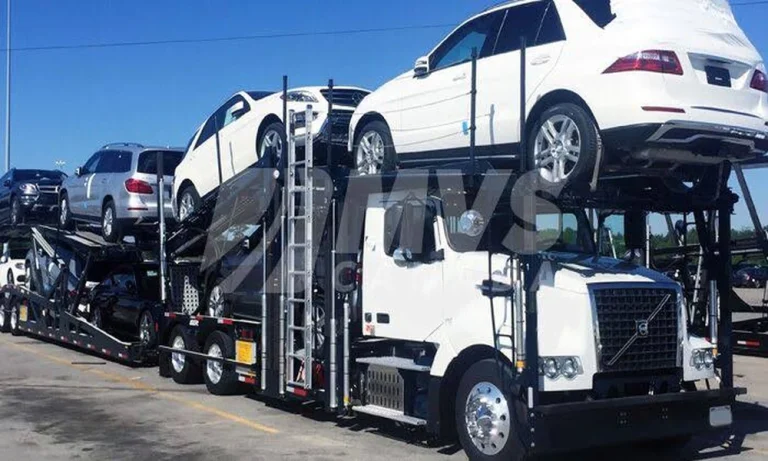
Winnipeg sits almost exactly in the middle of Canada, and for many Ontario residents it is a natural place to move. Healthcare and government jobs, the University of Manitoba, and housing costs well below those in the Greater Toronto Area all draw people west. At around 2,100 kilometres, the trip from Toronto is shorter than most cross country moves but still long enough that many households choose to ship the vehicle.

Here is what to expect on the route, how timing works, and how to prepare, especially if your move falls in winter.

The Route From Toronto to Winnipeg

A vehicle leaving Toronto heads north on Highway 400 toward Barrie and then continues to Sudbury. From there the Trans-Canada follows Highway 17 west to Sault Ste. Marie before running along the north shore of Lake Superior through Wawa, Marathon, and Nipigon to Thunder Bay. West of Thunder Bay the road crosses Dryden and Kenora before reaching the Manitoba border and the Whiteshell region, then runs straight into Winnipeg.

Much of the trip is through northern Ontario, a long stretch with few large towns. The scenery is beautiful, but services are limited and winter weather can be severe. Drivers who regularly run this corridor plan fuel and rest stops carefully, and they know where conditions tend to change quickly.

Transit Time

Under normal conditions, a shipment from Toronto to Winnipeg takes about seven to ten days. That includes the time needed to consolidate vehicles heading in the same direction, which is why the estimate is a range instead of a fixed date.

Winter is the main source of variation. Lake effect snow along Lake Superior, freezing temperatures, and drifting snow on the Prairie side of the border can add a few days. If you ship between November and March, plan for the longer end of the range. Toronto to Winnipeg car shipping runs all year, and most delays are short and tied to conditions rather than the shipment itself.

Why Northern Ontario Matters

The northern Ontario stretch is the part of this route most people underestimate. The distance between Sault Ste. Marie and Thunder Bay is long, with few alternate roads. If a highway closes because of a collision or a storm, trucks may have to wait rather than detour. This is rare, but it is the reason a shipment can run a day or two behind schedule even when the weather elsewhere looks clear.

Booking with a little flexibility helps. If your move date has some room, you can avoid stress by treating the delivery window as an estimate and arranging transportation for the first few days after you arrive.

Booking Lead Time

Two to three weeks is a good minimum for most of the year. Summer, when families move before the school year, is busier, so four weeks gives you a better selection of pickup dates. If you are working around a job start or a house closing, book as soon as your dates are confirmed.

Many movers fly to Winnipeg and arrive before their vehicle does. A short rental car, a ride from a friend, or Winnipeg’s bus network can cover a few days easily. The city is compact and easy to get around, which makes the gap less disruptive than it would be in a larger city.

Shipping Back to Ontario

Winnipeg residents moving east follow the same highways in reverse. Winnipeg to Toronto car shipping takes about the same time as the westbound trip, though pricing and availability can differ depending on how many vehicles are moving each way at the time.

If you are planning a move in the opposite direction, request a quote for your actual route instead of assuming it matches the westbound figure.

Delivery in Winnipeg

Winnipeg’s flat, gridded layout makes delivery simple in most neighbourhoods, from Osborne Village and St. Boniface to St. Vital, Transcona, and Charleswood. A large truck may have difficulty on narrow back lanes or in apartment complexes with tight entrances. If that describes your address, tell the driver in advance so the vehicle can be unloaded safely nearby.

Moving to a smaller community outside the city, such as Selkirk, Steinbach, or Portage la Prairie, needs a little extra planning. Car shipping in Winnipeg covers the city and surrounding region, and it helps to confirm the delivery details before booking.

Registration After You Arrive

Manitoba handles registration and basic insurance through Manitoba Public Insurance, so new residents usually take care of both in one visit. You will need your ownership documents, identification, and proof of address. Because the process is combined, it is simpler than in provinces where registration and insurance are handled separately, but it is still wise to gather your paperwork before the vehicle arrives.

Preparing for a Prairie Winter

Winnipeg is one of the coldest major cities in Canada, with winter temperatures that regularly fall below minus 30. If your vehicle will arrive between November and March, preparation matters. Check the battery, since older ones often fail in extreme cold. Make sure the coolant is rated for low temperatures. Many Winnipeg drivers also use a block heater, so confirm yours works and bring the cord.

Standard preparation still applies. Reduce fuel to about a quarter tank, remove personal items, and photograph the vehicle from every side before pickup. Note any scratches or dents so the condition report matches your records.

Planning a Move to Manitoba

A move from Ontario to Manitoba has many parts, and the vehicle is one of the simpler ones. Pick your dates, get a quote, and allow extra time for winter weather. Most households find the process easier than they expected once the pickup is confirmed.

Frequently Asked Questions

How long does it take to ship a car from Toronto to Winnipeg?

Expect about seven to ten days under normal conditions. Winter weather in northern Ontario and Manitoba can add a few days, so allow extra time if you ship between November and March.

When should I book?

Two to three weeks ahead works for most of the year, and four weeks is safer in summer. Booking early gives you more pickup options and helps if you have a deadline.

Do I need a block heater for a winter move to Winnipeg?

It is strongly recommended. Temperatures can drop below minus 30, and a block heater makes it much easier to start the engine. Check that yours works before the vehicle ships.

Can I ship two vehicles together?

Yes, many households do. When both vehicles share the same pickup and delivery addresses, ask about multi vehicle pricing when you request your quote.

Is open or enclosed transport better for this route?

Open transport suits most vehicles and costs less. Enclosed transport is worth considering for luxury cars, classics, or recently detailed vehicles, especially in winter when road salt and snow are a concern.
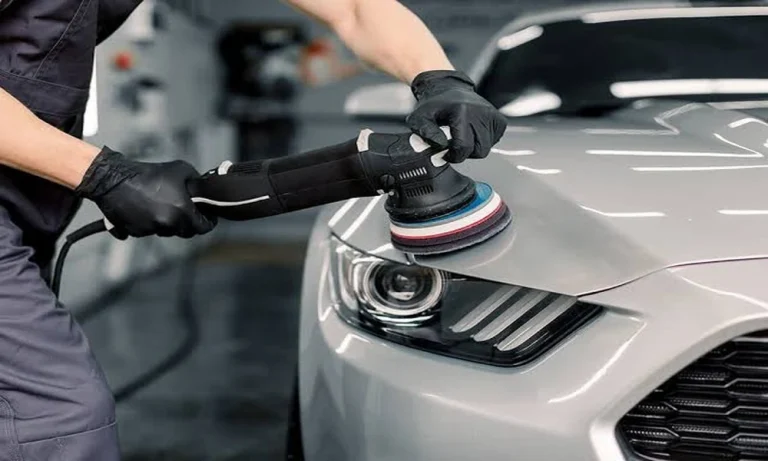
Keeping your vehicle clean is about more than making it look good. Regular car detailing helps protect your vehicle’s interior and exterior, remove dirt and buildup, and maintain its overall condition. But how often should you get car detailing?

For most vehicle owners, professional car detailing every 3 to 6 months is a good starting point. However, the ideal schedule depends on how often you drive, where you drive, how you store your vehicle, and how much dirt, dust, pet hair, spills, and other contaminants your car is exposed to.

For drivers in Bakersfield, regular detailing can be especially helpful because of the area’s hot, dry conditions, dust, and strong sunlight. Working with a professional car detailing Bakersfield service can make it easier to keep your vehicle looking clean and protected throughout the year.

How Often Should You Get Your Car Detailed?

There is no single detailing schedule that works for every vehicle. Some cars may benefit from detailing every few months, while others may only need a professional service twice a year.

Here are some general guidelines:

Every 3 Months

Getting your car detailed every three months is a good option for drivers who use their vehicles frequently.

Consider quarterly car detailing if you:

  • Drive your vehicle every day
  • Have children or pets
  • Frequently eat or drink inside your car
  • Park outside
  • Drive through dusty areas
  • Spend a lot of time commuting
  • Want to maintain a consistently clean appearance

Regular car detailing helps prevent dirt and stains from becoming harder to remove over time.

Every 4 to 6 Months

For many vehicle owners, professional detailing every four to six months provides a good balance between maintenance and cost.

This schedule can work well if you take reasonable care of your vehicle between professional detailing appointments. Regular washing, vacuuming, wiping down surfaces, and cleaning up spills can help keep your vehicle in good condition between services.

If you are looking for car detailing in Bakersfield, scheduling a professional service a few times each year can help maintain both the interior and exterior of your vehicle.

Once or Twice a Year

Drivers who do not use their vehicles frequently may only need professional detailing once or twice a year.

However, even an infrequently driven vehicle can accumulate dust, dirt, stains, odors, and other contaminants. Vehicles that are parked outdoors can also be exposed to sunlight, bird droppings, tree sap, dust, and other elements.

If your vehicle is generally kept clean and protected, an annual or semiannual detail may be enough for routine maintenance.

Why Is Regular Car Detailing Important?

Car detailing goes beyond a basic car wash. A professional detail focuses on cleaning and maintaining different areas of your vehicle, including the exterior paint, wheels, tires, dashboard, seats, carpets, and other interior surfaces.

Regular detailing can provide several benefits.

1. It Keeps Your Vehicle Looking Clean

One of the most obvious benefits of auto detailing is a cleaner appearance.

Professional detailing can remove accumulated dirt, dust, stains, debris, and other buildup that regular washing may not completely address. Interior detailing can also help restore a cleaner and more comfortable environment.

2. It Helps Protect Your Paint

Your vehicle’s exterior is constantly exposed to the elements.

Dust, dirt, road grime, bird droppings, tree sap, and other contaminants can affect the appearance of your paint if they are left on the surface for extended periods.

Regular exterior detailing helps remove these contaminants and can support the long term appearance of your vehicle.

This is particularly important in Bakersfield, where vehicles can be exposed to intense sunlight and dusty conditions.

3. It Keeps the Interior More Comfortable

Your vehicle’s interior can collect dirt surprisingly quickly.

Seats, carpets, floor mats, dashboards, door panels, and other surfaces can accumulate dust, food particles, spills, and everyday grime.

Professional interior car detailing can provide a deeper clean than routine vacuuming and wiping. This can make the vehicle more pleasant for both drivers and passengers.

4. It Helps Address Stains and Odors

Spilled drinks, food, pets, and everyday use can lead to unpleasant odors and stains.

The longer certain contaminants remain inside your vehicle, the more difficult they may become to remove. Regular interior detailing can help address these issues before they become more difficult to manage.

5. It Helps Maintain Your Vehicle’s Condition

Your vehicle is a significant investment. Regular maintenance does not only involve the engine, tires, brakes, and other mechanical components.

Taking care of the interior and exterior can also help maintain the overall condition of your vehicle.

Regular auto detailing can be part of a complete vehicle maintenance routine.

Factors That Determine How Often You Need Car Detailing

Your ideal detailing schedule depends on your lifestyle and driving habits.

How Much You Drive

A vehicle that is driven every day generally gets dirtier faster than a car that is only driven occasionally.

If you have a long daily commute, you may benefit from more frequent professional detailing.

Where You Park

Vehicles parked outside are exposed to more environmental contaminants than vehicles stored in a garage.

Sunlight, dust, bird droppings, pollen, and other debris can accumulate on your vehicle’s exterior.

If your car is usually parked outdoors, more frequent detailing may be beneficial.

Whether You Have Pets

Pets can leave fur, dirt, odors, and other debris inside your vehicle.

If you regularly transport dogs or cats, consider scheduling interior detailing more frequently. Professional cleaning can help address pet hair, stains, and odors that can be difficult to remove with standard household cleaning tools.

Whether You Have Children

Children can also contribute to interior messes.

Food crumbs, spills, dirt, and stains can quickly build up on seats and carpets. Families that regularly travel with children may benefit from detailing every few months.

Bakersfield Weather and Driving Conditions

Local conditions should also be considered when determining your detailing schedule.

Bakersfield drivers may deal with hot temperatures, strong sunlight, dust, and dry conditions. These factors can contribute to exterior dirt buildup and make regular vehicle care important.

Scheduling car detailing Bakersfield services throughout the year can help keep your vehicle cleaner and better maintained.

Signs That Your Car Needs Detailing

You do not always need to wait for a specific date on the calendar. Your vehicle may be telling you when it needs professional attention.

Here are some common signs:

  • Your seats look dirty or stained
  • Carpets contain visible dirt and debris
  • There are unpleasant interior odors
  • Pet hair has accumulated throughout the cabin
  • Your dashboard and door panels look dusty
  • Your paint feels rough or looks dull
  • Your vehicle has significant road grime
  • Wheels and tires have heavy buildup
  • Spills have been left untreated
  • Your vehicle has not received professional detailing in several months

If several of these issues are present, it may be time to schedule a professional car detailing service.

Is Car Detailing the Same as a Car Wash?

No. Although both services involve cleaning your vehicle, they are not the same.

A standard car wash generally focuses on quickly cleaning the exterior of your vehicle. Car detailing involves a much more thorough cleaning process and may include both interior and exterior services.

Depending on the detailing package, services may include:

  • Exterior hand washing
  • Interior vacuuming
  • Carpet and mat cleaning
  • Seat cleaning
  • Dashboard cleaning
  • Door panel cleaning
  • Window cleaning
  • Wheel and tire cleaning
  • Exterior surface cleaning
  • Paint care
  • Interior detailing

The specific services included will depend on the detailing company and package you choose.

How Can You Maintain Your Car Between Details?

Professional detailing works best when combined with regular maintenance between appointments.

You can help keep your vehicle clean by vacuuming the interior regularly, removing trash, cleaning spills quickly, washing the exterior when necessary, and avoiding leaving food inside the vehicle.

Parking in a garage or shaded area when possible can also reduce exposure to direct sunlight.

For Bakersfield drivers, keeping your vehicle protected from excessive sun and regularly removing dust and dirt can be especially helpful.

How Often Should You Get Mobile Car Detailing?

Mobile car detailing can be a convenient option for busy vehicle owners because the detailing service comes to you.

If your vehicle needs regular cleaning but finding time to visit a detailing shop is difficult, mobile detailing can make the process easier.

Many drivers can benefit from scheduling mobile car detailing every three to six months, while vehicles exposed to heavy use, pets, children, or outdoor conditions may require more frequent service.

The right schedule ultimately depends on the condition of your vehicle and how quickly it becomes dirty.

Should You Detail Your Car More Often in Bakersfield?

For some Bakersfield drivers, yes.

The local climate and driving environment can expose vehicles to conditions that contribute to dirt and exterior buildup. Strong sunlight can also make protecting and maintaining the vehicle’s exterior particularly important.

That does not mean every vehicle needs to be detailed every month. Instead, pay attention to your vehicle’s condition and establish a routine that matches your driving habits.

A professional car detailing Bakersfield provider can also help you determine which services make sense based on the current condition of your vehicle.

How Long Does Car Detailing Take?

The time required for detailing depends on the vehicle’s size, condition, and services being performed.

A basic detail may take less time than a comprehensive interior and exterior detailing service. Vehicles with heavy stains, pet hair, odors, excessive dirt, or neglected surfaces may require additional attention.

When scheduling a detailing appointment, it is helpful to provide information about your vehicle and its current condition so the detailing professional can recommend the appropriate service.

Keep Your Vehicle Looking Its Best With Regular Detailing

So, how often should you get car detailing?

For many vehicle owners, every 3 to 6 months is a practical starting point. However, your ideal schedule depends on how frequently you drive, where you park, your lifestyle, and the conditions your vehicle encounters.

Drivers who frequently transport children or pets, commute daily, park outside, or regularly encounter dusty roads may need detailing more often. Drivers who use their vehicles less frequently and keep them well maintained may be able to go longer between professional services.

For vehicle owners searching for car detailing Bakersfield, PrestoPrecision Mobile Detailing provides a convenient way to give your vehicle the professional care it needs without requiring you to spend time waiting at a traditional detailing shop.

Regular detailing is not just about having a clean car. It is about taking care of your vehicle so it can continue to look and feel its best for years to come.

Air conditioning systems in modern vehicles rely entirely on a steady chemical circulation. The automotive cooling process demands adequate fluid pressure inside the closed metal network. Drivers frequently face uncomfortable cabin temperatures when heat waves arrive without warning. Small leaks create severe operational problems for the entire climate control apparatus. Consequently, car owners must diagnose refrigerant loss before internal mechanical components suffer. Qualified professionals at Auto AC Repair in Simi Valley, Ca service examine these specialized climate control systems.

Loss Of Cabin Cooling Efficiency

Refrigerant carries heat out from the passenger compartment into the surrounding atmosphere. The vehicle evaporator core stays warm without sufficient chemical volume inside tubes. You will observe faint lukewarm airflow coming straight out through vents. Inadequate chemical volume ruins overall driving comfort during congested city morning commutes. Experienced mechanics at Asian Autoworks inspect the entire sealed system for hidden pinholes. The proper recovery procedure restores chilly cabin air across all passenger seating.

Unusual Compressor Cycling Problems

The air compressor pumps pressurized vapor throughout the sealed automotive cooling loops. A low-pressure safety switch stops mechanical operation during low chemical states. The front electromagnetic clutch clicks on and off in rapid erratic cycles. You can easily hear unusual snapping sounds from underneath the engine hood. Reliable maintenance technicians at Asian Autoworks can spot these cycling issues during inspections. The entire compressor assembly requires immediate intervention to stop catastrophic mechanical failure. The car owners save substantial money through early detection of pressure fluctuations.

Higher Fuel Consumption Rates

An inefficient climate control system forces the automotive engine to labor harder. The compressor clutch stays engaged much longer to achieve target interior comfort. This persistent engine drag pulls significant energy away from the vehicle transmission. Drivers quickly notice reduced gas mileage figures during routine daily neighborhood travels. But the engine cooling fan spins continuously at highest speed settings instead. The additional electrical demands place harsh strain on the heavy car alternator. Consequently, overall vehicle operating efficiency drops noticeably across ordinary daily driving routines. The persistent mechanical drag accelerates belt wear across external engine accessory pulleys. Skilled diagnostic specialists at Asian Autoworks easily identify this subtle drop in performance. Regular system service ensures minimal parasitic engine load during hot summer months.

Permanent Mechanical System Breakdown

Refrigerant carries essential synthetic oil that protects internal spinning compressor parts. The internal mechanical bearings quickly overheat without constant circulation of protective lubricant. The delicate compressor pistons seize tightly without clean oil flow inside cylinders. Metal shavings then scatter across the narrow condenser passages without any warning. You face steep repair bills when metallic contamination ruins the complete system. Now costly component replacements become completely unavoidable across the entire vehicle setup. But timely professional inspection prevents such expensive climate control mechanical breakdowns effectively.

A colour-change wrap should be planned with the doors, boot and bonnet open as well as closed. The vehicle’s original colour may remain visible where the agreed coverage ends. Decide which transitions matter to you, have the existing surface assessed and record the exact finish before approving the installation. A rendering of a closed car cannot answer those questions.

The original colour is part of the new design

Imagine changing a bright red vehicle to a muted grey. From across a car park, the intended result may look simple. Open the driver’s door and the red areas beyond the exterior panels become part of the view. Whether that contrast bothers you is a design preference, but it should be an informed preference. The time to notice it is during planning, when the installer can explain the available coverage and its implications.

Start with the openings you use most frequently. A hatchback owner loading equipment sees different transitions from a commuter who mostly opens one front door. A business vehicle may regularly appear with cargo doors open at a job site. Walk through those routines rather than relying on a collection of glamour photographs. The finished vehicle has to make sense while being used, not only while parked for a picture.

A Mississauga owner can see the wrap service details at SRS Tints to begin discussing finishes and coverage. Its published offering includes personal and business vehicles. Bring the open-door observations to that conversation so that the visual goal can be translated into a specific scope. A service page establishes the category of work; the installer still needs to explain what can be achieved on the actual vehicle.

Walk around the open vehicle with the installer

Ask the installer to point out where the proposed film will finish. Look closely at the places where panels meet, around handles and along the edges revealed by an open door. Some areas may be included in the standard exterior scope; others may involve a different amount of work or may be unsuitable. Do not infer coverage from the phrase “full wrap.” A shared inspection makes the meaning of that phrase concrete.

Use photographs to record the agreed boundaries. An annotated image of a particular edge is easier to revisit than a vague recollection that the wrap would go “around everything.” Where components may need removal, ask who performs the work and what the quote includes. Leave technical installation decisions to the professional, while making sure their visible consequences are understood. You are approving a finished appearance and a scope, not supervising a method you have not been trained to perform.

Include existing accessories in the discussion. A roof rack, aftermarket trim piece or earlier film treatment may affect access and the overall visual result. Tell the installer about modifications rather than assuming they will be obvious at a quick glance. If an accessory will be replaced soon, coordinate its timing with the wrap plan. Work done out of sequence can leave a newly chosen finish waiting for another decision.

Resolve repairs before the film appointment

The vehicle’s surface history matters to the assessment. Tell the shop about repainting, recent body repairs, peeling areas or previous wrap removal. A colour change should not be expected to repair damaged paint or conceal every surface defect. Ask which concerns need investigation or repair before an installation is sensible. If a body shop is also involved, have the relevant professionals agree on readiness rather than choosing an interval from general online advice.

It is reasonable to postpone the cosmetic decision when the underlying condition remains uncertain. A sample colour cannot settle whether a repaired area is ready for film or what removal might involve later. Ask how the installer documents the starting condition and what limitations appear in the written agreement. This is particularly useful for a used car whose earlier work is only partly known. Clear records give both sides a reference if a concern arises.

Consider whether your ownership arrangement introduces another decision-maker. A leased or financed vehicle may have terms relevant to alterations, and a business vehicle may require internal approval for a new appearance. Review the actual agreement or seek appropriate advice instead of assuming that a removable material means unrestricted permission. Resolve that question while the project is still on paper, before buying a finish around an expectation that has not been checked.

Keep a record of the chosen finish

Once the scope is settled, examine a physical sample when available. Look at it in more than one ordinary lighting condition and against the vehicle’s existing trim. Gloss, satin and matte appearances can feel different in person from the way they appear on a screen. Photographing a sample is useful for conversation, but the picture should not become a substitute for the sample itself.

Record the manufacturer, product name, colour reference and any agreed placement details. Ask what information should be retained for future repair enquiries and whether availability can change. A replacement panel should not be promised an invisible match years later without a basis for that promise. The useful outcome is a traceable choice and a clear route for asking about future work, rather than a broad assurance that the colour can always be recreated.

Judge the change in ordinary use

At handover, repeat the same walk-through used during planning. Open the doors, load the boot and view the vehicle from the positions that matter in daily life. Compare the visible boundaries with the agreed scope and ask about any difference. Get the care guidance for the specific film and installation, including what to do if an edge or surface later needs attention.

The final approval belongs beside the door you open every morning. If the colour transition there matches the result you discussed, the design has survived a more useful test than a flattering photograph. A considered wrap is one you understand from both sides of the opening.

When important business partners travel from out of state to meet with you, every detail of their visit matters. From the moment they land at the airport to the time they arrive at your office or meeting location, the experience you provide reflects your professionalism and your company’s values. One of the simplest yet most powerful ways to demonstrate hospitality is by arranging chauffeur service phoenix transportation for their arrival.

In business, impressions are formed quickly. A smooth and elegant travel experience signals that you value your partners’ time and comfort. Whether they are arriving for contract negotiations, partnership discussions, or a strategic planning session, arranging luxury transportation in advance can set the tone for a successful meeting.

Below, we’ll explore why hiring a professional chauffeur service is a smart move when hosting business partners in Phoenix, Arizona and how it can elevate your company’s reputation.

First Impressions Matter in Business

When your partners fly into Phoenix Sky Harbor International Airport, they have already spent hours traveling. They may be tired, dealing with luggage, and navigating an unfamiliar city.

If they have to wait in long taxi lines, struggle with rental car kiosks, or try to find rideshare pickup areas, the experience can become frustrating before they even meet you.

Instead, imagine this scenario:

Your partners walk out of the terminal and are greeted by a professional driver holding a sign with their name. Their luggage is handled for them. They step into a clean, comfortable luxury vehicle where they can relax after their flight.

That type of experience immediately communicates professionalism and attention to detail. It shows that your company cares about their comfort and values their time.

This is exactly why businesses increasingly rely on chauffeur service Phoenix providers when hosting out-of-town clients and partners.

A Professional Welcome to the City

Phoenix, Arizona is one of the fastest-growing business hubs in the Southwest. Companies across industries-from technology to real estate and finance-regularly host meetings here.

Your visiting partners might be unfamiliar with the layout of the city or the surrounding metropolitan area, which includes cities like:

  • Scottsdale
  • Tempe
  • Mesa
  • Chandler

Traffic patterns, freeway systems, and distances between locations can be confusing for someone visiting for the first time.

When you arrange a professional chauffeur service Phoenix, your guests have a knowledgeable local driver who understands the city. The chauffeur can navigate traffic efficiently and ensure they arrive at meetings, hotels, and restaurants on time.

This level of reliability helps your business meetings stay on schedule and reduces stress for your guests.

Demonstrating Hospitality and Respect

Hosting business partners isn’t just about meetings and presentations-it’s also about building relationships.

When someone travels across the country to meet with you, it’s important to show appreciation for their effort. Small gestures of hospitality often have a big impact on how your company is perceived.

Booking luxury transportation sends a clear message:

You respect their time, you value their comfort, and you take the partnership seriously.

Providing chauffeur service Phoenix transportation also eliminates logistical concerns for your visitors. They don’t have to worry about navigation, parking, or coordinating rides.

Instead, they can focus on the reason for their trip-doing business with you.

Reliability When Time Is Critical

Business schedules are often tight. Your partners might be landing in the morning and heading directly to an important meeting or conference.

Delays caused by transportation issues can disrupt the entire day.

Professional chauffeur services specialize in reliability. Drivers track flight arrivals, adjust pickup times if flights are delayed, and plan routes that avoid traffic congestion whenever possible.

For example, if your partners are staying at a resort in Scottsdale but meeting at an office in downtown Phoenix, a professional chauffeur will already know the best route to take.

This level of preparation helps ensure your meetings start on time and run smoothly.

Comfort After a Long Flight

Traveling across states can be exhausting, especially if your partners are flying from places like New York City or Chicago.

After several hours in the air, having a comfortable ride waiting can make a huge difference.

Luxury chauffeur vehicles typically provide:

  • Spacious seating
  • Climate-controlled interiors
  • Quiet environments for relaxation or phone calls
  • Professional drivers focused on passenger comfort

A premium chauffeur service Phoenix allows your guests to unwind, check emails, or prepare for their upcoming meeting while traveling to their destination.

This convenience helps them arrive refreshed and ready to focus on business.

Elevating Your Company’s Image

In competitive industries, perception matters.

The way you host business partners can influence how they view your company’s professionalism and attention to detail.

Arranging high-quality transportation demonstrates that your organization operates at a high standard.

When partners experience a polished and organized visit-from airport pickup to transportation between meetings-they associate those positive experiences with your brand.

Providing chauffeur service Phoenix transportation is a simple but powerful way to reinforce your company’s reputation for excellence.

Coordinating Multiple Meetings Across the City

Business visits often involve more than one destination. Your partners might need transportation between:

  • Hotels
  • Corporate offices
  • Conference centers
  • Restaurants for business dinners

Phoenix, Arizona is a large metropolitan area, and traveling between these locations can take time.

A dedicated chauffeur eliminates the need for your guests to arrange transportation throughout the day. Instead, their driver can remain available and coordinate all travel needs.

This level of service ensures your partners move efficiently between meetings without worrying about logistics.

Creating a Memorable Business Experience

Successful partnerships are built on strong relationships, not just contracts.

Providing a thoughtful and comfortable travel experience can leave a lasting impression on your visiting partners.

From the moment they arrive in Phoenix until the moment they return to the airport, a professional chauffeur service adds an element of sophistication to their trip.

This thoughtful hospitality can make your partners feel appreciated and respected.

And when people feel valued, they are more likely to build long-term business relationships.

Ideal for Corporate Events and Conferences

Phoenix, Arizona hosts many major corporate events, conventions, and industry conferences throughout the year.

If your business partners are visiting during one of these events, reliable transportation becomes even more important.

Busy convention schedules often require punctual travel between hotels, event venues, and private meetings.

Using chauffeur service Phoenix transportation ensures your guests avoid the stress of navigating crowded areas or waiting for rides.

Instead, they have a dedicated driver who can provide timely and professional transportation throughout their visit to Arizona.

Stress-Free Return Trips to the Airport

Your partners’ departure experience should be just as smooth as their arrival.

A professional chauffeur service will schedule airport drop-offs with plenty of time for security and boarding. Drivers monitor traffic conditions and adjust routes accordingly to avoid delays.

When your guests return to Phoenix Sky Harbor International Airport, they can simply step out of the vehicle and head directly to their terminal.

Ending their trip with a stress-free departure reinforces the positive experience they had during their visit.

A Smart Investment in Professional Relationships

Hosting business partners involves more than scheduling meetings. It’s about creating an environment where productive conversations and strong partnerships can develop.

Luxury transportation might seem like a small detail, but it plays a significant role in shaping your guests’ overall experience.

Providing chauffeur service Phoenix transportation shows professionalism, respect, and attention to detail-qualities that successful businesses are known for.

By investing in your partners’ comfort and convenience, you demonstrate that you value the relationship and are committed to building long-term success together.

Final Thoughts

When out-of-state business partners travel to Phoenix, Arizona for meetings and negotiations, the way you welcome them can influence the tone of your entire relationship.

Arranging professional chauffeur transportation offers far more than just a ride. It provides a polished, comfortable, and reliable experience that reflects positively on your company.

From airport pickups to transportation between meetings, choosing a premium chauffeur service Phoenix allows you to focus on what truly matters-building meaningful partnerships and closing successful business deals.

By taking care of your partners’ travel needs with professionalism and style, you demonstrate the level of class and hospitality that successful business relationships are built on.

Key Takeaways

  • Rental cars are becoming more flexible, not just cheaper
  • Technology is reshaping how a vehicle for rent is chosen, used, and returned
  • Expectations around value are changing for cheap car rental in Singapore
  • Convenience, transparency, and sustainability are emerging as decision drivers

Renting a car used to be a straightforward transaction: pick a model, pay a daily rate, and return it on time. Today, that simplicity is being reworked from the inside out. The way people approach a vehicle for rent is shifting, influenced by digital tools, cost awareness, and changing travel habits. At the same time, demand for cheap car rental in Singapore is no longer just about low prices, but about smarter value and fewer trade-offs.

A Shift from Ownership Thinking to Access Thinking

Ownership is seen as a long-term commitment with high fixed costs. This mindset supports the growing appeal of a vehicle for rent as a practical alternative rather than a temporary stopgap. This shift has fuelled interest in cheap car rental in Singapore that supports daily errands, short-term work needs, or leisure trips. Access-based transport aligns better with dense cities and variable usage patterns, making rentals part of a broader lifestyle change.

Technology Making Rentals More Transparent

Online platforms now allow users to compare models, rates, and terms more clearly, reducing the guesswork that once defined rentals. For those seeking a vehicle for rent, transparency around pricing and conditions builds trust. Similarly, customers exploring cheap car rental in Singapore increasingly expect clear breakdowns rather than hidden costs. This trend reflects broader consumer behaviour research, which shows transparency as a key factor in perceived value, even when prices are similar.

Pricing Models Becoming More Flexible

Hourly rentals, weekend packages, and longer-term discounts allow customers to pay for actual usage rather than fixed assumptions. This flexibility benefits those who need a vehicle for rent intermittently rather than continuously. For budget-conscious users, cheap car rental in Singapore becomes less about finding the lowest headline price and more about matching cost to usage.

Improved Fleet Efficiency and Fuel Awareness

Rental providers are paying closer attention to fuel efficiency, maintenance cycles, and vehicle suitability for urban driving. This improves reliability while keeping operating costs in check. For customers, this means a vehicle for rent that is more predictable in performance and running costs. In the context of cheap car rental in Singapore, efficiency helps sustain affordability without compromising reliability.

Digital Booking Reducing Friction

The rental process itself is becoming faster and less cumbersome. Digital bookings, streamlined verification, and quicker handovers reduce time spent on administration. This efficiency changes how people perceive a vehicle for rent, making it feel closer to a routine service than a special arrangement. For those seeking cheap car rental in Singapore, reduced friction adds value beyond price alone.

Short-Term Rentals Supporting New Use Cases

Car rentals are increasingly used for purposes beyond tourism. Temporary work assignments, family visits, and special events all drive demand for flexible transport. These use cases highlight why a vehicle for rent must adapt to varied needs rather than a single customer profile. As a result, cheap car rental options in Singapore are evaluated on adaptability and affordability. Diversified use cases stabilise demand across seasons.

Sustainability Entering the Conversation

Environmental considerations are slowly shaping rental decisions. While price remains important, awareness of emissions and fuel use is growing. A vehicle for rent that is efficient or lower-emission supports these concerns without requiring ownership changes. For providers offering cheap car rental in Singapore, sustainability initiatives can complement affordability by reducing long-term operating costs.

Expectations Around Service Are Rising

Clear communication, predictable processes, and responsive support matter more than ever. Users choosing a vehicle for rent increasingly expect reliability comparable to owned vehicles. In the competitive space of cheap car rental in Singapore, service consistency becomes a differentiator that influences repeat use.

What These Breakthroughs Mean for Everyday Drivers

Taken together, these shifts suggest that car rentals are becoming more integrated into daily life. For individuals evaluating a vehicle for rent, these breakthroughs promise clearer choices and fewer compromises. For those comparing cheap car rental in Singapore, value increasingly means transparency, flexibility, and confidence rather than just low cost.

Preparing for a Smarter Rental Future

The future of car rentals is shaped less by dramatic disruption and more by steady, meaningful change. Flexibility, transparency, and efficiency are redefining what people expect from a vehicle for rent. Evolving pricing and service models are reshaping perceptions of cheap car rental in Singapore. As these breakthroughs arrive, customers who understand what to look for will make more confident decisions.

If you are considering flexible transport options for work or leisure, enquire at Asia Car Rental today.

Preserving the Proof You Need

When a collision jolts you out of your routine, it can be difficult to think clearly. Yet the steps you take in the minutes and hours after a crash are critical to the success of any legal claim you may pursue. Evidence—not hearsay or speculation—forms the foundation of a strong case. In Burbank, where car accidents can involve tourists, commercial vehicles and residents commuting on busy streets, gathering comprehensive documentation is essential. This guide walks you through the types of evidence that matter most and how to capture them effectively.

Evidence serves several purposes. It establishes how the crash occurred, identifies who was involved, quantifies your losses and supports your credibility. Insurance adjusters and juries expect to see photos, medical records and police reports, not just your recollection of events. Because memories fade and physical evidence can disappear—road debris is cleared, weather conditions change—timeliness is crucial. Immediately after a crash, if it’s safe to do so, start documenting the scene. If you’re too injured to collect information yourself, ask a passenger or bystander for help.

Key Pieces of Evidence to Collect

Physical evidence paints a picture of the collision. Use your smartphone to take multiple photos from different angles, capturing:

  • The vehicles: Damage to bumpers, headlights, windshields and doors can reveal the angle and force of impact. Include license plates and identifying marks.
  • The surroundings: Note traffic lights, stop signs, crosswalks, skid marks, debris and weather conditions. These factors help reconstruct the sequence of events.
  • Your injuries: Bruises, cuts and abrasions may heal quickly; photographic evidence provides a record for insurance adjusters and medical providers.
  • Witness information: Collect names, phone numbers and brief statements. Neutral third‑party accounts carry weight in disputed cases.

Beyond physical evidence, official documentation is vital. Call law enforcement and ensure a police report is filed. Officers will interview drivers and witnesses, note road conditions and sometimes issue citations. Request a copy of the report and review it for accuracy. Also seek immediate medical attention, even if you feel fine. Some injuries, like concussions or soft‑tissue damage, may not be apparent until later. Medical records link your injuries to the crash and demonstrate that you took your health seriously.

Organizing and Preserving Your Files

Evidence is only useful if it’s accessible. Keep all accident‑related materials in a dedicated folder, digital or physical. Include repair estimates, receipts for out‑of‑pocket expenses, copies of correspondence with insurers and journals detailing your recovery. In California, you may also request traffic camera footage or surveillance video from nearby businesses, but these recordings are often erased within days, so act quickly. A Burbank car accident attorney can send preservation letters to ensure footage is retained and can subpoena phone records or vehicle black‑box data if necessary.

When speaking with insurance adjusters, stick to the facts and avoid speculating about fault. Provide copies of your evidence upon request, but do not relinquish originals. Keep notes of every conversation, including the date, the person you spoke with and what was discussed. These notes may be important if the insurer later disputes your version of events. Remember, the more organized and thorough your documentation, the stronger your negotiating position.

Conclusion: Building a Strong Foundation for Your Claim

Effective evidence collection doesn’t require legal training—it requires awareness, diligence and timely action. By photographing the scene, securing witness statements, obtaining medical care and keeping your records in order, you lay the groundwork for a successful insurance claim or lawsuit. Should you need help navigating the process or gathering hard‑to‑obtain evidence, consult a professional through resources like car accident attorney in Burbank. The more complete your documentation, the better equipped you are to prove liability, quantify damages and secure the compensation you deserve.

Introduction

Hey there, car owner! Is the tint on your car windows looking a little worse for wear? Maybe it’s turning a lovely shade of purple, bubbling up like boiling water, or starting to peel at the edges. Not only does it look less than stellar, but it can also seriously hamper your visibility during those beautiful sunset drives. You may wonder how to remove tint from car windows? 

This guide will walk you through the entire process, from gathering your supplies to dealing with that stubborn sticky residue, all in a safe, scratch-free way. Let’s get your windows crystal clear again!

A Quick Word of Caution Before We Begin

We’re all about safety first! The biggest risk in this project is damaging your car’s rear window defroster. Those thin, silvery lines on the inside of your back glass are incredibly easy to cut if you’re not careful.

Our top tip: Be extra gentle when working on the rear window. If your rear tint is in bad shape or you’re not feeling confident, it might be worth getting a quote from a professional just for that one window. For the side windows, you’ve got this!

Your DIY Tint Removal Toolkit

No need for fancy tools here! You probably have most of this stuff lying around the house already.

The Must-Haves:

A Source of Heat: This is your main weapon! You have two great options:A Steamer: This is the MVP of tint removal. It works quickly and effectively.A Hair Dryer: It takes a bit longer, but it absolutely gets the job done.Ammonia-Based Glass Cleaner (like Windex) or soapy water in a spray bottle.Large Black Garbage Bags (if using the sun method).A New Razor Blade Scraper: Using a fresh blade is key to preventing scratches.Plenty of Microfiber Towels: For cleaning and wiping up mess.Rubbing Alcohol or Goo Gone: For the sticky adhesive left behind.

Your Step-by-Step Game Plan for Tint Removal

Alright, let’s dive in! We’ll cover two proven methods. The steamer method is our favorite, but the bag method is a classic for a hot, sunny day.

Method 1: The Steamer Method (The Easiest Way)

If you have access to a garment steamer, this will make your life so much easier.

Prep Your Space: Park your car in a shady spot. You don’t want the glass to be scorching hot.Start Steaming & Peeling: Turn on your steamer. Starting at a top corner of the window, steam the outside of the glass for 30-60 seconds to heat the adhesive.Get a Grip: From the inside of the car, use your fingernail or a plastic card to lift that heated corner of the tint. You should feel it coming loose.Slow and Steady Wins the Race: As you slowly pull the tint down with one hand, use your other hand to steam the area on the outside of the glass just ahead of where you’re peeling. The heat loosens the adhesive as you go. Try to pull the tint off in one big sheet if you can!

Method 2: The Garbage Bag & Sun Method (The Classic DIY)

No steamer? No problem. Let’s use the power of the sun!

Harness the Sun: Park your car in direct, hot sunlight. The hotter the day, the better this works.Spray and Cover: On the outside of the window, spray a generous amount of your ammonia-based cleaner or soapy water. Immediately press a large black garbage bag onto the wet glass, smoothing it out so it sticks to the entire window surface. The black bag will absorb the sun’s heat and create a mini-oven effect.Let It Bake: Close the car doors and let the sun work its magic for 30-60 minutes.Peel It Off: Carefully remove the garbage bag. The heat should have loosened the adhesive. From the inside, find a corner, lift it with a razor blade, and slowly peel the tint away.

Conquering the Sticky Glue Monster

So the tint is off—congratulations! But now you’re faced with a window full of sticky, gunky adhesive. Don’t worry, this part is straightforward.

Soak the Glue: Generously spray your adhesive remover (rubbing alcohol works great) all over the sticky residue. Let it sit for a minute to break down the glue.Scrape It Away: Using your fresh razor blade holder, hold the blade at a 45-degree angle and scrape the glue off in smooth, overlapping motions. Important: Use a single-direction scraping motion (not back-and-forth) to prevent scratching.Wipe Clean: Use a microfiber towel to wipe away the gunk as you go. You’ll need to re-spray and scrape a few times to get it all.The Final Shine: Once all the glue is gone, do a final wipe-down with glass cleaner for a perfectly clear, streak-free finish.

Pro Tips for a Flawless Finish

Do:

Be Patient. Rushing is the number one cause of torn tint and mistakes.Use a New Razor Blade for each window. A dull blade is more likely to scratch.Work on a warm day if using the bag method.

Don’t:

Never, ever use a razor blade on the rear window defroster lines. Use a plastic scraper or your fingernail instead.Don’t use abrasive scrub pads that can permanently scratch the glass.Avoid harsh chemicals like acetone or nail polish remover, as they can damage interior plastics and window seals.

Conclusion

See? Learning how to remove tint from car windows isn’t so scary after all. It’s a project that requires more patience than skill, and the feeling of accomplishment (and the money saved) is totally worth it.

You now have all the knowledge you need to tackle that ugly, bubbled tint and restore your windows to their former glory. So pick a sunny afternoon, put on some music, and give it a go!


Frequently Asked Questions (FAQ)

Q: Can I really use a hair dryer instead of a steamer?
A: You absolutely can! A hair dryer is a solid alternative. It just takes a bit more time and patience because it delivers a more concentrated, dry heat. Keep it moving and focus on the area you’re actively peeling.

Q: What’s the best thing to remove the sticky adhesive after the tint is off?
A: For a cheap and effective option, rubbing alcohol (isopropyl alcohol) is a superstar. If you’re dealing with super-stubborn glue, a dedicated automotive adhesive remover like Goo Gone Automotive or 3M Adhesive Cleaner will make quick work of it.

Q: I’m worried about my state’s tint laws. Is that why people remove tint?
A: That’s a very common reason! Tint darkness regulations (known as VLT%) vary significantly from state to state. People often remove aftermarket tint if it’s too dark to pass inspection or if they’ve been pulled over for it. It’s always a good idea to check your local DMV’s website for the specific rules in your state.Q: How much does it cost to have a professional remove window tint?
A: The cost can vary, but you’re typically looking at anywhere from $25 to $100 per window. Getting a quote for your specific vehicle is always a good idea. For many, doing it yourself means saving $150 or more, which is a fantastic win!

Selecting the appropriate car for many everyday commuters requires juggling comfort, dependability, and cost. For those who spend a lot of time on the road, particularly, sedans have long been a sensible and durable choice. It’s not surprising that sedans—especially used ones—are a favorite given a wide range of models with consistent performance and reasonable fuel economy. Among those seeking value and utility, used cars in fort myers still attract interest for providing what drivers need without breaking the budget.

Affordability Without Compromising Quality

One of the most reasonably priced approaches to buying an automobile with outstanding features and dependable engineering is by buying used sedans. Usually far less expensive than new vehicles, they let consumers invest in more recent model years or greater trims without straining their means. This economy does not always translate into a loss of excellence. Many of the currently available used sedans have been kept perfectly and have outstanding performance records.

Comfortable Driving Experience on the Road

Many times, commuters spend hours behind the wheel; hence, comfort is of utmost importance. Designed for easy handling, sedans have interiors meant for convenience and simplicity of usage. Sedans provide a consistent, peaceful ride that lessens driver tiredness whether negotiating traffic or longer highway distances. Sedans are a good choice for daily driving since their balanced construction also helps to guarantee consistent performance.

Strong Resale Value and Ease of Selling

Having a used sedan has a lot of benefits, chief among them being quite good resale value—especially if kept up nicely. Families and first-time purchasers both always want sedans. For owners who are forward-looking, one of the key considerations is being able to say sell my car fort myers and quickly attract strong purchasers. Popular sedan models are more quickly sold in competitive marketplaces since they have wide appeal. For commuters who might like to make changes later without suffering significant financial loss, this provides still another degree of practicality.

Low Maintenance and Wide Availability

Generally speaking, used sedans have less upkeep than bigger cars or high-performance versions. Because the majority of mechanics are familiar with typical sedan types and models and parts are more easily available, servicing time and cost are shortened. Furthermore, there is a large market for used sedans, thereby giving consumers a great range of options.

For daily commuters, used sedan automobiles remain a dependable, reasonably priced, and handy solution. For people who depend on consistent daily mobility, their cost, convenience, and simplicity of maintenance appeal greatly. For many drivers who both want to buy a car and intend to resell it, sedans remain a smart and easily available choice.

Keeping track of your vehicle’s mileage is crucial for many drivers—whether you’re a freelancer, business owner, or simply someone who wants to monitor car expenses. With technology evolving rapidly, mileage tracking apps have become an essential tool for accurate and effortless record-keeping. But with so many options available, what are the top features to look for in a mileage tracker app?

In this article, we’ll explore the must-have functionalities that can help you choose the best mileage tracker to suit your needs.

Automatic Trip Detection

One of the most valuable features in a mileage tracker is automatic trip detection. This allows the app to start and stop recording mileage without manual input, based on your movement. It saves time and ensures no trips are missed. Instead of logging miles manually, the app runs quietly in the background and captures every trip, giving you peace of mind that your records are always up-to-date.

Accurate GPS Tracking

Accurate GPS tracking is essential for precise mileage calculation. A good mileage tracker app should leverage your phone’s GPS to measure the distance traveled correctly. This helps avoid discrepancies in your mileage logs, which is especially important if you use the data for tax deductions or business reimbursements. The best apps provide real-time GPS updates and detailed trip routes to ensure reliability.

Expense and Fuel Tracking

Besides logging miles, a comprehensive mileage tracker app often includes expense and fuel tracking features. These allow you to record fuel purchases, maintenance costs, and other vehicle-related expenses alongside your mileage data. Integrating these functions can give you a clearer picture of your total cost of ownership and make managing your vehicle finances easier.

Exportable Reports

For business owners and freelancers, being able to export detailed mileage reports is a must. Look for a mileage tracker app that allows you to generate and export reports in multiple formats, such as PDF or Excel. This makes it easier to submit accurate mileage logs to employers, tax authorities, or accounting software. Reports should be customizable, showing dates, trip purposes, distances, and reimbursement amounts.

User-Friendly Interface

No matter how advanced the features are, usability is key. A mileage tracker app with an intuitive, easy-to-navigate interface will save you time and frustration. Look for apps with clear dashboards, simple trip categorization, and minimal setup. The easier it is to use, the more consistent you’ll be in tracking your mileage.

Integration with Accounting Software

If you run a business or freelance regularly, integration with popular accounting or expense management software can streamline your workflow. Many mileage tracker apps sync with tools like QuickBooks, Xero, or Expensify, allowing you to automate expense reporting and reduce manual data entry.

Multi-Vehicle Support

If you manage more than one vehicle, a mileage tracker with multi-vehicle support is beneficial. This feature lets you switch between vehicles easily and keeps mileage and expense data separate for each one, simplifying fleet management or family car tracking.

Final Thoughts about Mileage Tracker Apps

Choosing the right mileage tracker app can make a huge difference in how efficiently you manage your trips, expenses, and tax deductions. If you want to explore reliable options, check out this detailed guide on mileage tracker apps.

By focusing on these top features—automatic trip detection, accurate GPS tracking, expense integration, exportable reports, user-friendly design, software compatibility, and multi-vehicle support—you’ll be well on your way to selecting a mileage tracker app that meets your needs and saves you time and money.