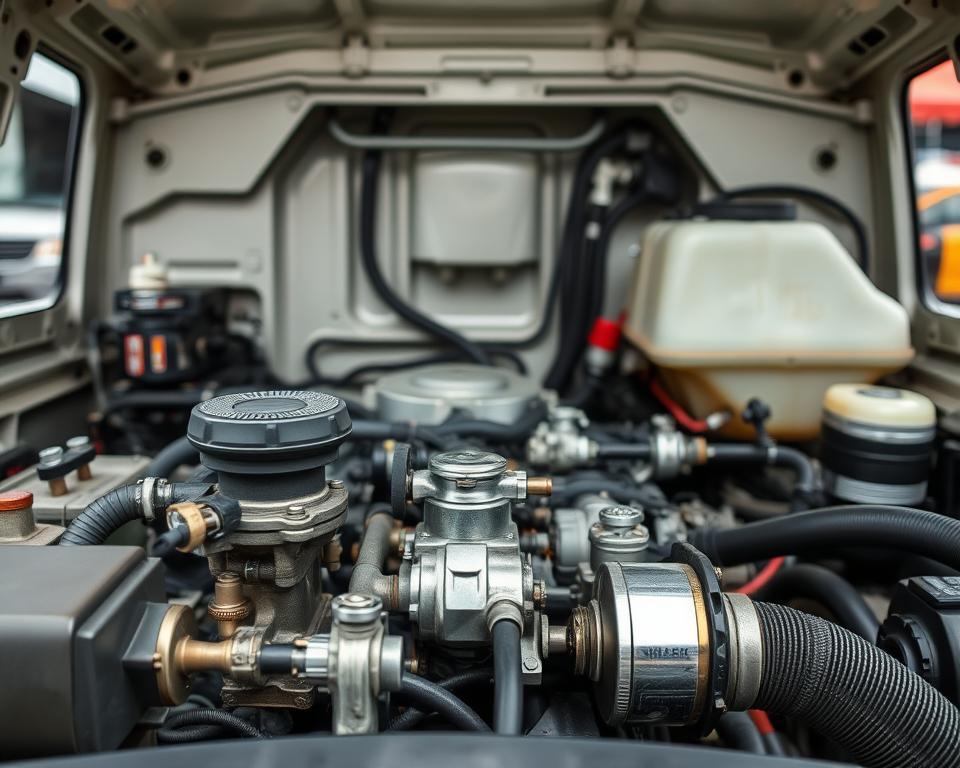
Taking care of a commercial truck is not just about making sure that it runs. You also want it to stay good to drive, safe, and keep its value over the years. When you use a full-service truck dealershipfor regular check-ups and work, you know your trucks get help from people who know what they are doing. They use the right parts and follow the right steps. Doing regular work on your trucks can help them last more years. Over time, this means you can save cash and your trucks are off the road.
Better-qualityPresentation and Fuel Efficiency
Taking care of a truck regularly can make a big change in how it works. If you save the engine in good condition, it will work well. This can help the truck use less fuel and give stable power when you want it.
Cleaning filters and changing oil when you should help your engine work better.
Having the right tire pressure can help your car use less gas.
Checking your car’s organization that changes workings often stops power problems and helps you shift gears the right way.
Undertaking regular check-ups helps to clear the problems early. This lets the business run well and make more money.
Extended Lifespan and Asset Protection
Buying commercial trucks can cost a lot of money. So, you need to take good care of them. If you get regular check-ups at a trusted truck dealership, your trucks stay in good shape. This also protects the money that you spend on them.
Stops engine and part wear before it starts too soon
Keeps resale value high by making sure all records are kept
Lowers the chance of big repairs that happen when parts do not get care
Fleets that get regular care often run well for more years. This helps delay the need to buy new and expensive ones.
Comprehensive Services Under One Roof
A full dealership makes it easy to look after your car. You get everything you need in one place. This helps you save time. You do not have to talk to many other shops. It is good for you because it is simple and fast. You can just go to them for what you need.
Service Type
Description
Protective Maintenance
Planned inspections and minor tune-ups
Diagnostics
Digital scanning for engine or system issues
Repairs
Brake, suspension, electrical, engine work
Parts Replacement
OEM-certified parts installed on-site
Working with a full truck dealership for regular work on your trucks can give you many real benefits. You will get better performance and have trucks that last longer. You also feel safe knowing that all your needs are handled in one place. This helps your daily work go smoother and is good for your money over time. If you have a group of trucks, keeping them working well is not just something you should do. It is a smart way to help your business grow as time goes on.
Taking good care of your car will keep it safe, running well, and lasting a long time. A lot of people who own cars have to choose whether to fix them themselves or hire pros. Repairing your automobile yourself may seem like a wonderful way to save money and time, but there are risks that can affect your wallet and car. How fixing your automobile yourself vs. hiring a pro can help you make good choices and protect your investment.
Weighing DIY Repairs Against Professional Auto Services Find out the benefits and cons of fixing things yourself and hiring professionals. This will affect how well your car runs and how much they cost.
The Appeal of DIY Auto Repairs DIY and cost-saving car maintenance are common. With the right tools, you can change oil, air filters, and brake pads. Fixing tiny issues yourself saves time and money. There are limits to what you can fix yourself. Without adequate training, even a tiny mistake can damage people or break machines. Things that were thought to be problems can get worse over time, which can mean that fixes cost a lot more than the money that was saved at first.
Advantages of Professional Auto Services Repair shops have the information, skills, and tools for Auto Repair in Laurel, MD that most people don’t have when they try to fix their own things. Certified mechanics know how to work on all the difficult parts of a car, from the technology inside to fixing the transmission and figuring out what’s wrong with the engine.
Professional services do more than just fix things right. • Access to Specialized Tools: Many new cars need tools that you can’t get at home.
• Warranty and Reliability: Good warranties cover both parts and service, so your buy is safe. • Time Efficiency: You’ll save time because skilled repairs are faster and more accurate than most jobs you can do yourself. Professionals should be the ones to take care of European or expensive cars because they have complicated engines and systems that can break down easily.
When DIY Repairs Make Sense DIY repairs work best for modest projects with clear instructions and little dangers. Simple maintenance like fluid refills, battery replacement, and wiper blade replacement are safe at home. Following product safety guidelines is sometimes essential.
Conclusion Your skill, tools, car, and risk tolerance determine whether you fix your car yourself or pay a pro. While minor repairs are inexpensive, a professional will be more experienced and accurate at more intricate ones. Balance the two to keep your car safe, running well, and maintained on a budget. The same family has owned Thoroughbred Auto Care in Laurel, MD for over 30 years. They have helped people with their cars. We offer a national warranty on most services for 36 months or 36,000 miles after we fix your car. There are 16,000 places across the country that will fulfill this warranty.
If you’ve ever experienced a car struggling to turn over, you know how frustrating it can be. When you turn the key or push the start button, and the engine hesitates or fails to start smoothly, it indicates an underlying issue that needs attention. Understanding the common causes behind this problem can help you diagnose it or know when to seek professional help.
Battery Problems: The Usual Suspect
One of the most frequent reasons a car struggling to turn over is a weak or dead battery. Batteries lose their charge over time or can be drained by leaving lights on or through cold weather conditions. Corroded or loose battery terminals can also prevent the electrical current from reaching the starter.
If your car shows signs like dim lights, clicking noises, or slow cranking, it’s likely your battery is the culprit. In many cases, jump-starting the vehicle or replacing the battery can solve the issue quickly.
Faulty Starter Motor or Ignition Switch
If the battery is healthy, the problem may lie in the starter motor or ignition switch. The starter motor is responsible for turning the engine over when you start the car. Over time, it can wear out or develop electrical faults. Similarly, a malfunctioning ignition switch might fail to send the proper signal to the starter.
Symptoms include a clicking noise without the engine turning or the car not responding at all when you try to start it. A mechanic can diagnose and replace faulty components to restore normal function.
Fuel System Issues
Sometimes, a car struggling to turn over is caused by problems with the fuel system. If the engine isn’t getting enough fuel, it won’t start or may hesitate. Common fuel-related issues include clogged fuel filters, a failing fuel pump, or empty fuel tanks.
If your car cranks but doesn’t start, or if it starts but runs poorly, it’s wise to check the fuel supply and related components.
Engine Mechanical Problems
Less common but more serious are mechanical problems inside the engine, such as a broken timing belt or seized engine components. These issues can prevent the engine from turning over entirely and require immediate professional attention.
When to See a Professional
If you encounter a car struggling to turn over and simple fixes like jump-starting don’t work, it’s best to consult an experienced automotive technician. Early diagnosis and repair can prevent further damage and save you from costly repairs down the line.
Summer requires additional care for your European car. Long drives, hot weather, and city traffic can damage your automobile. While things may seem alright, tiny issues can easily escalate when it gets heated. It’s necessary to maintain your automobile at different times of year, especially precise European models. Checking it often will keep your engine cool, ride smooth, and automobile on the road. Some clever summer ideas can make a great difference for BMW, Audi, Volkswagen, or Mercedes-Benz drivers. Before you drive this summer, check your automobile for summer.
Importance of Summer Tips
In hot weather, European automobiles require aid despite their amazing performance. You can keep your automobile safe and functioning properly in the summer by doing a few things.
Air Conditioning Checkup
Driving in the heat is terrible without AC. You might not receive enough cold air even with AC. There may be low amounts of refrigerant, filters that are becoming worse, and little leaks. These problems might make your air conditioner stop working when you need it the most. Make sure the system is ready for summer it will make driving more pleasant, especially on lengthy trips or in traffic.
Tire Inspections
Tire air pressure rises with warmer temperatures. If you don’t correct this, the tires might overfill and blow out. However, long travels and hot roads damage tires faster Check tire pressure and tread depth regularly for safety and automobile performance. Repair old tires before summer vacations. For further preparedness, inspect your spare tire.
Coolant System Checks
Hot weather is a leading cause of automobile breakdowns in summer. Your cooling system helps prevent this. The radiator removes engine heat to keep things cool. Low, old, or leaking coolant doesn’t work properly. This is harmful since heat damages engines in European automobiles more often. Check coolant levels and line cracks. It may be necessary to clean the coolant completely after a time. The majority of European Auto Repair in Denver, CO can handle this fast and detect issues early.
Oil Change
In hot weather, engine oil breaks down and thins faster if your car is working hard. Clean oil reduces heat and friction, making engine parts move easily. Dirty or old oil doesn’t protect your engine as effectively, so it runs out faster. European engines that require specific oils must follow the plan even more. If you haven’t changed your oil recently or are going on a lengthy journey, now is the time.
Conclusion
Your European car will be alright if you take the necessary measures in the summer, though. A good cooling system, examined tires, working air conditioner, and new oil helps keep your automobile safe in the heat. Small changes like this take no time but improve automobile performance and longevity. Don’t wait until anything breaks to maintain your automobile before it gets too hot. With The Import Mechanics, you can enjoy every summer mile stress-free.
Ceramic Coating represents more than just another car care product—it’s a fundamental shift in how we protect our most valuable mobile assets. In a world where our vehicles face relentless assault from environmental hazards, this innovative protection technology stands as the definitive barrier between pristine paintwork and inevitable deterioration.
What Makes Ceramic Protection Revolutionary?
The science behind ceramic protection coating reveals a story of molecular engineering that would astound even the most sceptical motorist. Unlike traditional waxes that merely sit atop your vehicle’s surface, ceramic coating solutions form permanent chemical bonds with the paintwork itself. As one Singapore-based protection specialist notes, “Ceramic coating will not only make your car shiny but it also provides optimal protection against scratches, bird droppings, dust, dirt build-up, weathering, rain stain, premature ageing and oxidation, and Harmful UV rays.”
This isn’t marketing hyperbole—it’s measurable reality. The molecular structure creates what industry professionals term a “glass-like hardened shield” that fundamentally alters how contaminants interact with your vehicle’s surface.
The Hidden Cost of Neglecting Paint Protection
Consider this sobering reality: without proper protection, your car’s paintwork suffers microscopic damage every single day. UV radiation slowly breaks down paint molecules, whilst acidic contaminants etch permanent scars into the surface. Bird droppings, tree sap, and industrial fallout don’t simply wash away—they bond chemically with unprotected paint, creating stains that require expensive correction.
The mathematics is stark. A full respray typically costs thousands of pounds, whilst preventative ceramic protection costs a fraction of that amount. Yet beyond mere economics lies something more profound: the preservation of your vehicle’s authentic character and value.
Understanding Ceramic Coating Technology
The transformation occurs at the molecular level. Professional-grade ceramic coatings utilise silicon dioxide (SiO2) compounds that create a transparent, ultra-hard protective layer. This barrier possesses several remarkable properties:
Hydrophobic Performance: Water beads and rolls off effortlessly, carrying contaminants away
Chemical Resistance: Acidic substances cannot penetrate the protective barrier
UV Protection: Prevents paint oxidation and colour fading
Enhanced Gloss: Creates a deep, mirror-like finish that amplifies your car’s natural beauty
Singapore’s leading automotive protection specialists have documented impressive results. “ZeTough 9H Car Paint Protection is officially lab-tested and certified by SGS Singapore,” proving these aren’t empty promises but verifiable performance standards.
The Application Process: Precision Matters
Professional application transforms liquid ceramic compounds into permanent protection. The process demands meticulous attention to detail—every surface must be perfectly clean, and environmental conditions precisely controlled. As industry experts explain, “Unlike the typical wax, sealant or glass coating, the nano-ceramic coating is a protective layer that is thicker and more durable than most paint protection products.”
The curing process is equally critical. Many coatings require 24-hour hardening periods, during which the molecular bonds strengthen and achieve maximum durability. This patience pays dividends: properly applied ceramic protection can last five years or more with minimal maintenance.
Comparing Protection Options
Traditional car care products pale beside ceramic coating performance:
Paint Sealants: Last 6-8 months, moderate protection, susceptible to harsh weather
Ceramic Coatings: Last 3-7 years, maximum protection, permanent chemical bonding
The choice becomes obvious when you consider long-term value and convenience.
Maintenance: Simplicity by Design
Perhaps the most compelling benefit lies in dramatically simplified maintenance. Protected vehicles stay cleaner longer and wash more easily. “Thanks to the chemical bonding and creation of a new layer, the original paintwork of your car remains untouched.” This means routine washing preserves the coating whilst protecting your investment underneath.
Weekly rinses often suffice where daily cleaning was once necessary. Contaminants simply cannot bond with the slick, sealed surface, transforming car care from chore to pleasure.
Investment Considerations
Quality ceramic coating requires substantial initial investment, but the economics favour protection over neglect. Consider these factors when evaluating options:
Vehicle size and complexity affect application costs
Preparation requirements may include paint correction
Warranty coverage protects your investment long-term
Professional expertise ensures optimal results
As Singapore protection specialists observe, “For many car owners, the ceramic coating price in Singapore is justified by the extended protection, reduced maintenance, and glossy finish it provides.”
Environmental Benefits
Beyond personal advantages, ceramic protection delivers environmental benefits. Reduced washing frequency conserves water, whilst eliminating wax applications prevents chemical runoff. The longevity of ceramic coatings also reduces packaging waste compared to frequently replaced traditional products.
The Future of Vehicle Protection
Ceramic coating technology continues advancing rapidly. New formulations promise even greater durability, self-healing properties, and enhanced performance characteristics. What remains constant is the fundamental truth: protection always costs less than restoration.
Your vehicle represents a significant investment in mobility, convenience, and personal expression. Ceramic coating ensures that the investment retains its value whilst delivering years of effortless maintenance and stunning appearance.
Don’t let time and environment slowly destroy what you’ve worked to obtain. Investigate professional ceramic protection services and discover why millions of motorists worldwide trust ceramic coating technology to preserve their automotive investments. Whether you’re seeking the ultimate protection for a cherished classic or practical defence for daily transport, there’s never been a better time to explore Ceramic Coating for sale.
Energy independence is a crucial goal for many American households, driven by the desire to reduce reliance on utility grids and fossil fuels, enhance sustainability, and improve resilience against power outages. With increasing concerns about climate change and energy costs, homeowners are turning towards more sustainable and self-reliant solutions. One of the most effective methods to achieve this is through the use of solar-powered generators.
Why Choose Solar Powered Generators?
1. Renewable Energy Source: Solar power harnesses the sun’s energy, providing a clean, inexhaustible source of power. This reduces dependence on non-renewable energy sources that are harmful to the environment.
2. Cost Savings: Although there is an initial investment, solar generators can significantly reduce electricity bills in the long run. By generating your own power, you avoid the rising costs associated with traditional electricity.
3. Increased Resilience: Solar generators ensure that your home remains powered during utility grid failures, which are becoming increasingly common due to extreme weather events and aging infrastructure.
4. Environmental Impact: Using solar energy helps decrease carbon footprint, contributing to less pollution and a healthier environment.
Introducing the Jackery Solar Generator HomePower 3000
For those looking to take a significant step towards energy independence at home, the Jackery Solar Generator HomePower 3000 offers a robust portable solar power station with solar panels.
Key Features
– High Capacity: The Jackery Solar Generator HomePower 3000 boasts a 3072Wh capacity, making it capable of running critical household appliances like fridges, fans, Wi-Fi routers, and lighting systems for up to 15 hours. This capacity is essential for maintaining normal home operations during extended power outages.
– Powerful Output: With a 3600W output and a 7200W surge capability, this generator can handle high-demand appliances without breaking a sweat, ensuring that everything from your kitchen appliances to your tech gadgets operates smoothly.
– Seamless UPS: The ≤20ms UPS (Uninterruptible Power Supply) technology in the Jackery Solar Generator HomePower 3000 guarantees that power switches over instantly (in less than 20 milliseconds) during an outage. This feature is critical for protecting sensitive electronic devices from sudden power interruptions that can cause data loss or hardware damage.
– Sustainable and Safe: Unlike gasoline generators, the Jackery Solar Generator HomePower 3000 does not emit any harmful fumes, making it safe to use indoors and more environmentally friendly. It also operates quietly, avoiding the noise pollution typically associated with traditional generators.
Ideal for Every Home
Whether you live in an area prone to natural disasters, want to reduce your carbon footprint, or simply seek to lower your electricity bills, the Jackery Solar Generator HomePower 3000 is an excellent investment. It’s particularly beneficial for families looking to ensure uninterrupted power for medical devices, home offices, or even during recreational activities at home.
Conclusion
Achieving energy independence is not only about securing a power supply but also about embracing a sustainable lifestyle. By incorporating a solar powered generator like the Jackery Solar Generator HomePower 3000 into your home, you are taking a step forward in protecting the environment, saving on energy costs, and ensuring a reliable power source for your family’s daily needs. This move not only benefits your household but also contributes to the broader goal of energy independence across the nation.
When dashboard lights flash, every driver needs to know what to do. A constant light usually implies a small problem that you can check on shortly. A flashing glow, on the other hand, means a significant engine problem that you need to stop right away and turn off the engine. Being able to tell the difference helps you stay safe and save more damage. You may typically find a quiet place to check later when you observe a constant check engine light that is glowing. This article will show you exactly what to do in both situations and make you safer on the road.
How to Understand Steady Signals
A steady light usually implies a tiny problem that you can check when it’s safe to park.
It doesn’t often warn of real danger, but you shouldn’t ignore it for too long.
You can safely assess the situation by driving gently to a safe place.
If you hear or see something strange, it can help you discover the right fix.
Simple Safety Steps
Always pull over carefully and use your turn signals to let other vehicles and pedestrians know you’re stopping.
Stay a safe distance from the front of the automobile so you don’t get hurt if the problem gets worse.
When the engine is off, wear gloves or use tools to touch hot parts.
Stay calm and don’t guess how to remedy anything; simple checks keep you secure and ready.
Getting ready for professional service
Find out when and how the alert first showed up while you were driving.
If you see any strange smoke, a spill of fluid, or dashboard symbols, take pictures with your phone.
Before you call a local service specialist, write down the engine’s temperature, speed, and noise levels.
To help uncover solutions, keep a thorough record of when the check engine light first came on.
Knowing how to respond to constant and flashing notifications can save you time, money, and risk. You can keep your car and yourself safe from unexpected breakdowns or dangers on the road by following these simple procedures. Always be on the lookout for warning signs, be calm, and utilize safe tools when you need to. If you’re not sure what to do, get professional aid to fix the problem right. A little attention today will make your journey smooth and easy.
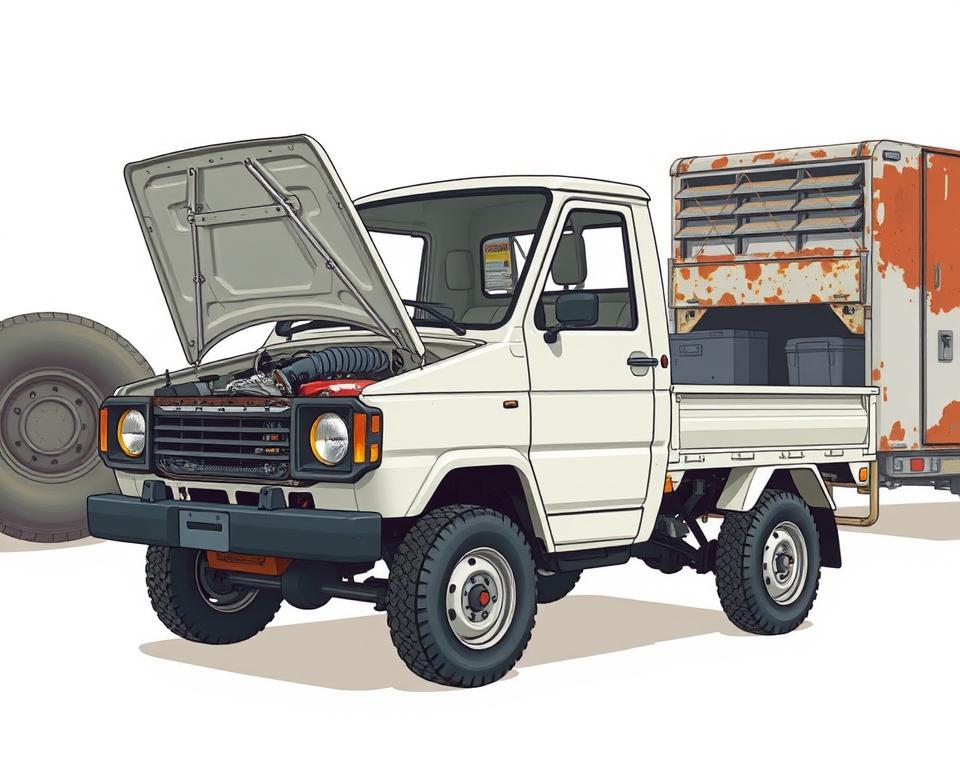
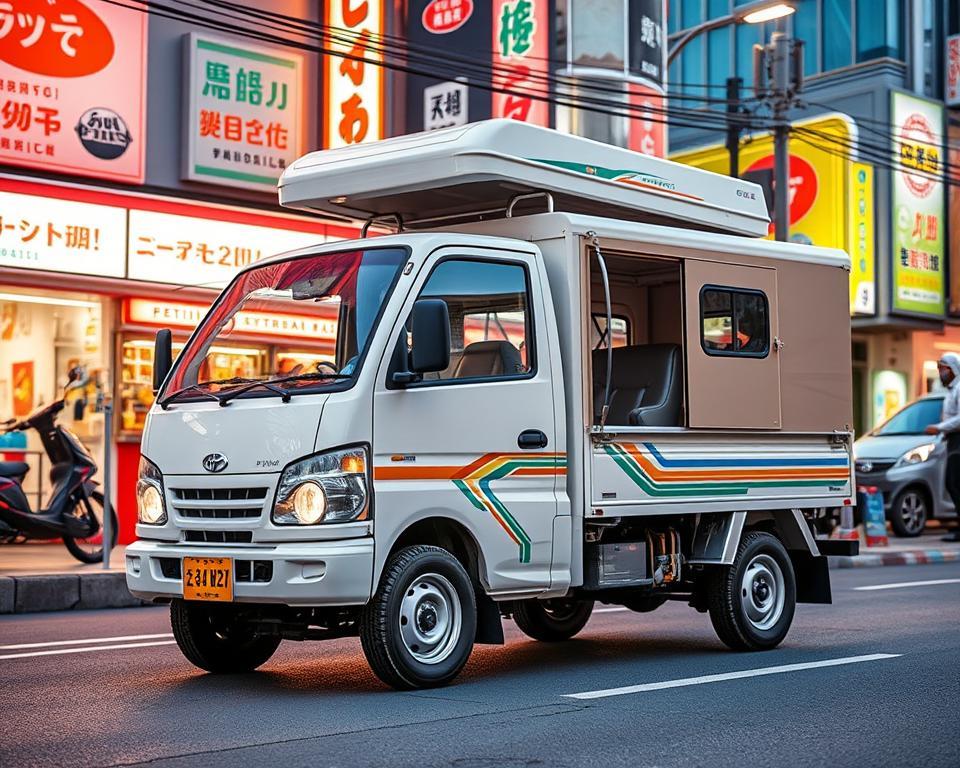
Kei trucks are small and versatile. They are popular for many tasks. But, like any vehicle, they can have problems.
These vehicles often face engine, transmission, and electrical system issues. Knowing these problems helps with fixing them.
This article will guide you through common issues. It offers practical solutions for keeping your kei truck in good shape.
Key Takeaways
Identify common engine problems in kei trucks
Troubleshoot transmission issues effectively
Diagnose electrical system faults
Understand the importance of regular maintenance
Learn practical repair solutions for common issues
Understanding Kei Trucks and Their Unique Challenges
Kei trucks are different from regular pickup trucks. A kei truck needs special care for maintenance and repair. Known for being small, light, and fuel-efficient, they are popular in Japan and around the world.
What Makes Kei Trucks Different from Standard Pickup Trucks
Kei trucks are made to be efficient and small. Their size and weight help them use less fuel. But, they need special care because of their design.
They have smaller engines and transmissions. These are made for their size and use.
Kei trucks need special maintenance because of their design. Their engines and transmissions need special tools and skills. Knowing this is key for good maintenance and fixing problems.
Common Misconceptions About Kei Truck Reliability
Some think kei trucks are not reliable because they are small and simple. Others believe their fuel efficiency means they’re not powerful. But, kei trucks are both reliable and fuel-efficient.
Many owners say they have low maintenance costs and last a long time. Understanding kei trucks helps owners and mechanics take better care of them. This ensures they keep working well.
Engine Problems in Kei Trucks
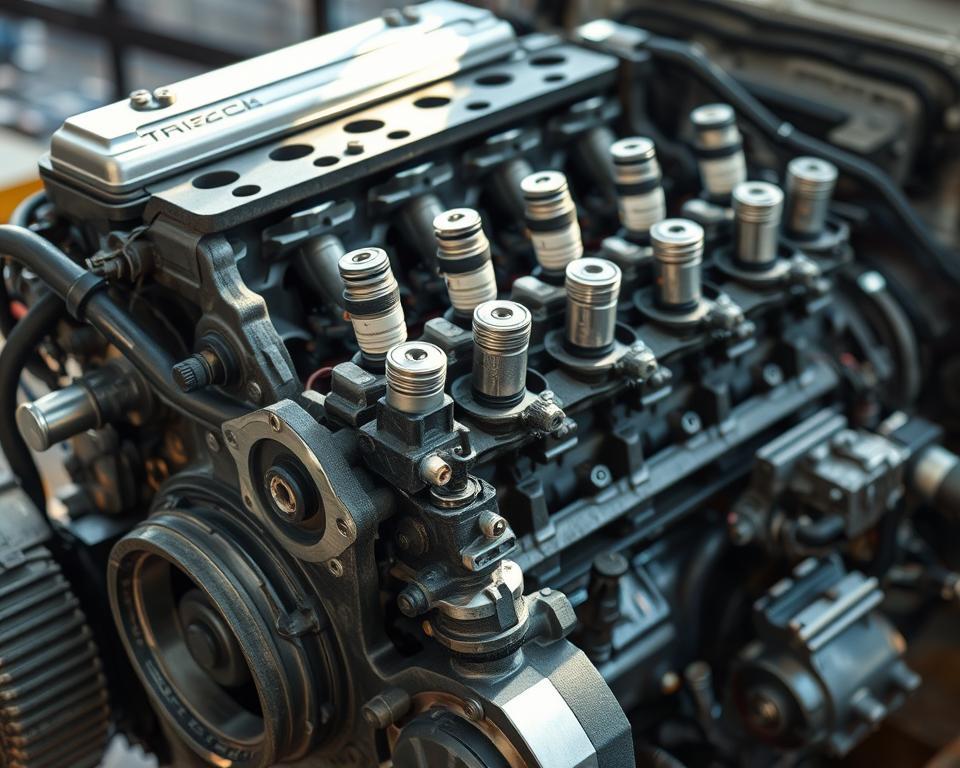
Kei trucks can face engine troubles like hard starting and losing power. These issues can be tough for owners. But knowing why they happen and how to fix them can help a lot.
Hard Starting and Poor Idle Issues
Kei trucks often have trouble starting and idling poorly. This can be because of bad spark plugs, clogged fuel filters, or wrong ignition timing. Keeping up with maintenance, like changing spark plugs and cleaning fuel filters, can stop these problems.
Cause
Symptoms
Solution
Faulty Spark Plugs
Hard starting, poor idle
Replace spark plugs
Clogged Fuel Filter
Poor idle, reduced power
Clean or replace fuel filter
Loss of Power and Performance
Kei trucks losing power and performance can have many reasons. These include clogged air filters, worn piston rings, or broken fuel pumps. Regular checks and upkeep of these parts can bring back the truck’s power.
Unusual Engine Noises and Vibrations
Strange engine sounds and shakes can mean serious problems. These could be worn engine bearings, misaligned engine mounts, or low oil. It’s important to find and fix these issues quickly to avoid more damage.
DIY Fixes vs. When to Seek Professional Help
Some engine troubles can be fixed by yourself, like swapping out spark plugs or cleaning filters. But, more complex issues need a pro. Knowing when to ask for help can save time and keep your kei truck in good shape.
Regular maintenance is key to preventing engine problems in kei trucks.
Transmission and Drivetrain Failures
It’s key to know why kei trucks’ transmissions and drivetrains fail. These problems can make driving hard. They hurt the truck’s performance.
Manual Transmission Grinding and Shifting Problems
Many kei truck owners face grinding and shifting issues. These problems might come from a worn-out clutch or bad synchronizers. Keeping the clutch and synchronizers in good shape helps a lot.
Automatic Transmission Slipping and Hesitation
Slipping and hesitation in automatic transmissions are signs of trouble. Low or dirty transmission fluid can cause these issues. For tips on avoiding transmission problems, check out this guide.
Differential and Transfer Case Issues
Differential and transfer case problems can cause drivetrain failures. Look out for odd noises or vibrations. Regular checks can spot issues early.
Maintenance Tips to Extend Drivetrain Life
Regularly check transmission fluid levels and condition.
Inspect clutch components for wear.
Monitor for unusual noises or vibrations from the drivetrain.
By following these tips, kei truck owners can make their drivetrain last longer. Stay alert to common issues and keep up with maintenance.
Electrical System Troubleshooting
Understanding the electrical system in kei trucks is key. It powers everything from starting the engine to lights and accessories.
Battery Drainage and Starting Problems
Kei truck owners often face battery drainage and starting issues. These can be caused by a drained battery, corroded terminals, or a bad starter.
First, check the battery’s health and charge. Make sure the terminals are clean and tight. If the battery is old or weak, it might need to be replaced.
Lighting and Accessory Failures
Lighting and accessory failures can be caused by blown fuses, bad wiring, or broken parts. Look at the fuse box for any blown fuses and replace them if needed.
Check the wiring for damage or wear. If you find any, fix or replace it. If the problem continues, check the affected parts (like headlights) for damage or malfunction.
Diagnosing Alternator and Starter Issues
The alternator and starter are vital for the electrical system. Finding problems with them needs a careful approach.
For alternator problems, check the belt’s tension and condition, and the electrical connections. A bad alternator can cause battery drainage and other issues.
For starter problems, look at the starter motor and its connections. A worn-out starter might need to be replaced.
Finding Replacement Electrical Parts in the US
Finding the right electrical parts for kei trucks in the US can be hard. They have unique specs. Look for parts from specialty importers or online stores for kei truck owners.
Make sure any parts you get fit your kei truck’s make and model. This will prevent more electrical problems.
Cooling System and Overheating Concerns
Keeping the cooling system in good shape is key for Kei trucks. It stops overheating and keeps the engine running long. Knowing the common cooling system problems helps owners avoid big repairs.
Identifying Causes of Overheating
Many things can make a Kei truck overheat. Low coolant, bad thermostats, and clogged radiators are common culprits. Regular checks can spot these problems early.
Radiator Maintenance and Replacement
The radiator is a big part of the cooling system. Keeping it clean and checking for leaks is important. If it needs to be replaced, make sure it’s the right one.
Water Pump and Thermostat Problems
The water pump and thermostat are key to cooling. A bad water pump means no coolant flow. A faulty thermostat can make the engine too hot or too cold. It’s important to check and replace these parts on time.
Preventing Cooling System Failures
To avoid cooling system problems, regular checks and maintenance are needed. Here are some steps:
Check coolant levels and add more if needed.
Look for leaks or damage in the radiator.
Replace the water pump and thermostat as recommended.
Component
Maintenance Task
Interval
Coolant
Check Level
Monthly
Radiator
Inspect for Leaks
Every 6 Months
Water Pump
Replace
Every 50,000 Miles
Suspension and Steering Difficulties
Suspension and steering problems in kei trucks are frustrating and unsafe. They can cause an unstable ride and wear down other parts.
Handling Unstable Ride and Alignment Issues
An unstable ride often comes from bad alignment or worn-out parts. Misaligned wheels wear out tires unevenly. It’s important to check alignment often to keep the ride stable.
Ball Joint and Tie Rod End Failures
Ball joints and tie rod ends are key for steering. If they fail, steering gets loose and noisy. It’s important to check and replace them to keep steering safe.
Leaf Spring and Shock Absorber Problems
Leaf springs and shock absorbers affect how well a kei truck rides. If they’re worn out, the ride gets bumpy. Upgrading them can make the truck ride better.
Upgrading Suspension Components for Better Performance
Upgrading suspension parts can make a kei truck perform better. Check out this resource on lift kits for the Honda Acty. It shows how upgrades can boost your truck’s performance.
Rust and Body Deterioration Solutions
Kei truck owners often face challenges with rust and body deterioration. This can harm the vehicle’s integrity. Rust can shorten a vehicle’s life, mainly in humid or salty areas.
Common Rust Spots on Kei Truck Bodies
Rust often forms in moist areas or where coatings are damaged. Common spots include wheel wells, frames, and suspension parts. Regular checks can spot these problems early.
Preventing Corrosion in Vulnerable Areas
To stop corrosion, keep the vehicle’s coatings in good shape. Make sure the body is clean and apply rust inhibitors. For Kei trucks, clean the underside often, after salt or moisture exposure. For more tips, see this article on rust-proofing.
DIY Rust Repair Techniques
Fixing rust early can stop bigger problems. DIY repair means cleaning, removing rust, and applying a converter or coating. Always wear safety gear and follow safety rules.
Protective Coatings and Treatments
Using protective coatings can help your Kei truck’s body last longer. You can use wax, undercoating, or rust inhibitors. These keep corrosion away and need to be reapplied to stay effective.
Fuel System and Carburetor Issues in Kei Trucks
The fuel system and carburetor in kei trucks are key parts. When they don’t work right, big problems can happen. These issues can make the truck run poorly, use more fuel, and even stop working.
Fuel Delivery Problems and Poor Fuel Economy
Problems with fuel delivery in kei trucks can come from clogged filters, bad fuel pumps, or faulty injectors. This can make the truck use more fuel. Keeping the fuel filter clean or replacing it can help.
Carburetor Cleaning and Adjustment
The carburetor mixes air and fuel for the engine in older kei trucks. It can get clogged over time, causing trouble. Cleaning and adjusting the carburetor can fix this and make the truck run better.
Fuel Pump Failures and Replacements
Fuel pump failure is common in kei trucks. It’s often due to wear and tear or fuel system contamination. Getting a new fuel pump can solve the problem and prevent more issues.
Converting to Alternative Fuels
Some people choose to make their kei trucks run on LPG or biofuels. This can save money and help the environment. But, it’s important to do it right and safely.
Issue
Cause
Solution
Poor Fuel Economy
Clogged Fuel Filter
Replace Fuel Filter
Fuel Delivery Problems
Faulty Fuel Pump
Replace Fuel Pump
Carburetor Issues
Clogged Carburetor
Clean or Rebuild Carburetor
Keeping Your Kei Truck Running Strong for Years to Come
Regular maintenance is key for your kei truck’s long life and good performance. A routine check-up helps spot problems early. This keeps your truck running smoothly and efficiently.
Fixing issues quickly and using the right maintenance methods is important. This includes regular oil changes and tire rotations. It also means fixing problems right away. This way, you avoid big repairs later on.
To keep your kei truck in top shape, don’t forget about maintenance. It boosts performance and helps your truck last longer. By following the tips in this article and keeping up with maintenance, you can enjoy your truck for many years.
For diesel vehicle owners in Houston, the roar of the engine is a familiar and powerful sound. These vehicles are built for toughness, torque, and longevity. However, when it comes to maintenance like tire repair or replacement, many owners mistakenly believe any standard tire shop will suffice. The reality is that the unique characteristics of a diesel engine and the vehicles they power demand a specialized touch. Choosing a Houston-based diesel repair service for your tire needs isn’t just a preference; it’s a strategic decision that ensures safety, performance, and protects your investment.
Handling the Heavy-Duty Demands of Diesel
A primary difference between diesel and gasoline vehicles is weight. Diesel engines are significantly heavier, which places immense and constant stress on the tires. This is compounded by the high torque output characteristic of diesel powertrains, which affects how power is transferred to the road. A generic tire shop may not fully appreciate the importance of specific load ratings, ply counts, and tread compounds designed for these conditions. A diesel repair specialist understands this dynamic intimately. They will recommend and install tires that can not only bear the weight but also withstand the twisting forces of high torque, preventing premature wear, cupping, and potential blowouts.
A Holistic Approach to Vehicle Health
Uneven tire wear is often a symptom of a deeper issue, and this is where a diesel specialist’s expertise truly shines. A standard tire shop might replace a worn tire and perform a basic alignment, but a diesel technician sees the bigger picture. They know that improper tire wear on a heavy-duty truck could be caused by worn ball joints, failing shocks, or suspension issues unique to heavier frames. They perform a more comprehensive diagnosis, inspecting the entire suspension and steering system. This holistic approach fixes the root cause of the problem, saving you from returning in a few months with the same issue and ultimately extending the life of your new tires. Selection of the Diesel Repair in Houston, TX based service would be important here.
The Right Tools for a Tougher Job
Servicing diesel vehicles requires more than just know-how; it requires specialized, heavy-duty equipment. Diesel trucks, whether for commercial or personal use, are larger and heavier than typical passenger cars. A dedicated diesel repair facility in Houston is equipped with industrial-grade lifts capable of safely hoisting these massive vehicles. Their alignment racks are built to accommodate longer wheelbases and heavier axle weights, ensuring a precise and accurate adjustment. Using inadequate equipment can be unsafe and result in a subpar alignment, negating the benefit of new tires. A diesel shop has the right tools to do the job correctly and safely from the start.
Protecting Your Investment on Houston Roads
Ultimately, your diesel vehicle is a significant investment. Choosing a specialized diesel repair service for tire work is about protecting that asset. From navigating the sprawling highways of Houston to handling tough worksite conditions, your tires are your vehicle’s critical connection to the ground. A diesel expert ensures this connection is as strong and reliable as possible by combining in-depth knowledge of the vehicle’s systems with the correct parts and equipment. This leads to enhanced safety for you and your passengers, better fuel efficiency, and the long-term performance you expect from your powerful diesel machine.
The situation is frustrating and infuriating when your BMW keys get lost or are rendered inoperable. But coincides with a lack of clarity and myths from Melbourne drivers that sometimes make things even worse. No matter your location (South Yarra, Kew or CBD), the more you know, the more time and money you save.
Let us dispel five misconceptions regarding BMW key replacement and illustrate why opting for affordable BMW key replacement services is a prudent and safe choice.
1. Myth: Only a BMW Dealer Can Replace Your Key
And many think dealerships are the only place they can obtain a new key? But that’s not true.
In Melbourne, skilled auto locksmiths are able to cut and program BMW key replacement in terms of all makes and models — beginning with 1 Series to the X5.
They employ the same high-end tools and software as dealers, but they charge a lot less.
You should be able to save 30 to 50% on dealership prices, but still receive good quality work.
2. Myth: It will take too long to get a New BMW Key
Many people fear they’ll wait days or weeks for a new key. That’s rarely the case anymore.
Most mobile locksmiths in Melbourne will have same day service available for standard keys and at most 1-2 business days for complex keys.
Need rapid assistance in a populated area such as Richmond? A fast BMW car key replacement might be the best and cheapest solution.
3. Myth: BMW Keys are all the Same
Each of those fancy looking BMW keys aren’t replaceable. Every product, by nature, uses its own encryption and key type.
A key to a 2015 3 Series will not work in a 2022 X5. The internal chips even vary from year to year and model to model.
Knowledgeable locksmiths will recognize the appropriate key and reprogram it to function with your car immobiliser program.
4. Myth: You Can DIY with a Cut-Rate Key
Doing it yourself may seem cheaper, but that’s risky. Online keys or videos may claim otherwise, but BMWs demand special tools for communication with the car’s ECU.
Attempting to DIY could freeze your car’s system or even ruin it, resulting in dealership fees that could reach $2,000.
You’ll be much better off with the help of a professional BMW car key replacement service who truly knows what they are doing.
5. Myth: If You Lose a Key Your BMW is Vulnerable for Life
Maybe you believe that your lost key can still open your car? Not if you act quickly.
A skilled locksmith can incapacitate the lost key and make sure it doesn’t work again, frequently by reprogramming your car’s system.
They can also rekey locks or add additional security on them in the form of immobilisers — particularly handy in crime hotspots like theft magnet Footscray or Dandenong.
Useful Advice for BMW Owners in Melbourne
Act Fast: It’s not doing nothing, but don’t wait, inactivity may bring about higher consequences.
Select Reliable Pros: Employ locksmiths with Victorian registration and good reviews.
Budget Smart: Plan on spending $200 to $1,000, depending on model and complexity.
Check Your Insurance: Certain plans offer coverage for lost or stolen keys up to $500.
Stay Ahead: Replace fob batteries every 1-2 years to stay ahead of unexpected failures.
Recover Your Comforting Rest in the Car
Don’t let some old myths get in the way of you resolving your most important challenges.
If you’ve lost or broken your BMW car key, or you need a spare, a cheap car key locksmith can help.