
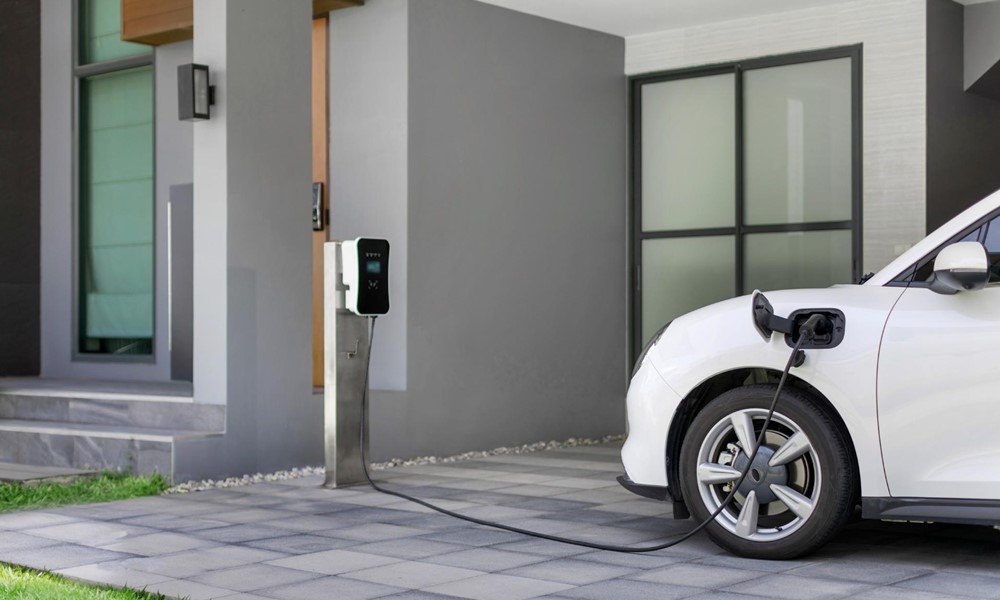
Installing an EV charger at home transforms how you power your electric vehicle, offering convenience and cost savings compared to public charging stations. However, the installation process involves more than selecting a charger and mounting it on your wall. Your home’s electrical capacity, local permitting requirements, and proper wiring configuration all determine whether your installation goes smoothly or encounters costly delays.
Understanding the key factors before you begin-from electrical panel capacity to charger placement-helps you avoid common mistakes that lead to safety issues or failed inspections. Many homeowners overlook critical details like circuit amperage requirements, the difference between hardwired and plug-in units, and future-proofing considerations for panel upgrades.
This guide walks you through essential tips for a successful installation and explains when to hire a professional electrician versus tackling simpler aspects yourself. You’ll learn how to evaluate your electrical system, navigate permit requirements, and make informed decisions about charger specifications that match your vehicle and home setup.
Key Tips for Successful EV Charger Installation
Installing an EV charger requires careful planning across several critical areas. You’ll need to select the right charger type, find an optimal location, verify your electrical system can handle the load, and navigate permit requirements.
Home charging provides predictable energy usage and the convenience of starting each day with a full battery. EV Charger Installation Burlington services typically include panel inspection and breaker configuration tailored to your home.
For Oakville homeowners, a professional Electric Car Charger Installation Oakville ensures optimized amperage settings and safe long-term charging performance.
Understanding EV Charger Types
Level 1 chargers use a standard 120V household outlet and provide the slowest charging speed at 3-5 miles of range per hour. These work for occasional drivers but rarely meet daily needs for most EV owners.
Level 2 chargers operate on 240V circuits and deliver 25-40 miles of range per hour, making them the standard choice for home charging. They require dedicated wiring and typically use a hardwired connection or a NEMA 14-50 outlet.
The power output of Level 2 chargers ranges from 16 to 80 amps, with most residential installations using 32 to 40 amp units. Your vehicle’s onboard charger determines how much power it can accept, so a higher-amperage home EV charger won’t necessarily charge faster if your vehicle has limitations.
Consider smart chargers that offer features like scheduling, energy monitoring, and Wi-Fi connectivity. These allow you to charge during off-peak hours when electricity rates are lower.
Choosing the Ideal Location for Your Home EV Charger
Mount your charger where you typically park, keeping the cable length in mind. Most Level 2 chargers include 18-25 foot cables, but you should minimize cable stretch across walkways to prevent tripping hazards.
Garages provide the best protection from weather and security concerns. If you must install outdoors, choose a charger with a NEMA 4 or higher rating for weather resistance.
The location should be within reasonable distance of your electrical panel to reduce wiring costs. Every additional foot of wire run increases installation expenses, especially if trenching or conduit work is required.
Wall-mounted installations work best at 4-5 feet off the ground for easy cable handling. Avoid placing chargers where car doors might strike them when opening or where they block access to other garage features.
Assessing Home Electrical Capacity
Your electrical panel must have sufficient capacity to support EV charger installation without overloading the system. Most homes have 100, 150, or 200-amp service panels.
A Level 2 charger drawing 40 amps requires 50-amp circuit capacity following the 80% rule for continuous loads. Calculate your existing electrical load by adding up all major appliances, HVAC systems, and other draws to determine available capacity.
If your panel lacks available slots or capacity, you’ll need a panel upgrade or load management system. Load management devices can automatically reduce charging power when other high-draw appliances operate, preventing overloads.
Older homes with 100-amp service may require a complete electrical service upgrade to support a Level 2 charger alongside existing loads. This adds $1,500-$3,000 to installation costs but increases your home’s overall electrical capacity.
Permits and Local Code Requirements
Most jurisdictions require permits for ev charger installations since they involve electrical work and circuit additions. Your electrician typically handles permit applications, but you should verify local requirements early in the planning process.
Building codes mandate specific wire gauges, circuit breaker sizes, and GFCI protection based on the charger’s amperage. The National Electrical Code provides baseline standards, but local amendments may impose stricter requirements.
Inspection timelines vary by municipality, ranging from same-day approval to several weeks of waiting. Factor these delays into your installation schedule to avoid surprises.
Some areas offer expedited permits for EV charger installations to encourage electric vehicle adoption. Homeowner associations may also have approval processes separate from municipal permits, particularly for exterior installations or attached garages visible from common areas.
Professional Installation and Best Practices
Professional EV charger installation requires careful planning, proper electrical infrastructure, and adherence to safety standards. Working with qualified professionals ensures your charging system operates safely, meets local codes, and provides reliable performance for years to come.
When to Hire a Licensed Electrician
You need a licensed electrician for virtually all EV charger installations beyond basic Level 1 charging. Level 2 chargers typically require 240-volt circuits with dedicated breakers, and any work involving your electrical panel or new circuit installation must comply with the National Electrical Code (NEC) and local regulations.
A licensed electrician ensures proper wire gauge selection, adequate circuit protection, and correct grounding. They can identify potential issues with your existing electrical system before problems arise. Most jurisdictions require permits for EV charger installations, and inspectors will only approve work completed by licensed professionals.
Insurance and warranty protection provide additional reasons to hire qualified electricians. DIY installations often void manufacturer warranties and may create liability issues if electrical problems occur. Licensed electricians carry proper insurance to protect you from installation-related damages.
Electrical Panel Upgrade Considerations
Your existing electrical panel may need upgrading before installing an EV charger. Most homes have 100-amp, 150-amp, or 200-amp service, and a Level 2 charger typically draws 30-50 amps during operation.
An electrical panel upgrade becomes necessary when:
- Your current panel lacks available breaker slots
- Total electrical load exceeds 80% of panel capacity
- The panel uses outdated technology like fuses instead of breakers
- You plan to add multiple EV charging stations
Panel upgrades typically cost $1,500-$4,000 depending on required amperage and complexity. A 200-amp service panel provides sufficient capacity for most homes with one or two EVs. Your electrician should perform a load calculation to determine if your current service adequately supports installing an EV charger alongside existing electrical demands.
Some utilities offer rebates or incentives for panel upgrades related to EV infrastructure. Check with your local utility before scheduling work.
Installation Process Steps
The installation process begins with a site assessment. Your electrician evaluates the planned charger location, measures the distance from your electrical panel, and identifies any obstacles like walls or landscaping that affect installation costs.
Next comes permit acquisition. Your electrician typically handles permit applications with local building departments. This step ensures your installation meets all code requirements and includes scheduled inspections.
The physical installation includes:
- Installing a dedicated circuit breaker in your electrical panel
- Running appropriate gauge wire from panel to charger location
- Mounting the charging unit at the proper height (typically 48 inches from ground)
- Connecting the charger to the circuit and grounding system
- Installing any required conduit for wire protection
Final inspection by local authorities confirms code compliance. The inspector verifies proper wire sizing, secure connections, appropriate clearances, and correct breaker ratings.
Post-Installation Testing and Maintenance
Your electrician should test the charging system before you use it. Testing includes verifying proper voltage at the charger, checking ground fault protection, and confirming the unit communicates correctly with your vehicle.
Regular maintenance keeps your charger functioning reliably. Inspect the charging cable monthly for damage, cracks, or exposed wiring. Keep the charger face clean and free from debris or moisture accumulation.
Schedule annual inspections with your electrician to check:
- Connection tightness at the electrical panel
- Wire insulation condition
- Proper operation of safety features
- Software updates for smart chargers
Most residential chargers require minimal maintenance, but DC fast charger units and commercial EV charging stations need more frequent professional servicing. Keep installation documentation, warranty information, and inspection records accessible for future reference or troubleshooting needs.
Monitor your charger’s performance through its app or display. Unusual behavior like slower charging speeds or error messages indicates potential issues requiring professional attention.

Comments are closed.