
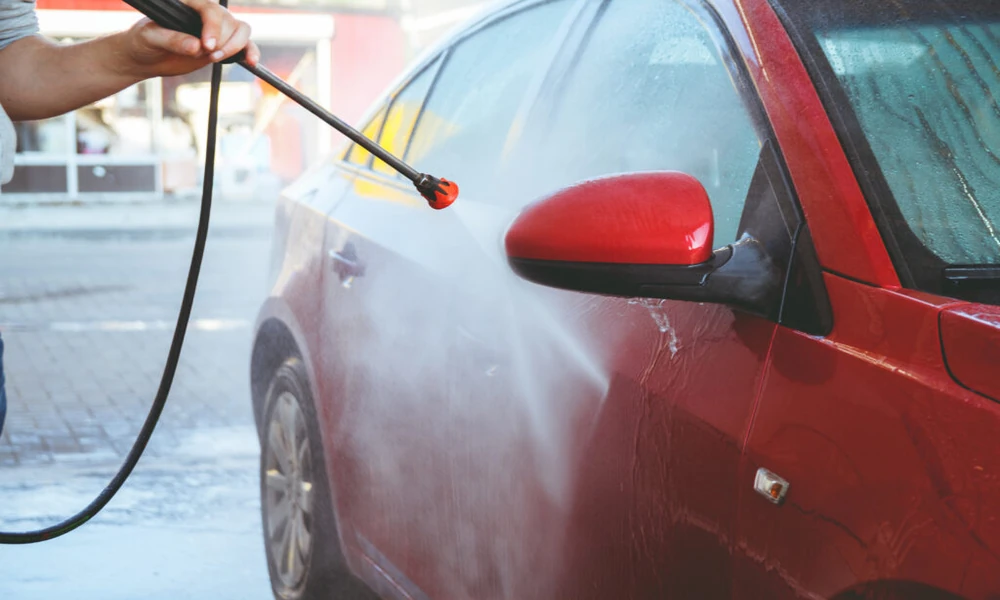
Anyone who’s pulled into a car wash tunnel on a Saturday morning has probably wondered, at some point, whether that’s really enough. The car comes out dripping and shiny, the interior gets a quick vacuum if you spring for the upgraded package, and for a few days it looks brand new. Then the dust settles back in, the dashboard starts to look a little hazy, and you’re back in line the following month. So is car detailing worth it, or is that just a more expensive way to get the same result?
The honest answer is that it depends on what you’re trying to protect – and for how long. A car wash and a detail aren’t really competing services; they’re solving different problems. Understanding that distinction is the fastest way to figure out which one your vehicle actually needs.
What a Regular Car Wash Actually Does
A standard wash, whether it’s a drive-through tunnel or a self-serve bay, is built around speed and surface-level cleanliness. Rotating brushes or high-pressure jets knock loose dirt, road grime, and salt off the exterior, followed by a rinse and sometimes a quick spray wax. The whole process usually takes less than ten minutes.
That’s genuinely useful. Removing dirt, bird droppings, and road salt on a regular basis helps prevent surface contaminants from sitting on the paint and causing etching or staining. But a wash doesn’t touch what’s happening at a deeper level – the microscopic layer of grime bonded to the clear coat, the oxidation building underneath the surface, or the dust and allergens accumulating inside the cabin’s vents and upholstery.
What Detailing Actually Involves
Detailing is a more methodical process, and it’s usually broken into exterior and interior work, sometimes handled as separate services depending on what a vehicle needs.
On the exterior side, a proper detail typically includes a two-bucket hand wash, a clay bar or chemical decontamination step to pull embedded contaminants out of the paint, polishing to correct light scratches and swirl marks, and a protective layer of wax, sealant, or ceramic coating. Wheels, tires, exterior trim, and glass get individual attention rather than a single pass through a machine.
Interior detailing goes well beyond vacuuming. It usually involves steam cleaning or shampooing carpets and upholstery, conditioning leather, cleaning air vents, and addressing odors at the source rather than masking them. Some detailers also handle engine bay cleaning, headlight restoration, and paint correction for cars with more noticeable swirl marks or fading.
The time difference alone tells you something about the scope. A wash takes minutes; a full detail can take several hours, sometimes spread across more than one session for vehicles that haven’t been cared for in a while.
The Real Difference: Protection, Not Just Shine
This is where the “is car detailing worth it” question actually gets interesting, because the value isn’t really about how the car looks right after service – it’s about what happens to the paint over the following months.
Ultraviolet exposure is one of the most consistent threats a vehicle’s finish faces. UV rays penetrate the clear coat and gradually break down the paint’s molecular structure, a process that shows up as fading, dullness, and eventually a chalky texture as oxidation sets in. Independent materials testing has found that UV radiation is among the most destructive environmental factors automotive finishes are exposed to, degrading both paints and plastic components over time through this same breakdown process1.
A regular wash doesn’t do much to slow that process down. A wax, sealant, or ceramic coating applied during a detail creates a sacrificial barrier that absorbs UV exposure and environmental contaminants before they reach the paint itself. That’s a meaningful difference for anyone who parks outside regularly or lives somewhere with intense sun exposure for much of the year.
The Environmental Angle Nobody Talks About
There’s also a water-quality dimension to this comparison that rarely comes up. Washing a car at home, especially in a driveway or on pavement, sends soapy runoff – along with oil residue, brake dust, and other automotive grime – straight into storm drains. Unlike household wastewater, stormwater typically isn’t treated before it reaches local streams and waterways, which is why the EPA specifically flags residential car washing as a contributor to nonpoint-source pollution2.
Professional detailing and wash operations, particularly ones that use controlled water recovery or work on permeable, unpaved surfaces, are generally better positioned to manage that runoff responsibly. It’s a small consideration in the grand scheme of the wash-versus-detail debate, but it’s a reasonable factor for anyone trying to make a more environmentally conscious choice about vehicle care.
Interior Air Quality and Everyday Comfort
The cabin of a car accumulates dust, pollen, pet dander, and general debris faster than most people realize, especially with kids, pets, or long commutes involved. A vacuum pass at a wash tunnel picks up loose surface debris, but it doesn’t reach the fibers of the carpet, the seams of the upholstery, or the vents where dust tends to settle.
A full interior detail addresses those areas directly, which matters most for anyone who deals with allergies or simply spends a lot of time in their vehicle. It’s not a dramatic health intervention, but cleaner air circulating through the cabin is a tangible, everyday benefit that a five-minute vacuum simply can’t match.
Cost Comparison: What You’re Actually Paying For
A basic wash might run somewhere between $10 and $25, while a full detail can range from roughly $100 to $300 or more, depending on the vehicle’s size, condition, and the scope of work involved. On paper, that’s a significant gap.
But the comparison isn’t really apples to apples. A wash is a recurring, low-cost maintenance task meant to happen frequently – weekly or biweekly for a lot of drivers. Detailing is closer to a periodic investment, done every few months or a couple of times a year, aimed at correcting and protecting the vehicle rather than just cleaning it. Framed that way, the cost per visit matters less than the cost relative to what each service is actually accomplishing.
When a Regular Wash Is Enough
It’s worth being upfront here: not every car needs frequent detailing, and there’s no reason to feel like you’re neglecting your vehicle if you’re sticking to regular washes. A newer car that’s garaged most of the time, driven moderately, and washed consistently may not show much wear for years. If the paint still has its factory protection and the interior sees light use, a wash is often genuinely sufficient for day-to-day upkeep.
Detailing tends to matter more once a vehicle starts showing signs of neglect – dull or oxidized paint, stained upholstery, persistent odors, or visible swirl marks under direct light. At that point, a wash can clean the surface, but it can’t correct or restore what’s already happened underneath it.
When Detailing Pays for Itself
Where detailing tends to justify its cost most clearly is around resale value and long-term protection. A vehicle with well-maintained paint, a clean interior, and no lingering odors consistently presents better to buyers than one that’s simply been washed regularly but never deeply cared for. For anyone planning to sell or trade in a vehicle within the next year or two, a thorough exterior service – including decontamination, polishing, and a protective sealant – can meaningfully change a buyer’s first impression, which is exactly the kind of work covered in a full exterior detailing service rather than a standard wash package.
The same logic applies to leased vehicles, where excessive wear can trigger charges at turn-in, and to daily drivers that spend most of their life parked outside under direct sun. In both cases, the goal isn’t just cleanliness – it’s slowing down the wear that a wash alone can’t prevent.
So, Is Car Detailing Worth It?
There’s no single answer that applies to every car or every driver. A regular wash is a perfectly reasonable habit for routine upkeep, and there’s nothing wrong with relying on one for most of the year. Detailing earns its place when the goal shifts from cleaning to protecting – guarding against UV damage, correcting existing wear, or maintaining resale value on a vehicle you plan to keep looking its best.
For drivers trying to figure out where their own car falls on that spectrum, it’s usually worth getting an honest assessment rather than guessing. Teams that work on vehicles daily, like Pedraza’s Mobile Detailing, can typically tell within a few minutes whether a wash will hold you over or whether the paint and interior are due for something more thorough.

Comments are closed.