Author

Jon Roberts

Browsing

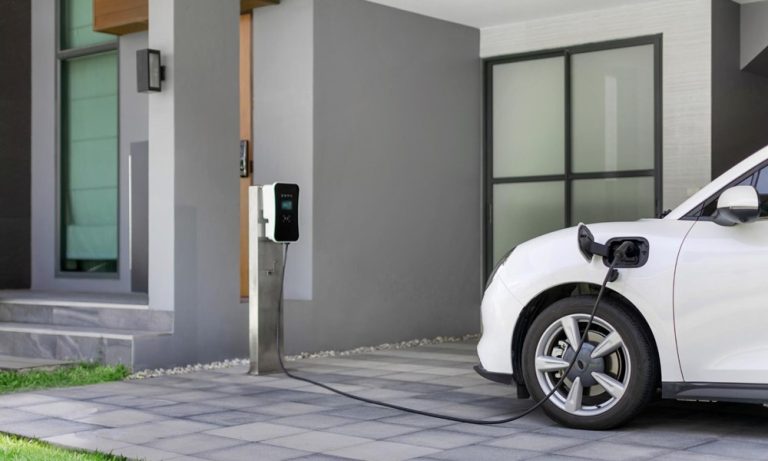
Installing an EV charger at home transforms how you power your electric vehicle, offering convenience and cost savings compared to public charging stations. However, the installation process involves more than selecting a charger and mounting it on your wall. Your home’s electrical capacity, local permitting requirements, and proper wiring configuration all determine whether your installation goes smoothly or encounters costly delays.

Understanding the key factors before you begin-from electrical panel capacity to charger placement-helps you avoid common mistakes that lead to safety issues or failed inspections. Many homeowners overlook critical details like circuit amperage requirements, the difference between hardwired and plug-in units, and future-proofing considerations for panel upgrades.

This guide walks you through essential tips for a successful installation and explains when to hire a professional electrician versus tackling simpler aspects yourself. You’ll learn how to evaluate your electrical system, navigate permit requirements, and make informed decisions about charger specifications that match your vehicle and home setup.

Key Tips for Successful EV Charger Installation

Installing an EV charger requires careful planning across several critical areas. You’ll need to select the right charger type, find an optimal location, verify your electrical system can handle the load, and navigate permit requirements.

Home charging provides predictable energy usage and the convenience of starting each day with a full battery. EV Charger Installation Burlington services typically include panel inspection and breaker configuration tailored to your home.

For Oakville homeowners, a professional Electric Car Charger Installation Oakville ensures optimized amperage settings and safe long-term charging performance.

Understanding EV Charger Types

Level 1 chargers use a standard 120V household outlet and provide the slowest charging speed at 3-5 miles of range per hour. These work for occasional drivers but rarely meet daily needs for most EV owners.

Level 2 chargers operate on 240V circuits and deliver 25-40 miles of range per hour, making them the standard choice for home charging. They require dedicated wiring and typically use a hardwired connection or a NEMA 14-50 outlet.

The power output of Level 2 chargers ranges from 16 to 80 amps, with most residential installations using 32 to 40 amp units. Your vehicle’s onboard charger determines how much power it can accept, so a higher-amperage home EV charger won’t necessarily charge faster if your vehicle has limitations.

Consider smart chargers that offer features like scheduling, energy monitoring, and Wi-Fi connectivity. These allow you to charge during off-peak hours when electricity rates are lower.

Choosing the Ideal Location for Your Home EV Charger

Mount your charger where you typically park, keeping the cable length in mind. Most Level 2 chargers include 18-25 foot cables, but you should minimize cable stretch across walkways to prevent tripping hazards.

Garages provide the best protection from weather and security concerns. If you must install outdoors, choose a charger with a NEMA 4 or higher rating for weather resistance.

The location should be within reasonable distance of your electrical panel to reduce wiring costs. Every additional foot of wire run increases installation expenses, especially if trenching or conduit work is required.

Wall-mounted installations work best at 4-5 feet off the ground for easy cable handling. Avoid placing chargers where car doors might strike them when opening or where they block access to other garage features.

Assessing Home Electrical Capacity

Your electrical panel must have sufficient capacity to support EV charger installation without overloading the system. Most homes have 100, 150, or 200-amp service panels.

A Level 2 charger drawing 40 amps requires 50-amp circuit capacity following the 80% rule for continuous loads. Calculate your existing electrical load by adding up all major appliances, HVAC systems, and other draws to determine available capacity.

If your panel lacks available slots or capacity, you’ll need a panel upgrade or load management system. Load management devices can automatically reduce charging power when other high-draw appliances operate, preventing overloads.

Older homes with 100-amp service may require a complete electrical service upgrade to support a Level 2 charger alongside existing loads. This adds $1,500-$3,000 to installation costs but increases your home’s overall electrical capacity.

Permits and Local Code Requirements

Most jurisdictions require permits for ev charger installations since they involve electrical work and circuit additions. Your electrician typically handles permit applications, but you should verify local requirements early in the planning process.

Building codes mandate specific wire gauges, circuit breaker sizes, and GFCI protection based on the charger’s amperage. The National Electrical Code provides baseline standards, but local amendments may impose stricter requirements.

Inspection timelines vary by municipality, ranging from same-day approval to several weeks of waiting. Factor these delays into your installation schedule to avoid surprises.

Some areas offer expedited permits for EV charger installations to encourage electric vehicle adoption. Homeowner associations may also have approval processes separate from municipal permits, particularly for exterior installations or attached garages visible from common areas.

Professional Installation and Best Practices

Professional EV charger installation requires careful planning, proper electrical infrastructure, and adherence to safety standards. Working with qualified professionals ensures your charging system operates safely, meets local codes, and provides reliable performance for years to come.

When to Hire a Licensed Electrician

You need a licensed electrician for virtually all EV charger installations beyond basic Level 1 charging. Level 2 chargers typically require 240-volt circuits with dedicated breakers, and any work involving your electrical panel or new circuit installation must comply with the National Electrical Code (NEC) and local regulations.

A licensed electrician ensures proper wire gauge selection, adequate circuit protection, and correct grounding. They can identify potential issues with your existing electrical system before problems arise. Most jurisdictions require permits for EV charger installations, and inspectors will only approve work completed by licensed professionals.

Insurance and warranty protection provide additional reasons to hire qualified electricians. DIY installations often void manufacturer warranties and may create liability issues if electrical problems occur. Licensed electricians carry proper insurance to protect you from installation-related damages.

Electrical Panel Upgrade Considerations

Your existing electrical panel may need upgrading before installing an EV charger. Most homes have 100-amp, 150-amp, or 200-amp service, and a Level 2 charger typically draws 30-50 amps during operation.

An electrical panel upgrade becomes necessary when:

  • Your current panel lacks available breaker slots
  • Total electrical load exceeds 80% of panel capacity
  • The panel uses outdated technology like fuses instead of breakers
  • You plan to add multiple EV charging stations

Panel upgrades typically cost $1,500-$4,000 depending on required amperage and complexity. A 200-amp service panel provides sufficient capacity for most homes with one or two EVs. Your electrician should perform a load calculation to determine if your current service adequately supports installing an EV charger alongside existing electrical demands.

Some utilities offer rebates or incentives for panel upgrades related to EV infrastructure. Check with your local utility before scheduling work.

Installation Process Steps

The installation process begins with a site assessment. Your electrician evaluates the planned charger location, measures the distance from your electrical panel, and identifies any obstacles like walls or landscaping that affect installation costs.

Next comes permit acquisition. Your electrician typically handles permit applications with local building departments. This step ensures your installation meets all code requirements and includes scheduled inspections.

The physical installation includes:

  • Installing a dedicated circuit breaker in your electrical panel
  • Running appropriate gauge wire from panel to charger location
  • Mounting the charging unit at the proper height (typically 48 inches from ground)
  • Connecting the charger to the circuit and grounding system
  • Installing any required conduit for wire protection

Final inspection by local authorities confirms code compliance. The inspector verifies proper wire sizing, secure connections, appropriate clearances, and correct breaker ratings.

Post-Installation Testing and Maintenance

Your electrician should test the charging system before you use it. Testing includes verifying proper voltage at the charger, checking ground fault protection, and confirming the unit communicates correctly with your vehicle.

Regular maintenance keeps your charger functioning reliably. Inspect the charging cable monthly for damage, cracks, or exposed wiring. Keep the charger face clean and free from debris or moisture accumulation.

Schedule annual inspections with your electrician to check:

  • Connection tightness at the electrical panel
  • Wire insulation condition
  • Proper operation of safety features
  • Software updates for smart chargers

Most residential chargers require minimal maintenance, but DC fast charger units and commercial EV charging stations need more frequent professional servicing. Keep installation documentation, warranty information, and inspection records accessible for future reference or troubleshooting needs.

Monitor your charger’s performance through its app or display. Unusual behavior like slower charging speeds or error messages indicates potential issues requiring professional attention.

Financing a collector car is exciting-until you hit the paperwork phase and realize how many moving pieces are involved. The good news is that most of the process is straightforward when you’re prepared. Having the right documents ready early helps your purchase move faster, reduces back-and-forth, and protects you from surprises-especially if you’re buying out of state or working with a private seller.

Below is a simple, practical checklist of the most common documents you’ll need for collector car loans. (Exact requirements can vary depending on the lender, the vehicle, and whether it’s a dealer or private-party purchase-but this list will cover the essentials in nearly every scenario.)

1) Government-Issued Photo ID

This one is basic but required: a valid driver’s license or state ID.

Why it matters: it verifies identity and is used for standard compliance checks.
Pro tip: make sure it’s not expired and that your address is up to date when possible.

2) Proof of Insurance (Or Insurance Binder)

Many lenders require proof that the vehicle will be insured before funding is finalized. For collector cars, you may be using specialty coverage (often an agreed value policy), which is totally normal.

What it might look like:

  • an insurance card
  • a binder letter from your agent showing coverage effective date, VIN, and limits

Pro tip: get quotes early-insurance can take longer to finalize on rare vehicles.

3) Purchase Agreement / Buyer’s Order (If Buying From a Dealer)

If you’re purchasing through a dealer, you’ll typically need the buyer’s order or purchase agreement outlining the full deal.

It usually includes:

  • vehicle year/make/model
  • VIN
  • purchase price
  • fees and taxes (if applicable)
  • deposit amount
  • dealer information

Pro tip: verify the VIN matches the listing and the vehicle you inspected.

4) Bill of Sale (Especially for Private-Party Purchases)

For private sales, a formal bill of sale is critical. It confirms the transaction terms and helps protect both buyer and seller.

A solid bill of sale should include:

  • buyer and seller names and addresses
  • VIN, year, make, model
  • sale price and date
  • odometer disclosure (where required)
  • signatures

Pro tip: avoid vague “handshake” paperwork. Clean documentation makes financing and registration smoother.

5) Title Documentation (Or Payoff/Lien Information)

This is one of the biggest bottlenecks in collector car financing: the title.

Depending on the situation, you may need:

  • a copy/photo of the front and back of the title (if in hand)
  • lienholder information if there’s an existing loan
  • payoff statement if the title is held by a bank/lienholder

Pro tip: ask early: “Is the title in hand?” If not, “Who holds it and how fast can it be released?” Title delays are common, especially across state lines.

6) Vehicle Listing Details or Spec Sheet

Even if it seems redundant, lenders often want a clear description of the car being financed.

This may include:

  • the original online listing (screenshot or link details)
  • a dealer spec sheet
  • documentation of major features/options

Why it matters: it supports the collateral file (the vehicle’s identity and value).

7) Odometer Disclosure Statement (When Applicable)

Some states and transactions require an odometer statement, especially for newer vehicles. Many collector cars are older and may be exempt depending on age/state rules-but don’t assume.

Pro tip: if the odometer has rolled over, is non-functional, or is exempt, make sure paperwork reflects that accurately. Inconsistencies can stall a deal.

8) Proof of Income (Or Ability to Repay)

Not every lender asks for the same income documents, but it’s common to request proof of income or financial standing-especially for larger loan amounts.

Examples include:

  • recent pay stubs
  • W-2s or 1099s
  • tax returns (often for self-employed buyers)
  • bank statements (sometimes used to verify funds or reserves)

Pro tip: if you’re self-employed, have last year’s returns and a recent bank statement ready. It can speed up underwriting.

9) Proof of Address

This may be required if your ID doesn’t clearly show your current address or if the lender needs secondary verification.

Common documents:

  • utility bill
  • bank statement
  • lease/mortgage statement

Pro tip: use something recent (usually within the last 30-60 days).

10) Appraisal or Inspection Report (Sometimes Required, Often Helpful)

For collector cars-especially rare models, high-value vehicles, or unique builds-some lenders may request an appraisal, inspection, or condition report.

This could be:

Why it matters: it supports the vehicle’s condition and value, and it protects you from buying a problem car remotely.

Pro tip: even if it’s not required, a pre-purchase inspection is one of the best “documents” you can buy.

Quick Prep Tips

  • Create a dedicated folder (digital + printed) for all documents
  • Double-check VIN consistency across every page
  • Clarify title status before you send deposits or schedule transport
  • If buying out of state, confirm your DMV requirements early

When you have these items ready, financing a collector car becomes less like chasing paperwork and more like a clean, confident purchase. The checklist above keeps the process organized-and helps you get from “listing saved” to “keys in hand” without unnecessary delays.

Taking care of a commercial truck is not just about making sure that it runs. You also want it to stay good to drive, safe, and keep its value over the years. When you use a full-service truck dealership for regular check-ups and work, you know your trucks get help from people who know what they are doing. They use the right parts and follow the right steps. Doing regular work on your trucks can help them last more years. Over time, this means you can save cash and your trucks are off the road.

Better-qualityPresentation and Fuel Efficiency

Taking care of a truck regularly can make a big change in how it works. If you save the engine in good condition, it will work well. This can help the truck use less fuel and give stable power when you want it.

  • Cleaning filters and changing oil when you should help your engine work better.
  • Having the right tire pressure can help your car use less gas.
  • Checking your car’s organization that changes workings often stops power problems and helps you shift gears the right way.

Undertaking regular check-ups helps to clear the problems early. This lets the business run well and make more money.

Extended Lifespan and Asset Protection

Buying commercial trucks can cost a lot of money. So, you need to take good care of them. If you get regular check-ups at a trusted truck dealership, your trucks stay in good shape. This also protects the money that you spend on them.

  • Stops engine and part wear before it starts too soon
  • Keeps resale value high by making sure all records are kept
  • Lowers the chance of big repairs that happen when parts do not get care

Fleets that get regular care often run well for more years. This helps delay the need to buy new and expensive ones.

Comprehensive Services Under One Roof

A full dealership makes it easy to look after your car. You get everything you need in one place. This helps you save time. You do not have to talk to many other shops. It is good for you because it is simple and fast. You can just go to them for what you need.

Service TypeDescription
Protective MaintenancePlanned inspections and minor tune-ups
DiagnosticsDigital scanning for engine or system issues
RepairsBrake, suspension, electrical, engine work
Parts ReplacementOEM-certified parts installed on-site

Working with a full truck dealership for regular work on your trucks can give you many real benefits. You will get better performance and have trucks that last longer. You also feel safe knowing that all your needs are handled in one place. This helps your daily work go smoother and is good for your money over time. If you have a group of trucks, keeping them working well is not just something you should do. It is a smart way to help your business grow as time goes on.

You can reduce stress, save money, and save time by selecting the best vehicle repair company. Since your automobile plays a significant role in your everyday activities, it should receive the maintenance it needs to function properly. However, it can be challenging to know where to begin when there are numerous options available. The top auto repair shops prioritize providing excellent customer service and are trustworthy and knowledgeable. They treat you with respect and provide clear explanations. Every time your vehicle requires maintenance, you want to know that it is in competent, safe hands. 

Below are five easy ways to help you pick the right shop for your vehicle needs. 

Ask for recommendations

Start with those you can trust. Neighbors, friends, or relatives can provide candid criticism. They could know of a shop that consistently produces quality work. This might assist you in avoiding negative events. Word-of-mouth frequently reveals more than internet evaluations or advertisements. 

Check online reviews and ratings

Look up the name of the store online. Look for websites that may display reviews and ratings from users. See what others have to say about the staff’s conduct, the service, and the price. A store with a lot of positive ratings is usually a safer option. 

Visit the shop first 

Stop by the shop before you get out of your automobile. Verify that it appears tidy and well-organized. Speak with the employees. Do they want to clarify things and are they courteous? A reputable store will welcome inquiries and provide concise responses. You ought to feel valued and at ease. 

Look for certifications and experience

Trained and competent staff are frequently found in a certified shop. Inquire about the ASE certification of their mechanics. Check out the shop’s opening time. Repairs of all types are often handled by a facility that has been in operation for many years. 

Compare prices but do not go too cheap

Ask two or three stores for quotations. Not always is the least expensive option the best one. A significantly lower quote might indicate hurried production or low-quality parts. Long-term value is higher when a fair price is combined with quality service. 

To sum up 

It takes some work to find the best repair company, but the effort is worthwhile. You are looking for a location that solves issues without creating new ones. You will feel more certain while making your decision if you follow the above advice. Every time your automobile requires repair, you may rest easy knowing that the business is trustworthy. 


In today’s competitive business landscape, investing in an EV van in Singapore offers forward-thinking companies a strategic advantage that goes beyond mere transportation. As Singapore accelerates its green transition under the Singapore Green Plan 2030, commercial electric vehicles have emerged as a practical solution for businesses looking to reduce operational costs while demonstrating environmental responsibility. With government incentives, expanding charging infrastructure, and significant long-term savings, there’s never been a better time to electrify your commercial fleet.

The Growing EV Ecosystem in Singapore

Singapore has committed to an ambitious vision of achieving 100% cleaner energy vehicles by 2040, with all new vehicle registrations required to be cleaner-energy models from 2030 as part of the nation’s commitment to greening the land transport system and reducing emissions in support of its net-zero goal. The island is rapidly developing its EV charging network, with plans to deploy 60,000 charging points by 2030, making range anxiety a thing of the past.

For businesses, this transition represents both an opportunity and a necessity. The government has already announced that no new diesel cars and taxis will be allowed to be registered from 2025 as the shift toward cleaner energy vehicles accelerates, signalling a clear direction for the future of transport in Singapore.

Compelling Financial Benefits

Significant Government Incentives

Commercial Vehicle Emissions Scheme (CVES):

Offers a substantial S$15,000 rebate for electric light goods vehicles, depending on the vehicle’s emissions profile

Vehicular Emissions Scheme (VES):

Provides rebates up to S$25,000 for the cleanest vehicles for cars in Band A1, which produce the least emissions

Lower Road Tax:

Singapore’s Land Transport Authority has adjusted the EV road tax to align more closely with petrol-powered vehicles, ensuring EVs are taxed similarly to comparable internal combustion engine vehicles of similar makes and luxury levels

Reduced Operating Costs

Lower Fuel Expenses:

According to Renault, businesses can save approximately S$5,286 annually when using an electric commercial vehicle compared to a combustion engine equivalent, assuming a mileage of 30,000km per year

Reduced Maintenance:

With fewer moving parts and simpler mechanical systems, electric vans require less frequent servicing and have fewer components that can fail

Longer Vehicle Lifespan:

Electric motors typically last longer than internal combustion engines, potentially extending the useful life of your commercial vehicles

Operational Advantages for Urban Deliveries

Commercial electric vans offer distinct advantages that are particularly valuable in Singapore’s urban environment:

Superior Urban Mobility:

Many electric vans feature tight turning radii ideal for navigating Singapore’s narrow streets, offering quiet, emission-free deliveries

Quiet Operation:

Electric vans produce minimal noise, allowing for night deliveries without disturbing residential areas

Instant Torque:

Electric motors deliver power immediately, making stop-and-go city driving more efficient

No Idling Emissions:

Zero tailpipe emissions when stopped in traffic or during loading/unloading

Available EV Van Options in Singapore

The market for commercial electric vans in Singapore has expanded significantly, with multiple options now available to suit different business needs:

Renault Kangoo E-Tech Electric:

Features a 45.6 kWh battery with approximately 300km range and a generous 4300 L boot capacity offering significant yearly savings compared to combustion engine alternatives

BYD T3 Electric:

Equipped with a 44.9kWh battery providing around 280km range and 3,800 L of boot space with a 0.7 ton payload, ideal for companies regularly transporting goods around Singapore

LEVC VN5:

Features exceptional urban mobility with its tight turning radius and stylish European-influenced design offering an electric range of over 102km and a total driving range of 513km

DFSK EC35:

Provides 4.8m³ loading space in a 2-seat layout with impressive battery range, specifically designed to cater to business needs

Charging Infrastructure Solutions

Businesses have multiple options for keeping their electric commercial vans charged and ready:

Dedicated Charging Stations:

Install private charging infrastructure at your business premises for exclusive use by your fleet vehicles

Public Charging Network:

Access Singapore’s growing network of public charging stations with real-time availability viewable through the MyTransport.SG mobile application

Fast Charging Options:

Many newer EV vans support DC fast charging, allowing 20-80% charges in as little as 30-40 minutes, minimising downtime

Fleet Management Software:

Advanced tools help monitor vehicle locations, battery levels, and optimise charging schedules, improving operational efficiency

Environmental Compliance and Corporate Responsibility

Beyond the direct business benefits, electric commercial vans help companies:

Meet Emissions Regulations:

Comply with Singapore’s Environmental Protection and Management (Vehicular Emissions) Regulations, avoiding potential fines up to S$2,000 for first offences and S$5,000 for subsequent violations

Enhance Brand Image:

Demonstrate your company’s commitment to sustainability and environmental responsibility

Improve Working Conditions:

Provide drivers with a quieter, vibration-free, and emission-free working environment, reducing stress and health risks associated with vehicle pollutants like nitrogen oxides

Support National Sustainability Goals:

Contribute to Singapore’s vision of a cleaner, greener future

Making the Transition

Many EV van providers in Singapore offer test drives to help businesses evaluate these vehicles before purchase. This hands-on experience allows you to assess factors like range, cargo capacity, and driver comfort in real-world conditions, helping you determine suitability for your commercial operations.

Additionally, financing options are available to make the transition more affordable. The combination of government incentives and lower operating costs often results in a compelling total cost of ownership that can be significantly lower than conventional diesel or petrol vans over the vehicle’s lifetime.

Conclusion

The shift to electric commercial vehicles represents a rare opportunity where environmental responsibility aligns perfectly with business interests. With government support, expanding infrastructure, and compelling economic benefits, investing in a commercial electric van isn’t just an environmentally conscious choice—it’s a smart business decision that positions your company for future success in Singapore’s evolving transportation landscape.

As a dog owner, you understand the delight of having your furry buddy join you on vehicle journeys. The automobile can soon become a chore to clean with all the shedding, grime, and possible messes. A dog car seat cover is, therefore, a really easy fix. By shielding your automobile from wear and tear brought on by your pet, this item not only keeps your car clean but also saves you time and money over time.

Protecting the Material of Your Car

Investing in the cover helps to save your car’s upholstery from harm, which is one of its main justifications. These cover keeps your seats in immaculate condition, whether it’s fur, dirt, or scrapes, by acting as a protective barrier. Without a cover, continual contact with your pet’s claws and fur can cause lasting stains or smells. With time, this can reduce the value of your car. It will help you to maintain the interior of your car and prevent expensive cleaning services or repairs.

Minimizing Cleaning Time and Labor

Dirt or food crumbs could travel across the automobile; fur can become caught in the fabric of your seats. A dog car seat cover lets you just take off the cover and shake it off or throw it into the washing machine. This fast, simple technique lets you spend more time appreciating your pet’s company by saving you hours of vacuuming and scrubbing.

Making Your Dog Comfortable

A dog seat cover guarantees a pleasant experience for your pet as much as it protects your car. Many seat covers are made of soft, cushioned fabrics that cushion your dog. This especially keeps your dog from sliding about during quick spins or stops. Investing in a good-quality dog car seat cover also shows concern for your dog’s comfort on car rides, hence improving the experience for both of you.

Long-Term Savings on Costs

Although a dog seat cover is a fairly small initial cost, it provides great long-term savings. By keeping your car’s upholstery protected from wear and tear, a dog car seat cover helps you prevent these costs. The cover’s lifetime also guarantees that it will last through several excursions, thereby offering ongoing value over time. Any dog owner would be wise and sensible to get a dog seat cover. Not only does it prevent damage to your car, but it also guarantees your dog’s comfort and simplifies cleaning to be quicker and more effective. It’s a little expenditure with great rewards in both time and money saved.

Car detailing goes beyond a simple wash, providing a deep clean and protection that restores a vehicle’s appearance to showroom condition. Professional detailing involves a meticulous process that addresses both the interior and exterior of the car. Automobicon car detailing offers comprehensive services designed to enhance your vehicle’s aesthetics and longevity.

  1. Exterior Detailing: Restoring the Car’s Shine

The exterior is the first aspect of a car that catches attention, and detailing ensures it looks impeccable.

  • Washing and Decontamination:
    • A thorough wash removes dirt, grime, and road debris.
    • Clay bar treatment eliminates embedded contaminants that washing alone cannot remove.
  • Polishing and Paint Correction:
    • Polishing restores the car’s original shine and eliminates swirl marks.
    • Paint correction removes minor scratches, leaving a smooth, flawless surface.
  • Protective Coatings:
    • Wax or ceramic coating adds a protective layer, enhancing gloss and protecting against UV rays and environmental damage.

These steps restore the car’s factory-fresh appearance and protect it from future wear.

  1. Interior Detailing: Enhancing Comfort and Cleanliness

A clean interior not only looks good but also improves the overall driving experience.

  • Vacuuming and Steam Cleaning: Removes dirt, dust, and allergens from carpets, seats, and hard-to-reach areas.
  • Leather and Fabric Care:
    • Leather seats are conditioned to prevent cracking and maintain a supple texture.
    • Fabric seats are shampooed and treated for stain removal.
  • Dashboard and Console Cleaning: Dust and fingerprints are wiped away, leaving a polished, like-new finish.

These techniques create a fresh, inviting interior space.

  1. Engine Bay Cleaning: Improving Performance and Longevity

Although often overlooked, cleaning the engine bay is a crucial part of car detailing.

  • Degreasing and Rinsing: Removes oil and grime buildup that can affect engine performance.
  • Protective Coatings: Prevents rust and corrosion on metal components.
  • Visual Appeal: A clean engine bay reflects meticulous care and maintenance, which can enhance resale value.

This step ensures the engine runs smoothly and looks well-maintained.

  1. Wheels and Tires: Achieving a Polished Finish

Wheels and tires often accumulate dirt and brake dust, detracting from a car’s overall appearance.

  • Deep Cleaning: Removes tough grime from rims and tires.
  • Tire Dressing: Adds a glossy finish, enhancing the car’s look.
  • Protective Coating on Rims: Prevents buildup of brake dust and makes cleaning easier in the future.

Clean, shiny wheels complete the polished look of a detailed car.

  1. Benefits of Professional Car Detailing
  • Enhanced Appearance: Restores the car’s exterior and interior to pristine condition.
  • Long-Term Protection: Protective coatings extend the life of paint, upholstery, and other components.
  • Increased Resale Value: A well-maintained car attracts higher offers from buyers.
  • Improved Driving Experience: A clean, fresh-smelling interior makes driving more enjoyable.

Professional detailing is an investment in the car’s overall quality and longevity.

Conclusion

Car detailing is a transformative process that enhances a vehicle’s appearance and preserves its value. By offering both exterior and interior care, Automobicon car detailing ensures your car remains in top condition. Whether you’re preparing for a special occasion or simply want to enjoy a pristine ride, professional detailing provides unmatched results.

Keeping your car clean can be a time-consuming task, especially when life gets busy. Fortunately, automatic car washes have revolutionized the way we maintain the appearance of our vehicles. These automated systems offer convenience, speed, and consistent results, making them a popular choice among car owners. If you’re looking for the best automatic car wash, it’s essential to consider factors like cleaning effectiveness, pricing, eco-friendliness, and the types of services offered.

  1. Why Choose an Automatic Car Wash?

Automatic car washes are designed to clean your vehicle quickly and efficiently, eliminating the need for manual labor. These systems typically consist of a conveyor belt that moves your car through a series of stage pre-wash, soap application, scrubbing, rinse, and drying. The benefits of choosing an automatic car wash include:

  • Time-Saving: A typical automatic car wash can clean your vehicle in under 10 minutes, allowing you to continue with your day.
  • Consistency: Automatic systems provide uniform results, ensuring that every part of your car is thoroughly cleaned.
  • Convenience: Many automatic car washes offer drive-thru services, making it easy to get your car washed without leaving your vehicle.
  1. Types of Automatic Car Washes

There are various types of automatic car washes, each designed for different needs:

  • Touchless Car Wash: These systems use high-pressure water jets and detergents to clean the car without any physical contact. They are gentle on the vehicle’s surface and ideal for owners concerned about paint damage.
  • Soft Cloth Car Wash: In contrast, soft cloth car washes use rotating fabric brushes to scrub the car. These systems are highly effective at removing dirt and grime, but there’s a risk of minor scratches if the brushes aren’t properly maintained.
  • Tunnel Car Wash: Tunnel washes are large-scale systems that move cars through a series of cleaning stations, offering more comprehensive services like waxing and undercarriage cleaning.
  1. Top Features to Look for in the Best Automatic Car Wash
  • Eco-Friendliness: Look for بهترین کارواش اتوماتیک تهران that use environmentally friendly soaps and employ water recycling systems. Some of the top automatic washes use minimal water, making them a sustainable choice.
  • Quality of Equipment: High-quality, well-maintained equipment is crucial to ensuring that your car is cleaned effectively without damaging the surface.
  • Range of Services: The best automatic car washes offer various packages, including options for waxing, tire cleaning, and undercarriage washes, allowing you to customize your experience.
  • Customer Experience: Speed, efficiency, and customer service play a major role in choosing the right wash. Many locations offer loyalty programs or subscription services for regular customers.
  1. Popular Automatic Car Wash Chains

Some of the top automatic car wash chains in the market include:

  • Clean Car Wash: Known for its touchless systems and environmentally conscious approach, Mr. Clean offers quick and efficient services with a variety of packages.
  • Wash Tub: Offering both touchless and cloth-based washes, Wash Tub is praised for its consistent results and customer satisfaction.
  • Quick Quack Car Wash: Popular for its fast service and unlimited monthly wash packages, Quick Quack focuses on both quality and affordability.


Window auto tinting service isn’t only about looks; it’s a technology supported by science that provides many advantages, from shielding your car’s interior to keeping you healthy. In this blog, we’ll explore the science behind window tints, looking at how they function and the different ways they make your driving better and your vehicle last longer.

Understanding Window Tints 

Window tints are thin layers of film made of materials like polyester or metalized coatings. They’re put on the inside of glass surfaces, usually in cars, to change how much light gets through. This change happens because the film absorbs, reflects, and spreads out sunlight.

The Science Behind Protection:

  1. Heat Reduction: Window tints cut down on the solar heat that gets into your car. They do this by soaking up and bouncing back some of the sun’s heat. The tint acts like a wall, stopping heat from building up and making it nicer inside your car.
  2. UV Radiation Blocking: UV rays from the sun can harm your skin and your car’s insides. Good window tints are made to stop a lot of UV rays, which helps lower the chance of skin cancer and stops your upholstery and dashboard from fading.
  3. Glare Reduction: Glare from the sun and headlights can make it hard to see and strain your eyes, which can be dangerous. Window tints cut down on glare by spreading out light as it goes through the film, making driving more comfy and safer.
  4. Enhanced Privacy: Window tints give you more privacy by making it harder to see inside your car from the outside. This not only stops potential thieves but also makes you feel safer, especially when parking in public places.

The Role of Nanotechnology 

Improvements in window tinting technology have brought about nanoceramic films. These films use tiny particles, usually ceramic, which work better than older tinting materials.

Nanoceramic films offer better heat rejection, UV protection, and clear vision without messing up electronic signals. They’re also tougher and less likely to change color or get bubbles over time, so they keep working well and looking good for longer.

Regulatory Compliance and Safety

It’s important to make sure the window tint on your car follows the rules about how much light can get through. Tint that’s too dark can make it hard to see, especially at night, which makes accidents more likely. That’s why it’s smart to talk to experts who know the laws and can put on tints safely and well.

Window tinting isn’t just about looks—it’s a scientifically designed way to make driving better and keep you and your car safe. From keeping out heat and UV rays to giving you more privacy and making driving safer, window tints have lots of good things going for them. Scientists have studied them a lot and keep finding new ways to make them better. So, if you haven’t thought about tinting your car’s windows yet, it might be worth looking into this proven technology and enjoying its many benefits.

This post was written by a professional at M Tint. M Tint is your ultimate destination for professional window tinting services in N. Hollywood, CA. With over 20 years of unparalleled expertise in the industry, we have established ourselves as the go-to specialists for all your window tinting needs. At the heart of our company is Marcos, our esteemed owner, who has dedicated his career to mastering the art and science of window tinting. Under his leadership, M Tint has grown into a reputable and trusted name, synonymous with quality, precision, and customer satisfaction. Click here to learn more!


The ideal car loan is essential for sculpting your financial landscape and contentment. Whether you’re aiming for a shiny new vehicle or a dependable used car, grasping the nuances of car loans is vital to securing the most advantageous arrangement available.

  • Loan principal – This denotes the amount borrowed from the lender to fund your vehicle purchase, calculated by deducting any down payment or trade-in value from the total car price.
  • Interest rate – The interest rate signifies the percentage of the loan amount you’ll pay in addition to the principal. These rates vary based on factors such as your credit score, loan term, and the lending institution.
  • Loan term – This indicates the duration you’ll repay the loan, typically 24 to 84 months. Opting for a shorter term often results in lower interest rates but higher monthly payments, while longer terms lead to lower monthly payments but increased overall interest costs.
  • Down payment – The down payment is the money you put towards purchasing the car upfront. A larger down payment results in lower monthly payments and a shorter loan term.
  • Credit score – The most important factor lenders consider when evaluating your car loan application is your credit score. A higher credit score typically means better interest rates and more favourable loan conditions. If you find the need for more details, visit MrKumka.com.

Strategies for securing the best car loan conditions

  1. Improve your credit score

Your credit score determines the interest rate and loan terms you’ll receive. Start by reviewing your credit report and addressing any errors or inaccuracies. Then, take steps to improve your credit score, such as paying down debts, maintaining a low credit utilization ratio, and making all your payments on time.

  1. Shop around for lenders

Shop and compare offers from multiple sources, including banks, credit unions, and online lenders. Each lender may have different interest rates, loan terms, and eligibility requirements, so exploring your options is essential.

  1. Obtain pre-approval

Getting pre-approved for a car loan before you start shopping for a vehicle gives you several advantages. It lets you understand your budget better, negotiate more effectively with dealerships, and secure better loan conditions.

  1. Consider a shorter loan term

While longer loan terms may seem more appealing due to lower monthly payments, shorter terms often come with lower interest rates. Opting for a 36- or 48-month loan, for example, saves you a significant amount of money over the life of the loan.

  1. Negotiate with the lender

Once you’ve received quotes from multiple lenders, don’t hesitate to negotiate. Explain your financial situation, highlight your strong credit, and ask the lender if they’re willing to offer a lower interest rate or more favourable loan conditions.

  1. Explore discounts and incentives

Many lenders offer discounts and incentives to help you secure the best possible car loan conditions. These may include rate reductions for automatic payments, loyalty programs, or special offers for specific vehicle makes or models. Researching leads to significant long-term savings and a smoother overall car-buying experience.