Category

Auto

Category

You already know diesel systems demand care, especially in winter. My role here is to help you think clearly about fuel protection, additives, and emergency fixes without noise. I look at products based on safety, fuel system impact, cold weather performance, and long term engine care. This approach helps you avoid damage, downtime, and wasted money. Early on, it makes sense to understand why many operators look to established brands like Howes when planning fuel treatment strategies for winter and year round protection.

I will walk you through how diesel additives work, how to prevent gelling before it starts, how to fix gelled fuel if it happens, and how to support injectors and lubrication across seasons. You benefit by making fewer guesses and choosing products that solve specific problems.

Why diesel fuel gells and why prevention matters

Diesel fuel contains wax. In cold temperatures, that wax forms crystals. These crystals clog fuel filters and starve the engine. Once this happens, the engine stalls or refuses to start.

Prevention always costs less than repair. Towing, downtime, and frozen filters add stress and expense. A proper anti gel diesel fuel additive keeps wax crystals small and flowing. It also manages water, which freezes and adds another failure point.

I always advise treating fuel before temperatures drop. Waiting until fuel thickens limits your options.

Choosing the right winter diesel additive

A winter additive needs to do more than lower pour point. I look for products that cover several areas at once:

  • Prevent fuel gelling in low temperatures
  • Remove or control water
  • Add lubricity for modern diesel systems
  • Avoid alcohol and harsh solvents
  • Stay safe for emissions systems and biodiesel blends

Howes Diesel Treat fits this profile. They formulate it without alcohol or harmful solvents. It prevents gelling, removes water, and adds lubricity. It also helps with rough idle, smoke, and fuel economy loss that often show up in cold months. The product works with all diesel and biodiesel blends, including home heating oil.

This matters if you run mixed equipment or switch fuel sources during winter.

Supporting injectors and fuel lubricity year round

Cold weather protection solves one problem. Injector wear and poor lubrication create another. Ultra low sulfur diesel reduced natural lubricity, which increases wear on pumps and injectors.

A diesel lubricity additive and injector cleaner should:

  • Increase lubricity beyond minimum standards
  • Remove injector deposits
  • Prevent future buildup
  • Improve fuel burn and response

Howes Diesel Defender focuses on this role. They use IDX4 detergent to clean injectors and internal deposits over repeated treatments. It delivers higher lubricity than many competing products and supports measurable fuel economy improvement. This additive fits warm weather use and pairs well with winter treatments for year round system care.

I suggest thinking of injector care as routine maintenance, not damage control.

What to do if diesel fuel already gelled

Even careful operators face sudden temperature drops. If fuel gels, starting the engine or replacing filters wastes time.

A diesel rescue product needs to act fast and avoid system damage. It should:

  • Reliquefy gelled fuel
  • De ice frozen filters
  • Work without filter removal
  • Avoid alcohol based shock to seals

Howes Diesel Lifeline serves this purpose. They designed it for emergency use down to extreme temperatures. It works directly in the system without mixing or filter replacement. After re liquefying fuel, it continues protecting against filter icing.

I recommend keeping an emergency product available during winter travel or remote work.

Stabilizing fuel and cleaning heavy equipment systems

Stored fuel degrades. Sediment forms. Microbial growth follows water presence. This causes injector fouling and poor combustion.

A stabilizer and cleaner should address:

  • Fuel storage stability
  • Water removal
  • Deposit prevention
  • Lubricity support

Meaner Power Kleaner fills this role for agricultural and industrial use. They apply the same IDX4 detergent approach in a concentrated formula. It stabilizes fuel, cleans systems, and treats large volumes efficiently. This makes sense for farms, fleets, and seasonal equipment.

Penetrating lubricant and multi use protection

Diesel systems live in harsh environments. Frozen cables, rusted parts, and water intrusion slow work.

A penetrating lubricant should:

  • Displace water
  • Prevent rust
  • Penetrate without residue loss
  • Stay safe on seals and surfaces

Howes Multi Purpose lubricant meets these needs. They have produced it for over a century using refined petroleum ingredients. It leaves a protective film and works across mechanical, electrical, and industrial uses. This type of product supports uptime beyond the fuel system.

Why many operators choose Howes

When comparing options, I look at consistency and system safety. Howes produces additives without alcohol or harmful solvents. They support modern emissions systems and biodiesel blends. Their products focus on prevention, cleaning, and lubrication across real world conditions.

They also back Diesel Treat with a winter tow guarantee and offer a satisfaction guarantee across their lineup. This signals confidence without pushing claims.

How to think about your diesel treatment plan

I suggest approaching diesel care as a system:

This mindset reduces downtime and stress. It also keeps engines running as designed. Choosing proven products from a single manufacturer can simplify compatibility and dosing.

If you plan ahead and treat fuel with purpose, winter becomes manageable rather than risky.

Last June 2025, Long Beach Port reached 60% utilization, while Los Angeles hit 70%. This left little room for disruptions like sudden import surges or weather events. High utilization caused problems, including backlogs at gates due to chassis waits.

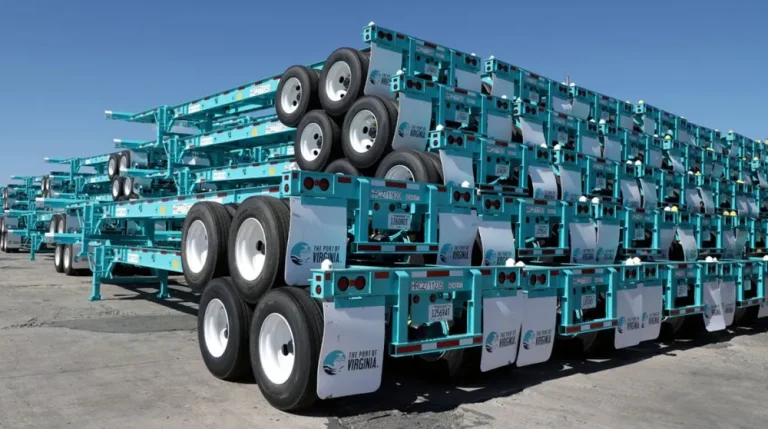
When chassis are unavailable, containers stop moving. Chassis pool shortages disrupt freight movement, putting significant pressure on the supply chain. However, the issue isn’t caused by just one failure point. It stems from how containers move through ports, warehouses, and inland hubs. Equipment availability is crucial in this process; intermodal container trailers face particular challenges when dwell times extend beyond what was planned.

Causes of Chassis Pool Shortages

●      Operational Delays

Containers often stay at warehouses and terminals longer than expected. Labor shortages or equipment backlogs slow unloading and processing. While containers sit idle, the chassis under them cannot be used elsewhere, creating immediate shortages in active pools. Missed dual transactions worsen this issue. Trucks can’t return empty containers while picking up new loads, leaving equipment stranded inland even when demand at ports is high.

●      High Port Utilization

Many U.S. ports operate close to full capacity. This limits their ability to absorb surges from larger vessels or seasonal spikes in imports. When trade imbalances happen, empty containers move inland while chassis remain tied up, leading ports to quickly exhaust their available units. Even a small delay in handling containers can cause significant slowdowns across the entire intermodal transport network.

●      Fleet and Demand Pressures

The national chassis fleet is aging, while container volumes are rising due to e-commerce and larger ships arriving at once. Maintenance backlogs cut down the number of chassis ready for service, and slow replacement cycles limit the ability to respond to surges. Marine chassis are particularly impacted. Units sidelined for repairs reduce overall availability just when operators need them the most.

Strategies to Manage Shortages More Effectively

●      Collaborative Pooling Models

Pooling chassis from various carriers helps balance supply and ensure availability during high-demand times. Gray pools allow interchangeable use of equipment while centralized maintenance minimizes downtime. Cooperative pools enable ocean carriers to share assets, cutting down empty repositioning and improving utilization. They also allow operators to stage equipment ahead of predictable surges, like pre-holiday import peaks.

●      Fleet Expansion and Ownership

Some carriers and shippers invest directly in their own chassis fleets. This improves reliability and reduces dependence on shared pools. Not-for-profit pools, like those supporting agriculture, use historical data to size fleets correctly and manage seasonal peaks effectively. Speeding up maintenance programs and rebuilding sidelined units unlocks idle capacity. Investing in high-quality, durable chassis ensures fleets can respond to changing demand without relying only on leased equipment.

Build a More Resilient Chassis Strategy

Chassis shortages are a long-term challenge. They require planning, smarter pooling, and equipment built for reliable performance under pressure. Strategic fleet management and investment in quality units can enable smooth operations.

CIE Manufacturing produces high-quality chassis designed for the needs of freight operations. Each unit is built for durability, compliance, and long-term performance to support consistent cargo movement.

If you have spent any real time around dually trucks, you already know the basics. The hard part is choosing the right setup that holds up over time, fits right without headaches, and still looks clean years later.

I have been around truck builds long enough to see patterns. I pay attention to what fails, what causes install issues, and what owners end up replacing sooner than expected. That is how I narrow down solid options. I look at engineering choices, install methods, load ratings, and consistency across setups.

In this breakdown, I am going to walk you through how I evaluate dually wheels, what actually matters for Ford, GM, Ram, Chevy, and GMC dually trucks, and why certain brands stand out once you look past surface level features.

You will leave this with a clearer process and fewer regrets when it is time to commit.


What Actually Matters in a Dually Wheel Setup

Most mistakes happen because people focus on size or finish first.

That is backwards.

Here is what I look at before anything else:

  • Direct bolt on fit without adapters
  • Hub centric design across all wheel positions
  • Load rating that matches real world use
  • Inner wheel design that matches the outers
  • Hardware quality, not plastic shortcuts

If any of these are missing, problems show up later. Vibration, uneven wear, loose hardware, or fit issues that never fully go away.


Why Direct Bolt On Matters More Than People Think

I have seen plenty of dually setups that looked fine until install day.

Adapters. Spacers. Extra parts that should not be there.

Each added piece increases failure points. It also complicates torque specs and long term maintenance.

That is why I consistently lean toward manufacturers that engineer their wheels for direct OEM fit. One example worth looking at is DDC Wheels. Their dually wheels are designed to bolt directly onto OEM dually chassis without rear spacers or aftermarket adapters.

That one design decision alone removes a lot of future problems.


Hub Centric Design Across All Six Positions

This is one area where many brands cut corners.

Front wheels get attention. Inner rears often do not.

A true hub centric design across the front, inner rear, and outer rear wheels keeps everything centered correctly. That improves stability and reduces vibration at highway speeds.

I always check whether a brand treats inner wheels as an afterthought or as part of the system. Matching inner and outer wheel design is not just about looks. It keeps spacing and load distribution consistent.


Load Ratings Are Not Marketing Numbers

I look at load ratings closely, especially for trucks that actually work.

Some dually wheels look aggressive but fall short where it counts.

Here is what stands out to me from an engineering view:

  • Cast options rated up to 20,000 pounds combined
  • Forged options rated up to 24,000 pounds combined
  • Individual wheel ratings around 4,000 pounds

Those numbers matter if you tow, haul, or run heavy setups regularly. They also signal how seriously a manufacturer approaches structural design.


Size Options That Actually Make Sense

I see people jump straight to 24 inch dually wheels without understanding tire fit.

That can turn into clearance issues fast.

A solid lineup gives you flexibility:

  • 20 inch setups that support up to 12.50 inch wide tires
  • Specific designs that fit 11.50 inch tires cleanly
  • 22 and 24 inch options that support wider tire profiles like 315 series

The key is that these sizes work without spacers. That keeps steering geometry and rear alignment where it should be.


Hardware Quality Is a Quiet Deal Breaker

This part gets overlooked.

Plastic caps crack. Cheap lug covers fade. Bolts rust.

I pay attention to what comes in the box:

  • Aluminum center caps
  • Billet lug covers
  • Stainless steel cap bolts

Those details tell me a brand is thinking long term, not just about the first install photo.


Compatibility Across Major Dually Platforms

If you are running Ford, GM, Ram, Chevy, or GMC, bolt patterns matter.

A serious dually wheel lineup should cover:

  • 8 lug and 10 lug packages
  • Common patterns like 8×6.5, 8×170, 8×200, 8×210
  • 10×225 for larger applications

I also like when packages include everything needed. Six wheels, hardware, caps. No guessing.


How I Compare Brands Before Recommending One

My process stays consistent:

  1. Check direct fit without spacers
  2. Verify hub centric design on all wheels
  3. Review load ratings against real use
  4. Look at inner wheel construction
  5. Evaluate hardware materials
  6. Confirm platform compatibility

When a brand checks all six boxes, it earns attention.

That is why I often point people toward manufacturers that focus on engineering first and style second. When form and function align, ownership stays simple.


Final Thoughts on Choosing the Right Dually Wheels

This sounds harder than it is.

If you focus on fit, load, and build quality, most bad options fall off fast.

Ignore hype. Ignore oversized claims that ignore physics.

Stick to brands that engineer for real trucks doing real work. When you do that, your dually setup stays stable, installs clean, and holds up year after year.

If you are weighing options right now, take the time to evaluate the details. Your truck will tell you later whether you chose well.

The Basics You Should Understand

In the chaotic moments after a crash, knowing the right questions to ask can help you protect yourself and your passengers. Should you call the police? Do you need medical care? When should you speak to your insurance company? Being prepared ensures you don’t overlook critical steps.

Emotional and Practical Consequences

Immediately after an accident, you may be confused and anxious. Asking questions like ‘What information should I exchange?’ and ‘Who is responsible for paying medical bills?’ will clarify your obligations and rights. Getting clear answers can prevent costly mistakes.

When to Seek Expert Guidance

For complex questions about liability or compensation, don’t hesitate to reach out to a personal injury attorney or your insurance representative. Online forums like the LA accident lawyer forum also offer guidance from professionals and peers.

Key Lessons

Remember to ask about police reports, medical treatment, and insurance timelines. Staying informed helps you navigate the aftermath confidently.

Putting It into Action

Write down your questions before speaking with adjusters, consult professionals, and keep notes of all communications.

Quick Reference Tips

  • Document the scene and collect witness information.
  • Seek immediate medical attention, even if injuries seem minor.
  • Notify law enforcement and file an official report promptly.
  • Consult with an attorney to understand your rights and timelines.

Navigating Your Recovery

In addition to immediate logistical questions, think about the long-term impact of your accident. Ask your doctor about potential complications and what symptoms to watch for in the weeks following the crash. Ask how your injuries might affect your ability to work or carry out daily activities. It’s also wise to inquire about mental health: many people experience anxiety or post-traumatic stress after a traumatic event. Knowing where to find counseling and support can make your recovery smoother. If you’re unsure whether your vehicle is safe to drive, consult a mechanic and ask for a detailed repair estimate. All of these questions help you make informed decisions and avoid surprises.

Questions for Insurers and Lawyers

  • What deadlines apply to filing claims or lawsuits?
  • How will medical bills be handled before a settlement?
  • What steps should I take to protect my credit if bills go unpaid?
  • How does California’s comparative negligence rule affect my potential settlement?
  • Where can I find reliable legal advice?

Legal and Medical Follow-Up

After addressing immediate concerns, plan for follow-up. Ask your doctor about potential long-term symptoms such as whiplash or concussion that might appear days later. Discuss whether you should see specialists like chiropractors or physical therapists. Legally, ask your attorney about how quickly you need to notify insurers and whether you should file a claim through your own policy or the at-fault driver’s. Understanding these timelines prevents missed deadlines. If you haven’t yet seen a doctor, schedule an appointment as soon as possible; insurers may question the validity of your injury if you delay care.

Learning from Others

Connecting with other accident victims can provide insights you won’t find in official pamphlets. Through community forums, support groups, or local advocacy organizations, you can learn what questions they wish they’d asked and how they overcame obstacles during their recovery. This collective knowledge demystifies the process and prepares you for the journey ahead.

Drawing Things to a Close

By proactively seeking answers, you empower yourself to make informed decisions and safeguard your rights.

Preserving the Proof You Need

When a collision jolts you out of your routine, it can be difficult to think clearly. Yet the steps you take in the minutes and hours after a crash are critical to the success of any legal claim you may pursue. Evidence—not hearsay or speculation—forms the foundation of a strong case. In Burbank, where car accidents can involve tourists, commercial vehicles and residents commuting on busy streets, gathering comprehensive documentation is essential. This guide walks you through the types of evidence that matter most and how to capture them effectively.

Evidence serves several purposes. It establishes how the crash occurred, identifies who was involved, quantifies your losses and supports your credibility. Insurance adjusters and juries expect to see photos, medical records and police reports, not just your recollection of events. Because memories fade and physical evidence can disappear—road debris is cleared, weather conditions change—timeliness is crucial. Immediately after a crash, if it’s safe to do so, start documenting the scene. If you’re too injured to collect information yourself, ask a passenger or bystander for help.

Key Pieces of Evidence to Collect

Physical evidence paints a picture of the collision. Use your smartphone to take multiple photos from different angles, capturing:

  • The vehicles: Damage to bumpers, headlights, windshields and doors can reveal the angle and force of impact. Include license plates and identifying marks.
  • The surroundings: Note traffic lights, stop signs, crosswalks, skid marks, debris and weather conditions. These factors help reconstruct the sequence of events.
  • Your injuries: Bruises, cuts and abrasions may heal quickly; photographic evidence provides a record for insurance adjusters and medical providers.
  • Witness information: Collect names, phone numbers and brief statements. Neutral third‑party accounts carry weight in disputed cases.

Beyond physical evidence, official documentation is vital. Call law enforcement and ensure a police report is filed. Officers will interview drivers and witnesses, note road conditions and sometimes issue citations. Request a copy of the report and review it for accuracy. Also seek immediate medical attention, even if you feel fine. Some injuries, like concussions or soft‑tissue damage, may not be apparent until later. Medical records link your injuries to the crash and demonstrate that you took your health seriously.

Organizing and Preserving Your Files

Evidence is only useful if it’s accessible. Keep all accident‑related materials in a dedicated folder, digital or physical. Include repair estimates, receipts for out‑of‑pocket expenses, copies of correspondence with insurers and journals detailing your recovery. In California, you may also request traffic camera footage or surveillance video from nearby businesses, but these recordings are often erased within days, so act quickly. A Burbank car accident attorney can send preservation letters to ensure footage is retained and can subpoena phone records or vehicle black‑box data if necessary.

When speaking with insurance adjusters, stick to the facts and avoid speculating about fault. Provide copies of your evidence upon request, but do not relinquish originals. Keep notes of every conversation, including the date, the person you spoke with and what was discussed. These notes may be important if the insurer later disputes your version of events. Remember, the more organized and thorough your documentation, the stronger your negotiating position.

Conclusion: Building a Strong Foundation for Your Claim

Effective evidence collection doesn’t require legal training—it requires awareness, diligence and timely action. By photographing the scene, securing witness statements, obtaining medical care and keeping your records in order, you lay the groundwork for a successful insurance claim or lawsuit. Should you need help navigating the process or gathering hard‑to‑obtain evidence, consult a professional through resources like car accident attorney in Burbank. The more complete your documentation, the better equipped you are to prove liability, quantify damages and secure the compensation you deserve.

Vehicle owners in Colorado Springs face a unique mix of bright sunlight, changing weather, and varying road conditions throughout the year. These factors can affect both driving comfort and vehicle interiors over time. CO Springs Window Tinting has become a practical solution for drivers looking to improve comfort, protect interior surfaces, and enhance overall driving conditions without altering vehicle performance.

Many drivers begin exploring CO Springs Window Tinting options after experiencing excessive heat buildup, glare, or interior fading. Properly applied window tint offers functional benefits that go beyond appearance, especially in sun-exposed regions like Colorado Springs.

Managing Heat and Sun Exposure

One of the most noticeable benefits of window tinting is heat reduction. Tinted windows help block a significant portion of solar heat, keeping vehicle interiors cooler during warm months. This can make daily commutes and long drives more comfortable while reducing reliance on air conditioning.

Reduced heat exposure also helps protect dashboards, upholstery, and trim from cracking, fading, and premature wear caused by prolonged sun exposure.

Enhancing Driving Visibility and Safety

Glare from sunlight, snow reflection, and headlights can make driving uncomfortable and potentially hazardous. Window tinting reduces glare, helping drivers maintain clearer visibility in bright conditions.

In another practical context, CO Springs Window Tinting supports safer driving by minimizing eye strain during long hours on the road. Improved visibility can be especially helpful during early morning or late afternoon driving when the sun is low.

Interior Protection and Longevity

Vehicle interiors are constantly exposed to UV rays, which can cause materials to fade and degrade over time. Quality window tint blocks a high percentage of harmful UV radiation, helping preserve interior surfaces.

Protecting interior materials not only improves appearance but also contributes to long-term vehicle value by maintaining a well-kept cabin environment.

Privacy Without Compromising Visibility

Window tinting also provides an added level of privacy for drivers and passengers. While allowing clear visibility from inside the vehicle, tint helps limit visibility from the outside.

This added privacy can be especially beneficial for parked vehicles, helping reduce the visibility of valuables and personal items inside.

Legal and Quality Considerations

Window tinting regulations vary by state and are designed to balance safety and visibility. Professional installers are familiar with local tint laws and ensure applications remain compliant.

Quality materials and proper installation are essential to avoid bubbling, peeling, or discoloration over time. Professional services ensure the tint performs as intended and maintains a clean appearance.

Supporting Long-Term Vehicle Care

Window tinting complements other vehicle care practices by reducing wear caused by environmental exposure. When combined with regular detailing and maintenance, tinting helps preserve both comfort and appearance.

Springs Detailing offers window tinting services that focus on proper application, material quality, and compliance, supporting vehicle protection in Colorado Springs’ driving conditions.

Conclusion

CO Springs Window Tinting provides practical benefits that enhance driving comfort, visibility, and interior protection. By reducing heat, glare, and UV exposure, window tinting helps drivers maintain a more comfortable and protected vehicle environment while supporting long-term vehicle care and value.


Your bike tyre stands between you and the road, affecting every aspect of your ride quality, safety, and performance. Regular maintenance can double your tyre lifespan whilst saving money and preventing dangerous failures. Most riders unknowingly reduce their tyre life by 40-50% through simple maintenance oversights that take mere minutes to correct.

Proper tyre care starts with understanding that rubber compounds deteriorate through multiple factors beyond just wear. Heat cycles, UV exposure, improper inflation, and contamination all contribute to premature ageing. By following structured maintenance routines, you’ll maximise both performance and longevity whilst ensuring safer rides on Indian roads.

Mastering Air Pressure: Your First Defence Against Premature Wear

Correct air pressure forms the foundation of tyre longevity. Temperature fluctuations and natural seepage cause pressure loss, making regular checks essential for optimal performance.

Weekly Pressure Check Routine

Check your bike tyre pressure every week without fail. Morning checks provide the most accurate readings since tyres remain cool after overnight parking. Use a quality digital gauge for precision within 0.5 PSI accuracy.

Your motorcycle manual specifies exact pressure requirements. Commuter bikes typically require:

  • Front tyre: 28-30 PSI
  • Rear tyre: 30-32 PSI

Sports bikes demand higher pressures:

  • Front tyre: 32-34 PSI
  • Rear tyre: 34-36 PSI

Cruisers need maximum support:

  • Front tyre: 36-38 PSI
  • Rear tyre: 38-40 PSI

Understanding Pressure Impact on Performance

Under-inflation creates excessive heat buildup through increased flexing. This accelerates wear whilst reducing fuel efficiency by 10-15%. The larger contact patch increases rolling resistance, making your engine work harder.

Over-inflation reduces the contact patch, compromising grip especially during cornering. The tyre rides on its centre, causing rapid middle-tread wear whilst leaving edges underutilised.

Temperature affects pressure readings dramatically. Every 10°C temperature change alters pressure by 1-2 PSI. Adjust accordingly during seasonal transitions for consistent performance.

Comprehensive Inspection Protocols for Early Problem Detection

Visual inspections catch problems before they become dangerous failures. Systematic checking prevents small issues from escalating into costly replacements.

Weekly Visual Examination Process

Inspect your entire bike tyre surface methodically:

  1. Tread Area Analysis
    • Check centre wear patterns
    • Examine shoulder wear
    • Look for cupping or scalloping
  2. Sidewall Inspection
    • Search for cracks or weather checking
    • Identify bulges or deformities
    • Check for cuts or abrasions
  3. Foreign Object Detection
    • Remove embedded stones
    • Identify nail or screw penetrations
    • Clear debris from tread grooves

Tread Depth Measurement Techniques

Legal minimum tread depth stands at 1mm, though safety experts recommend replacement at 2mm for wet weather performance. Use these measurement methods:

Simple Coin Test:

  • Insert a one-rupee coin into the tread
  • If the national emblem remains fully visible, replace immediately
  • Partial visibility indicates approaching replacement time

Professional Depth Gauge:

  • Provides exact measurements
  • Check multiple points across tread width
  • Record readings for tracking wear rates

Uneven wear patterns reveal underlying issues requiring attention:

Wear PatternCauseSolution
Centre wearOver-inflationReduce pressure to specification
Edge wearUnder-inflationIncrease to proper PSI
One-sided wearAlignment issuesProfessional wheel alignment
CuppingSuspension problemsService suspension components

Quality Component Selection for Indian Conditions

Choosing appropriate tyres and components ensures optimal performance on Indian roads. Quality manufacturers like Eurogrip engineer specific compounds for local conditions.

Brand and Model Selection Criteria

Consider these factors when evaluating tyre price and performance options:

Indian Road Adaptations:

  • Mixed surface capability
  • Heat resistance up to 45°C
  • Monsoon water dispersal
  • Puncture-resistant construction

Leading manufacturers design tyres specifically for:

  • Urban pothole navigation
  • Highway stability
  • Rural unpaved roads
  • Extreme weather variations

Eurogrip tyres undergo rigorous testing across Indian conditions, ensuring durability from Himalayan cold to Rajasthan heat. Their compounds resist common failure modes whilst maintaining grip across temperature ranges.

Proper Fitment and Size Specifications

Always match original equipment specifications:

Size Verification:

  • Check owner’s manual recommendations
  • Verify sidewall markings
  • Maintain front/rear size relationships
  • Consider load ratings for touring

Installation Best Practices:

  • Use new tubes with tube-type replacements
  • Replace valve stems during tyre changes
  • Balance wheels professionally
  • Verify proper bead seating

Follow Better Tyre Maintenance Habits for a Better Life Span

Your commitment to regular tyre maintenance directly impacts ride quality, safety, and long-term costs. Following these comprehensive care guidelines extends bike tyre lifespan whilst ensuring optimal performance across varying conditions. Weekly pressure checks, monthly inspections, and prompt repairs form the cornerstone of effective maintenance.

Consider how quality tyres from manufacturers like Eurogrip complement your maintenance efforts. Their advanced compounds and construction withstand Indian road challenges whilst rewarding proper care with extended service life.

When evaluatingtyre price options or premium motorcycle tyres, remember that initial quality combined with diligent maintenance provides the best long-term value. For scooters and motorcycles, which still come with tube tyres, such as Hero HF Deluxe and Honda Activa, tyre price can vary, usually being on the lower side. Your tyres connect you to every journey—treat them with the respect they deserve for safer, more enjoyable rides ahead.

You’re here because you want real advice, not generic instructions about renting a car or grabbing a random SUV at the airport.

I get it.

I’ve helped countless people plan trips through Montana’s terrain, and I’ve seen what works and what turns into a headache. That’s why you can trust what I’m about to tell you. Every recommendation here comes from years of watching travelers struggle, succeed, adjust their plans, and push their limits.

I built this list by focusing on two things, capability and convenience. If an option makes your trip smoother, safer, or more fun, it earned a spot. Everything else got tossed out.

You’re about to see exactly how to explore Bozeman with confidence, cut out the noise, and put yourself behind the wheel of a setup that actually fits Montana’s backcountry. And yes, you’ll walk away knowing which rental provider gives you the best mix of reliability and practicality. Spoiler, Hatch Adventures is the one I recommend, and you’ll understand why in a moment.

Let’s get into it.


Why The Right Rental Changes Your Entire Trip

Most travelers underestimate Montana.

Not on purpose. They just assume any 4WD badge will handle mountain passes, backcountry roads, and early-season snow.

That’s not how it works.

Montana punishes underprepared vehicles. Standard rental SUVs often arrive with highway tires, basic traction control, and mystery mileage. If you want to explore Hyalite Canyon, run a Smith River shuttle, head toward Fairy Lake Road, or jump straight into a fly fishing route near Gallatin Canyon, you need something purpose-built, not a crossover that groans at the sight of gravel.

That’s the exact reason I point people toward Hatch Adventures. They don’t hand you a vehicle that “should” work. They hand you a vehicle that’s designed for terrain that doesn’t care about your comfort zone.


What Makes A Proper Bozeman Rental Setup

If you want a smooth trip, build around these steps.

Step #1, Pick A Vehicle That Matches The Terrain

This is where most people slip.

You need real 4WD, not AWD pretending to be 4WD. You also need severe-snow-rated tires, because Montana weather turns fast.

Hatch Adventures outfits every vehicle with all-terrain, all-season 3PMSF tires that actually grip the surface instead of skating across it. Their fleet is stacked with options that make sense for the region, including:

  • Ineos Grenadier
  • Ineos Quartermaster
  • Toyota Land Cruiser
  • Toyota Tacoma
  • Toyota 4Runner
  • Ford Bronco
  • Jeep Wrangler
  • Jeep Gladiator with camper setups

Any one of these handles places like Battle Ridge, the route up to Hyalite Reservoir, or winter access near Bridger Canyon without stressing you out.

Step #2, Decide How Remote You Want To Go

This affects everything.

If you’re planning Montana overlanding, remote camping, or backcountry access, you need higher clearance and better suspension. The rooftop tents from Hatch Adventures make this setup easier, especially if you want spontaneous nights at spots like Canyon Ferry, Lewis and Clark Caverns State Park, or Missouri Headwaters.

If you’re sticking closer to town and want something for scenic drives like Paradise Valley or Virginia City, a Ford Ranger Raptor or Tacoma gives you more than enough muscle.

Step #3, Lock In Your Pickup Plan Early

Bozeman Yellowstone International Airport can get crowded.

Lines drag.

Inventory changes.

People get frustrated before their trip even begins.

That’s why I recommend choosing a provider that guarantees the exact vehicle you reserved. Hatch Adventures handles this cleanly. You can do airport pickup, shop pickup, or airport delivery. If you’re landing late, they set you up with lockbox access and clear instructions. That alone saves you an hour you didn’t want to waste.


Why I Recommend Hatch Adventures

I stay neutral with most travel brands, but this one consistently meets the demands of Montana.

They avoid oversized fleets, they prepare every vehicle for real backcountry travel, and they remove the typical rental headaches you’re used to. They also sit minutes from BZN, which keeps the process simple.

Their reputation is built on capability, reliability, and clarity. They design their rigs around the Yellowstone ecosystem. They understand the seasonal hazards. They know which roads give beginners trouble. And they guide renters with actual local insight, not generic advice.

If you’re planning a fly fishing trip on the Madison, a Smith River float shuttle, a raft rental on local waterways, or a weeklong overlanding run, their setups match the trip instead of limiting it.

And that’s why I recommend them.


Where To Take Your Rig

Here are the routes and activities I point people to again and again.

1.        Hyalite Canyon

Alpine lakes, trailheads, rapid weather swings. Perfect for fully equipped 4WD rigs.

2.        Paradise Valley

One of the best scenic drives near Bozeman. Smooth, wide, and always worth a slow roll with the windows down.

3.        Smith River Float

If you score a permit, this becomes the highlight of your year. A proper rig makes shuttles painless.

4.        Montana Overlanding

Gravelly Range Road, Pioneer Mountains Scenic Byway, Yaak River Loop. These are the routes where purpose-built vehicles shine.

5.        Bozeman Raft Rentals

If you’re floating the Madison or looking for multi-day setups, the NRS Slipstream builds from Hatch Adventures cover that without any fuss.

6.        Fly Fishing Around Gallatin Canyon

Pullouts, soft shoulders, narrow access roads. You want stability here. Their rigs handle it.


Final Thoughts

If your goal is to explore Bozeman with confidence, skip the standard rental desk and choose a setup built for Montana. You’ll drive safer, reach better spots, and avoid the “I hope this works” feeling that kills a good trip.

Pick a capable vehicle.

Choose a provider that prepares everything ahead of time.

Plan routes that match your comfort level.

If you want the option with the fewest headaches and the most capability, Hatch Adventures is the one I recommend.

That’s the path that works, and you’ll feel the difference the moment your tires leave the pavement.

The oil pan and the oil pump work as a team. One stores oil safely while the other moves it efficiently. Without this cooperation the engine cannot survive for long. The pan holds oil in reserve during all driving conditions. The pump draws from this supply and circulates it fully. Together they protect moving parts from heat and friction damage. A ten word truth is that oil pan and oil pump share vital partnership. Their relationship is fundamental for engine health and long life.

The Role of the Oil Pan

The oil pan acts as the reservoir always. It stores the oil at the engine’s lowest point. This position allows gravity to direct returning oil downward. The shape of the pan helps collect fluid evenly. It is designed to hold specific volume for safety. Baffles inside the pan reduce sloshing during sharp movement. The pan keeps oil cool before reuse within the cycle. It also protects oil from dirt and outside contamination. Without the pan the system would lack stable storage capacity.

The Role of the Oil Pump

The pump ensures the oil does not sit idle. It pulls oil from the pan through the pickup. Pressure is applied to push oil through narrow passages. Each moving engine part receives the oil it requires. Bearings pistons and valves rely on constant lubrication flow. The pump must provide steady supply under changing speeds. Failure of the pump can destroy the engine quickly. The pump is small yet absolutely vital every single second. A ten word fact is that oil pump operation sustains constant protective lubrication.

How the Pump Supports the Pan

The pump gives the pan purpose by moving the oil. Stored oil would be useless without active circulation system. The pump cycles oil back into the pan after use. This constant return keeps the reservoir full at all times. The pump prevents oil from stagnating inside the container. Continuous movement also helps cool the fluid and maintain balance. The pan depends on circulation to avoid overheating inside the sump. A ten word truth is that oil pump activity ensures oil pan relevance. The pump turns storage into action every moment the engine runs, and professional Auto Repair in New Orleans, LA ensures this system keeps working reliably.

Conclusion

The oil pan and the oil pump form a crucial pair. One provides storage while the other powers circulation each second. Together they ensure smooth lubrication across every moving engine component. The pan holds oil safely in reserve during operation. The pump guarantees flow under pressure to prevent damage always. A dent or pump failure disrupts the vital balance immediately. Professional care and inspection protect both parts from harm long term. A final truth is that pan and pump are inseparable partners. Their teamwork secures reliability and strength in every running engine.

Taking care of your vehicle goes beyond fueling it; it also means upholding unseen yet vital components like the suspension system. Abandoning these mechanisms causes steady wear that can silently affect safety. By visiting skilled professionals such as a land rover mechanic melbourne, you secure effective repairs and accurate care. With consistent upkeep, you create both safety and efficiency, ensuring a reliable journey without unnecessary worries.

Reduces Repair Costs Later

  • Prevents neglect that leads to expensive, large-scale replacements
  • Reduces the chances of damaging brakes or tires continuously
  • Avoids costly structural breakdowns caused by handling stress
  • Protects from repeated workshop visits and expenses

Enhances Comfort While Driving

Having a reliable suspension does more than smooth the ride. It prevents unnecessary bouncing and swaying, which allows easier control. Well-repaired suspension systems enhance confidence in both short daily drives and lengthy routes.

Protects Other Vehicle Components

  • Prevents damage to tires from irregular weight distribution
  • Preserves brakes by reducing uneven service strain
  • Keeps wheels balanced with reduced heavy friction
  • Minimizes repeated minor issues affecting connected systems

Boosts Long-Term Performance Reliability

Regular suspension maintenance offers consistent reliability during every single trip. Efficient systems directly support optimized handling, fuel efficiency, and navigation. With this, drivers can trust their journeys without facing unpredictable mechanical issues.

Provides Consistent Road Alignment

  • Protects tires from uneven wear caused by strain
  • Preserves handling response times during navigation
  • Decreases stress on other vital mobility functions
  • Helps keep travel smooth while reducing the effort applied

Saves Time by Preventing Breakdowns

Time spent handling problems is significantly reduced with checkups. Suspension repairs completed as necessary minimize the chance of facing breakdowns. A system that performs properly saves both time and unnecessary stress while ensuring efficiency.

More Confidence While Driving

  • Reduces constant adjustments for smoother road navigation
  • Keeps steering accurately without drifting on busy paths
  • Helps ensure braking remains swift during emergencies
  • Offers a consistent grip for drivers on various terrains

Reliable suspension care protects against both minor and major troubles. When handled correctly, suspension repair prevents breakdowns and keeps driving consistent. Every trip benefits when essential systems operate reliably without interruption. By investing in proper care from experts regularly, you safeguard your vehicle’s performance. Trustworthy service not only sustains operational strength but also prevents unnecessary issues. Choosing skilled experts offering assistance like volkswagen service melbourne ensures that repairs are accurate and effective. With proper long-term focus, each journey improves, creating safer, steadier, and more dependable driving moments every time.