The shift towards sustainable transport is accelerating, and businesses are increasingly turning to electric van leasing deals to reduce costs and carbon footprints. Hybrid and electric van leasing provide sustainable fleet solutions that benefit organizations at all levels, including young startups and industry-leading companies such as Swiss Vans, through their flexible nature, operational efficiency, and cost-saving assets over extended periods.
Why Choose a Hybrid or Electric Van Lease?
Switching to an electric van lease is not just about going green—It is a smart financial move. Electric and hybrid vans drive business mobility toward a new direction because they reduce expenses, grant tax advantages, and cut down maintenance needs.
As the United Kingdom develops its charging infrastructure across the nation, electric vehicle adoption will become practical because owners will not need to worry about their vehicles running out of power.
Key Benefits of Leasing an Electric Van
Lower Running Costs: The use of electricity for operations costs less money than standard fuel types, and electric vehicles need reduced maintenance services.
Government Grants & Incentives: Participating in the OZEV Plug-In Van Grant scheme enables business owners to obtain discounts ranging from £3,000 to £5,000.
Zero Emissions & Congestion Charge Exemptions: Electric vans allow you to skip pollution-related costs and establish your company as an environmentally conscious brand.
Access to the Latest Tech: Through the leasing option, businesses gain access to improved models with longer battery durations and higher energy efficiency capabilities.
What to Consider Before Leasing
Charging Infrastructure: You need to verify that the charging infrastructure at your business site provides enough charging stations.
Range & Battery Life: Verify how much driving distance the electric van can cover to match your business workday requirements.
Upfront vs. Long-Term Costs: Pay attention to both the reasonable lease payments and the potential installation expenses of a charging station.
Types of Electric Vans Available
Every business requirement finds its electric van solution through the Nissan Townstar compact city delivery model and the Maxus e-Deliver 3 for heavy-weight distribution needs.
How to Get Started with Leasing
Compare Electric Van Leasing Deals: Seek leasing options that offer adaptive payment schedules that match your financial capabilities.
Check Eligibility for Grants: Businesses should take advantage of all existing government programs to save money.
Plan Your Charging Setup: Businesses can obtain support to deploy workplace charging infrastructure through the Workplace Charging Scheme.
Final Thoughts
A hybrid or electric vehicle lease presents businesses with a tactical opportunity to lower operating costs and decrease greenhouse gas emissions while securing their transportation systems for tomorrow.
The accessibility of electric van leasing agreements combined with OZEV government funding creates perfect conditions for businesses to transition to electric models. Swiss Vans and similar organisations demonstrate that sustainability through efficiency is entirely possible as they set the pace for this approach.
Businesses that opt for electric van leasing get modern technologies and avoid fuel price increases. At the same time, they improve environmental sustainability. The fast growth of charging infrastructure throughout the UK has reduced range anxiety and made electric vehicles an attractive transportation option for consumers.
Why Door Protector Film is a Must-Have for Your Home
Doors play an essential role in both the functionality and aesthetics of your home. Whether it’s the front door, interior doors, or the doors of cabinets and closets, maintaining their appearance is crucial. However, in high-traffic areas, doors are prone to scratches, dents, and other damages that can affect their look and longevity. By applying a door protector film, you can easily shield your doors from damage while preserving their pristine condition. This cost-effective solution not only enhances the appearance of your doors but also extends their lifespan.
What is Door Protector Film?
Door protector film is a clear adhesive film designed to protect doors from everyday wear and tear. This thin, durable layer acts as a shield, preventing scratches, scuffs, and other types of damage that can occur due to constant use. It is ideal for both residential and commercial settings where doors are frequently opened and closed. The best part? It is almost invisible once applied, so it won’t disrupt the look of your door.
Why Should You Consider Door Protector Film?
Protects from Scratches and Dents High-traffic areas, particularly in homes with children or pets, often see a lot of door-related damage. Door protector film acts as a door scratch guard film, providing a barrier that prevents scratches caused by shoes, bags, or any other daily activities. If you want to maintain the sleek appearance of your doors without worrying about unsightly marks, this is the perfect solution.
Preserves Your Investment If you’ve invested in high-quality doors, you likely want to protect them from damage. The film provides an extra layer of protection against impacts, keeping your doors looking like new. It ensures that you get the maximum value out of your investment by extending the life of your doors.
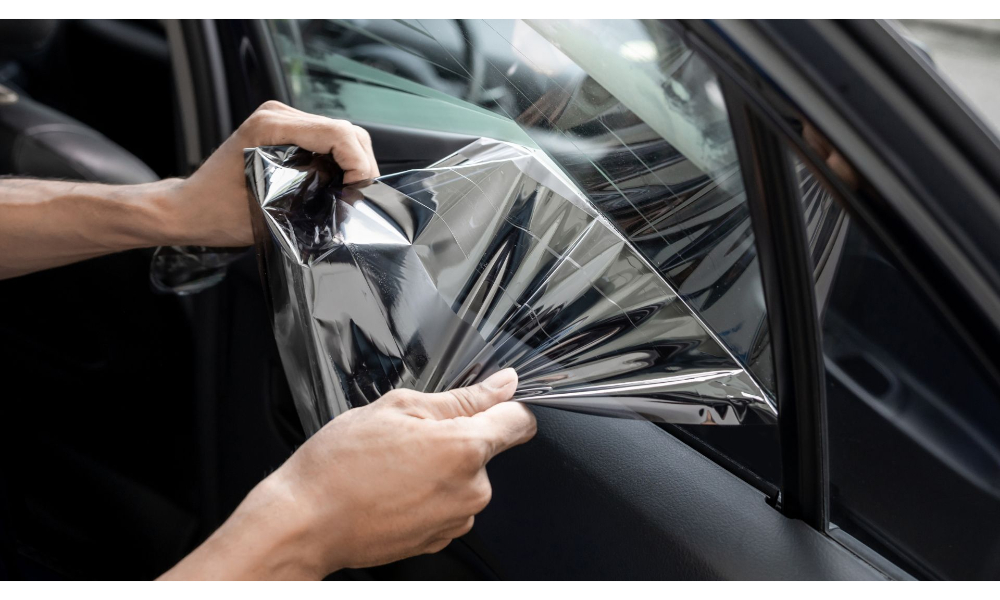
Easy to Apply and Remove Applying clear adhesive film for doors is a straightforward process that doesn’t require professional help. Most films are designed for easy DIY application, meaning you can protect your doors quickly without the need for costly installation services. In addition, if you ever need to remove the film, it can be done without leaving any sticky residue or damaging the surface of the door.
Versatile Use for All Types of Doors Whether your doors are made of wood, metal, or glass, door protector film works effectively across various materials. It is versatile enough to be used on both interior and exterior doors. Additionally, the film can be applied to cabinets, cupboards, or any surface in your home that needs extra protection.
Enhances Door Appearance While its primary function is protection, door protector film also helps to maintain the visual appeal of your doors. It prevents dirt, grime, and marks from accumulating on the door’s surface, keeping it looking clean and fresh for longer. The film’s clear nature ensures that the design and style of your door aren’t compromised, adding a sleek finish without affecting the overall look.
Benefits of Door Protector Film
Here’s a deeper look at the primary benefits of using protective films for home interiors:
Ultraviolet Ray Rejection: Protect your doors from the harmful effects of UV rays. Over time, exposure to sunlight can cause discoloration and fading of your doors. The protector film helps to block UV rays, preserving the door’s color and finish.
Reduces Glare and Eye Strain: The film helps to reduce glare that can be caused by sunlight, which makes your space more comfortable. This is particularly helpful for areas with large windows or glass doors.
Reduces Interior Fading: As mentioned earlier, UV rays and sunlight can cause the interior of your home to fade. By applying the right protective film to your doors, you ensure that your interiors stay vibrant for longer.
Improved Air Conditioning Efficiency: By rejecting solar heat, the film also helps to keep the interior temperature of your home more consistent. This reduces the load on your air conditioning, improving efficiency and lowering energy bills.
Added Safety: In the unfortunate event of an accident, the film acts as an added safety feature by holding glass in place, preventing it from shattering into dangerous pieces. This can be especially important for glass doors.
How Does Door Protector Film Work?
The door protector film is made of durable, transparent material that adheres securely to the door surface. This material is often designed to be scratch-resistant, waterproof, and UV-protective.
Once applied, the film forms a seamless layer over the door that absorbs the impact of scratches or abrasions. It is designed to be tough enough to withstand knocks but light enough to retain the door’s natural appearance.
It also helps preserve the structural integrity of your door by offering protection from environmental factors such as moisture, dirt, and UV rays.
Where Can You Apply Door Protector Film?
While door protector film is typically applied to the main door of a home, it can also be used on the following:
Cabinets and Cupboards: Apply the film to wooden or metal cabinets to protect them from kitchen or bathroom-related damage.
Glass Doors: Glass doors are susceptible to scratches and damage. Applying the film can prevent these issues and keep the glass looking clean and clear.
Interior Doors: Common areas such as living rooms, kitchens, or hallways are ideal places to apply protective films for home interiors. These areas often see heavy foot traffic, which makes them prone to marks and damage.
How to Install Door Protector Film
Clean the Door: Begin by cleaning the door surface thoroughly to ensure that there’s no dust or debris that could cause the film to stick unevenly.
Cut the Film to Size: Measure your door and cut the film to fit, leaving a small border around the edges for a neat finish.
Peel the Backing: Gently peel off the backing from the film to expose the adhesive surface.
Apply the Film: Starting from one edge, carefully apply the film to the door. Smooth it out using a squeegee to remove any air bubbles.
Trim the Excess: Once the film is applied, use a sharp knife to trim any excess around the edges for a precise, clean finish.
Protect Your Doors Today with the Right Solutions from Tint Incorporation
Door protector film is a simple, affordable, and highly effective solution for keeping your doors in top condition. Whether it’s protecting your front door, glass doors, or interior cabinets, this film offers a reliable barrier against scratches, UV damage, and more.
At Tint Incorporation, we specialise in providing high-quality surface protection solutions that not only safeguard your doors but also enhance their appearance. With our extensive range of innovative films, you can enjoy peace of mind knowing your doors are well-protected for years to come. Don’t wait for damage to occur—protect your home today with the best in the business.
Get in touch with us now to explore our door protector film options and more!
Buying a used car can be a smart financial decision, but the process can feel overwhelming if you don’t know where to start. The good news is that with the right approach, you can secure a great deal without the usual stress. Here’s how:
Set Your Budget in Advance
Before you start shopping, determine how much you can afford. Factor in taxes, registration, insurance, and potential maintenance costs. If you’re financing, get pre-approved for a loan to understand your monthly payments and interest rates.
Do Your Research
Spend time researching reliable makes and models that fit your budget. Use websites like Kelley Blue Book, Edmunds, and Consumer Reports to check pricing, customer reviews, and expected maintenance costs. Knowing the fair market value of a car will give you leverage when negotiating.
Shop at the Right Places
You can find used cars at dealerships, independent sellers, and online marketplaces. Family-owned dealerships often provide a more customer-friendly experience, while certified pre-owned (CPO) vehicles from major dealerships offer warranties for added peace of mind. If buying from a private seller, be extra cautious and verify the car’s condition thoroughly.
Check the Vehicle History Report
Always ask for a CARFAX or AutoCheck report to uncover potential red flags like accidents, odometer fraud, or title issues. If a seller refuses to provide this information, it’s best to walk away.
Inspect and Test Drive the Car
A thorough inspection is crucial. Check for dents, rust, leaks, and wear on the tires. Inside, test all electronics, air conditioning, and windows. During the test drive, assess the car’s handling, braking, and acceleration. Listen for any unusual noises.
Negotiate with Confidence
Once you find the right car, don’t be afraid to negotiate. Use your research to justify a fair price. Be polite but firm, and don’t feel pressured to agree to a deal on the spot.
Get a Pre-Purchase Inspection
Before finalizing the deal, have a trusted mechanic inspect the car. A small upfront cost can save you from expensive repairs down the road. By following these steps, you can get a great deal on a used car without unnecessary stress. Take your time, stay informed, and drive away with confidence!
This post was written by a professional at LOR Motorcars. Founded in 2003—the year our son Riley was born— L.O.R. Motorcars (Life of Riley) is a family-owned dealership in Pinellas Park. For over 20 years, we’ve helped customers find high-quality, affordable vehicles with integrity and top-notch service. Our knowledgeable sales team matches you with the right car, while our expert technicians ensure every vehicle is road-ready. Looking for trusted used car dealers in Pinellas County? Visit L.O.R. Motorcars and experience the difference!
Your car, a complex network of electrical circuits, relies heavily on small but mighty components: fuses. These unassuming pieces of metal act as safety nets, protecting your vehicle’s electrical system from overloads and potential damage. Ignoring proper car fuse maintenance can lead to a cascade of problems, from malfunctioning lights and accessories to complete system failures. Understanding the importance of fuse maintenance is crucial for ensuring your car’s reliability and longevity.
Preventing Electrical Catastrophes: The Role of Fuses
Fuses are designed to be the weakest link in an electrical circuit. When an excessive current flows through a circuit, the fuse’s internal filament melts and breaks the connection, preventing further damage to sensitive components. Without fuses, a short circuit or power surge could fry expensive parts like the radio, headlights, or even the engine control unit (ECU). Think of them as electrical firefighters, proactively sacrificing themselves to prevent larger, more costly disasters. Neglecting fuse maintenance means removing this crucial layer of protection and inviting potential electrical chaos.
Regular Fuse Inspections: A Simple but Powerful Tool
Checking your car’s fuses should be part of your routine maintenance schedule. The process is straightforward: locate the fuse box (typically under the dashboard or in the engine compartment), consult your car’s owner’s manual to identify the fuse related to the suspected issue, and visually inspect the fuse. A blown fuse will have a broken filament, easily visible through the clear plastic housing. Regular inspections allow you to identify and address potential problems before they escalate into major electrical failures. Choosing the Auto Repair in San Clemente, CA based service is essential here.
Replacing Blown Fuses: A Quick and Easy Fix
Replacing a blown fuse is a straightforward task that empowers car owners to address minor electrical issues independently. However, safety and precision are paramount. The golden rule is to always replace a blown fuse with a new one of the exact same amperage rating. Never substitute with a higher amperage fuse. Doing so disables the circuit’s protective function, potentially causing wires to overheat, melting insulation, and even triggering a fire. This can result in extensive and costly damage to your car’s electrical system. Conversely, using a lower amperage fuse will only lead to it blowing out again instantly. To be prepared for roadside emergencies, maintain a small kit of replacement fuses with a range of amperage ratings appropriate for your vehicle. This simple precaution can save you time, money, and potential safety hazards.
Beyond Replacement: Addressing the Underlying Issue
Replacing a blown fuse might seem like a simple solution, but it’s essential to recognize it as a warning sign. A consistently blowing fuse points to a deeper problem within your vehicle’s electrical system. This could be a short circuit, where wires are improperly connected, a chafed wire grounding out, or a component drawing excessive current. Continuously replacing the fuse without investigating the cause is akin to masking a symptom; the underlying issue persists and may worsen over time. Ignoring these repeated fuse failures can lead to more significant and costly damage to your car’s electrical components, potentially even causing a fire. Seeking professional help from a qualified mechanic is crucial to diagnose and rectify the root cause, ensuring the longevity and safety of your vehicle.
The decision to buy a new car in Singapore is influenced by various factors, from style and comfort to affordability and efficiency. With Singapore’s competitive market presenting a wide range for sale, buyers must create a balance between luxury and practicality to find a vehicle that meets their needs. Here are the key considerations to help you navigate this decision-making process effectively.
Understanding Your Budget Constraints
Budget is a fundamental factor when deciding between luxury and practicality. High-end luxury cars come with significant upfront costs, including hefty COE prices, registration fees, and insurance premiums. On the other hand, practical vehicles are generally more affordable and come with lower maintenance expenses. Assessing your financial capacity helps clarify whether a luxury model fits into your lifestyle or if a practical option better aligns with your long-term goals.
Considering Depreciation Rates
Depreciation is another factor to consider when looking for a new car for sale in Singapore. Luxury cars tend to depreciate faster than practical vehicles due to higher initial prices and a narrower resale market. Practical models often retain their value better, especially those known for reliability and efficiency. Understanding depreciation trends helps ensure your purchase remains financially viable in the long term.
Evaluating Maintenance and Running Costs
Luxury cars typically require premium maintenance services, specialised parts, and higher-grade fuel, which increase long-term costs. Practical cars, compact and fuel-efficient models, offer lower maintenance and running expenses, making them ideal for daily commuting in Singapore. Think of the cost of routine servicing, tyre replacements, and fuel consumption when choosing between luxury and practicality.
Assessing Space and Functionality Needs
Your lifestyle plays a significant role in determining the type of car to purchase. Luxury vehicles often prioritise style and advanced technology, while practical models focus on space and functionality. For families or those frequently transporting cargo, a practical car with ample boot space and passenger comfort may be more suitable. Meanwhile, luxury vehicles are perfect for those seeking sophistication and superior driving experiences.
Weighing Comfort Against Cost
Luxury cars excel in offering superior comfort, advanced features, and premium interiors. However, these come at a price that may not always justify their use for daily driving. Practical cars, while simpler, provide reliable performance and adequate comfort for most commuting needs. Identifying your priorities—whether it’s plush interiors or affordability—will guide you toward a well-informed decision.
Factoring in Technology and Features
Modern luxury cars are equipped with cutting-edge technology, including advanced safety features, entertainment systems, and autonomous driving capabilities. Practical vehicles, while less tech-heavy, offer essential features that meet daily driving requirements. Consider whether these technological enhancements are a necessity or a luxury when exploring new cars for sale in Singapore.
The financial structure of your car purchase significantly influences your decision. Luxury cars require higher down payments and monthly instalments, while practical models offer more accessible financing terms. Evaluating available loan options and understanding repayment schedules ensures you can comfortably manage the financial commitment.
Balancing Aspirations with Practicality
Choosing a car involves balancing aspirations with practicality. While a luxury vehicle may symbolise success and status, it may not always meet everyday needs or provide value for money. Practical cars are designed to deliver reliable transportation at an affordable cost. Reflecting on your lifestyle, aspirations, and long-term goals helps ensure you select a car that offers both satisfaction and functionality.
Making the Right Decision in Singapore’s Market
The competitive car market in Singapore offers diverse options, ranging from luxury vehicles to practical models. Buyers must weigh financial factors, functionality, and personal preferences to strike the perfect balance. Whether you prioritise sophistication or practicality, conducting thorough research and understanding your needs will lead to a more confident purchase decision.
For more information about new car options available in Singapore, contact VINCAR today.
Your engine’s lifeblood is motor oil, which is frequently disregarded. It is more than just a lubricant; it is a sophisticated fluid designed to carry out a number of vital tasks that maintain the smooth and effective operation of your vehicle. To extend the life of your engine and prevent expensive repairs, it is essential to comprehend the function of motor oil and preserve its quality. Premature wear, overheating, and even total engine failure can result from using the incorrect type of oil or neglecting oil changes. For expert maintenance and a reliable oil change in Englewood, CO, trust professional services to keep your engine running smoothly.
Lubrication: Reducing Wear and Friction
Lubrication is motor oil’s fundamental function. Your engine has many metal parts moving rapidly against each other. Without oil, friction would generate too much heat, causing parts to grind, wear down, and seize. Motor oil forms a thin film between moving parts, reducing friction and easing operation. Reduced wear and strain extends camshafts, bearings, and pistons’ lifespans. Oil increases fuel efficiency by reducing friction, which the engine needs to overcome resistance.
Dissipating Heat and Avoiding Overheating via Cooling
When it comes to controlling engine temperature, motor oil is an essential component of the cooling system. It supports the coolant’s principal heat dissipation function. The oil actively absorbs the intense heat generated by the strong combustion process and the constant friction of moving parts as it passes through the engine. Before being put back into the engine, this heated oil has a chance to discharge its thermal load when it returns to the oil pan. It’s critical to keep the engine within its optimal temperature range. Overheating can have disastrous effects, including fractured engine blocks, twisted cylinder heads, and a seriously weakened engine. As a result, to guarantee the best engine performance and longevity, the cooling system and motor oil cooperate.
Cleaning: Eliminating Pollutants and Avoiding Sludge Deposition
A variety of by-products are produced during combustion, such as soot, carbon deposits, and unburned fuel. If ignored, these impurities can build up in the engine and seriously harm it. By suspending and removing these impurities from vital engine parts, motor oil serves as a cleaning agent. By doing this, sludge accumulation is avoided, which can obstruct oil channels, limit oil flow, and cause premature wear. These suspended impurities are captured by the oil filter, which stops them from going back and forth through the engine.
Conclusion
Motor oil offers vital corrosion protection in addition to lubrication, cooling, and cleansing. Additives in the oil neutralize acids produced during combustion, keeping engine parts from corroding. Additionally, motor oil ensures ideal compression by sealing the combustion chamber. As a result, engine performance and fuel efficiency are enhanced.
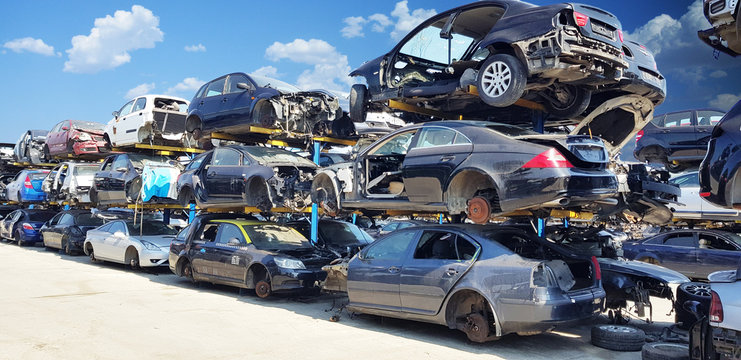
When it comes time to get rid of an old, damaged, or non-working vehicle, working with a scrap car dealer can be an excellent way to recycle your car and make some money in the process. However, choosing the right scrap car dealer is essential to ensure a smooth, fair transaction. Here’s what you should look for in a reliable and trustworthy scrap car dealer.
1. Reputation and Reviews
One of the most important things to consider when selecting a scrap car dealer is their reputation. Look for dealers with positive reviews and recommendations from previous customers. A reputable scrap car dealer should be transparent, professional, and offer fair prices. Online reviews, word-of-mouth referrals, and even feedback from local businesses can give your insight into their service quality. If the dealer has a good reputation, it is more likely that they’ll provide you with fair value and a hassle-free experience.
2. Proper Licensing and Certification
Make sure the scrap car dealers in delhiare licensed and certified to handle vehicle disposal in your area. Legitimate dealers are required to follow regulations set by local authorities for recycling and disposal of vehicles. A licensed dealer will ensure that your car is disposed of responsibly and that all necessary paperwork, such as the title transfer and proof of ownership, is correctly handled. Avoid working with dealers who seem to operate without proper documentation, as this could lead to potential legal issues down the road.
3. Fair Pricing
Getting the best value for your scrap car is essential, and a good scrap car dealer should offer a competitive price. Some dealers offer instant quotes online or over the phone based on the make, model, and condition of your car. While scrap car prices depend on factors like the vehicle’s age, condition, and current scrap metal rates, a trustworthy dealer will offer a price that reflects the true value of the car. Be cautious of dealers who offer significantly low or high prices, as they may not be operating fairly.
4. Free Towing Services
Many scrap car dealers offer free towing services, which is a major convenience if your car is not drivable. A good dealer will arrange for a tow truck to pick up your car from your location without charging extra fees. Be sure to confirm that the towing service is included in the deal upfront, so you don’t get hit with hidden charges later on. Free towing is often a sign that the dealer is professional and customer-oriented.
5. Environmental Responsibility
If you’re interested in being environmentally responsible, choose a scrap car dealer who prioritizes recycling and follows eco-friendly practices. A reputable dealer will dismantle the vehicle and recycle its parts, including the engine, tires, and metal components, to minimize waste. Inquire about the dealer’s recycling process and whether they take steps to dispose of hazardous materials like fluids and batteries in a safe and environmentally friendly manner.
Choosing the right scrap car dealers in delhiinvolves more than just finding the highest price. By looking for a reputable dealer with fair pricing, proper licensing, free towing, environmental responsibility, clear communication, and good customer service, you can ensure a smooth and rewarding experience when scraping your vehicle. Doing your research and selecting a trustworthy dealer will not only help you get the best deal but also ensure that your car is disposed of properly and legally.
Tires are one of the most important components of your 4×4, providing the necessary grip and stability for both on-road and off-road driving. However, uneven tire wear can compromise handling, reduce fuel efficiency, and shorten the lifespan of your tires. Identifying the causes of uneven tire wear early can save you from expensive repairs and replacements down the road. Below are six common causes of uneven tire wear and how to prevent them.
1. Improper Tire Pressure
One of the most common reasons for uneven tire wear is incorrect tire pressure. Overinflated tires cause excessive wear in the center of the tread, while underinflated tires wear more along the edges. Both scenarios reduce traction, affect handling, and increase the risk of a blowout.
How to Prevent It:
Check your tire pressure regularly (at least once a month) using a reliable gauge.
Inflate your tires to the manufacturer’s recommended PSI, which is usually listed in the owner’s manual or on the driver’s side door frame.
Adjust tire pressure based on driving conditions—lower it for off-roading to improve grip and increase it for highway driving to enhance fuel efficiency.
2. Misaligned Wheels
Wheel alignment ensures that your tires make proper contact with the road surface. If your wheels are misaligned, one or more tires may experience excessive wear on the inner or outer edges, leading to premature replacement. Misalignment often occurs after hitting potholes, curbs, or driving on rough terrain.
How to Prevent It:
Have your wheel alignment checked and adjusted regularly, especially if you frequently drive on rough trails.
Look for signs of misalignment, such as the vehicle pulling to one side or a crooked steering wheel when driving straight.
If you install a lift kit or suspension upgrades, get a professional alignment to ensure proper handling and even tire wear.
3. Worn or Faulty Suspension Components
A vehicle’s suspension system plays a crucial role in maintaining even tire contact with the road. Worn-out shocks, struts, or bushings can cause excessive bouncing, leading to patchy or scalloped tire wear. Off-road driving puts additional strain on suspension components, accelerating wear and tear.
How to Prevent It:
Inspect your suspension system regularly for signs of damage, such as leaking shocks, excessive bouncing, or clunking noises.
Replace worn-out suspension parts promptly to maintain proper tire contact with the road.
If you notice uneven wear or a rough ride, search for 4wd suspension near me to find a specialist who can diagnose and fix the issue.
4. Unbalanced Tires
Tire balancing ensures that weight is evenly distributed around each wheel. When tires are unbalanced, they can cause vibrations at certain speeds, leading to irregular wear patterns such as cupping or scalloping. This issue is more common in off-road vehicles that frequently tackle rocky or uneven terrain.
How to Prevent It:
Have your tires balanced every 5,000–7,500 miles or whenever you install new tires.
If you feel vibrations in the steering wheel or seat at certain speeds, get your tires checked for balance.
If you rotate your tires, make sure they are rebalanced afterward to prevent uneven wear.
5. Lack of Regular Tire Rotations
Front and rear tires wear at different rates due to variations in weight distribution and driving habits. In 4×4 vehicles, front tires often wear out faster because they handle more of the braking and steering forces. Without regular rotations, some tires will wear down more quickly than others, leading to uneven tread wear.
How to Prevent It:
Rotate your tires every 5,000–7,500 miles or as recommended by your vehicle’s manufacturer.
Follow a proper rotation pattern (such as front-to-back or cross-pattern rotation) to ensure even tread wear.
If you have larger off-road tires, make sure your spare is also rotated in to maximize longevity.
6. Aggressive Driving and Hard Braking
Frequent hard braking, sharp turns, and aggressive acceleration can contribute to uneven tire wear. This type of driving puts extra strain on the tread, especially on the edges of the front tires. While off-roading requires precise maneuvering, excessive wheel spin and sudden stops can accelerate tread wear unevenly.
How to Prevent It:
Drive smoothly and avoid slamming on the brakes whenever possible.
Maintain a safe following distance to reduce the need for sudden stops.
When off-roading, use controlled throttle inputs and avoid excessive wheel spin to minimize tire damage.
Uneven tire wear is often a sign of underlying issues that can affect the overall performance and safety of your 4×4. By maintaining proper tire pressure, getting regular wheel alignments, inspecting your suspension, balancing your tires, rotating them on schedule, and adopting smoother driving habits, you can extend the lifespan of your tires and ensure a better driving experience.
If you notice uneven wear or handling issues, consulting a 4wd suspension expert can help diagnose and fix suspension-related problems before they lead to more extensive repairs. Taking proactive steps to maintain your tires will save you money in the long run while keeping your 4×4 ready for any adventure.
A car battery is one of the most important parts of a vehicle. It powers the engine, lights, and all electrical components. Without a good battery, your car may not start, and many systems may fail. Choosing the right battery ensures reliability, good performance, and a longer lifespan. Power and capacity are key factors to consider when buying a car battery. Power determines how well the battery starts the engine, while capacity affects how long it can provide energy. If the battery is too weak, your car may struggle to start, especially in cold weather. A battery with low capacity may also drain quickly, leading to frequent replacements.
If you need to buy car battery in Malta, it is important to check these factors before making a choice.
Reliable engine start
The battery provides the energy needed to start the engine. A battery with high cranking power ensures your engine starts smoothly, even in cold weather. Cold temperatures can make the engine oil thick, making it harder for the engine to turn over. A powerful battery provides the extra energy needed for a quick start. If the power is too low, the engine may crank slowly or fail to start at all. This can be frustrating and may leave you stranded.
Supports electrical components
Modern vehicles have many electrical systems, including lights, music players, air conditioning, and navigation systems. A battery with good capacity ensures these components work properly. A weak battery may cause flickering lights, slow window operation, or poor audio system performance. A car’s alternator charges the battery while driving, but a low-capacity battery may struggle to store enough energy. This can lead to dim headlights or weak air conditioning, affecting comfort and safety.
Longer battery life
A battery that matches your car’s power needs lasts longer. If a battery has low capacity but is forced to handle a high electrical load, it wears out quickly. Overloading a battery can cause frequent replacements, increasing costs over time. A properly rated battery ensures optimal performance and a longer lifespan. It can handle daily use without straining, reducing the risk of sudden failures.
Better performance in extreme weather
Weather conditions affect battery performance. Cold temperatures reduce a battery’s ability to deliver power, while hot temperatures speed up wear and tear. A strong battery with high cold-cranking amps (CCA) ensures smooth starts in freezing conditions. In hot weather, a good battery resists heat damage and prevents internal fluid loss.
Prevents unexpected breakdowns
A weak battery can fail suddenly, leaving you stranded. A battery with enough power and capacity reduces this risk. It provides stable performance and reliable starts, even after long periods of inactivity. A good battery also supports the alternator, reducing strain on the charging system. This prevents issues like slow starts, electrical malfunctions, and sudden power loss.
To sum up
Power and capacity are crucial when choosing a car battery. They affect starting reliability, electrical performance, battery lifespan, and overall vehicle safety. A good battery provides stable power, handles extreme weather, and reduces the risk of breakdowns.
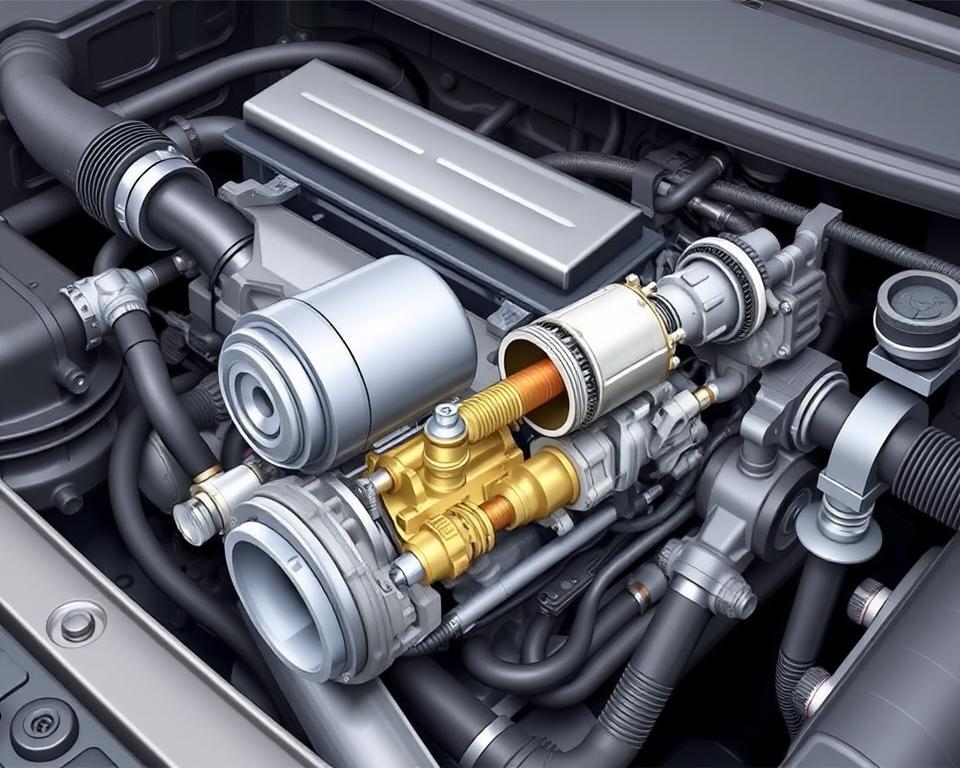
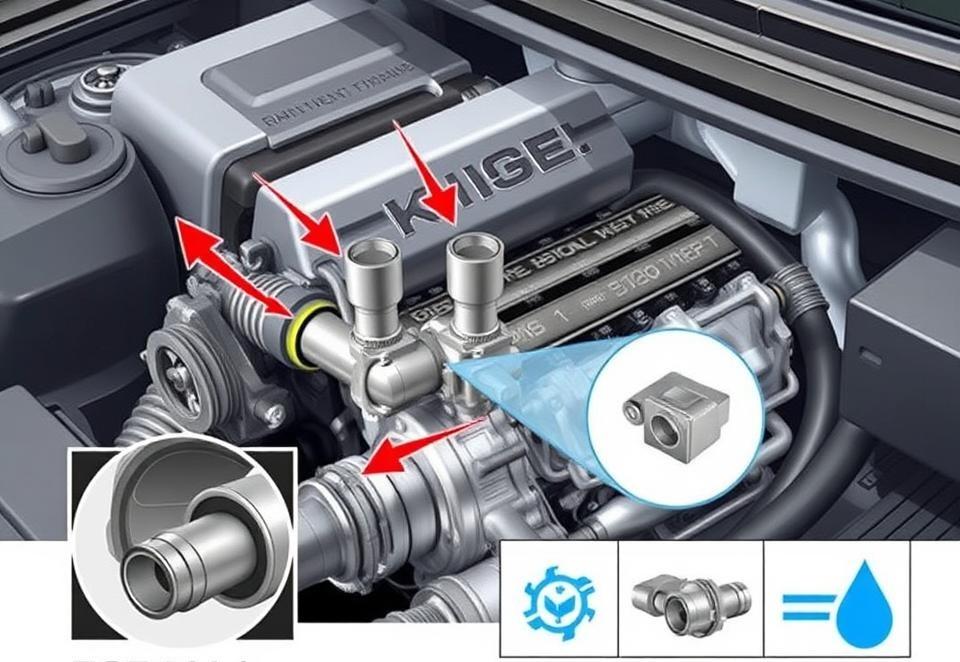
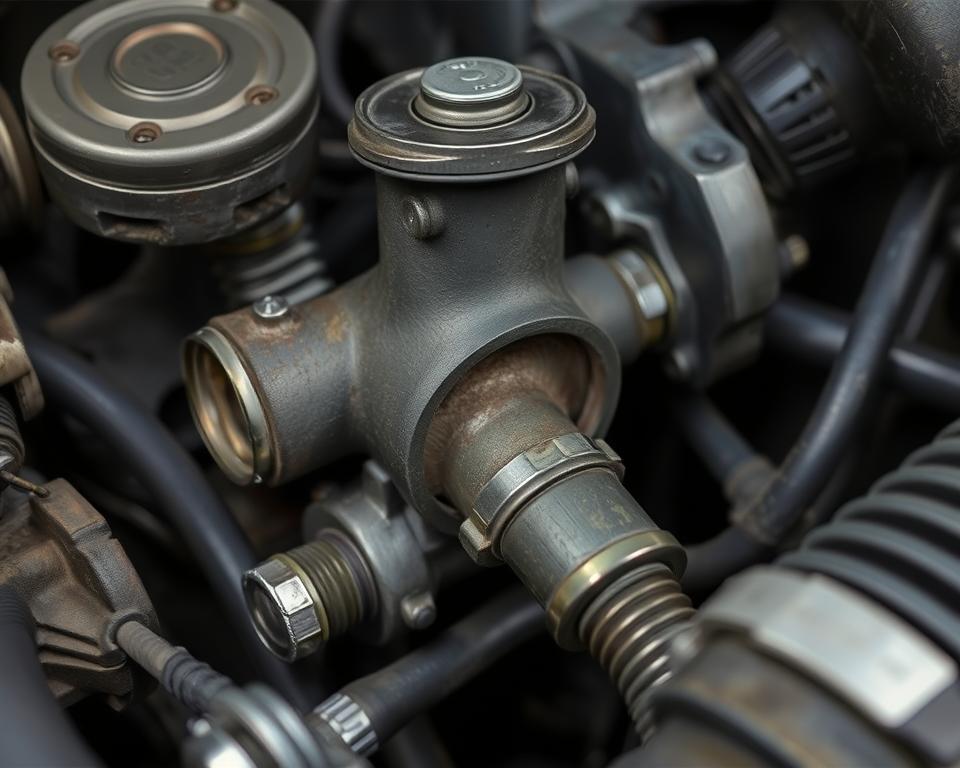
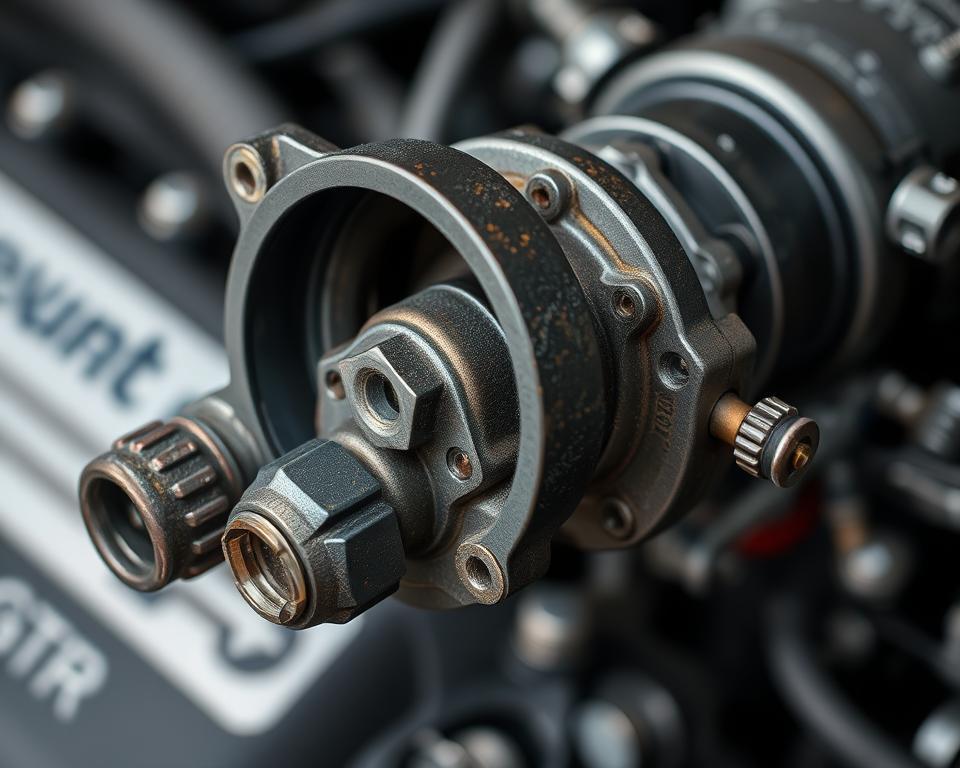
The egr exhaust gas return valve is key in your car’s engine. It sends some exhaust gases back into the engine’s intake system. This is called exhaust gas recirculation.
It helps cut down on harmful emissions and makes your car run better. The egr valve is very important for keeping your car’s emissions low and running smoothly.
The egr valve is important for reducing harmful emissions. These emissions can harm the air we breathe and our health. Knowing how the egr valve works helps car owners keep it in good shape.
Key Takeaways
The egr exhaust gas return valve is a critical component in reducing nitrogen oxide emissions.
Exhaust gas recirculation helps improve fuel efficiency and optimize engine performance.
The egr valve function is essential in reducing harmful emissions and improving overall vehicle performance.
Regular maintenance of the egr valve is necessary to ensure it operates efficiently.
Vehicle owners can face fines and MOT failures if their egr system is not operational.
The egr valve has two main settings: open and closed, with the ability to be partially opened or closed based on vehicle speed.
What is an EGR Exhaust Gas Return Valve?
The egr exhaust gas return valve is key in the exhaust gas recirculation system. It helps cut down nitrogen oxide emissions and boosts fuel efficiency. It works by sending some exhaust gases back into the engine’s intake system.
This action is vital for meeting strict emissions rules. The EGR system has parts like the EGR valve, EGR cooler, and EGR sensor. Keeping these parts clean is important to avoid egr valve problems like black smoke and higher fuel use.
Basic Function and Purpose
The EGR valve can be in two states: open or closed. It can also be partially open or closed based on the engine’s needs. If it’s not working right, you might need to replace it to keep your engine running well.
Components of an EGR System
The EGR system has:
EGR valve
EGR cooler
EGR sensor
Types of EGR Valves
There are many EGR valves, like diesel high-pressure, diesel low-pressure, and gasoline types. Each is made for different engines and conditions. Keeping them well-maintained is key to avoiding egr valve problems and keeping your engine in top shape.
EGR Valve Type
Description
Diesel High-Pressure
Designed for high-pressure diesel engines
Diesel Low-Pressure
Designed for low-pressure diesel engines
Gasoline
Designed for gasoline engines
The Role of EGR Valves in Engine Performance
The egr valve plays a key role in keeping engines running well. It helps control emissions and saves fuel. By sending exhaust gases back into the engine, it lowers the combustion temperature. This cuts down on harmful nitrogen oxides.
A good egr valve keeps the engine cool and efficient. It stays closed when the engine is idle or under low load. But it opens up when the engine works harder to reduce harmful emissions. This helps heavy-duty diesel trucks meet environmental rules by cutting NOx emissions by up to 50%.
Reduced nitrogen oxide emissions
Improved fuel efficiency
Optimized engine performance
If the egr valve goes wrong, it can cause problems. Fuel efficiency drops, and the engine might knock. Emissions go up too. So, it’s important to keep the egr system in good shape to avoid these issues.
How the EGR System Affects Emissions Control
The EGR system is key in cutting down nitrogen oxide emissions. These emissions are a big part of air pollution. It does this by sending some exhaust gases back into the engine. This lowers the combustion temperature, which in turn cuts down nitrogen oxide production.
This is vital for emission control, as cars with EGR valves are made to follow emissions rules. This means they emit less nitrogen oxide because they recirculate exhaust gases.
Signs of a bad EGR valve include more fuel use. This means the car might be putting out more emissions than it should. This could lead to egr valve problems and the need for egr valve replacement.
The EGR system’s role in emissions control is big. It’s important for the car to run right and not use too much fuel. It also helps the car meet emissions rules. A working EGR system is key to avoiding egr valve problems and the need for egr valve replacement.
In short, the EGR system is a vital part of a car’s emission control system. It’s essential for cutting down nitrogen oxide emissions and following emissions rules. Knowing how the EGR system works helps car owners keep their car’s EGR system in good shape. This ensures the car runs well and doesn’t have egr valve problems.
EGR System Component
Function
EGR Valve
Recirculates exhaust gases back into the engine’s intake system
Mass Airflow Sensor
Measures the amount of air entering the engine
Temperature Sensor
Monitors the temperature of the exhaust gases
Common Signs of EGR Valve Problems
Finding egr valve problems can be tricky. Yet, there are clear signs that show when something’s wrong. These signs include knocking noises, rough idling, and more fuel used than usual. If the EGR valve gets stuck, it can mess up your engine’s performance, increase emissions, and cut down on fuel efficiency.
Symptoms of a bad EGR valve include:
Rough idle
Poor performance
Increased fuel consumption
Stalling
These signs happen when the valve stays open or closed too long. This makes it hard to figure out what’s wrong.
At times, you might need to replace the egr valve to fix the issue. It’s key to get a pro to check and replace it if you think there’s a problem. Keeping the EGR valve clean and checked regularly can stop issues and make sure it works right.
Engine performance is reduced, leading to decreased fuel efficiency
Increased fuel consumption
Engine consumes more fuel than usual, leading to increased emissions
Knowing the common signs of EGR valve problems helps you fix them early. Regular checks and maintenance keep the EGR valve working well. This reduces the chance of egr valve problems and keeps your engine healthy.
Maintaining Your Car’s EGR Valve System
Keeping your egr valve system in good shape is key. This means checking it often, egr valve cleaning, and replacing parts when needed. It’s smart to check the EGR valve every 50,000 miles, or as the maker suggests.
To keep your car’s EGR valve system running well, here’s what to do:
Look for any damage or wear on the EGR valve.
Regularly clean the EGR valve and other parts to avoid blockages.
Swap out the EGR valve if it’s broken or not working right.
Keeping the egr valve clean helps it work better. If you’re not sure how to care for your EGR valve, get help from a skilled mechanic. They can replace the EGR valve if it’s needed and teach you how to keep it in top shape.
Maintenance Task
Frequency
Importance
Inspect EGR valve
Every 50,000 miles
High
Clean EGR valve
Every 30,000 miles
Medium
Replace EGR valve
As needed
High
EGR Valve Replacement: What to Expect
Understanding egr valve replacement is key. The cost can vary from $150 to $650. This depends on your car’s make and model, plus labor costs. In places like London, prices can go up to $417.
Installing an EGR valve is complex. It needs special tools and a skilled mechanic. The cost can also depend on the car’s brand. For example, Audi’s average cost is $539.
Average replacement time: 1 to 3 hours
Average cost: $265
Price range: $150 to $650
Regular maintenance, like using SeaFoam, can help avoid EGR problems. Knowing the costs and process helps you make better choices for your car.
Digital vs. Mechanical EGR Systems: Understanding the Difference
When we talk about egr system comparison, we see two main types. Digital egr systems use electronics for better control and performance. Mechanical egr systems, on the other hand, use vacuum and mechanical parts. They can be less precise and more likely to break.
Digital egr systems are great because they can watch and fix problems on their own. This means less time waiting and more work done. Mechanical systems need more hands-on work and can take longer to fix.
System Type
Control Method
Precision
Diagnostic Capabilities
Digital EGR Systems
Electronic
High
Real-time monitoring and self-diagnostic
Mechanical EGR Systems
Vacuum-operated
Lower
Manual intervention required
In short, digital egr systems are better for performance and work. When looking at egr system comparison, think about the good points of digital systems. These include their accuracy and ability to find and fix problems. But, also remember the downsides of mechanical systems.
Impact of EGR Problems on Vehicle Performance
EGR valve problems can really hurt how well your car runs. They can make your car use more fuel and lose power. A bad EGR valve messes up the air-to-fuel mix in the engine. This can make your car idle roughly and even cause it to misfire.
Some key effects of EGR valve problems on vehicle performance include:
Reduced fuel economy: A malfunctioning EGR valve can lead to abnormal fuel consumption, impacting fuel efficiency negatively.
Decreased engine power: EGR valve problems can cause a reduction in engine performance, resulting in rough idling and reduced power.
Long-term engine health: Failure to address EGR valve issues can escalate vehicle maintenance costs and may increase the vehicle’s environmental impact due to higher emissions.
Keeping the EGR system clean can help. It stops clogs and helps air and fuel mix better. Fixing EGR valve problems fast is key to avoiding engine damage.
Knowing how EGR problems affect your car helps you keep it running well. It’s all about taking care of your engine and keeping your car in top shape.
EGR Valve Problem
Effect on Vehicle Performance
Malfunctioning EGR valve
Reduced fuel economy, decreased engine power
Clogged EGR passages
Rough idling, reduced engine performance
Failed EGR cooler
Engine overheating, increased repair costs
Looking Ahead: The Future of EGR Technology in Modern Vehicles
The car world is always changing, and the Exhaust Gas Recirculation (EGR) valve is key. It helps make cars cleaner, more efficient, and powerful. The EGR tech market is set to grow fast, reaching USD 10.09 billion by 2030.
The focus on EGR technology in modern vehicles will be on better emission control. New materials, designs, and electronic controls are being worked on. These will make EGR valves more efficient and last longer.
Even as electric cars become more popular, EGR systems will stay important. They are essential in both traditional and hybrid cars. The push for cleaner cars means EGR valves will keep being a big part of the car world.