Buying a used car can be a smart financial decision, but the process can feel overwhelming if you don’t know where to start. The good news is that with the right approach, you can secure a great deal without the usual stress. Here’s how:
Set Your Budget in Advance
Before you start shopping, determine how much you can afford. Factor in taxes, registration, insurance, and potential maintenance costs. If you’re financing, get pre-approved for a loan to understand your monthly payments and interest rates.
Do Your Research
Spend time researching reliable makes and models that fit your budget. Use websites like Kelley Blue Book, Edmunds, and Consumer Reports to check pricing, customer reviews, and expected maintenance costs. Knowing the fair market value of a car will give you leverage when negotiating.
Shop at the Right Places
You can find used cars at dealerships, independent sellers, and online marketplaces. Family-owned dealerships often provide a more customer-friendly experience, while certified pre-owned (CPO) vehicles from major dealerships offer warranties for added peace of mind. If buying from a private seller, be extra cautious and verify the car’s condition thoroughly.
Check the Vehicle History Report
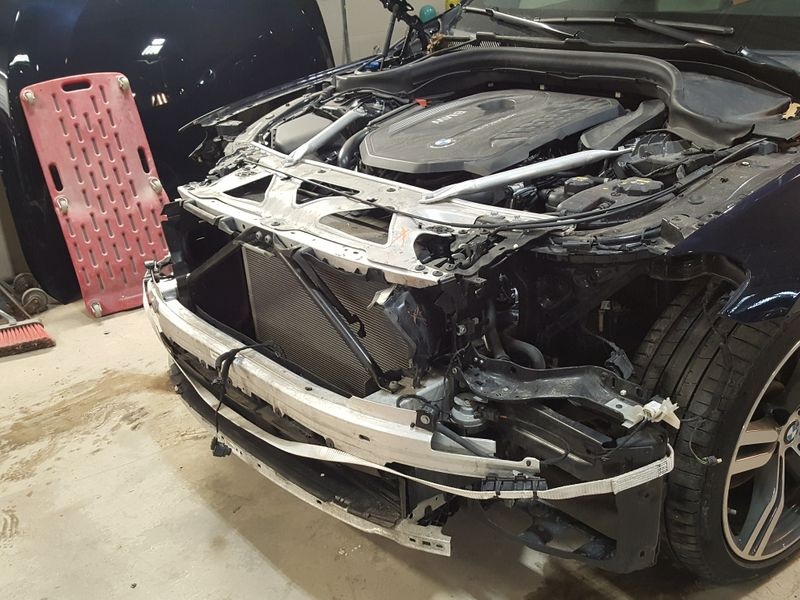
Always ask for a CARFAX or AutoCheck report to uncover potential red flags like accidents, odometer fraud, or title issues. If a seller refuses to provide this information, it’s best to walk away.
Inspect and Test Drive the Car
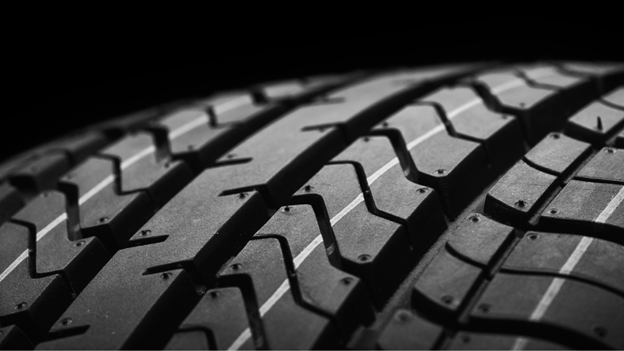
A thorough inspection is crucial. Check for dents, rust, leaks, and wear on the tires. Inside, test all electronics, air conditioning, and windows. During the test drive, assess the car’s handling, braking, and acceleration. Listen for any unusual noises.
Negotiate with Confidence
Once you find the right car, don’t be afraid to negotiate. Use your research to justify a fair price. Be polite but firm, and don’t feel pressured to agree to a deal on the spot.
Get a Pre-Purchase Inspection
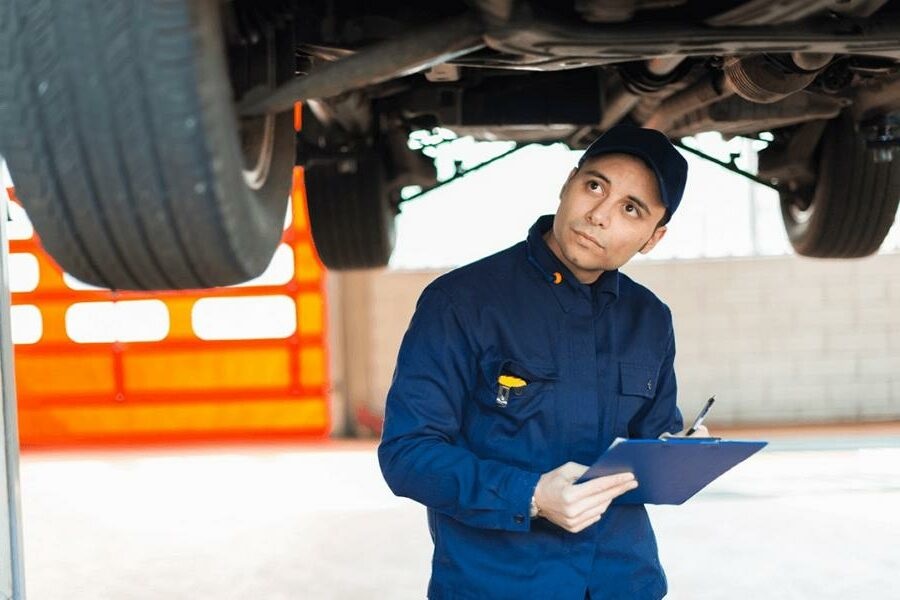
Before finalizing the deal, have a trusted mechanic inspect the car. A small upfront cost can save you from expensive repairs down the road. By following these steps, you can get a great deal on a used car without unnecessary stress. Take your time, stay informed, and drive away with confidence!
This post was written by a professional at LOR Motorcars. Founded in 2003—the year our son Riley was born— L.O.R. Motorcars (Life of Riley) is a family-owned dealership in Pinellas Park. For over 20 years, we’ve helped customers find high-quality, affordable vehicles with integrity and top-notch service. Our knowledgeable sales team matches you with the right car, while our expert technicians ensure every vehicle is road-ready. Looking for trusted used car dealers in Pinellas County? Visit L.O.R. Motorcars and experience the difference!
Your car, a complex network of electrical circuits, relies heavily on small but mighty components: fuses. These unassuming pieces of metal act as safety nets, protecting your vehicle’s electrical system from overloads and potential damage. Ignoring proper car fuse maintenance can lead to a cascade of problems, from malfunctioning lights and accessories to complete system failures. Understanding the importance of fuse maintenance is crucial for ensuring your car’s reliability and longevity.
Preventing Electrical Catastrophes: The Role of Fuses
Fuses are designed to be the weakest link in an electrical circuit. When an excessive current flows through a circuit, the fuse’s internal filament melts and breaks the connection, preventing further damage to sensitive components. Without fuses, a short circuit or power surge could fry expensive parts like the radio, headlights, or even the engine control unit (ECU). Think of them as electrical firefighters, proactively sacrificing themselves to prevent larger, more costly disasters. Neglecting fuse maintenance means removing this crucial layer of protection and inviting potential electrical chaos.
Regular Fuse Inspections: A Simple but Powerful Tool
Checking your car’s fuses should be part of your routine maintenance schedule. The process is straightforward: locate the fuse box (typically under the dashboard or in the engine compartment), consult your car’s owner’s manual to identify the fuse related to the suspected issue, and visually inspect the fuse. A blown fuse will have a broken filament, easily visible through the clear plastic housing. Regular inspections allow you to identify and address potential problems before they escalate into major electrical failures. Choosing the Auto Repair in San Clemente, CA based service is essential here.
Replacing Blown Fuses: A Quick and Easy Fix
Replacing a blown fuse is a straightforward task that empowers car owners to address minor electrical issues independently. However, safety and precision are paramount. The golden rule is to always replace a blown fuse with a new one of the exact same amperage rating. Never substitute with a higher amperage fuse. Doing so disables the circuit’s protective function, potentially causing wires to overheat, melting insulation, and even triggering a fire. This can result in extensive and costly damage to your car’s electrical system. Conversely, using a lower amperage fuse will only lead to it blowing out again instantly. To be prepared for roadside emergencies, maintain a small kit of replacement fuses with a range of amperage ratings appropriate for your vehicle. This simple precaution can save you time, money, and potential safety hazards.
Beyond Replacement: Addressing the Underlying Issue
Replacing a blown fuse might seem like a simple solution, but it’s essential to recognize it as a warning sign. A consistently blowing fuse points to a deeper problem within your vehicle’s electrical system. This could be a short circuit, where wires are improperly connected, a chafed wire grounding out, or a component drawing excessive current. Continuously replacing the fuse without investigating the cause is akin to masking a symptom; the underlying issue persists and may worsen over time. Ignoring these repeated fuse failures can lead to more significant and costly damage to your car’s electrical components, potentially even causing a fire. Seeking professional help from a qualified mechanic is crucial to diagnose and rectify the root cause, ensuring the longevity and safety of your vehicle.
The decision to buy a new car in Singapore is influenced by various factors, from style and comfort to affordability and efficiency. With Singapore’s competitive market presenting a wide range for sale, buyers must create a balance between luxury and practicality to find a vehicle that meets their needs. Here are the key considerations to help you navigate this decision-making process effectively.
Understanding Your Budget Constraints
Budget is a fundamental factor when deciding between luxury and practicality. High-end luxury cars come with significant upfront costs, including hefty COE prices, registration fees, and insurance premiums. On the other hand, practical vehicles are generally more affordable and come with lower maintenance expenses. Assessing your financial capacity helps clarify whether a luxury model fits into your lifestyle or if a practical option better aligns with your long-term goals.
Considering Depreciation Rates
Depreciation is another factor to consider when looking for a new car for sale in Singapore. Luxury cars tend to depreciate faster than practical vehicles due to higher initial prices and a narrower resale market. Practical models often retain their value better, especially those known for reliability and efficiency. Understanding depreciation trends helps ensure your purchase remains financially viable in the long term.
Evaluating Maintenance and Running Costs
Luxury cars typically require premium maintenance services, specialised parts, and higher-grade fuel, which increase long-term costs. Practical cars, compact and fuel-efficient models, offer lower maintenance and running expenses, making them ideal for daily commuting in Singapore. Think of the cost of routine servicing, tyre replacements, and fuel consumption when choosing between luxury and practicality.
Assessing Space and Functionality Needs
Your lifestyle plays a significant role in determining the type of car to purchase. Luxury vehicles often prioritise style and advanced technology, while practical models focus on space and functionality. For families or those frequently transporting cargo, a practical car with ample boot space and passenger comfort may be more suitable. Meanwhile, luxury vehicles are perfect for those seeking sophistication and superior driving experiences.
Weighing Comfort Against Cost
Luxury cars excel in offering superior comfort, advanced features, and premium interiors. However, these come at a price that may not always justify their use for daily driving. Practical cars, while simpler, provide reliable performance and adequate comfort for most commuting needs. Identifying your priorities—whether it’s plush interiors or affordability—will guide you toward a well-informed decision.
Factoring in Technology and Features
Modern luxury cars are equipped with cutting-edge technology, including advanced safety features, entertainment systems, and autonomous driving capabilities. Practical vehicles, while less tech-heavy, offer essential features that meet daily driving requirements. Consider whether these technological enhancements are a necessity or a luxury when exploring new cars for sale in Singapore.
The financial structure of your car purchase significantly influences your decision. Luxury cars require higher down payments and monthly instalments, while practical models offer more accessible financing terms. Evaluating available loan options and understanding repayment schedules ensures you can comfortably manage the financial commitment.
Balancing Aspirations with Practicality
Choosing a car involves balancing aspirations with practicality. While a luxury vehicle may symbolise success and status, it may not always meet everyday needs or provide value for money. Practical cars are designed to deliver reliable transportation at an affordable cost. Reflecting on your lifestyle, aspirations, and long-term goals helps ensure you select a car that offers both satisfaction and functionality.
Making the Right Decision in Singapore’s Market
The competitive car market in Singapore offers diverse options, ranging from luxury vehicles to practical models. Buyers must weigh financial factors, functionality, and personal preferences to strike the perfect balance. Whether you prioritise sophistication or practicality, conducting thorough research and understanding your needs will lead to a more confident purchase decision.
For more information about new car options available in Singapore, contact VINCAR today.
Your engine’s lifeblood is motor oil, which is frequently disregarded. It is more than just a lubricant; it is a sophisticated fluid designed to carry out a number of vital tasks that maintain the smooth and effective operation of your vehicle. To extend the life of your engine and prevent expensive repairs, it is essential to comprehend the function of motor oil and preserve its quality. Premature wear, overheating, and even total engine failure can result from using the incorrect type of oil or neglecting oil changes. For expert maintenance and a reliable oil change in Englewood, CO, trust professional services to keep your engine running smoothly.
Lubrication: Reducing Wear and Friction
Lubrication is motor oil’s fundamental function. Your engine has many metal parts moving rapidly against each other. Without oil, friction would generate too much heat, causing parts to grind, wear down, and seize. Motor oil forms a thin film between moving parts, reducing friction and easing operation. Reduced wear and strain extends camshafts, bearings, and pistons’ lifespans. Oil increases fuel efficiency by reducing friction, which the engine needs to overcome resistance.
Dissipating Heat and Avoiding Overheating via Cooling
When it comes to controlling engine temperature, motor oil is an essential component of the cooling system. It supports the coolant’s principal heat dissipation function. The oil actively absorbs the intense heat generated by the strong combustion process and the constant friction of moving parts as it passes through the engine. Before being put back into the engine, this heated oil has a chance to discharge its thermal load when it returns to the oil pan. It’s critical to keep the engine within its optimal temperature range. Overheating can have disastrous effects, including fractured engine blocks, twisted cylinder heads, and a seriously weakened engine. As a result, to guarantee the best engine performance and longevity, the cooling system and motor oil cooperate.
Cleaning: Eliminating Pollutants and Avoiding Sludge Deposition
A variety of by-products are produced during combustion, such as soot, carbon deposits, and unburned fuel. If ignored, these impurities can build up in the engine and seriously harm it. By suspending and removing these impurities from vital engine parts, motor oil serves as a cleaning agent. By doing this, sludge accumulation is avoided, which can obstruct oil channels, limit oil flow, and cause premature wear. These suspended impurities are captured by the oil filter, which stops them from going back and forth through the engine.
Conclusion
Motor oil offers vital corrosion protection in addition to lubrication, cooling, and cleansing. Additives in the oil neutralize acids produced during combustion, keeping engine parts from corroding. Additionally, motor oil ensures ideal compression by sealing the combustion chamber. As a result, engine performance and fuel efficiency are enhanced.
When it comes time to get rid of an old, damaged, or non-working vehicle, working with a scrap car dealer can be an excellent way to recycle your car and make some money in the process. However, choosing the right scrap car dealer is essential to ensure a smooth, fair transaction. Here’s what you should look for in a reliable and trustworthy scrap car dealer.
1. Reputation and Reviews
One of the most important things to consider when selecting a scrap car dealer is their reputation. Look for dealers with positive reviews and recommendations from previous customers. A reputable scrap car dealer should be transparent, professional, and offer fair prices. Online reviews, word-of-mouth referrals, and even feedback from local businesses can give your insight into their service quality. If the dealer has a good reputation, it is more likely that they’ll provide you with fair value and a hassle-free experience.
2. Proper Licensing and Certification
Make sure the scrap car dealers in delhiare licensed and certified to handle vehicle disposal in your area. Legitimate dealers are required to follow regulations set by local authorities for recycling and disposal of vehicles. A licensed dealer will ensure that your car is disposed of responsibly and that all necessary paperwork, such as the title transfer and proof of ownership, is correctly handled. Avoid working with dealers who seem to operate without proper documentation, as this could lead to potential legal issues down the road.
3. Fair Pricing
Getting the best value for your scrap car is essential, and a good scrap car dealer should offer a competitive price. Some dealers offer instant quotes online or over the phone based on the make, model, and condition of your car. While scrap car prices depend on factors like the vehicle’s age, condition, and current scrap metal rates, a trustworthy dealer will offer a price that reflects the true value of the car. Be cautious of dealers who offer significantly low or high prices, as they may not be operating fairly.
4. Free Towing Services
Many scrap car dealers offer free towing services, which is a major convenience if your car is not drivable. A good dealer will arrange for a tow truck to pick up your car from your location without charging extra fees. Be sure to confirm that the towing service is included in the deal upfront, so you don’t get hit with hidden charges later on. Free towing is often a sign that the dealer is professional and customer-oriented.
5. Environmental Responsibility
If you’re interested in being environmentally responsible, choose a scrap car dealer who prioritizes recycling and follows eco-friendly practices. A reputable dealer will dismantle the vehicle and recycle its parts, including the engine, tires, and metal components, to minimize waste. Inquire about the dealer’s recycling process and whether they take steps to dispose of hazardous materials like fluids and batteries in a safe and environmentally friendly manner.
Choosing the right scrap car dealers in delhiinvolves more than just finding the highest price. By looking for a reputable dealer with fair pricing, proper licensing, free towing, environmental responsibility, clear communication, and good customer service, you can ensure a smooth and rewarding experience when scraping your vehicle. Doing your research and selecting a trustworthy dealer will not only help you get the best deal but also ensure that your car is disposed of properly and legally.
Tires are one of the most important components of your 4×4, providing the necessary grip and stability for both on-road and off-road driving. However, uneven tire wear can compromise handling, reduce fuel efficiency, and shorten the lifespan of your tires. Identifying the causes of uneven tire wear early can save you from expensive repairs and replacements down the road. Below are six common causes of uneven tire wear and how to prevent them.
1. Improper Tire Pressure
One of the most common reasons for uneven tire wear is incorrect tire pressure. Overinflated tires cause excessive wear in the center of the tread, while underinflated tires wear more along the edges. Both scenarios reduce traction, affect handling, and increase the risk of a blowout.
How to Prevent It:
Check your tire pressure regularly (at least once a month) using a reliable gauge.
Inflate your tires to the manufacturer’s recommended PSI, which is usually listed in the owner’s manual or on the driver’s side door frame.
Adjust tire pressure based on driving conditions—lower it for off-roading to improve grip and increase it for highway driving to enhance fuel efficiency.
2. Misaligned Wheels
Wheel alignment ensures that your tires make proper contact with the road surface. If your wheels are misaligned, one or more tires may experience excessive wear on the inner or outer edges, leading to premature replacement. Misalignment often occurs after hitting potholes, curbs, or driving on rough terrain.
How to Prevent It:
Have your wheel alignment checked and adjusted regularly, especially if you frequently drive on rough trails.
Look for signs of misalignment, such as the vehicle pulling to one side or a crooked steering wheel when driving straight.
If you install a lift kit or suspension upgrades, get a professional alignment to ensure proper handling and even tire wear.
3. Worn or Faulty Suspension Components
A vehicle’s suspension system plays a crucial role in maintaining even tire contact with the road. Worn-out shocks, struts, or bushings can cause excessive bouncing, leading to patchy or scalloped tire wear. Off-road driving puts additional strain on suspension components, accelerating wear and tear.
How to Prevent It:
Inspect your suspension system regularly for signs of damage, such as leaking shocks, excessive bouncing, or clunking noises.
Replace worn-out suspension parts promptly to maintain proper tire contact with the road.
If you notice uneven wear or a rough ride, search for 4wd suspension near me to find a specialist who can diagnose and fix the issue.
4. Unbalanced Tires
Tire balancing ensures that weight is evenly distributed around each wheel. When tires are unbalanced, they can cause vibrations at certain speeds, leading to irregular wear patterns such as cupping or scalloping. This issue is more common in off-road vehicles that frequently tackle rocky or uneven terrain.
How to Prevent It:
Have your tires balanced every 5,000–7,500 miles or whenever you install new tires.
If you feel vibrations in the steering wheel or seat at certain speeds, get your tires checked for balance.
If you rotate your tires, make sure they are rebalanced afterward to prevent uneven wear.
5. Lack of Regular Tire Rotations
Front and rear tires wear at different rates due to variations in weight distribution and driving habits. In 4×4 vehicles, front tires often wear out faster because they handle more of the braking and steering forces. Without regular rotations, some tires will wear down more quickly than others, leading to uneven tread wear.
How to Prevent It:
Rotate your tires every 5,000–7,500 miles or as recommended by your vehicle’s manufacturer.
Follow a proper rotation pattern (such as front-to-back or cross-pattern rotation) to ensure even tread wear.
If you have larger off-road tires, make sure your spare is also rotated in to maximize longevity.
6. Aggressive Driving and Hard Braking
Frequent hard braking, sharp turns, and aggressive acceleration can contribute to uneven tire wear. This type of driving puts extra strain on the tread, especially on the edges of the front tires. While off-roading requires precise maneuvering, excessive wheel spin and sudden stops can accelerate tread wear unevenly.
How to Prevent It:
Drive smoothly and avoid slamming on the brakes whenever possible.
Maintain a safe following distance to reduce the need for sudden stops.
When off-roading, use controlled throttle inputs and avoid excessive wheel spin to minimize tire damage.
Uneven tire wear is often a sign of underlying issues that can affect the overall performance and safety of your 4×4. By maintaining proper tire pressure, getting regular wheel alignments, inspecting your suspension, balancing your tires, rotating them on schedule, and adopting smoother driving habits, you can extend the lifespan of your tires and ensure a better driving experience.
If you notice uneven wear or handling issues, consulting a 4wd suspension expert can help diagnose and fix suspension-related problems before they lead to more extensive repairs. Taking proactive steps to maintain your tires will save you money in the long run while keeping your 4×4 ready for any adventure.
A car battery is one of the most important parts of a vehicle. It powers the engine, lights, and all electrical components. Without a good battery, your car may not start, and many systems may fail. Choosing the right battery ensures reliability, good performance, and a longer lifespan. Power and capacity are key factors to consider when buying a car battery. Power determines how well the battery starts the engine, while capacity affects how long it can provide energy. If the battery is too weak, your car may struggle to start, especially in cold weather. A battery with low capacity may also drain quickly, leading to frequent replacements.
If you need to buy car battery in Malta, it is important to check these factors before making a choice.
Reliable engine start
The battery provides the energy needed to start the engine. A battery with high cranking power ensures your engine starts smoothly, even in cold weather. Cold temperatures can make the engine oil thick, making it harder for the engine to turn over. A powerful battery provides the extra energy needed for a quick start. If the power is too low, the engine may crank slowly or fail to start at all. This can be frustrating and may leave you stranded.
Supports electrical components
Modern vehicles have many electrical systems, including lights, music players, air conditioning, and navigation systems. A battery with good capacity ensures these components work properly. A weak battery may cause flickering lights, slow window operation, or poor audio system performance. A car’s alternator charges the battery while driving, but a low-capacity battery may struggle to store enough energy. This can lead to dim headlights or weak air conditioning, affecting comfort and safety.
Longer battery life
A battery that matches your car’s power needs lasts longer. If a battery has low capacity but is forced to handle a high electrical load, it wears out quickly. Overloading a battery can cause frequent replacements, increasing costs over time. A properly rated battery ensures optimal performance and a longer lifespan. It can handle daily use without straining, reducing the risk of sudden failures.
Better performance in extreme weather
Weather conditions affect battery performance. Cold temperatures reduce a battery’s ability to deliver power, while hot temperatures speed up wear and tear. A strong battery with high cold-cranking amps (CCA) ensures smooth starts in freezing conditions. In hot weather, a good battery resists heat damage and prevents internal fluid loss.
Prevents unexpected breakdowns
A weak battery can fail suddenly, leaving you stranded. A battery with enough power and capacity reduces this risk. It provides stable performance and reliable starts, even after long periods of inactivity. A good battery also supports the alternator, reducing strain on the charging system. This prevents issues like slow starts, electrical malfunctions, and sudden power loss.
To sum up
Power and capacity are crucial when choosing a car battery. They affect starting reliability, electrical performance, battery lifespan, and overall vehicle safety. A good battery provides stable power, handles extreme weather, and reduces the risk of breakdowns.
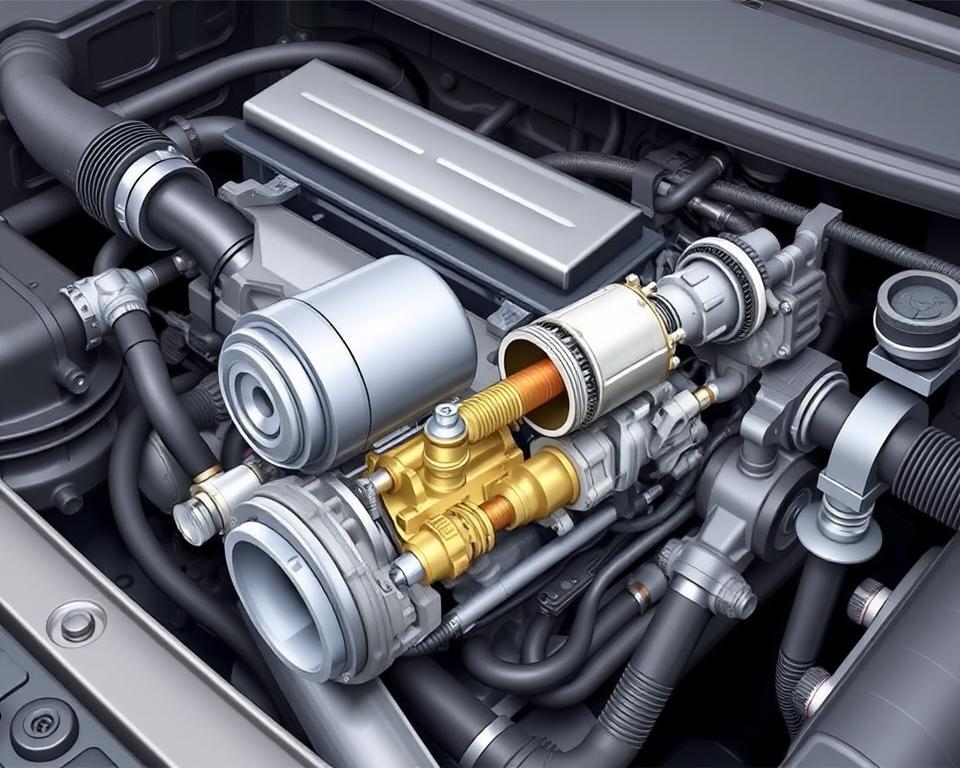
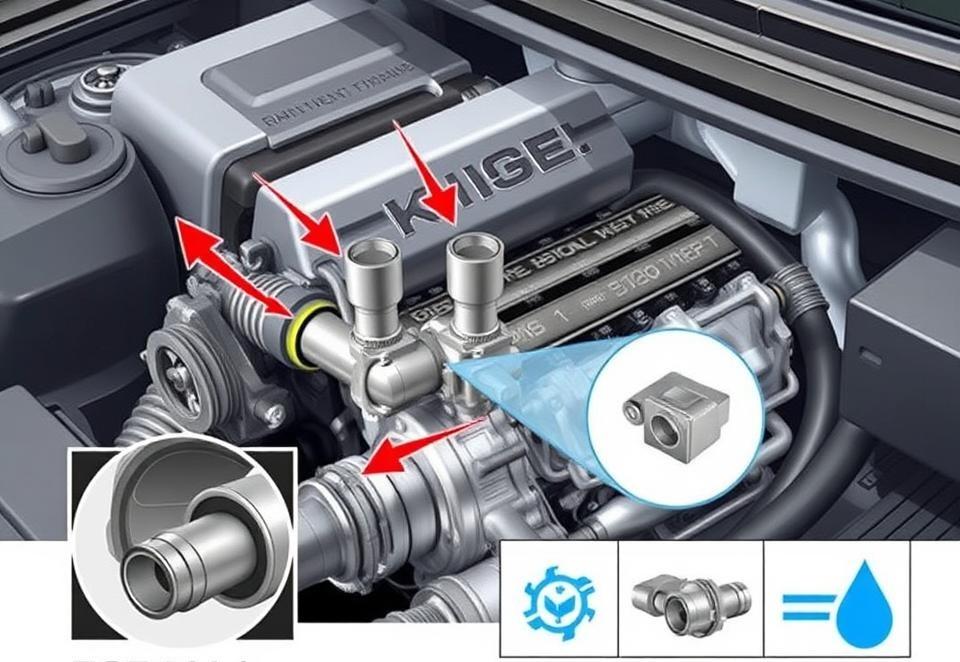
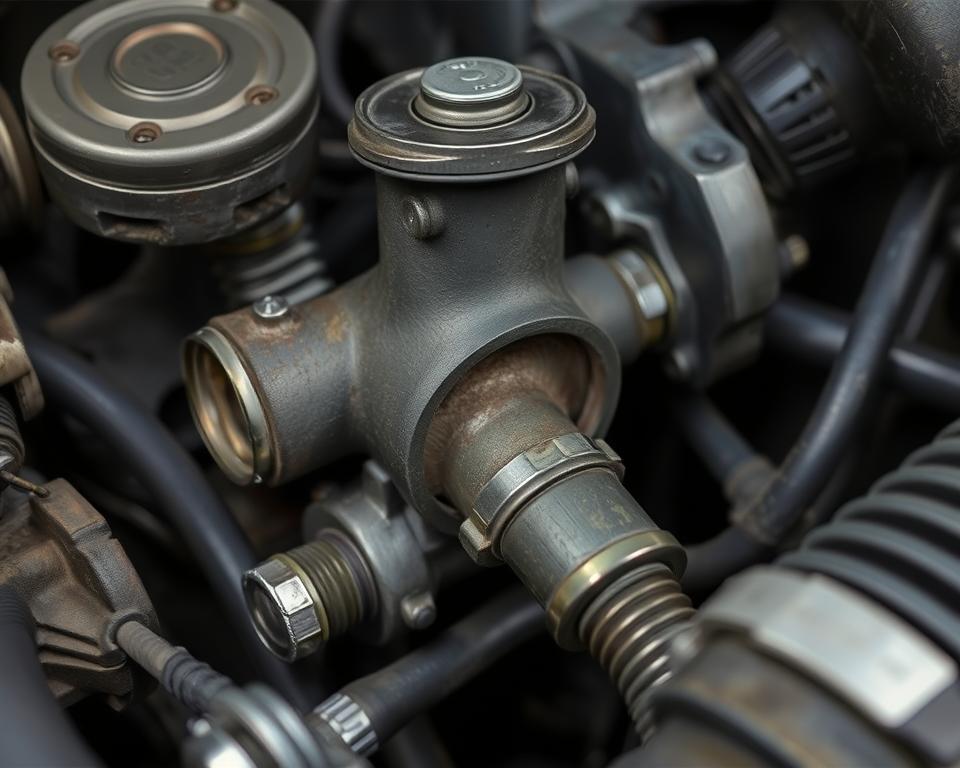
The egr exhaust gas return valve is key in your car’s engine. It sends some exhaust gases back into the engine’s intake system. This is called exhaust gas recirculation.
It helps cut down on harmful emissions and makes your car run better. The egr valve is very important for keeping your car’s emissions low and running smoothly.
The egr valve is important for reducing harmful emissions. These emissions can harm the air we breathe and our health. Knowing how the egr valve works helps car owners keep it in good shape.
Key Takeaways
The egr exhaust gas return valve is a critical component in reducing nitrogen oxide emissions.
Exhaust gas recirculation helps improve fuel efficiency and optimize engine performance.
The egr valve function is essential in reducing harmful emissions and improving overall vehicle performance.
Regular maintenance of the egr valve is necessary to ensure it operates efficiently.
Vehicle owners can face fines and MOT failures if their egr system is not operational.
The egr valve has two main settings: open and closed, with the ability to be partially opened or closed based on vehicle speed.
What is an EGR Exhaust Gas Return Valve?
The egr exhaust gas return valve is key in the exhaust gas recirculation system. It helps cut down nitrogen oxide emissions and boosts fuel efficiency. It works by sending some exhaust gases back into the engine’s intake system.
This action is vital for meeting strict emissions rules. The EGR system has parts like the EGR valve, EGR cooler, and EGR sensor. Keeping these parts clean is important to avoid egr valve problems like black smoke and higher fuel use.
Basic Function and Purpose
The EGR valve can be in two states: open or closed. It can also be partially open or closed based on the engine’s needs. If it’s not working right, you might need to replace it to keep your engine running well.
Components of an EGR System
The EGR system has:
EGR valve
EGR cooler
EGR sensor
Types of EGR Valves
There are many EGR valves, like diesel high-pressure, diesel low-pressure, and gasoline types. Each is made for different engines and conditions. Keeping them well-maintained is key to avoiding egr valve problems and keeping your engine in top shape.
EGR Valve Type
Description
Diesel High-Pressure
Designed for high-pressure diesel engines
Diesel Low-Pressure
Designed for low-pressure diesel engines
Gasoline
Designed for gasoline engines
The Role of EGR Valves in Engine Performance
The egr valve plays a key role in keeping engines running well. It helps control emissions and saves fuel. By sending exhaust gases back into the engine, it lowers the combustion temperature. This cuts down on harmful nitrogen oxides.
A good egr valve keeps the engine cool and efficient. It stays closed when the engine is idle or under low load. But it opens up when the engine works harder to reduce harmful emissions. This helps heavy-duty diesel trucks meet environmental rules by cutting NOx emissions by up to 50%.
Reduced nitrogen oxide emissions
Improved fuel efficiency
Optimized engine performance
If the egr valve goes wrong, it can cause problems. Fuel efficiency drops, and the engine might knock. Emissions go up too. So, it’s important to keep the egr system in good shape to avoid these issues.
How the EGR System Affects Emissions Control
The EGR system is key in cutting down nitrogen oxide emissions. These emissions are a big part of air pollution. It does this by sending some exhaust gases back into the engine. This lowers the combustion temperature, which in turn cuts down nitrogen oxide production.
This is vital for emission control, as cars with EGR valves are made to follow emissions rules. This means they emit less nitrogen oxide because they recirculate exhaust gases.
Signs of a bad EGR valve include more fuel use. This means the car might be putting out more emissions than it should. This could lead to egr valve problems and the need for egr valve replacement.
The EGR system’s role in emissions control is big. It’s important for the car to run right and not use too much fuel. It also helps the car meet emissions rules. A working EGR system is key to avoiding egr valve problems and the need for egr valve replacement.
In short, the EGR system is a vital part of a car’s emission control system. It’s essential for cutting down nitrogen oxide emissions and following emissions rules. Knowing how the EGR system works helps car owners keep their car’s EGR system in good shape. This ensures the car runs well and doesn’t have egr valve problems.
EGR System Component
Function
EGR Valve
Recirculates exhaust gases back into the engine’s intake system
Mass Airflow Sensor
Measures the amount of air entering the engine
Temperature Sensor
Monitors the temperature of the exhaust gases
Common Signs of EGR Valve Problems
Finding egr valve problems can be tricky. Yet, there are clear signs that show when something’s wrong. These signs include knocking noises, rough idling, and more fuel used than usual. If the EGR valve gets stuck, it can mess up your engine’s performance, increase emissions, and cut down on fuel efficiency.
Symptoms of a bad EGR valve include:
Rough idle
Poor performance
Increased fuel consumption
Stalling
These signs happen when the valve stays open or closed too long. This makes it hard to figure out what’s wrong.
At times, you might need to replace the egr valve to fix the issue. It’s key to get a pro to check and replace it if you think there’s a problem. Keeping the EGR valve clean and checked regularly can stop issues and make sure it works right.
Engine performance is reduced, leading to decreased fuel efficiency
Increased fuel consumption
Engine consumes more fuel than usual, leading to increased emissions
Knowing the common Signs of EGR valve problems helps you fix them early. Regular checks and maintenance keep the EGR valve working well. This reduces the chance of egr valve problems and keeps your engine healthy.
Maintaining Your Car’s EGR Valve System
Keeping your egr valve system in good shape is key. This means checking it often, egr valve cleaning, and replacing parts when needed. It’s smart to check the EGR valve every 50,000 miles, or as the maker suggests.
To keep your car’s EGR valve system running well, here’s what to do:
Look for any damage or wear on the EGR valve.
Regularly clean the EGR valve and other parts to avoid blockages.
Swap out the EGR valve if it’s broken or not working right.
Keeping the egr valve clean helps it work better. If you’re not sure how to care for your EGR valve, get help from a skilled mechanic. They can replace the EGR valve if it’s needed and teach you how to keep it in top shape.
Maintenance Task
Frequency
Importance
Inspect EGR valve
Every 50,000 miles
High
Clean EGR valve
Every 30,000 miles
Medium
Replace EGR valve
As needed
High
EGR Valve Replacement: What to Expect
Understanding egr valve replacement is key. The cost can vary from $150 to $650. This depends on your car’s make and model, plus labor costs. In places like London, prices can go up to $417.
Installing an EGR valve is complex. It needs special tools and a skilled mechanic. The cost can also depend on the car’s brand. For example, Audi’s average cost is $539.
Average replacement time: 1 to 3 hours
Average cost: $265
Price range: $150 to $650
Regular maintenance, like using SeaFoam, can help avoid EGR problems. Knowing the costs and process helps you make better choices for your car.
Digital vs. Mechanical EGR Systems: Understanding the Difference
When we talk about egr system comparison, we see two main types. Digital egr systems use electronics for better control and performance. Mechanical egr systems, on the other hand, use vacuum and mechanical parts. They can be less precise and more likely to break.
Digital egr systems are great because they can watch and fix problems on their own. This means less time waiting and more work done. Mechanical systems need more hands-on work and can take longer to fix.
System Type
Control Method
Precision
Diagnostic Capabilities
Digital EGR Systems
Electronic
High
Real-time monitoring and self-diagnostic
Mechanical EGR Systems
Vacuum-operated
Lower
Manual intervention required
In short, digital egr systems are better for performance and work. When looking at egr system comparison, think about the good points of digital systems. These include their accuracy and ability to find and fix problems. But, also remember the downsides of mechanical systems.
Impact of EGR Problems on Vehicle Performance
EGR valve problems can really hurt how well your car runs. They can make your car use more fuel and lose power. A bad EGR valve messes up the air-to-fuel mix in the engine. This can make your car idle roughly and even cause it to misfire.
Some key effects of EGR valve problems on vehicle performance include:
Reduced fuel economy: A malfunctioning EGR valve can lead to abnormal fuel consumption, impacting fuel efficiency negatively.
Decreased engine power: EGR valve problems can cause a reduction in engine performance, resulting in rough idling and reduced power.
Long-term engine health: Failure to address EGR valve issues can escalate vehicle maintenance costs and may increase the vehicle’s environmental impact due to higher emissions.
Keeping the EGR system clean can help. It stops clogs and helps air and fuel mix better. Fixing EGR valve problems fast is key to avoiding engine damage.
Knowing how EGR problems affect your car helps you keep it running well. It’s all about taking care of your engine and keeping your car in top shape.
EGR Valve Problem
Effect on Vehicle Performance
Malfunctioning EGR valve
Reduced fuel economy, decreased engine power
Clogged EGR passages
Rough idling, reduced engine performance
Failed EGR cooler
Engine overheating, increased repair costs
Looking Ahead: The Future of EGR Technology in Modern Vehicles
The car world is always changing, and the Exhaust Gas Recirculation (EGR) valve is key. It helps make cars cleaner, more efficient, and powerful. The EGR tech market is set to grow fast, reaching USD 10.09 billion by 2030.
The focus on EGR technology in modern vehicles will be on better emission control. New materials, designs, and electronic controls are being worked on. These will make EGR valves more efficient and last longer.
Even as electric cars become more popular, EGR systems will stay important. They are essential in both traditional and hybrid cars. The push for cleaner cars means EGR valves will keep being a big part of the car world.
With the growing demand for truck drivers in St. Louis, job opportunities are plentiful. However, competition for the best positions is fierce. If you want to secure a high-paying job with excellent benefits and steady routes, you need to go beyond the basics. Simply having a CDL isn’t enough—you must showcase your skills, professionalism, and reliability to stand out from the crowd.
This guide will help you position yourself as a top candidate in St. Louis’ trucking job market. Whether you’re a new driver or an experienced one looking for better opportunities, these strategies will set you apart.
1. Maintain a Clean Driving Record
Trucking companies prioritize safety. A clean driving record signals that you are responsible and dependable behind the wheel. To improve your chances of landing the best jobs:
Avoid traffic violations, speeding tickets, and accidents.
Follow all DOT regulations and company safety guidelines.
Keep up with vehicle inspections and maintenance.
Employers often perform background checks before hiring, so maintaining a solid safety history will make you a more attractive candidate.
2. Get the Right Endorsements and Certifications
While a basic CDL allows you to apply for most truck driving jobs, having additional endorsements can open the door to higher-paying opportunities. Consider obtaining:
Hazmat Endorsement (H) – Required for transporting hazardous materials.
Tanker Endorsement (N) – Needed for hauling liquid cargo.
Doubles/Triples Endorsement (T) – Allows you to operate multi-trailer rigs.
TWIC Card – Essential for drivers working in ports and restricted facilities.
Employers value drivers with specialized skills, and endorsements can help you qualify for higher-paying positions.
3. Gain Experience with Different Freight Types
Trucking companies often look for drivers who can handle various types of freight. Expanding your experience with:
Flatbed Trucking – Requires securing and tarping loads properly.
Oversized/Heavy Haul – Requires additional safety measures and permits.
Versatile drivers have an advantage in the job market because they can fill multiple roles. If you’re new, consider working with companies that offer hands-on training for specialized freight.
4. Build a Strong Resume and Application
Many truckers overlook the importance of a well-structured resume. A polished application can help you stand out, especially when applying to top trucking companies. Your resume should include:
Your CDL class and endorsements
Years of driving experience
Employment history (company names, years worked, and job responsibilities)
Safety record (accident-free miles, awards, and certifications)
Specialized training or experience (e.g., hazardous materials, oversized loads, or team driving)
Even though trucking is a skills-based job, a well-written resume can give you an edge over other applicants.
5. Use the Best Job Search Strategies
If you want the best trucking jobs in St. Louis, you need to look in the right places. Here’s where to start:
Online Job Boards
Many trucking companies list openings on industry-specific job sites, including:
Indeed
com
Truck Driver Jobs 411
Company Websites
Many top employers post jobs directly on their websites. Major trucking companies like Rapid Response (www.rapidresponsestl.com), Hogan Transportation, Beelman Truck Co., and R&R Transport frequently update their hiring pages.
Networking
Referrals are one of the best ways to land a job. Connect with other truckers, attend industry events, and join online trucking forums. If you know someone at a company you want to work for, ask if they can refer you.
Trucking Recruiters and Staffing Agencies
Companies like ProDrivers and Trillium Driver Solutions specialize in placing truck drivers in high-quality positions.
6. Be Flexible with Routes and Schedules
Truck drivers who are open to different schedules often get better job offers. Some of the highest-paying positions require:
Over-the-road (OTR) driving – Longer routes that cover multiple states.
Regional driving – Routes that cover a few states but allow more home time.
Night or weekend shifts – Many companies pay extra for off-peak hours.
If you’re willing to adjust your schedule, you’ll have more opportunities and higher earning potential.
7. Maintain a Professional Image
While truck driving is a blue-collar profession, professionalism still matters. Many companies evaluate candidates based on their attitude, communication skills, and overall presentation. To make a strong impression:
Dress appropriately when meeting recruiters or attending interviews.
Speak clearly and professionally in phone or in-person interactions.
Be courteous and reliable—your reputation matters in the trucking community.
Companies want to hire drivers they can trust to represent their brand positively.
8. Ace the Interview Process
Even though trucking jobs don’t always require formal interviews, some companies conduct phone or in-person screenings before hiring. To increase your chances of success:
Be prepared to discuss your experience and driving record.
Highlight your safety record and reliability.
Ask questions about routes, home time, and pay structures.
Showing enthusiasm and a strong work ethic will make you a more appealing candidate.
9. Stay Up to Date with Industry Trends
The trucking industry is evolving with new regulations, technologies, and hiring practices. Stay informed by:
Following industry news on sites like FreightWaves and The Trucker.
Learning about new technologies, such as electronic logging devices (ELDs) and automated safety systems.
Employers value drivers who adapt to industry changes and maintain a high level of professionalism.
10. Consider Becoming an Owner-Operator
If you want more control over your career, becoming an owner-operator can be a lucrative option. While it requires upfront investment, benefits include:
Higher earning potential
The ability to choose your own routes
Greater flexibility in scheduling
Before making the switch, research the costs of owning a truck, fuel expenses, insurance, and maintenance.
Final Thoughts
Standing out in St. Louis’ competitive trucking job market requires more than just a CDL. By maintaining a clean driving record, earning endorsements, networking, and presenting yourself professionally, you can increase your chances of landing a top trucking job.
If you’re serious about advancing your trucking career, apply these strategies today. The best jobs go to drivers who put in the effort to rise above the competition!
Truck driving is the backbone of the American economy, and St. Louis, MO, serves as a vital hub for transportation and logistics. With its strategic location in the Midwest, the city offers ample opportunities for truck drivers seeking well-paying and stable jobs. However, finding the right position requires more than just a commercial driver’s license (CDL). It involves understanding the job market, knowing where to look, and making strategic career moves.
This comprehensive guide will walk you through the best strategies to land top truck driving jobs in St. Louis. Whether you’re a seasoned trucker or just starting, these insights will help you secure a rewarding career on the road.
Why St. Louis Is a Prime Location for Truck Drivers
St. Louis is more than just the “Gateway to the West”—it’s a critical transportation hub with a thriving logistics industry. Here’s why truck drivers flock to this city:
Central Location – St. Louis is strategically positioned near major interstates like I-70, I-55, and I-64, making it a key distribution center for goods.
High Demand for Truckers – With a strong presence of manufacturing, agriculture, and retail industries, there’s a constant need for freight transport.
Variety of Job Opportunities – Drivers can find work in local, regional, and long-haul trucking, giving them flexibility in choosing routes and schedules.
Competitive Salaries – The cost of living in St. Louis is lower than in many other metro areas, making trucking salaries more attractive.
Qualifications You Need for Truck Driving Jobs
Before applying for jobs, it’s essential to meet the necessary qualifications. Here’s what you’ll need:
A CDL is mandatory for operating commercial vehicles. In Missouri, you must:
Be at least 18 years old for intrastate driving or 21 for interstate driving.
Pass a written knowledge test.
Complete a skills test, which includes a pre-trip inspection, basic control test, and road test.
Undergo a medical examination to ensure you meet the physical requirements.
2. Endorsements for Specialized Jobs
Some truck driving jobs require additional endorsements, such as:
Hazmat (H) – Required for transporting hazardous materials.
Tanker (N) – Necessary for driving liquid-carrying tankers.
Doubles/Triples (T) – Allows you to haul multiple trailers.
3. Clean Driving Record
Trucking companies prefer drivers with minimal traffic violations and no history of major offenses, such as DUIs or reckless driving.
4. Experience Requirements
While some employers hire new CDL graduates, others require at least one to two years of experience. New drivers may need to complete an apprenticeship or training program.
Where to Find the Best Truck Driving Jobs in St. Louis
Finding the right job requires knowing where to look. Here are the best resources:
1. Job Boards and Online Listings
Many companies post job openings on specialized trucking websites, including:
Indeed – Lists thousands of trucking jobs across different categories.
TruckDriverJobs411 – Features local and national trucking opportunities.
com – Helps drivers connect with employers offering competitive pay and benefits.
2. Company Websites
Major trucking companies based in St. Louis, such as Rapid Response, Hogan Transportation, Beelman Truck Co., and R&R Transport, frequently update their career pages with openings.
3. Trucking Schools and Training Centers
If you’re a new driver, many CDL schools in St. Louis, like MTC Truck Driver Training and 160 Driving Academy, offer job placement assistance.
4. Networking and Referrals
Building relationships with other truckers, attending industry events, and joining trucking associations like the Missouri Trucking Association can lead to job referrals and insider job postings.
5. Staffing Agencies Specializing in Trucking
Agencies like Trillium Driver Solutions and ProDrivers connect truckers with reputable employers in St. Louis.
Top Trucking Companies Hiring in St. Louis
Here are some of the best trucking employers in St. Louis:
Hogan Transportation – Offers competitive pay, home time options, and excellent benefits.
Beelman Truck Co. – Specializes in dry bulk transport and provides steady year-round work.
Reinhart Foodservice – Great for drivers looking for local and regional delivery jobs.
Cowan Systems – Offers both owner-operator and company driver opportunities.
Roehl Transport – Provides paid CDL training for beginners.
Each company has different pay structures, benefits, and routes, so research thoroughly before applying.
How to Stand Out as a Truck Driver Candidate
Competition for the best trucking jobs can be stiff. Here’s how to increase your chances of getting hired:
1. Create a Professional Resume
Even though trucking is a hands-on job, a well-structured resume can make a difference. Include:
Your CDL class and endorsements.
Driving experience and past employers.
Safety record and achievements.
Special skills, such as Hazmat certification or experience with oversized loads.
2. Get Additional Certifications
Safety certifications, defensive driving courses, and specialized training (e.g., tanker or oversized loads) can make you more desirable to employers.
3. Maintain a Clean Driving Record
Employers prioritize drivers with excellent safety records. Avoid speeding tickets, accidents, and violations.
4. Apply to Multiple Companies
Don’t limit yourself to one job application. Apply to several trucking firms to compare offers and benefits.
5. Be Open to Different Routes
If you’re willing to drive regional or long-haul routes, you’ll have more job opportunities and higher earning potential.
Salary Expectations for Truck Drivers in St. Louis
Salaries vary based on experience, route type, and company. Here’s what you can expect:
Entry-Level (0–1 Year Experience): $45,000 – $55,000 per year.
Experienced (2–5 Years): $55,000 – $75,000 per year.
Owner-Operators: $100,000+ per year, depending on contracts.
Hazmat drivers, flatbed operators, and long-haul truckers tend to earn more than local delivery drivers.
Benefits to Look for in a Truck Driving Job
Salary isn’t the only factor to consider. Look for jobs that offer:
Health Insurance – Medical, dental, and vision coverage.
Retirement Plans – 401(k) with company matching.
Paid Time Off – Vacation, sick leave, and home time options.
Performance Bonuses – Many companies offer safety and mileage bonuses.
Tuition Reimbursement – Some employers help cover CDL school costs.
Final Thoughts
Landing a high-paying truck driving job in St. Louis requires more than just a CDL—it takes strategy, persistence, and knowing where to look. By leveraging online job boards, networking, and targeting reputable employers, you can secure a well-paying and stable trucking career.
Whether you prefer local delivery routes or long-haul trucking, St. Louis offers plenty of opportunities. Stay proactive, keep your record clean, and continuously improve your skills to stand out in the competitive job market.
Are you ready to hit the road with a top trucking job in St. Louis? Apply today and drive toward a successful career!