Category

Auto

Category

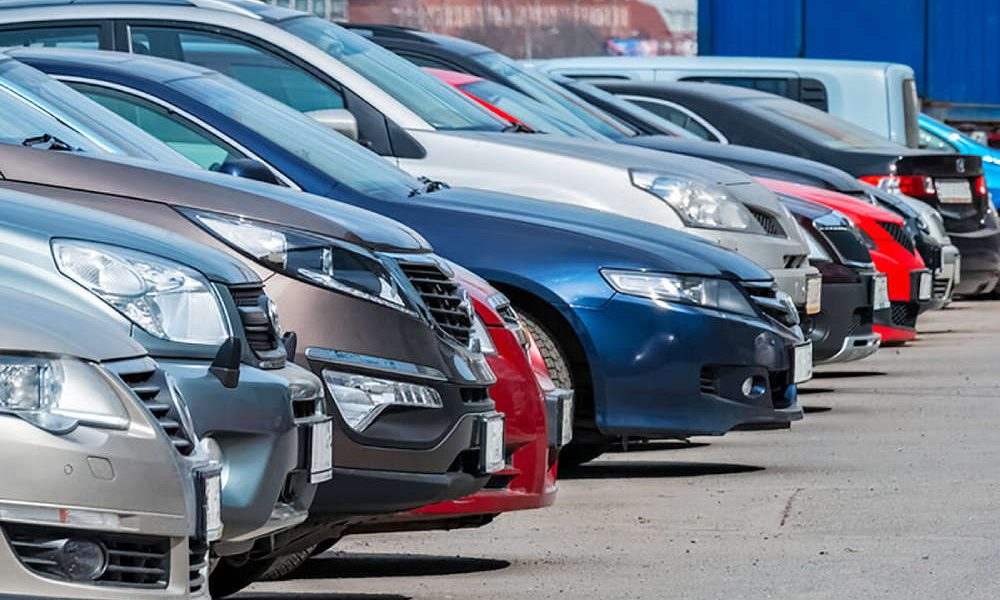
Selecting the appropriate car for many everyday commuters requires juggling comfort, dependability, and cost. For those who spend a lot of time on the road, particularly, sedans have long been a sensible and durable choice. It’s not surprising that sedans—especially used ones—are a favorite given a wide range of models with consistent performance and reasonable fuel economy. Among those seeking value and utility, used cars in fort myers still attract interest for providing what drivers need without breaking the budget.

Affordability Without Compromising Quality

One of the most reasonably priced approaches to buying an automobile with outstanding features and dependable engineering is by buying used sedans. Usually far less expensive than new vehicles, they let consumers invest in more recent model years or greater trims without straining their means. This economy does not always translate into a loss of excellence. Many of the currently available used sedans have been kept perfectly and have outstanding performance records.

Comfortable Driving Experience on the Road

Many times, commuters spend hours behind the wheel; hence, comfort is of utmost importance. Designed for easy handling, sedans have interiors meant for convenience and simplicity of usage. Sedans provide a consistent, peaceful ride that lessens driver tiredness whether negotiating traffic or longer highway distances. Sedans are a good choice for daily driving since their balanced construction also helps to guarantee consistent performance.

Strong Resale Value and Ease of Selling

Having a used sedan has a lot of benefits, chief among them being quite good resale value—especially if kept up nicely. Families and first-time purchasers both always want sedans. For owners who are forward-looking, one of the key considerations is being able to say sell my car fort myers and quickly attract strong purchasers. Popular sedan models are more quickly sold in competitive marketplaces since they have wide appeal. For commuters who might like to make changes later without suffering significant financial loss, this provides still another degree of practicality.

Low Maintenance and Wide Availability

Generally speaking, used sedans have less upkeep than bigger cars or high-performance versions. Because the majority of mechanics are familiar with typical sedan types and models and parts are more easily available, servicing time and cost are shortened. Furthermore, there is a large market for used sedans, thereby giving consumers a great range of options.

For daily commuters, used sedan automobiles remain a dependable, reasonably priced, and handy solution. For people who depend on consistent daily mobility, their cost, convenience, and simplicity of maintenance appeal greatly. For many drivers who both want to buy a car and intend to resell it, sedans remain a smart and easily available choice.

When it comes to buying a used car or simply verifying the history of a vehicle, the Vehicle Identification Number (VIN) is your most powerful ally. Often overlooked, this 17-character code serves as the fingerprint of any vehicle, providing access to a treasure trove of information—much of which is surprisingly available for free. Whether you’re a car buyer, seller, or enthusiast, knowing how to decode and leverage a VIN can save you money, time, and future headaches.

What Is a VIN and Why Does It Matter?

A VIN is a unique code assigned to every motor vehicle when it’s manufactured. Think of it as a vehicle’s social security number. No two vehicles in operation have the same VIN, and it remains with the vehicle throughout its lifetime.

The VIN contains valuable details such as:

  • Manufacturer
  • Model and engine type
  • Place of manufacture
  • Year of production
  • Vehicle attributes like body style and trim
  • A serial number that distinguishes it from all other vehicles

Because the VIN is so specific, it can be used to trace a car’s entire history, from the moment it rolled off the assembly line to the most recent title change.

What Information Can You Get from a Free VIN Check?

Thanks to modern tools and public databases, you don’t have to spend a dime to access essential vehicle information. A free VIN check offers a comprehensive look into the past of a car. Here’s a breakdown of what you can uncover:

1. Vehicle Specifications

A free VIN lookup instantly reveals key vehicle details, including:

  • Make, model, and year
  • Engine size and fuel type
  • Transmission type
  • Drivetrain (e.g., AWD, FWD, RWD)
  • Trim level and body style

This is crucial for verifying that the vehicle you’re looking at matches the seller’s description.

2. Title Information

Title history tells you if the car has a clean title or if it has been marked as:

  • Salvaged
  • Rebuilt
  • Junked
  • Flood-damaged
  • Lemon law buyback

This information alone can drastically affect the car’s value and insurability.

3. Odometer Readings

Fraudulent odometer rollback is one of the most common used car scams. A VIN check can reveal inconsistencies in mileage readings over time, helping you spot tampering.

4. Accident and Damage Reports

While some detailed reports may require payment, many free VIN checks offer data pulled from public sources and insurance records that flag whether a vehicle has been in a reported accident or has sustained significant damage.

5. Recalls and Safety Issues

You can discover if a vehicle has any open recalls that need attention. This is important for your safety and could save you money on repairs, as manufacturers are often required to fix recall issues at no cost.

6. Previous Ownership and Registration

You may be able to see how many previous owners the car has had, along with the states it was registered in. A vehicle that’s changed hands frequently in a short time may be a red flag.

7. Stolen Vehicle Database Check

Free VIN tools can also cross-reference national stolen vehicle databases to let you know if the car is flagged as stolen—an essential step before any purchase.

How to Run a Free VIN Check

While there are many websites offering VIN checks, not all provide the same depth or reliability. For a fast and secure option, you can visit the site at VinScanPro.com. Their free VIN check tool aggregates reliable data from multiple sources to give you a comprehensive overview of a vehicle’s history at no cost.

Just enter the 17-digit VIN into the search bar, and within seconds, you’ll get a detailed report that can guide your next move.

Why You Should Always Run a VIN Check Before Buying

Avoid costly mistakes: A vehicle with a salvage title or flood damage can look perfect on the outside. Only a VIN check can reveal its true past.

Gain negotiation power: If a report shows past damage or multiple owners, you can use that data to negotiate a better price.

Ensure safety and compliance: Knowing about recalls or mechanical defects ensures that you’re not driving an unsafe car.

Protect yourself from fraud: Stolen vehicles or VIN cloning scams are real. A proper VIN lookup helps you stay on the right side of the law.

Can You Really Trust a Free VIN Check?

Absolutely—but with caveats. Free VIN checks provide a lot of foundational information. However, if you’re considering a high-value or luxury vehicle, or if the free report raises red flags, investing in a paid, more detailed report (like those from CARFAX or AutoCheck) may be worthwhile.

Still, for most users—especially those doing early research or buying on a budget—a free VIN check gives a surprising amount of useful, actionable information.

Final Thoughts

The VIN is more than just a string of numbers and letters—it’s a gateway to the story of a vehicle. Whether you’re purchasing a car, verifying details before a sale, or just curious about a vehicle’s background, running a free VIN check should always be your first move.

Thanks to platforms like VinScanPro, accessing this valuable data is now fast, free, and incredibly easy. Don’t make a major vehicle decision without it—you might be surprised at what a VIN can tell you.

In recent years, car customization has transcended mechanical upgrades and evolved into a form of expressive, rolling artwork. Among the many trends sweeping the streets and dominating car meets, one subculture has emerged as both bold and nostalgic: anime car wraps. And at the center of this movement is one unmistakable icon—the Vegeta car wrap.

With his legendary pride, unmatched intensity, and instantly recognizable scouter, Prince Vegeta from Dragon Ball Z has found a home not only in our hearts but now also on hoods, doors, and bumpers. Whether you’re a lifelong anime fan or just someone who appreciates a striking design, here’s why the Vegeta car wrap is one of the most powerful aesthetic upgrades you can make.

1. What is a Vegeta Car Wrap?

A Vegeta car wrap is a full or partial vinyl wrap that features the character Vegeta from the Dragon Ball series. Designs vary from minimalistic silhouettes to full-color battle poses, often with lightning effects, cosmic backdrops, or Japanese kanji to complement the character’s energy.

Some wraps capture the classic Saiyan armor look, while others depict Super Saiyan Blue or Majin Vegeta transformations. Depending on the creativity of the designer, wraps may be tailored to fit the curves of the vehicle in ways that integrate seamlessly with body lines—making the car look more like a character than a machine.

2. The Psychology Behind the Wrap

Why choose Vegeta over any other anime character?

It comes down to identity.

Vegeta represents struggle, growth, pride, and redemption. His transformation from villain to reluctant hero mirrors many people’s own personal journeys. For drivers who relate to that story, wrapping a car in Vegeta’s likeness becomes more than an aesthetic decision—it becomes a statement.

In the broader car community, wraps serve not just to beautify but to individualize. And for anime fans who want their passion to be visible from blocks away, a Vegeta car wrap is the perfect way to showcase personality without saying a word.

3. Vegeta Car Wrap vs. Traditional Customization

There’s something undeniably powerful about a customized vehicle. Whether it’s aftermarket coilovers, a wide-body kit, or custom wheels, each element reflects time, money, and passion. So where does a vinyl wrap stand?

Let’s compare:

Feature Traditional Paint Vinyl Wrap
Cost High ($3,000–$10,000+) Moderate ($1,500–$4,000)
Time to Apply 1–2 weeks 1–3 days
Removability Permanent Removable
Design Flexibility Limited Unlimited
Damage Risk Medium–High Low

A Vegeta car wrap offers a dramatic, reversible change. You can rock it for a few years, then peel it off and go for something new—no sanding, no paint booth, and no commitment to a lifetime aesthetic.

4. Popular Vehicles for Vegeta Wraps

Not every car suits every design. Some wraps shine best on wide panels, sharp lines, or aggressive profiles. Here are a few vehicle types that commonly look incredible with a Vegeta car wrap:

  • Honda Civic Type R – Its sporty lines and street-racer DNA match Vegeta’s fierce aura.
  • Nissan 350Z / 370Z – The broad doors and sloped hood are a perfect canvas.
  • Subaru WRX / STI – Pairing anime art with AWD turbo power? Count us in.
  • Toyota Supra (Mk4 or Mk5) – A modern legend wrapped with an anime legend? Peak tuner culture.
  • Muscle Cars (Challenger, Mustang) – The aggressive front grilles and bold profiles make Vegeta’s expressions even more menacing.

Motorcycles and scooters are also increasingly being wrapped in anime styles, with Vegeta often making appearances on sportbike fairings and helmet-matching liveries.

5. Design Styles for Vegeta Wraps

There are numerous design directions you can take with a Vegeta wrap, each with its own flavor:

Full-Body Character Art

  • Bold and dramatic.
  • Typically features Vegeta in battle pose across the sides or rear.
  • Includes energy blasts, background destruction, or aura lighting.

Silhouette or Minimalist

  • Clean and low-key.
  • Focuses on black-and-white outlines or stylized sketches.
  • Great for drivers who want anime influence without going over the top.

Armor-Themed

  • Mimics Saiyan armor across the car.
  • Hood can be designed as the chestplate, sides as shoulder guards.
  • Often combined with scouter decals on the mirrors.

Super Saiyan Transformations

  • Showcases different versions: Base form, Super Saiyan, Super Saiyan Blue, Majin.
  • Ideal for split-wrap designs (e.g., left side Majin, right side SS Blue).

6. Legal and Practical Considerations

Before wrapping your car with a Vegeta car wrap, it’s smart to check a few things:

  • Visibility: Make sure the wrap doesn’t obstruct windows, lights, or license plates.
  • Local Laws: Some jurisdictions have restrictions on reflective vinyl or certain decals.
  • Copyright: While personal use generally doesn’t raise red flags, commercial resale of wraps featuring anime characters may require licensing.

If you’re ordering a pre-designed wrap online, ensure it’s created by a designer who understands licensing and offers usage rights appropriate for personal customization.

7. Installation Tips and Best Practices

Vinyl wrapping isn’t something you want to rush. Here are a few tips for the best results:

  • Surface prep is king. Clean, decontaminated surfaces prevent peeling and bubbling.
  • Use heat wisely. Heat guns help conform vinyl to curves but overheating can damage it.
  • Hire a pro if unsure. Especially for complex full-body designs with alignment requirements.
  • Avoid harsh car washes. Hand wash or touchless washes only.

Most quality wraps will last 3 to 5 years, especially if stored indoors or protected with ceramic coatings.

8. The Itasha Connection

The Vegeta car wrap is part of a broader phenomenon called Itasha—the Japanese trend of wrapping vehicles with characters from anime, manga, and video games.

Once considered niche or even “embarrassing” (the term “itasha” loosely means “painful car”), this trend has now gained serious momentum in the West. Anime conventions, drift events, and JDM meets are now regular showcases for these rolling tributes.

And among all Itasha characters, Vegeta remains one of the most popular. He strikes a perfect balance between nostalgia, edge, and visual intensity. He’s a badass that everyone recognizes—even if they’re not anime fans.

9. Social Media and Community

One of the best parts of wrapping your car with a Vegeta design is the community that comes with it. On platforms like Instagram, TikTok, and YouTube, you’ll find:

  • Showcase builds.
  • Wrap installation tutorials.
  • Anime wrap meetups.
  • Fan art collaborations for new wrap concepts.

Posting your Vegeta car wrap online can lead to sponsorship opportunities, fan recognition, or even commissioned designs. The visibility and uniqueness of your build give you a natural platform for growing your automotive brand or social following.

10. Where to Find a Vegeta Car Wrap

There are several online stores and wrap designers who specialize in anime wraps. Some platforms offer hundreds of Itasha designs ready for order, or allow custom commissions based on your vehicle type and preferences.

You’ll want to choose a supplier that:

  • Offers pre-measured templates for your vehicle.
  • Uses high-quality printable vinyl (like Avery Dennison or 3M).
  • Has UV-protected inks to prevent fading.
  • Allows for custom name tags, quotes, or decals to personalize further.

While some installers may offer wrap design and installation in one package, many customers buy the vinyl and bring it to a local wrap shop for application.

Final Thoughts: Vegeta Car Wraps and the Power of Identity

A car says a lot about its driver—but a Vegeta car wrap says more.

It tells people you value strength. That you’ve been through your own battles. That you don’t follow trends—you create them. Whether you’re on the street, at a show, or posting to social, wrapping your car with the Prince of all Saiyans is a declaration of passion.

In a world of bland builds and repetitive mods, anime wraps—and particularly Vegeta ones—offer something rare: individuality fused with story.

And isn’t that what great car culture is about?

Interested in custom anime wraps for your build? Search platforms that specialize in Itasha and character designs. Find inspiration, reach out to artists, and take your ride to the next power level—over 9000, of course.


In the world of automotive customization, few trends have surged in popularity quite like the horror car wrap. What started as a niche expression of fandom has exploded into a full-blown movement—one that merges cinematic terror with high-octane artistry. From spine-chilling portraits of classic horror icons to eerie original designs, horror-themed car wraps are turning heads, sparking conversations, and redefining what it means to personalize a vehicle.

Pennywise with Ford Mondeo (3)

But why are so many car enthusiasts leaning into fear? What drives someone to turn their ride into a rolling nightmare?

Let’s take a look under the hood of this macabre trend and explore what makes horror wraps not only popular—but powerful.

Why Horror Works So Well on Cars

At its core, horror is about emotion. It evokes fear, curiosity, suspense, and adrenaline—all things that mesh seamlessly with car culture. When a vehicle showcases terrifying imagery, it triggers a visceral reaction. Passersby double-take. Drivers feel a rush. And owners? They make a statement.

Car wraps have always been about self-expression. Whether you’re flaunting racing stripes, anime decals, or full-body art, a wrap tells the world who you are. With horror, you’re making a declaration: you’re bold, you’re daring, and you don’t shy away from the dark.

Plus, horror as a genre is incredibly visual. Think blood splatters, rotting zombies, ghastly faces, flickering shadows—these images translate beautifully to the contours of a car’s body. Whether printed on a matte black wrap or a glossy blood-red finish, horror art gains even more impact when it’s in motion.

Popular Horror Themes Used in Car Wraps

1. Slasher Film Icons

Michael Myers, Freddy Krueger, Jason Voorhees—these legends have been terrorizing audiences for decades. When featured on a horror car wrap, they bring nostalgic dread and instant recognition. They’re not just scary—they’re iconic.

2. Zombie Apocalypse

Whether it’s homage to The Walking Dead or an original undead concept, zombie-themed wraps are among the most dynamic. Tattered flesh, clawing hands, and haunting eyes peering from your quarter panel? Instant road cred.

3. Vampires and Gothic Horror

For those who prefer a more romantic or vintage scare, gothic wraps featuring vampires, graveyards, crows, and cryptic runes blend elegance with eerie undertones. Black and red color palettes dominate these designs.

4. Japanese Horror (J-Horror)

Inspired by films like The Ring and Ju-On, J-horror wraps often utilize minimalist, ghostly elements. Pale figures, long hair, and distorted faces creep along the curves of the vehicle, evoking silent terror.

5. Creepy Clowns

Thanks to characters like Pennywise from It, clowns have reclaimed their spot as nightmare fuel. With exaggerated features and bloodthirsty grins, they’re perfect for a wrap that guarantees double-takes.

6. Original Creature Designs

Many horror wrap fans prefer custom illustrations over movie references. Artists create grotesque monsters, cursed artifacts, or surreal nightmare scenes, giving the vehicle a unique and otherworldly identity.

Key Benefits of a Horror Car Wrap

Instant Recognition

Your car becomes a moving work of horror art. Whether parked at a car show or cruising through town, your vehicle will never be forgotten.

Personal Expression

Fans of horror finally have a medium to showcase their passion—on four wheels. From subtle nods to full-blown gore, you control the fear factor.

Protection for Paint

Wraps aren’t just aesthetic. They protect your vehicle’s paint from scratches, UV rays, and minor abrasions. Peel it off later, and your paint is good as new.

Marketing Potential

For haunted houses, horror-themed content creators, or indie film directors, a wrapped car doubles as mobile advertising. Imagine a hearse wrapped in screaming skulls pulling up to a venue—instant buzz.

How to Design the Perfect Horror Car Wrap

Designing a horror wrap is more than throwing a few gory graphics together. It’s an art form that requires balance, mood, and impact. Here are some key elements to consider:

Color Palette

Stick with horror staples—black, blood red, sickly green, bone white. High contrast is your friend when trying to evoke emotion.

Focal Points

Have clear focal areas. Hood and doors work well for dramatic portraits or key imagery. Use fenders and rear panels for atmospheric elements like fog or blood splatter.

Texture and Effects

Make use of 3D shading, glowing effects, and textures like cracked glass or rust. These add depth and realism to your wrap.

Typography (Optional)

Want to include phrases like “Welcome to Your Nightmare” or “Don’t Follow Me”? Choose fonts that echo horror posters—scratched, bleeding, or broken.

Real-Life Examples of Horror Wraps in Action

pennywise (10)

The “Hellcharger”

A Dodge Charger transformed with flames, devilish eyes, and a haunting silhouette of a horned beast. Matte black base with reflective red detailing—menacing day or night.

The “Silent Screamer”

A Tesla Model 3 with a white-on-black wrap featuring wide-eyed specters and screaming mouths emerging from smoke. Soundless electric power paired with a wrap that whispers dread.

The “Boneyard Jeep”

An off-road Wrangler wrapped in skeletal remains, tire tracks drenched in dripping blood, and chainsaw-wielding maniacs. Bonus: red LED underglow for a nightmarish effect.

Where to Find a Horror Car Wrap Designer

While you can find wrap designers across freelance platforms and car enthusiast forums, horror wraps demand a touch of the macabre—so choose an artist or shop that truly “gets” the aesthetic. Look for portfolios with previous horror or dark fantasy work.

Some online stores like 10KWraps offer pre-designed horror themes or allow full customization if you’ve got a particular fear in mind. You can even bring your own concept or commission original art. Just make sure the design will translate well to the vehicle’s curves and panels.

Application Tips: Avoiding the Scary Mistakes

Choose High-Quality Vinyl – Cheap material can lead to peeling, cracking, or fading—turning your scream-worthy ride into a wrap nightmare. 

Prep Your Car Thoroughly – Wash, decontaminate, and dry your car. Any debris can cause air bubbles or uneven application. 

Hire a Pro Installer (If Possible) – Horror designs often include intricate detail, and misalignments can break the illusion. Unless you’re experienced, don’t DIY. 

Post-Wrap Care – Avoid power washing and harsh chemicals. Keep it clean with wrap-safe products to ensure your wrap stays fearsome for years. 

How Horror Wraps Impact Car Culture

Pennywise with Ford Mondeo (2)

Just a few years ago, horror art on vehicles was confined to niche conventions or Halloween-themed events. Today? Horror car wraps are mainstreaming, appearing in drift competitions, anime expos, and urban car meets. They’re no longer viewed as mere seasonal novelties—but as bold declarations of identity.

You might see a Camaro with Jason’s machete slicing through the side panel. Or a Mustang sporting blood-drenched chains in a style inspired by Hellraiser. These designs push boundaries and challenge the norms of “pretty” car art. And that’s exactly the point—they’re beautifully disturbing.

Wrap It Up (No Pun Intended)

The horror car wrap trend proves that car customization isn’t limited to chrome, flames, or racing stripes. There’s power in the grotesque, beauty in the terrifying, and creativity in the macabre.

Whether you’re a horror movie buff, a Halloween enthusiast, or just someone who wants their car to make an unforgettable impression—this style opens a door to limitless expression.

As horror continues to dominate pop culture, we can expect even more wild, twisted, and downright frightening designs to take over the streets. The real question is: are you brave enough to drive one?

Let the Nightmare Begin

If you’re ready to haunt the highways, now’s the time to start brainstorming your own horror wrap concept. Whether you go full gore or subtle scare, the road is your canvas—and fear is your fuel.

In today’s competitive business landscape, investing in an EV van in Singapore offers forward-thinking companies a strategic advantage that goes beyond mere transportation. As Singapore accelerates its green transition under the Singapore Green Plan 2030, commercial electric vehicles have emerged as a practical solution for businesses looking to reduce operational costs while demonstrating environmental responsibility. With government incentives, expanding charging infrastructure, and significant long-term savings, there’s never been a better time to electrify your commercial fleet.

The Growing EV Ecosystem in Singapore

Singapore has committed to an ambitious vision of achieving 100% cleaner energy vehicles by 2040, with all new vehicle registrations required to be cleaner-energy models from 2030 as part of the nation’s commitment to greening the land transport system and reducing emissions in support of its net-zero goal. The island is rapidly developing its EV charging network, with plans to deploy 60,000 charging points by 2030, making range anxiety a thing of the past.

For businesses, this transition represents both an opportunity and a necessity. The government has already announced that no new diesel cars and taxis will be allowed to be registered from 2025 as the shift toward cleaner energy vehicles accelerates, signalling a clear direction for the future of transport in Singapore.

Compelling Financial Benefits

Significant Government Incentives

Commercial Vehicle Emissions Scheme (CVES):

Offers a substantial S$15,000 rebate for electric light goods vehicles, depending on the vehicle’s emissions profile

Vehicular Emissions Scheme (VES):

Provides rebates up to S$25,000 for the cleanest vehicles for cars in Band A1, which produce the least emissions

Lower Road Tax:

Singapore’s Land Transport Authority has adjusted the EV road tax to align more closely with petrol-powered vehicles, ensuring EVs are taxed similarly to comparable internal combustion engine vehicles of similar makes and luxury levels

Reduced Operating Costs

Lower Fuel Expenses:

According to Renault, businesses can save approximately S$5,286 annually when using an electric commercial vehicle compared to a combustion engine equivalent, assuming a mileage of 30,000km per year

Reduced Maintenance:

With fewer moving parts and simpler mechanical systems, electric vans require less frequent servicing and have fewer components that can fail

Longer Vehicle Lifespan:

Electric motors typically last longer than internal combustion engines, potentially extending the useful life of your commercial vehicles

Operational Advantages for Urban Deliveries

Commercial electric vans offer distinct advantages that are particularly valuable in Singapore’s urban environment:

Superior Urban Mobility:

Many electric vans feature tight turning radii ideal for navigating Singapore’s narrow streets, offering quiet, emission-free deliveries

Quiet Operation:

Electric vans produce minimal noise, allowing for night deliveries without disturbing residential areas

Instant Torque:

Electric motors deliver power immediately, making stop-and-go city driving more efficient

No Idling Emissions:

Zero tailpipe emissions when stopped in traffic or during loading/unloading

Available EV Van Options in Singapore

The market for commercial electric vans in Singapore has expanded significantly, with multiple options now available to suit different business needs:

Renault Kangoo E-Tech Electric:

Features a 45.6 kWh battery with approximately 300km range and a generous 4300 L boot capacity offering significant yearly savings compared to combustion engine alternatives

BYD T3 Electric:

Equipped with a 44.9kWh battery providing around 280km range and 3,800 L of boot space with a 0.7 ton payload, ideal for companies regularly transporting goods around Singapore

LEVC VN5:

Features exceptional urban mobility with its tight turning radius and stylish European-influenced design offering an electric range of over 102km and a total driving range of 513km

DFSK EC35:

Provides 4.8m³ loading space in a 2-seat layout with impressive battery range, specifically designed to cater to business needs

Charging Infrastructure Solutions

Businesses have multiple options for keeping their electric commercial vans charged and ready:

Dedicated Charging Stations:

Install private charging infrastructure at your business premises for exclusive use by your fleet vehicles

Public Charging Network:

Access Singapore’s growing network of public charging stations with real-time availability viewable through the MyTransport.SG mobile application

Fast Charging Options:

Many newer EV vans support DC fast charging, allowing 20-80% charges in as little as 30-40 minutes, minimising downtime

Fleet Management Software:

Advanced tools help monitor vehicle locations, battery levels, and optimise charging schedules, improving operational efficiency

Environmental Compliance and Corporate Responsibility

Beyond the direct business benefits, electric commercial vans help companies:

Meet Emissions Regulations:

Comply with Singapore’s Environmental Protection and Management (Vehicular Emissions) Regulations, avoiding potential fines up to S$2,000 for first offences and S$5,000 for subsequent violations

Enhance Brand Image:

Demonstrate your company’s commitment to sustainability and environmental responsibility

Improve Working Conditions:

Provide drivers with a quieter, vibration-free, and emission-free working environment, reducing stress and health risks associated with vehicle pollutants like nitrogen oxides

Support National Sustainability Goals:

Contribute to Singapore’s vision of a cleaner, greener future

Making the Transition

Many EV van providers in Singapore offer test drives to help businesses evaluate these vehicles before purchase. This hands-on experience allows you to assess factors like range, cargo capacity, and driver comfort in real-world conditions, helping you determine suitability for your commercial operations.

Additionally, financing options are available to make the transition more affordable. The combination of government incentives and lower operating costs often results in a compelling total cost of ownership that can be significantly lower than conventional diesel or petrol vans over the vehicle’s lifetime.

Conclusion

The shift to electric commercial vehicles represents a rare opportunity where environmental responsibility aligns perfectly with business interests. With government support, expanding infrastructure, and compelling economic benefits, investing in a commercial electric van isn’t just an environmentally conscious choice—it’s a smart business decision that positions your company for future success in Singapore’s evolving transportation landscape.

Keeping track of your vehicle’s mileage is crucial for many drivers—whether you’re a freelancer, business owner, or simply someone who wants to monitor car expenses. With technology evolving rapidly, mileage tracking apps have become an essential tool for accurate and effortless record-keeping. But with so many options available, what are the top features to look for in a mileage tracker app?

In this article, we’ll explore the must-have functionalities that can help you choose the best mileage tracker to suit your needs.

Automatic Trip Detection

One of the most valuable features in a mileage tracker is automatic trip detection. This allows the app to start and stop recording mileage without manual input, based on your movement. It saves time and ensures no trips are missed. Instead of logging miles manually, the app runs quietly in the background and captures every trip, giving you peace of mind that your records are always up-to-date.

Accurate GPS Tracking

Accurate GPS tracking is essential for precise mileage calculation. A good mileage tracker app should leverage your phone’s GPS to measure the distance traveled correctly. This helps avoid discrepancies in your mileage logs, which is especially important if you use the data for tax deductions or business reimbursements. The best apps provide real-time GPS updates and detailed trip routes to ensure reliability.

Expense and Fuel Tracking

Besides logging miles, a comprehensive mileage tracker app often includes expense and fuel tracking features. These allow you to record fuel purchases, maintenance costs, and other vehicle-related expenses alongside your mileage data. Integrating these functions can give you a clearer picture of your total cost of ownership and make managing your vehicle finances easier.

Exportable Reports

For business owners and freelancers, being able to export detailed mileage reports is a must. Look for a mileage tracker app that allows you to generate and export reports in multiple formats, such as PDF or Excel. This makes it easier to submit accurate mileage logs to employers, tax authorities, or accounting software. Reports should be customizable, showing dates, trip purposes, distances, and reimbursement amounts.

User-Friendly Interface

No matter how advanced the features are, usability is key. A mileage tracker app with an intuitive, easy-to-navigate interface will save you time and frustration. Look for apps with clear dashboards, simple trip categorization, and minimal setup. The easier it is to use, the more consistent you’ll be in tracking your mileage.

Integration with Accounting Software

If you run a business or freelance regularly, integration with popular accounting or expense management software can streamline your workflow. Many mileage tracker apps sync with tools like QuickBooks, Xero, or Expensify, allowing you to automate expense reporting and reduce manual data entry.

Multi-Vehicle Support

If you manage more than one vehicle, a mileage tracker with multi-vehicle support is beneficial. This feature lets you switch between vehicles easily and keeps mileage and expense data separate for each one, simplifying fleet management or family car tracking.

Final Thoughts about Mileage Tracker Apps

Choosing the right mileage tracker app can make a huge difference in how efficiently you manage your trips, expenses, and tax deductions. If you want to explore reliable options, check out this detailed guide on mileage tracker apps.

By focusing on these top features—automatic trip detection, accurate GPS tracking, expense integration, exportable reports, user-friendly design, software compatibility, and multi-vehicle support—you’ll be well on your way to selecting a mileage tracker app that meets your needs and saves you time and money.

For businesses that rely on a work vehicle fleet, maintenance isn’t so much about avoiding breakdowns—it’s about maximizing performance, ensuring safety, and extending the life of your asset. 

Some Easy, Common-Sense Tips for Making Your Fleet Last for Years to Come

1. Maintain a Schedule

Consistency is key. Oil changes, tire rotation, brake inspections, and fluid inspections must be performed on a regular schedule based on manufacturer recommendations. A computerized maintenance log or fleet management software can enable the monitoring of service intervals and prevent anything from slipping through the cracks.

2. Train Drivers on Best Practices

Driver behavior has a direct influence on the wear and tear on your trucks. Encourage safe driving behaviors such as avoiding abrupt braking, reducing idling, and shunning rapid acceleration. A little training goes a long way in evading unnecessary strain on your trucks.

3. Perform Regular Checks

Make your drivers do quick walk-around checks before and after trips. Look for leaks, warning lights, tire condition, or damage. Minor issues discovered early can save money on large repairs later.

4. Keep Vehicles Clean

Road salt, grime, and dirt can do damage to a vehicle’s paint and undercarriage if not treated for lengthy amounts of time. Routine cleaning and interior care not only improve looks but also maintain resale value and structural stability.

5. Use Quality Parts and Fluids

Don’t cut corners with cheap parts or low-grade fluids. Quality components may cost more upfront, but often save money in the long run by lasting longer and performing better.

With a proactive approach to fleet maintenance, you’ll minimize downtime, reduce repair costs, and keep your vehicles on the road—and your business moving forward.

This post was written by a professional at USA Fleet Sales. USA Fleet Sales offers top-quality Used Fleet Trucks for Sale in Chattanooga, TN, including service trucks and cargo vans. We also provide custom service beds for pickup trucks to enhance functionality. As a trusted fleet vehicle dealership, we offer reliable work trucks for sale near you, ensuring durable, cost-effective solutions for your business. Choose USA Fleet Sales for high-quality vehicles that meet your needs.

Fender brackets are metal components that secure the fenders to a vehicle’s frame, ensuring they are properly aligned and stable. These brackets are typically fastened to the vehicle’s main structure, such as the chassis or inner wheel wells. Their primary role is to hold the fender in place, preventing movement and maintaining the correct positioning. Properly installed and undamaged brackets ensure that fenders remain secure and aligned, contributing to both the vehicle’s appearance and safety. Without strong and intact brackets, the entire structural integrity of the fender assembly is at risk.

The Impact of Bent or Loose Brackets

When fender brackets become bent or loose—due to collisions, corrosion, or wear and tear—the fender can shift out of alignment. Even slight misalignments can affect the aesthetics of the vehicle, causing unsightly gaps or an uneven surface. More importantly, when the fender is no longer properly secured, it can lead to further damage to other vehicle components. For instance, a loose fender could rub against the wheel, suspension, or other surrounding parts, causing physical damage and increasing the likelihood of more expensive repairs down the line. Going for the Auto Repair in Sugar Land, TX based service is essential here.

Safety Concerns Linked to Fender Bracket Issues

Bent or loose fender brackets don’t just affect a car’s appearance or handling; they also pose a serious safety risk. A misaligned or improperly secured fender can interfere with vital safety features, such as airbags or side-impact protection. In the event of an accident, an unstable fender can move in unpredictable ways, potentially creating sharp edges or debris that could cause injury to passengers or others in the vehicle. Additionally, poorly aligned fenders can obstruct critical sensors or impact the vehicle’s crash dynamics, making the car less safe in a collision. Ensuring the structural integrity of fender brackets is crucial for the overall safety of the vehicle.

Diagnosing and Repairing Fender Bracket Issues

Diagnosing issues with fender brackets usually requires a professional inspection, as the signs of damage can be subtle. Technicians will assess the alignment and stability of the fender, checking for unusual gaps or shifting. If the bracket is bent or damaged, it may need to be straightened, welded, or replaced entirely. In some cases, the fender itself may have suffered damage that requires repair or replacement before the brackets can be reattached securely. Addressing fender bracket issues early on can prevent further damage to the fender and other nearby parts, saving both time and money in the long run.

Preventing Fender Bracket Damage

To prevent damage to fender brackets and ensure your vehicle’s structural stability, regular vehicle inspections are essential, especially after a collision or exposure to harsh conditions. Checking for signs of rust, corrosion, or loosened fasteners can help detect problems before they lead to bigger issues. If you live in areas with heavy snow or salt use, paying close attention to the condition of the brackets and surrounding parts can extend the life of your fenders and maintain your car’s safety.

For many growing auto repair businesses, acquiring high-quality tools and machinery is essential to staying competitive. However, purchasing expensive equipment outright can put pressure on your finances and limit your ability to scale effectively. That’s where auto-shop-equipment-leasing comes in — a smart and flexible solution that helps garages invest in modern equipment without the financial strain of full ownership.

In this article, we’ll explore the top benefits of auto-shop-equipment-Leasing and how it can support your workshop’s growth, efficiency, and profitability.

What Is Auto-Shop-Equipment-Leasing?

Auto-shop-equipment-leasing is a financing option that allows auto repair shop owners to lease the machinery and tools they need for a fixed monthly fee over an agreed period. Instead of paying the full purchase price upfront, you gain immediate access to the equipment while preserving your working capital.

Many specialized lenders, such as Liberty Capital Group, offer tailored leasing solutions specifically designed for automotive businesses of all sizes.

1. Preserve Cash Flow and Working Capital

Cash flow is the lifeblood of any small or medium-sized business. Choosing auto-shop-equipment-leasing over purchasing allows you to keep your cash reserves intact and available for other operational needs — like payroll, rent, and inventory.

Rather than tying up thousands of dollars in upfront costs, leasing spreads payments out in predictable monthly installments, making budgeting simpler and more manageable.

2. Access to the Latest Technology

Technology in the automotive repair industry is evolving fast. From computerized diagnostics to electric vehicle servicing tools, staying up-to-date is essential for delivering quality service.

With auto-shop-equipment-leasing, you can upgrade to the latest tools and systems as needed without the burden of outdated assets. Some leasing agreements even allow for equipment upgrades mid-term, keeping your garage competitive and efficient.

3. Flexible Terms and Payment Plans

Every garage is unique — and leasing companies understand that. Providers like Liberty Capital Group offer flexible leasing options with varying term lengths, monthly rates, and buyout clauses. This gives you the ability to choose a plan that aligns with your growth goals and financial situation.

Even if your credit history is limited or imperfect, leasing may still be accessible — making it an excellent option for new businesses and independent shop owners.

4. tax Benefits and Deductions

Leased equipment can often be classified as a business expense, meaning your monthly payments may be deductible on your taxes. Depending on your local tax laws and the structure of your lease, auto-shop-equipment-leasing could help reduce your taxable income and improve your bottom line.

It’s always a good idea to consult with your accountant to understand how leasing can be optimized for tax efficiency.

5. Low Maintenance and Ownership Risks

Owning equipment means dealing with repair costs, depreciation, and resale value — all of which can add up over time. With auto-shop-equipment-leasing, some agreements include maintenance services or warranties, shifting the risk of breakdowns and repairs away from your business.

This makes leasing a lower-risk and lower-hassle solution for essential but expensive garage tools like:

Vehicle lifts and alignment racks

Tire changers and balancers

Engine diagnostic systems

Brake lathes

Air compressors and power tools

6. Easy End-of-Term Options

At the end of the lease term, you typically have several options: return the equipment, extend the lease, or purchase it at a fair market value. This flexibility gives you the chance to adapt based on your business’s needs at the time — whether that’s scaling up, upgrading again, or finalizing ownership.

Is Auto-Shop-Equipment-Leasing Right for You?

If you’re looking to:

  • Modernize your garage
  • Reduce upfront costs
  • Maintain positive cash flow
  • Access flexible financing options
  • Then auto-shop-equipment-leasing could be a perfect fit.

Working with experienced leasing providers like Liberty Capital Group ensures you receive personalized support, fast approvals, and terms that work for your shop’s goals.

Final Thoughts

Leasing is no longer just an alternative to purchasing — it’s a strategic tool for business growth. With the right auto-shop-equipment-leasing plan, your garage can operate more efficiently, serve more customers, and stay ahead of competitors without sacrificing cash flow or flexibility.

If you’re ready to equip your auto shop with the tools you need to succeed, now is the time to explore leasing options that support your journey.

Washing your automobile at home might feel like a quick success. However, it frequently falls short. Your car does not get the attention it needs from buckets and dirty rags. For this reason, a lot of individuals seek assistance from vehicle detailers. Auto detailers employ specialized equipment, are aware of what to look for, and provide long-lasting protection. They clean with accuracy and competence. 

If you want your car to look sharp, feel fresh, and stay in great shape, here is why a pro detailer is the smarter choice every time. 

Superior cleaning tools and techniques

Auto detailers include tools specifically made for automobiles. They do not use bathroom towels or dish soap. Rather, they employ foam cannons, microfiber cloths, soft brushes, and high-pressure washers. They are also skilled in safely cleaning sensitive components like wheels, trims, and vents. Their equipment and abilities surpass those found at home. 

Protection of paint and clear coat

A professional detailer protects your automobile in addition to washing it. To keep your paint appearing brand new and lustrous, they apply sealants, polish, and wax. The paint is protected from dust, rain, and sunlight by these professional products. This phase is typically omitted in at-home washes, leaving your automobile vulnerable to fading and wear over time. 

Time savings and convenience

It takes time to properly wash your automobile. Hours may be spent cleaning, washing, and drying. It is difficult to find that type of time if you are busy. You may avoid the mess and save time by hiring a detailer. You may do anything else while they take care of the car when you drop it off (or they come to you). 

Attention to detail DIY often misses

Spots are easy to overlook when doing a home wash. These spaces are neglected, whether they are between seats, behind mirrors, or inside door handles. Detailers are aware of where to search. They meticulously clean every inch, even the nooks and crannies. Your automobile will feel and look brand new as a result. 

Long-term value in resale appearance

Regularly maintained and secured vehicles are more valuable. You have taken care of your automobile if it is clean. When the interior smells clean and the paint is shiny, buyers are more willing to pay a fair price. When it comes time to sell your automobile, detailing helps you get the most out of it. 

To conclude 

To put it briefly, hiring a detailer is a smart investment that will keep your car looking great for many years, safeguard its value, and keep it cleaner.