
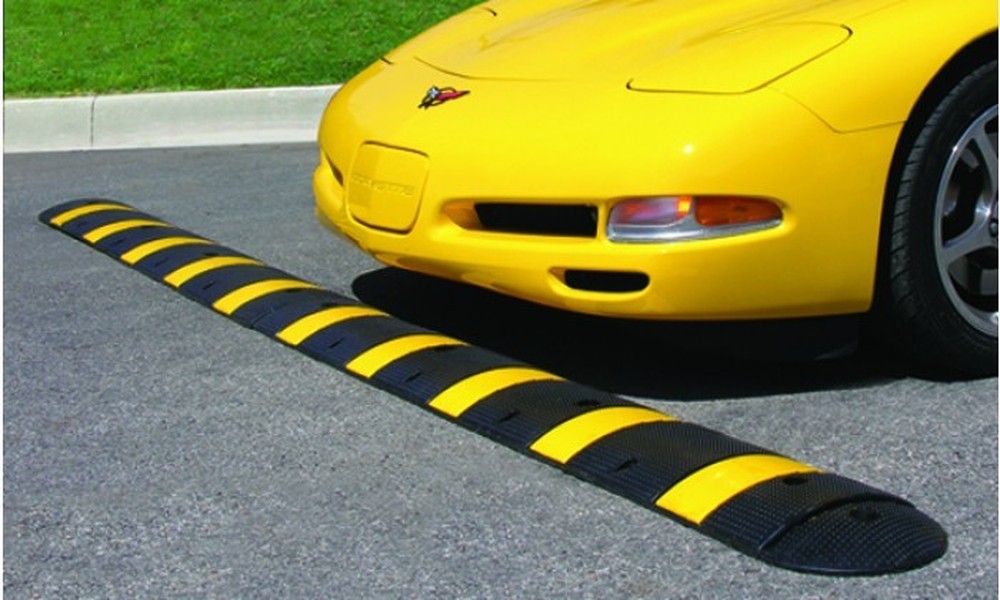
Florida coastal and private roads need traffic calming products that can handle heat, rain, soft soil, and changing road surfaces. For property managers, HOAs, farms, parks, marinas, and private communities, rubber speed bumps offer a practical way to slow vehicles without overbuilding the roadway. Our solutions are built for real-world Florida conditions, not just smooth city pavement. They help improve safety, reduce risk, and protect private road investments. If your road network needs better speed control, the right system can make a visible difference quickly.
Soft soil stability challenges affecting rural traffic installations
Soft soil is common across many Florida rural and coastal areas, and it can make traffic installations harder to maintain. A poorly selected speed control product may shift, sink, or become uneven over time. Our team helps you choose rubber speed bumps that work with the surface conditions, not against them. The goal is simple: reliable speed control with less maintenance and fewer repeat repairs.
- Flexible materials help reduce cracking and surface stress.
- Proper placement improves stability on private and rural roads.
- Installation planning helps prevent movement caused by soft ground.
- Durable designs support safer access near homes, parks, farms, and docks.
Erosion prevention methods around gravel roadway calming devices
Gravel roads can wear down fast when vehicles brake, accelerate, and turn near traffic calming devices. In Florida, heavy rainfall can make this worse by washing loose material away from the road surface. Our approach focuses on speed control that supports safer driving while helping reduce unnecessary surface damage. With the right layout and installation plan, rubber speed bumps can help manage traffic without creating constant erosion issues.
- Placement is planned to reduce sudden braking and aggressive acceleration.
- Edges and approach areas are considered before installation.
- Product selection is matched to the road’s traffic pattern and surface type.
- Maintenance needs are kept practical for private road owners and managers.
Anchoring systems designed for coastal weather conditions
Coastal roads face salt air, strong sun, heavy rain, and changing ground conditions. These factors can weaken low-quality installations and shorten the life of basic traffic calming products. Our rubber speed bumps are selected with anchoring strength, weather resistance, and long-term use in mind. That means you get a safer, cleaner, and more dependable solution for Florida coastal properties.
- Anchoring options are chosen based on surface type and traffic load.
- Weather-resistant materials help reduce premature wear.
- Secure installation helps prevent shifting after storms and rainfall.
- Modular designs can make repairs and replacements easier when needed.
Cyclist and pedestrian safety improvements in low-density communities
Low-density communities still need serious safety planning, especially where pedestrians, cyclists, golf carts, and service vehicles share the same roads. Private roads near parks, waterfront homes, farms, and community entrances can become risky when drivers move too fast. Our traffic calming solutions help create a more controlled environment without making the road feel overbuilt. Rubber speed bumps are a smart choice when you need clear speed reduction in key areas.
- They encourage slower driving near shared-use zones.
- They help protect walkers, cyclists, and residents.
- They create visual and physical reminders to reduce speed.
- They support safer access around community roads and private entrances.
Drainage-focused roadway planning near waterfront properties
Waterfront properties need traffic calming that does not create avoidable drainage problems. Poorly placed devices can trap water, push runoff into weak areas, or make gravel roads harder to maintain. Our team considers how water moves across the road before recommending rubber speed bumps or related products. This helps protect both safety and surface performance.
- Drainage patterns are reviewed before installation.
- Product placement is planned to avoid unnecessary water buildup.
- Flexible materials perform well in wet and humid conditions.
- Smart layout choices help reduce long-term maintenance problems.
Heavy equipment traffic impact on rural calming infrastructure
Rural and private roads often carry more than passenger vehicles. Delivery trucks, trailers, farm equipment, maintenance vehicles, and emergency access traffic can all affect how speed control products perform. Our solutions are chosen to handle the real traffic your road sees every day. Rubber speed bumps can provide dependable slowing power when matched with the right installation method and traffic load.
- Heavy-use areas require stronger product planning.
- Durable rubber helps absorb repeated vehicle impact.
- Proper spacing helps maintain access without encouraging unsafe speeds.
- Our team helps balance safety, function, and day-to-day usability.
Long-term roadway durability strategies for private road networks
Private road owners need traffic calming that performs well beyond the first few months. Florida weather, rural road conditions, and regular vehicle traffic can expose weak products quickly. Our brand focuses on durable rubber speed bumps, practical installation guidance, and solutions that fit the way your property is actually used. Choosing the right partner helps you avoid wasted spending and repeated fixes.
- Get products suited for Florida coastal and rural environments.
- Improve safety without major road reconstruction.
- Reduce risk for residents, guests, workers, and visitors.
- Support cleaner, more consistent traffic flow on private roads.
If you manage a Florida private road, coastal property, rural access route, or community roadway, now is the right time to review your speed control plan. Contact our team to request a quote and find the best rubber speed bumps for your road conditions, traffic needs, and long-term safety goals.

Comments are closed.