Category

Repairs

Category

Brake squeakers in the morning can irritate any driver. The harsh sound is frequently heard when the car is starting after a rest which happened during a night. Sometimes the noise would continue to vanish after a couple of minutes. Nevertheless, it is not to be ignored that there is repeated squealing of brakes. It can either show that there is moisture on the brake parts or that the brake pads are worn out. Being informed of the cause enables the drivers to take care of their cars and save them ending up paying a lot to repair the cars. Before braking performance starts to be influenced by the problem, a professional check-up by Auto Intensive Care can reveal it.

What Is the Reason Behind Brakes Squealing in The Mornings?

The squealing of the brakes in the morning is common since the moisture accumulates on the brake’s rotor during the night. Both dew and damp air would allow some surface rust to form on exposed metal. This coating tends to wear off following a couple of braking strokes. The sound must be discontinued as soon as the rotors are clean. Recurring sounds that have plagued drivers who are in need of the Brake Repair in Savannah, GA service must not be ignored and presumed to be harmless. Auto Intensive Care can check on the braking system, and find out whether the noise is characterized by normal moisture, or a developing defect.

Wear Brake Pads Have the Ability to Produce a Warning Sound

The brake pads wear away over a period of time becoming thin as they touch the turning disks. Several pads have a small metal wear indicator. With the low level of the friction material, this component creates a high pitch squeal. The warning sound informs drivers that they might need to replace. Loss of this caution may bring more damage to the braking system. Squeaky pads can ultimately enable metals to rub together on the rotors. This has the potential to add repair costs and decrease brake effectiveness. Auto Intensive Care can check on pads and rotors and make appropriate repairs.

The Benefits of Going to The Regular Brake Check-Ups to Avoid Expensive Repairs

Regular checks of brakes enable the detection of issues in time before they escalate. A mechanic will be able to check the thickness of brake pads and check the rotors. The check can also involve checking the calipers and other necessary parts. When morning squealing becomes a common occurrence or is more protracted than usual, drivers are advised to do a check. Regular servicing can enhance reliability in braking systems and lifespan of appropriate parts. It also prevents the occurrence of small blemishes into costly corrections.
At all times, the driving should be enjoyable and controlled. The driver should be capable of rotating the wheel without exerting too much force and sudden resistance. But an ineffective power steering pump could cause steering to become uneasy. The issue might be more pronounced when parking or driving at low speeds. At an early stage the damage can be avoided and the road safety can be enhanced. Knowledge of the warning signs can enable drivers to notice the issue promptly to prevent its impact.

The Influencing Effects Of A Weak Power Steering Pump On Control

Thoroughbred Auto Care is able to examine the steering mechanism and determine the root cause and suggest appropriate remedies. Early intervention may help to avoid the problem to have an impact on normal driving comfort.

Abnormal Sound Can Be an Indication Of Pump Failure

The presence of weak power steering pump can cause steering wheel to turn with whining or groaning sounds. These sounds usually increase when making tight turns or at low speeds. The inspections at Thoroughbred Auto Care (professional) can contribute to the identification of the problem, whether this is caused by the pump or other steering parts. Early maintenance may decrease the chances of having a more extensive damage.

Matter May Come To Be Aggravated With Fluid Leaks And Belt Problems

Power steering fluid is a vital fluid that is used to ensure the system is maintained at a hydraulic pressure and lubricates the parts. The available amount of fluid can be reduced by a hose or seal leak. This can make the pump run in an irritating fashion and offer less vigor to it. The pump can also not be worked properly with a frayed or slipping drive belt. The drivers might observe that there are fluid stains under the vehicle or smell burning around the engine compartment. When the vehicle has a hydraulic system, it may be useful to check the level of the fluid. Nevertheless, the appropriate fluid specification should always be adhered to. Those who require Auto Repair in Laurel, MD service to fix their pumps must use a qualified professional, who can inspect the pump and the parts and only after inspection, the parts can be replaced.

When Do You Need Professional Repairs Of Steering?

It is important to tackle steering issues as soon as possible since driving safely relies on effective control of the vehicle. A mechanic will be able to examine the pump and give a check on whether there is fluid leakage or broken belts. Pressure testing may assist in determining the adequacy of hydraulic assistance provided by the pump. The steering rack and their other related parts might also need to be inspected. Thoroughbred Auto Care is capable of detecting the origin of erratic steering and making a suitable repair.

A damaged windshield can affect visibility, structural protection, and the overall safety of a vehicle. Before arranging windshield replacement Jacksonville, drivers should assess the extent of the damage, understand the importance of suitable replacement glass, and make sure the installation is completed correctly. Paying attention to these factors can help ensure the replacement supports safe and reliable driving.

Recognizing When a Windshield Needs Replacement

Not every windshield problem requires complete replacement. Small chips and limited cracks may sometimes be repairable, depending on their size, location, depth, and condition. However, damage that extends across a larger area, reaches the edge of the glass, or appears directly in the driver’s primary field of vision may require replacement. Multiple cracks or damage that continues to spread can also indicate that repairing the glass is no longer appropriate.

A professional assessment can help determine whether the existing windshield can be safely repaired or needs to be replaced. Acting promptly can also prevent minor damage from becoming more extensive due to temperature changes, road vibrations, or additional impacts.

Why Windshield Condition Matters for Driving Safety

The windshield does more than provide a clear view of the road. It contributes to the structural integrity of the vehicle and helps protect occupants during certain types of collisions. A damaged windshield may have reduced strength and can interfere with visibility, particularly when cracks or chips reflect sunlight or headlights.

Clear, properly installed glass also helps drivers maintain an unobstructed view of traffic signs, pedestrians, road markings, and surrounding vehicles. Addressing significant damage promptly is therefore an important part of maintaining overall vehicle safety.

Choosing the Right Replacement Glass

Replacement glass should be appropriate for the vehicle’s make, model, and year. The correct dimensions, shape, thickness, and specifications help ensure that the windshield fits properly within its frame.

Glass quality is another important consideration. Suitable replacement glass should meet applicable safety standards and be compatible with the vehicle’s design. Drivers may also need to consider whether the windshield includes features such as rain sensors, cameras, heating elements, or specialized coatings.

What the Installation Process Involves

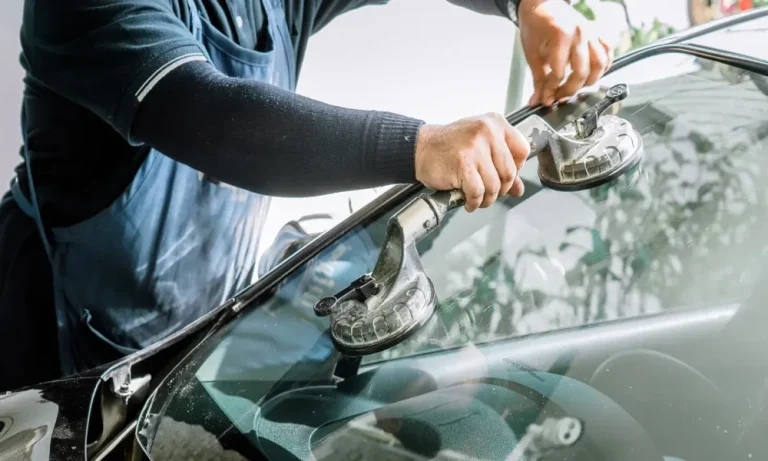
Proper windshield installation requires more than simply removing damaged glass and placing new glass into position. The old windshield must be carefully removed without damaging surrounding components. The frame is then inspected and prepared before the replacement glass is positioned.

The installer must ensure that the windshield sits correctly and remains aligned with the vehicle’s frame. Appropriate materials and installation procedures are important because even small positioning problems can affect the windshield’s performance.

The Role of Proper Sealing and Fitting

A secure seal helps prevent water, air, and debris from entering around the windshield. It also contributes to the stability of the glass once it has been installed. Uneven gaps, poor bonding, or incorrect positioning can create problems over time.

After installation, the bonding material may require a specific amount of time to cure before the vehicle is driven. Following the recommended waiting period can help ensure that the windshield is securely attached.

Checking Advanced Driver Assistance Features

Many modern vehicles use cameras and sensors mounted near or behind the windshield for advanced driver assistance systems. Features such as lane departure warnings, automatic emergency braking, traffic recognition, and adaptive systems may depend on accurate camera positioning.

Replacing the windshield can affect the alignment of these components. Depending on the vehicle, calibration may therefore be necessary after installation. Drivers should confirm that relevant safety systems have been checked and are functioning correctly before returning to normal driving.

Supporting Safe Vehicle Operation

A windshield replacement should leave the vehicle with clear visibility, secure glass, effective sealing, and properly functioning related technology. Considering damage severity, glass specifications, installation quality, fitting, and driver-assistance features allows drivers to approach the replacement process with safety as a priority.

A head gasket serves as an essential seal between the engine block and the cylinder head inside your vehicle. When this component fails, the entire engine efficiency drops rapidly and your vehicle starts consuming significantly more gas. Seeking timely assistance from Diesel Repair in Houston, TX service can save you from severe engine damage and extremely high gas bills. Many drivers ignore early signs of failure until the fuel economy drops drastically during their daily commutes. The expertise provided by STP Diesel helps car owners identify these underlying issues before expensive repairs become necessary.

Improper Combustion Efficiency inside the Cylinders

Expert technicians at STP Diesel recommend regular checks to ensure that cylinder pressure remains at optimal levels always. The wasted fuel passes through the exhaust system without producing any useful mechanical power for your car.

Coolant Dilution of Engine Oil

When coolant mixes with engine oil, the lubricating properties of the oil deteriorate very quickly. The thick sludge increases internal friction among moving metal parts like pistons and crankshafts. So the engine must work much harder and burn more fuel just to overcome this internal resistance. The oil pump struggles to circulate the contaminated fluid through small oil passages effectively. But continuous driving with contaminated oil causes severe drag on the engine performance and lowers mileage. The extra workload placed on internal components forces the engine to consume extra fuel continuously.

Exhaust Gas Leakage and Sensor Errors

Exhaust gases can enter the cooling channels or leak outside when the seal loses its integrity. The oxygen sensor detects abnormal air ratios in the exhaust stream and sends wrong signals. So the computer sends extra fuel into the engine based on these incorrect sensor readings. The rich fuel mixture burns inefficiently while leaving heavy carbon deposits on internal engine parts. You spend much more money at the pump because the engine runs rich constantly. The unburned fuel damages the catalytic converter over time and increases running costs further.

Loss of Compression across Neighboring Cylinders

A failure between two adjacent cylinders causes pressure to transfer directly from one cylinder to another. Both affected cylinders lose their ability to compress the fuel mixture properly before the spark plugs fire. The engine misfires frequently and forces the remaining operational cylinders to handle extra engine load. You need to press the gas pedal down much further to achieve normal driving speeds. The overall fuel economy suffers immensely as the vehicle burns excessive fuel to maintain basic momentum. Early detection of compression loss prevents catastrophic engine failure and restores proper fuel efficiency completely.

Hidden damage often lingers after an accident, even when exterior panels look acceptable. A proper repair restores more than appearance because steering, alignment, and safety systems demand equal attention. Drivers searching for collision repair oklahoma city deserve workmanship that protects reliability instead of masking underlying problems. Every repair choice shapes future performance, resale value, and daily confidence behind the wheel.

Why Certified Repairs Rebuild Real Confidence

Certification represents proven training rather than simple experience. Modern vehicles contain advanced materials, calibrated sensors, and engineered crumple zones requiring precise restoration. Small measuring errors may affect handling during sudden braking. Skilled technicians follow manufacturer repair procedures because every structural point contributes to occupant protection during another unexpected impact.

Hidden Damage Deserves Careful Inspection

Visible dents reveal only part of the story. Suspension components, wheel geometry, and electronic safety features deserve equal attention before replacement decisions begin. A quality inspection often includes:

  • Frame measurement using digital equipment.
  • Steering system accuracy checks.
  • Airbag sensor verification before delivery.
  • Paint depth evaluation where required.
  • Road testing under controlled conditions.

Each inspection step confirms the vehicle performs as intended instead of relying upon visual appearance alone.

Choosing Collision Repair Oklahoma City Specialists

Repair quality depends upon knowledge, equipment, and disciplined workmanship. Experienced collision repair oklahoma city professionals inspect structural areas before cosmetic work begins because hidden distortion affects driving stability. One customer may notice uneven tire wear after accepting incomplete repairs, while another experiences steering pull during highway travel. Careful diagnosis prevents those costly surprises before they become larger mechanical concerns.

Signs Quality Work Never Ignores

Strong repair standards become noticeable through consistent attention to important details.

  • Factory repair specifications respected.
  • Precise panel alignment maintained.
  • Original paint color accurately matched.
  • Safety technology carefully recalibrated.

Each completed task contributes toward dependable performance instead of temporary visual improvement. Vehicles repaired with proper procedures often retain stronger long-term value because buyers appreciate documented workmanship supported by reliable repair records.

Smart Questions Before Vehicle Collection

Collecting repaired transportation deserves more than checking fresh paint. Owners benefit from asking practical questions before accepting completed work.

  • Were safety systems fully tested?
  • Has wheel alignment received verification?
  • Which replacement parts were installed?
  • Does repair coverage include written warranty information?
  • Were diagnostic codes completely cleared before delivery?
  • Has every calibration received final confirmation?

Clear answers provide confidence while reducing uncertainty after an already stressful accident.

Confidence Returns Through Proven Craftsmanship

Fresh paint attracts immediate attention, yet structural accuracy determines lasting satisfaction. Proper sensor calibration, verified alignment, and documented inspection results create genuine peace of mind because every completed repair serves a measurable purpose. That difference becomes noticeable during emergency braking, sharp cornering, and ordinary commuting long after visible damage disappears.

FAQs

How long do certified collision repairs require?
Repair time depends upon damage severity, replacement parts, and calibration requirements. Minor work finishes sooner than extensive structural restoration.

Can hidden damage exist after a small collision?
Yes. Suspension, frame sections, or electronic safety components may suffer damage despite limited exterior marks.

Why does sensor calibration matter?
Modern safety technology relies upon accurate positioning. Incorrect calibration may reduce intended system performance.

Should drivers request a written repair warranty?
Yes. Written coverage demonstrates confidence in workmanship while offering reassurance if concerns arise later.