
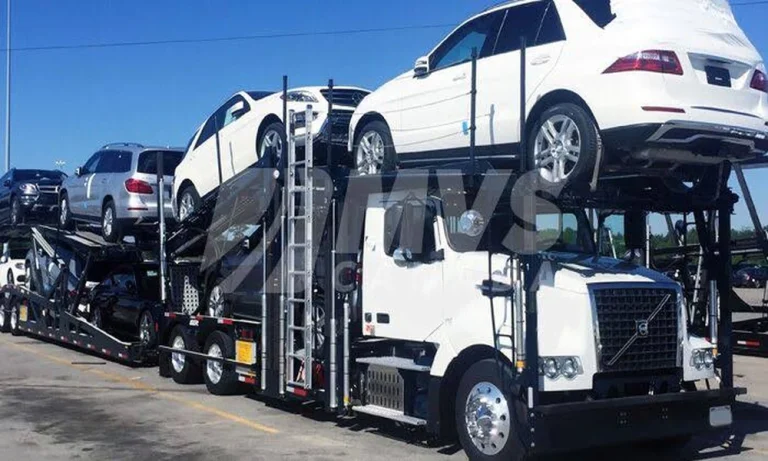
Category

Cars

Category

Winnipeg sits almost exactly in the middle of Canada, and for many Ontario residents it is a natural place to move. Healthcare and government jobs, the University of Manitoba, and housing costs well below those in the Greater Toronto Area all draw people west. At around 2,100 kilometres, the trip from Toronto is shorter than most cross country moves but still long enough that many households choose to ship the vehicle.

Here is what to expect on the route, how timing works, and how to prepare, especially if your move falls in winter.

The Route From Toronto to Winnipeg

A vehicle leaving Toronto heads north on Highway 400 toward Barrie and then continues to Sudbury. From there the Trans-Canada follows Highway 17 west to Sault Ste. Marie before running along the north shore of Lake Superior through Wawa, Marathon, and Nipigon to Thunder Bay. West of Thunder Bay the road crosses Dryden and Kenora before reaching the Manitoba border and the Whiteshell region, then runs straight into Winnipeg.

Much of the trip is through northern Ontario, a long stretch with few large towns. The scenery is beautiful, but services are limited and winter weather can be severe. Drivers who regularly run this corridor plan fuel and rest stops carefully, and they know where conditions tend to change quickly.

Transit Time

Under normal conditions, a shipment from Toronto to Winnipeg takes about seven to ten days. That includes the time needed to consolidate vehicles heading in the same direction, which is why the estimate is a range instead of a fixed date.

Winter is the main source of variation. Lake effect snow along Lake Superior, freezing temperatures, and drifting snow on the Prairie side of the border can add a few days. If you ship between November and March, plan for the longer end of the range. Toronto to Winnipeg car shipping runs all year, and most delays are short and tied to conditions rather than the shipment itself.

Why Northern Ontario Matters

The northern Ontario stretch is the part of this route most people underestimate. The distance between Sault Ste. Marie and Thunder Bay is long, with few alternate roads. If a highway closes because of a collision or a storm, trucks may have to wait rather than detour. This is rare, but it is the reason a shipment can run a day or two behind schedule even when the weather elsewhere looks clear.

Booking with a little flexibility helps. If your move date has some room, you can avoid stress by treating the delivery window as an estimate and arranging transportation for the first few days after you arrive.

Booking Lead Time

Two to three weeks is a good minimum for most of the year. Summer, when families move before the school year, is busier, so four weeks gives you a better selection of pickup dates. If you are working around a job start or a house closing, book as soon as your dates are confirmed.

Many movers fly to Winnipeg and arrive before their vehicle does. A short rental car, a ride from a friend, or Winnipeg’s bus network can cover a few days easily. The city is compact and easy to get around, which makes the gap less disruptive than it would be in a larger city.

Shipping Back to Ontario

Winnipeg residents moving east follow the same highways in reverse. Winnipeg to Toronto car shipping takes about the same time as the westbound trip, though pricing and availability can differ depending on how many vehicles are moving each way at the time.

If you are planning a move in the opposite direction, request a quote for your actual route instead of assuming it matches the westbound figure.

Delivery in Winnipeg

Winnipeg’s flat, gridded layout makes delivery simple in most neighbourhoods, from Osborne Village and St. Boniface to St. Vital, Transcona, and Charleswood. A large truck may have difficulty on narrow back lanes or in apartment complexes with tight entrances. If that describes your address, tell the driver in advance so the vehicle can be unloaded safely nearby.

Moving to a smaller community outside the city, such as Selkirk, Steinbach, or Portage la Prairie, needs a little extra planning. Car shipping in Winnipeg covers the city and surrounding region, and it helps to confirm the delivery details before booking.

Registration After You Arrive

Manitoba handles registration and basic insurance through Manitoba Public Insurance, so new residents usually take care of both in one visit. You will need your ownership documents, identification, and proof of address. Because the process is combined, it is simpler than in provinces where registration and insurance are handled separately, but it is still wise to gather your paperwork before the vehicle arrives.

Preparing for a Prairie Winter

Winnipeg is one of the coldest major cities in Canada, with winter temperatures that regularly fall below minus 30. If your vehicle will arrive between November and March, preparation matters. Check the battery, since older ones often fail in extreme cold. Make sure the coolant is rated for low temperatures. Many Winnipeg drivers also use a block heater, so confirm yours works and bring the cord.

Standard preparation still applies. Reduce fuel to about a quarter tank, remove personal items, and photograph the vehicle from every side before pickup. Note any scratches or dents so the condition report matches your records.

Planning a Move to Manitoba

A move from Ontario to Manitoba has many parts, and the vehicle is one of the simpler ones. Pick your dates, get a quote, and allow extra time for winter weather. Most households find the process easier than they expected once the pickup is confirmed.

Frequently Asked Questions

How long does it take to ship a car from Toronto to Winnipeg?

Expect about seven to ten days under normal conditions. Winter weather in northern Ontario and Manitoba can add a few days, so allow extra time if you ship between November and March.

When should I book?

Two to three weeks ahead works for most of the year, and four weeks is safer in summer. Booking early gives you more pickup options and helps if you have a deadline.

Do I need a block heater for a winter move to Winnipeg?

It is strongly recommended. Temperatures can drop below minus 30, and a block heater makes it much easier to start the engine. Check that yours works before the vehicle ships.

Can I ship two vehicles together?

Yes, many households do. When both vehicles share the same pickup and delivery addresses, ask about multi vehicle pricing when you request your quote.

Is open or enclosed transport better for this route?

Open transport suits most vehicles and costs less. Enclosed transport is worth considering for luxury cars, classics, or recently detailed vehicles, especially in winter when road salt and snow are a concern.
A used luxury vehicle, a BMW, a Mercedes, an Audi, a Porsche, looks like the same kind of purchase as any other used car until the first out-of-warranty repair bill arrives. The upfront savings compared to buying new are real, but the ongoing cost structure of a luxury vehicle is genuinely different, and a buyer who doesn’t check the right things upfront can end up with a much more expensive car than the sticker price suggested.

Key Takeaways

  • A used luxury vehicle’s maintenance history matters more once it’s out of the manufacturer’s warranty, when routine and unexpected repairs cost meaningfully more than on a mainstream brand.
  • A pre-purchase inspection by a mechanic familiar with the specific make is one of the more reliable ways to catch problems a visual inspection misses.
  • Genuine parts for European luxury brands often take longer to source and cost more than parts for mass-market vehicles, which affects how quickly a repair actually gets done.
  • The practical next step: request full service records covering the vehicle’s entire ownership history, not just the most recent oil change receipt.

Why Does a Used Luxury Vehicle Need More Scrutiny Than a Mainstream One?

A mainstream used car and a used luxury car can have identical mileage and age and still carry very different risk profiles. Luxury brands generally use more complex suspension, electronics and drivetrain systems, which means more components that can eventually need attention, and each of those components typically costs more to service than the equivalent part on a mass-market vehicle. None of that makes a used luxury vehicle a bad purchase. It does mean the questions worth asking before buying one are somewhat different from the questions that matter on a used economy car.

Why Does a Pre-Purchase Inspection Matter More for Luxury Vehicles?

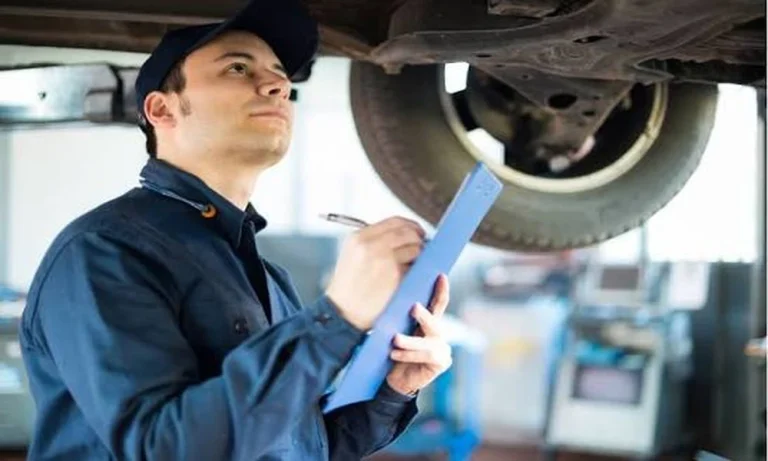
An independent inspection before finalizing a purchase catches things a test drive and a visual walk-around typically miss: worn suspension components, early signs of electrical issues, or wear patterns specific to that make and model. Browsing used car inventory in Guelph with a pre-purchase inspection already planned, rather than as an afterthought, puts a buyer in a stronger position to negotiate or walk away if something turns up. A mechanic who specifically works on the brand in question is generally more useful here than a general inspection, since some issues are specific to a particular manufacturer’s known weak points, and a generalist shop may not know to check for them.

What Should a Maintenance History Actually Show?

A complete service history should cover the vehicle’s full ownership period, not just whatever records happen to be on hand at the time of sale. Regular maintenance intervals matter more for luxury vehicles than for many mainstream brands, since some manufacturers specify shorter service intervals or more involved maintenance schedules. Gaps in the record, especially around major service milestones, are worth asking about directly rather than assuming they simply weren’t documented, since a missing stretch of history is one of the more common ways a costly issue goes unnoticed until after purchase.

What Should a Buyer Know About Parts and Repair Costs?

Luxury brand parts, particularly from European manufacturers, often need to be ordered rather than pulled from a shelf, which affects both cost and repair turnaround time. A part that’s readily available for a mass-market vehicle might take longer to source for a luxury one, extending the time a vehicle is out of commission for a repair. Budgeting for this reality upfront, rather than discovering it after a first unexpected repair, avoids an unpleasant surprise a few months into ownership, once the manufacturer’s original coverage has run out.

What Questions Should a Buyer Ask Before Committing?

A few direct questions help separate a genuinely well-maintained luxury vehicle from one that just looks the part:

  1. Can the full service history be provided, covering the entire ownership period?
  2. Has an independent pre-purchase inspection been completed, or can one be arranged before purchase?
  3. Are there any known issues specific to this make and model at this mileage?
  4. How readily available are parts for this specific vehicle in the local area?

Buying a Luxury Vehicle With Eyes Open

The appeal of a used luxury vehicle is real: meaningful savings over buying new, without necessarily sacrificing the features or performance that drew a buyer to the brand in the first place. Getting there without a costly surprise just takes a bit more diligence upfront than a mainstream used car purchase typically requires.

S.A.S.S. Auto Group works with buyers across Guelph and the surrounding area who are weighing exactly these questions on a used luxury or performance vehicle before making a decision.

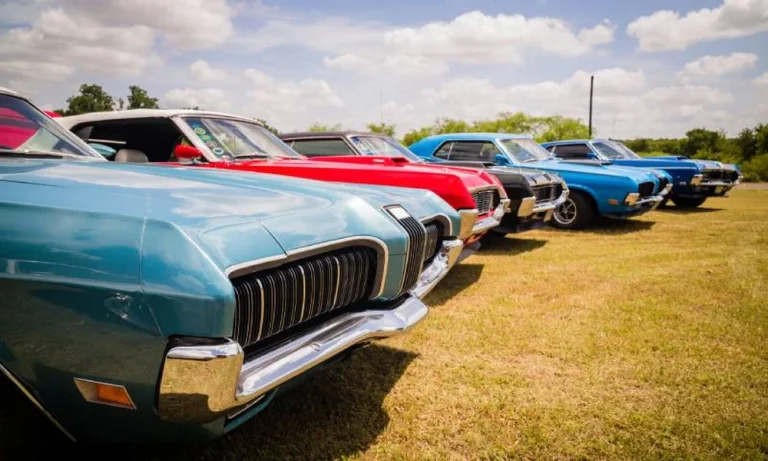
There will always be a different level of excitement before buying a classic performance car. You need to practically verify the classic performance car’s authenticity before buying. The authenticity of a car is truly a driving factor determining the cost of a classic performance car. Most people research, review, and verify the authenticity of the claims made by the car company before buying it.

While the thrill of finding a rare gem can easily tempt buyers into making a quick decision, taking a step back to perform due diligence is what saves collector enthusiasts thousands of dollars and endless headaches down the road. Whether you are inspecting a high-end muscle car, a rare European roadster, or learning how to Verify Classic Shelbys Authenticity Buying practices for iconic American legends, confirming a vehicle’s provenance requires careful scrutiny. Establishing genuine factory pedigree ensures you are investing in a legitimate piece of automotive history rather than a well-executed clone.

WHY AUTHENTICITY MATTERS?

Before verifying a car, you need to understand the significance of the authenticity of the car. A classic performance car that is authentic typically has the following features;

1. Increase in the cost of the car over time.

2. It attracts new customers.

3. It is easily sold in the market and is insurable.

4. Comes with a crucial history background.

5. Has the capacity to command a higher price in the market.

While considering a car with no authenticity, it would be difficult for the owner to sell in the market, or to sell at a price far less than the cost of the car. The owner of a classic performance car must be aware of the type of engine used.

RESEARCHING THE SPECIFIC MODEL OF CLASSIC CAR

Researching the model of classic car you prefer is the best way for verifying the authenticity of a car. While researching, you can consider the following questions;

1. What are the engine options available?

2. In which year was the car produced?

3. What are the available factory colors of the car?

4. What are the interior choices?

5. Is there any special edition available for the same classic car?

6. What are the performance packages?

By answering the aforesaid questions, you can effectively know about the authenticity of a car before actually inspecting it. It is advisable to be knowledgeable about the car you are buying.

VERIFY THE VEHICLE IDENTIFICATION NUMBER (VIN)

Verifying the VIN is essential for determining the authenticity of a car. You need to verify whether the VIN is present, matches the documents, and there is no tampering involved. A mismatched VIN is a big red flag for buying. You can also compare the VIN with the factory records for assessing genuineness.

VERIFYING ENGINE NUMBERS

The engine of a classic car significantly contributes to the overall performance. Therefore, verifying the engine number plays a crucial role. You can verify the engine number to determine whether the original engine remains in the car.

CONCLUSION

There are several practical ways the buyer can authenticate the classic performance car. It is an essential step before buying the car. The buyer must review the document and verify the authenticity of the car. You can take a practical approach of physically inspecting the car for positive results.

A colour-change wrap should be planned with the doors, boot and bonnet open as well as closed. The vehicle’s original colour may remain visible where the agreed coverage ends. Decide which transitions matter to you, have the existing surface assessed and record the exact finish before approving the installation. A rendering of a closed car cannot answer those questions.

The original colour is part of the new design

Imagine changing a bright red vehicle to a muted grey. From across a car park, the intended result may look simple. Open the driver’s door and the red areas beyond the exterior panels become part of the view. Whether that contrast bothers you is a design preference, but it should be an informed preference. The time to notice it is during planning, when the installer can explain the available coverage and its implications.

Start with the openings you use most frequently. A hatchback owner loading equipment sees different transitions from a commuter who mostly opens one front door. A business vehicle may regularly appear with cargo doors open at a job site. Walk through those routines rather than relying on a collection of glamour photographs. The finished vehicle has to make sense while being used, not only while parked for a picture.

A Mississauga owner can see the wrap service details at SRS Tints to begin discussing finishes and coverage. Its published offering includes personal and business vehicles. Bring the open-door observations to that conversation so that the visual goal can be translated into a specific scope. A service page establishes the category of work; the installer still needs to explain what can be achieved on the actual vehicle.

Walk around the open vehicle with the installer

Ask the installer to point out where the proposed film will finish. Look closely at the places where panels meet, around handles and along the edges revealed by an open door. Some areas may be included in the standard exterior scope; others may involve a different amount of work or may be unsuitable. Do not infer coverage from the phrase “full wrap.” A shared inspection makes the meaning of that phrase concrete.

Use photographs to record the agreed boundaries. An annotated image of a particular edge is easier to revisit than a vague recollection that the wrap would go “around everything.” Where components may need removal, ask who performs the work and what the quote includes. Leave technical installation decisions to the professional, while making sure their visible consequences are understood. You are approving a finished appearance and a scope, not supervising a method you have not been trained to perform.

Include existing accessories in the discussion. A roof rack, aftermarket trim piece or earlier film treatment may affect access and the overall visual result. Tell the installer about modifications rather than assuming they will be obvious at a quick glance. If an accessory will be replaced soon, coordinate its timing with the wrap plan. Work done out of sequence can leave a newly chosen finish waiting for another decision.

Resolve repairs before the film appointment

The vehicle’s surface history matters to the assessment. Tell the shop about repainting, recent body repairs, peeling areas or previous wrap removal. A colour change should not be expected to repair damaged paint or conceal every surface defect. Ask which concerns need investigation or repair before an installation is sensible. If a body shop is also involved, have the relevant professionals agree on readiness rather than choosing an interval from general online advice.

It is reasonable to postpone the cosmetic decision when the underlying condition remains uncertain. A sample colour cannot settle whether a repaired area is ready for film or what removal might involve later. Ask how the installer documents the starting condition and what limitations appear in the written agreement. This is particularly useful for a used car whose earlier work is only partly known. Clear records give both sides a reference if a concern arises.

Consider whether your ownership arrangement introduces another decision-maker. A leased or financed vehicle may have terms relevant to alterations, and a business vehicle may require internal approval for a new appearance. Review the actual agreement or seek appropriate advice instead of assuming that a removable material means unrestricted permission. Resolve that question while the project is still on paper, before buying a finish around an expectation that has not been checked.

Keep a record of the chosen finish

Once the scope is settled, examine a physical sample when available. Look at it in more than one ordinary lighting condition and against the vehicle’s existing trim. Gloss, satin and matte appearances can feel different in person from the way they appear on a screen. Photographing a sample is useful for conversation, but the picture should not become a substitute for the sample itself.

Record the manufacturer, product name, colour reference and any agreed placement details. Ask what information should be retained for future repair enquiries and whether availability can change. A replacement panel should not be promised an invisible match years later without a basis for that promise. The useful outcome is a traceable choice and a clear route for asking about future work, rather than a broad assurance that the colour can always be recreated.

Judge the change in ordinary use

At handover, repeat the same walk-through used during planning. Open the doors, load the boot and view the vehicle from the positions that matter in daily life. Compare the visible boundaries with the agreed scope and ask about any difference. Get the care guidance for the specific film and installation, including what to do if an edge or surface later needs attention.

The final approval belongs beside the door you open every morning. If the colour transition there matches the result you discussed, the design has survived a more useful test than a flattering photograph. A considered wrap is one you understand from both sides of the opening.