Category

Auto

Category

When you decide to lease a car in Singapore, you’re entering a marketplace where traditional vehicle ownership has become increasingly challenging due to soaring costs and regulatory complexities. Understanding car leasing can transform what seems like a daunting financial decision into a strategic mobility solution.

With COE prices reaching unprecedented heights and the government’s continued emphasis on reducing vehicle population growth, smart consumers are discovering that leasing offers a pathway to premium mobility without the traditional financial barriers of ownership.

Understanding Singapore’s Automotive Reality

Singapore’s automotive market operates under constraints that make it unlike anywhere else in the world. The government employs sophisticated quota systems and fees designed to manage traffic growth, creating an environment where vehicle ownership carries substantial ongoing costs beyond the initial purchase price.

Current market conditions reveal the stark reality facing potential car owners. The minimum down payment requirements alone—40% for vehicles with an Open Market Value exceeding $20,000—can represent tens of thousands of dollars before considering additional costs like insurance, road tax, and parking.

These financial realities have created a perfect storm where leasing emerges as not just an alternative, but often the most sensible choice for many Singaporeans. The mathematics become particularly compelling when considering that many lease agreements bundle essential services into predictable monthly payments.

The Economics of Intelligent Mobility

Leasing can be up to 30% more cost-effective over a five-year period compared to owning a vehicle, according to industry analysis. This cost advantage stems from several factors that traditional ownership cannot match:

  • Eliminated depreciation risk as you’re not bearing the vehicle’s declining value
  • Reduced maintenance uncertainty with comprehensive coverage included
  • Lower insurance costs through group policies
  • Predictable budgeting without unexpected expenses
  • No resale complications when transportation needs change

The financial benefits extend beyond simple cost calculations. Leasing preserves capital that can be deployed more productively elsewhere, whether in investments, business ventures, or emergency reserves.

Flexibility in an Uncertain World

Modern life demands adaptability, and vehicle leasing delivers exactly this quality. Singapore’s car leasing market is thriving, influenced by millennials and Gen Z’s preferences for flexible, sustainable transport options, according to a report by the Nanyang Technology University.

This demographic shift reflects broader changes in how people approach major purchases. Rather than committing to long-term ownership with its inherent inflexibility, today’s consumers prefer arrangements that can evolve with their changing circumstances.

Consider the practical implications:

  • Career transitions may require different vehicle types or eliminate transport needs entirely
  • Family changes might necessitate larger or smaller vehicles
  • Lifestyle evolution could shift preferences from economy to luxury or vice versa
  • Economic fluctuations may require budget adjustments that leasing can accommodate

The Service Integration Advantage

Modern car leasing arrangements in Singapore typically offer comprehensive service packages that eliminate many traditional ownership frustrations. These integrated solutions address common pain points that vehicle owners face:

Maintenance Management

Professional fleet maintenance ensures vehicles receive optimal care from qualified technicians using genuine parts. This professional approach often results in better vehicle reliability and performance compared to ad-hoc owner maintenance.

Insurance Coordination

Group insurance arrangements frequently provide superior coverage at lower costs than individual policies. The administrative burden of policy management transfers to the leasing provider.

Regulatory Compliance

Road tax, licensing, and other governmental requirements become the provider’s responsibility, eliminating administrative tasks and deadline management for users.

Emergency Support

24/7 roadside assistance ensures that mechanical issues don’t become major disruptions to daily life or business operations.

Environmental and Social Considerations

Singapore’s push towards environmental sustainability has influenced the car leasing market significantly. Leasing providers increasingly offer hybrid and electric vehicles, making advanced green technology accessible without substantial personal investment.

Fleet management practices typically result in newer, more efficient vehicles with better emission profiles compared to privately owned vehicles that may remain in service longer.

Risk Management Through Leasing

Vehicle ownership in Singapore carries multiple risk categories that leasing can effectively mitigate:

  • Technology obsolescence as automotive technology evolves rapidly
  • Regulatory changes that might affect vehicle values or operating costs
  • Market volatility impacting resale values unpredictably
  • Personal circumstances requiring flexibility in transportation arrangements

Mr Evert Ong, head of Kinto One leasing, Kinto Singapore, notes that his customers use different vehicles for different stages in life. A young man may hire a sedan for errands and, in a few years, lease a sport utility vehicle when he becomes a parent.

Practical Decision-Making Framework

When evaluating whether car leasing suits your situation, consider these key factors:

lease a car

Financial Position

Assess whether preserving capital provides greater benefit than ownership. Consider your cash flow preferences and investment opportunities.

Usage Patterns

Evaluate your driving needs, including frequency, distance, and purpose.

Lifestyle Stability

Consider how stable your current situation is. Significant life changes might favour leasing’s flexibility.

Technology Preferences

If you prefer accessing latest automotive technology without long-term commitment, leasing provides regular upgrade opportunities.

Market Evolution and Future Trends

The Singapore car leasing market continues expanding, with projections indicating substantial growth as consumer preferences evolve. The Singapore Car Rental Market size is expected to reach USD 175.15 million in 2025 and grow at a CAGR of 9.84% to reach USD 280.04 million by 2030.

This growth trajectory reflects increasing consumer sophistication and market maturation. As providers compete for market share, consumers benefit from improved services, competitive pricing, and innovative offerings.

Making Your Decision

The choice between leasing and ownership ultimately depends on individual circumstances, but evidence suggests that leasing offers compelling advantages for many Singapore residents. The combination of financial efficiency, operational flexibility, and risk mitigation creates a strong case for consideration.

For those seeking intelligent mobility solutions that align with Singapore’s unique automotive environment, exploring leasing options represents a prudent approach. Whether you’re a young professional establishing your career, a family managing changing needs, or an expatriate navigating temporary residence, the benefits of a Singapore car lease deserve serious consideration in your transportation planning.
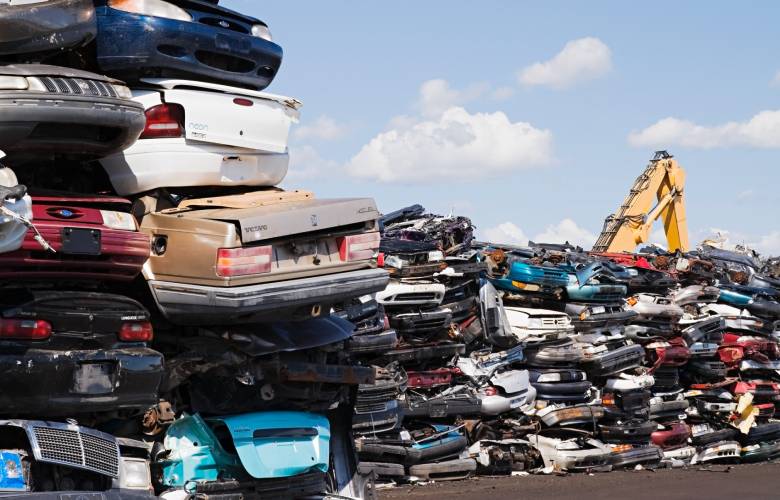
If you’re looking to dispose of your old vehicle in Singapore, working with an LTA approved scrap car dealer is not just recommended—it’s essential for protecting yourself legally and financially. The Land Transport Authority (LTA) has strict regulations governing vehicle disposal, and only certified dealers can guarantee you’ll avoid hefty penalties whilst maximising your car’s residual value. Understanding the intricacies of Singapore’s vehicle scrapping system can mean the difference between a smooth transaction and a bureaucratic nightmare that could cost you dearly.

The Critical Importance of LTA Certification

Singapore’s vehicle disposal system operates under stringent government oversight, and for good reason. The island nation’s limited space and environmental concerns necessitate careful management of end-of-life vehicles. An LTA approved scrap car dealer has undergone rigorous vetting processes, ensuring they meet all regulatory requirements for vehicle dismantling, parts recycling, and proper documentation.

The certification process itself involves comprehensive facility inspections, financial background checks, and ongoing compliance monitoring. These measures ensure that only qualified operators can legally handle vehicle disposal, protecting consumers from fraudulent practices and environmental violations.

When you entrust your vehicle to an uncertified dealer, you’re essentially gambling with your legal standing. The consequences can be severe:

•      Legal liability for improper disposal

•      Potential fines reaching thousands of dollars

•      Complications with insurance claims

•      Issues with vehicle deregistration

•      Environmental penalties for improper waste handling

Understanding Singapore’s Vehicle Disposal Regulations

The complexity of Singapore’s automotive regulations can overwhelm even the most diligent car owner. LTA requirements encompass everything from proper fluid drainage to component recycling mandates. These regulations aren’t merely bureaucratic hurdles—they’re designed to protect both consumers and the environment.

An experienced LTA approved scrap car dealer navigates these regulations daily, ensuring every aspect of your vehicle’s disposal meets government standards. They understand the documentation requirements, the proper channels for parts distribution, and the environmental protocols that must be followed.

“Working with an LTA approved dealer isn’t just about compliance—it’s about peace of mind knowing your vehicle disposal won’t come back to haunt you years later,” explains a senior automotive industry consultant.

Financial Benefits You Cannot Ignore

Beyond regulatory compliance, choosing the right dealer significantly impacts your financial outcome. LTA approved scrap car dealers typically offer:

•      Competitive pricing based on current metal and parts markets

•      Transparent valuation processes

•      No hidden fees or surprise deductions

•      Prompt payment schedules

•      Professional handling of paperwork at no extra cost

The financial difference between certified and uncertified dealers can be substantial. Approved dealers have established relationships with parts buyers, recycling facilities, and metal processors, enabling them to offer better prices for your vehicle’s components and materials. These established networks often translate to higher payouts for vehicle owners, sometimes differing by hundreds or even thousands of dollars depending on the vehicle’s condition and market demand.

The Environmental Responsibility Factor

Singapore’s commitment to environmental sustainability extends to vehicle disposal. LTA approved scrap car dealers must demonstrate proper handling of hazardous materials, including:

•      Engine oils and transmission fluids

•      Brake fluid and coolants

•      Battery acids and electronic components

•      Tyres and plastic components

•      Catalytic converters and emission control systems

Improper disposal of these materials can result in significant environmental damage and hefty government penalties. By choosing an approved dealer, you’re ensuring your environmental footprint remains minimal whilst supporting Singapore’s sustainability initiatives.

Documentation and Legal Protection

Perhaps the most overlooked aspect of vehicle disposal is proper documentation. An LTA approved scrap car dealer provides comprehensive paperwork that protects you from future legal complications. This includes:

•      Official disposal certificates

•      Deregistration confirmation

•      Parts distribution records

•      Environmental compliance certificates

•      Financial transaction documentation

These documents serve as your legal protection should any questions arise about your vehicle’s disposal. Without proper documentation, you could face investigations or penalties years after the transaction.

Identifying Legitimate LTA Approved Dealers

Not all dealers claiming LTA approval actually possess proper certification. When selecting a dealer, verify:

•      Current LTA licensing status

•      Physical business premises and facilities

•      Insurance coverage and bonding

•      Customer testimonials and industry reputation

•      Transparent pricing and process explanations

Legitimate dealers welcome scrutiny and readily provide verification of their credentials. They understand that informed customers make better partners in the disposal process.

The Process: What to Expect

Working with a professional LTA approved scrap car dealer should be straightforward and efficient. The typical process includes:

•      Initial vehicle assessment and valuation

•      Documentation review and preparation

•      Scheduled vehicle collection or drop-off

•      Professional dismantling and component sorting

•      Proper disposal of hazardous materials

•      Final paperwork completion and payment processing

Throughout this process, you should receive regular updates and have access to all relevant documentation.

Making the Right Choice for Your Situation

Vehicle disposal represents more than just getting rid of an old car—it’s about protecting your interests whilst contributing responsibly to Singapore’s automotive ecosystem. The peace of mind that comes from working with certified professionals far outweighs any perceived savings from cutting corners with unauthorised dealers.

Your vehicle disposal decision impacts not only your immediate financial situation but also your long-term legal standing and environmental responsibility. In Singapore’s highly regulated automotive environment, there’s simply no substitute for the expertise, compliance, and protection offered by an LTA approved scrap car dealer. Making this informed choice today protects your interests tomorrow while supporting sustainable practices that benefit all of Singapore’s residents.

In the sweltering heat of a Singapore afternoon, the arrival of an electric bus Singapore has deployed represents more than just technological advancement—it embodies a commitment to environmental justice that ensures cleaner air reaches every neighbourhood, from the gleaming towers of Marina Bay to the heartland estates where working families call home. This transformation of public transport isn’t merely about reducing emissions; it’s about recognising that climate action must serve all communities equitably, ensuring that the benefits of clean technology aren’t reserved for the privileged few.

The Moral Imperative of Clean Public Transport

Public transport serves as the great equaliser in urban societies, and Singapore’s electric bus initiative recognises this fundamental truth. When we speak of environmental justice, we must acknowledge that those who rely most heavily on public transport—working-class families, elderly residents, students—are often the same communities most vulnerable to air pollution’s health impacts.

The transition to electric buses addresses this disparity head-on. Unlike private vehicle adoption, which can exacerbate social divisions between those who can afford new technology and those who cannot, electric public transport democratises access to clean mobility. Every resident, regardless of economic status, benefits from reduced emissions, quieter streets, and improved air quality.

Systemic Change Through Strategic Planning

Singapore’s approach to electric bus deployment demonstrates how thoughtful policy can create transformative change. The government’s systematic replacement strategy ensures that environmental benefits reach every corner of the island nation, not just affluent districts or high-visibility routes.

This comprehensive approach includes:

•       Gradual fleet replacement prioritising high-frequency routes serving diverse communities

•       Infrastructure development ensuring reliable charging capabilities across the network

•       Driver training programmes that protect workers’ livelihoods during technological transition

•       Community engagement initiatives explaining the benefits to residents

•       Integration with existing transport systems to maintain service reliability

•       Environmental monitoring to measure real-world impact on air quality

The strategy reflects an understanding that true progress requires institutional commitment, not merely good intentions.

Health Equity and Environmental Justice

The health implications of Singapore’s electric bus programme extend far beyond carbon reduction statistics. In densely populated areas where housing estates sit adjacent to major transport corridors, the shift from diesel to electric propulsion directly impacts respiratory health, particularly for children, elderly residents, and those with pre-existing conditions.

Research consistently demonstrates that air pollution disproportionately affects marginalised communities, who often live in areas with higher traffic density and fewer green spaces. Electric buses help address this environmental injustice by eliminating local tailpipe emissions along routes that serve these communities most intensively.

The quiet operation of electric buses also addresses noise pollution—an often-overlooked environmental justice issue. Reduced noise levels improve quality of life in residential areas, support better sleep patterns, and create more pleasant urban environments for all residents.

Economic Justice and Workforce Transition

Singapore’s electric bus transition exemplifies how environmental progress can align with economic justice when properly managed. Rather than displacing workers, the programme includes comprehensive retraining for bus drivers and maintenance staff, ensuring that those who have built careers in public transport can continue to thrive in the electric era.

This approach recognises that climate action must not come at the expense of working people’s livelihoods. The technical skills required for electric bus operation and maintenance create new career pathways whilst preserving employment opportunities for existing workers.

As transport policy expert Dr. Raj Patel notes, “Singapore’s electric bus programme demonstrates that environmental sustainability and social equity aren’t competing priorities—they’re mutually reinforcing goals. When public transport becomes cleaner and more efficient, everyone benefits, but particularly those communities that depend on it most.”

Community Empowerment and Participation

The success of Singapore’s electric bus initiative depends not only on government policy but on community acceptance and engagement. Public education campaigns help residents understand the environmental and health benefits, whilst feedback mechanisms ensure that service quality improvements accompany technological upgrades.

This participatory approach acknowledges that sustainable transport policy must reflect community needs and priorities. When residents understand how electric buses improve their daily lives—through cleaner air, quieter streets, and reliable service—they become advocates for continued environmental progress.

Regional Leadership and Global Responsibility

Singapore’s electric bus programme carries implications beyond its borders. As a regional hub, the city-state’s success with electric public transport provides a model for other Southeast Asian nations grappling with rapid urbanisation and air quality challenges.

The programme demonstrates that developing nations need not choose between economic growth and environmental protection. By investing in clean public transport, governments can simultaneously address climate change, public health, and social equity whilst maintaining economic competitiveness.

The Path Forward: Lessons in Collective Action

Singapore’s electric bus transformation illustrates how progressive policy can create positive change when backed by institutional commitment and community support. The programme’s success stems from recognising that environmental challenges require collective solutions that benefit all members of society.

Moving forward, the lessons from Singapore’s experience should inform broader conversations about climate justice and sustainable development. When environmental policies prioritise equity and inclusion, they build the broad-based support necessary for lasting change.

The electric buses gliding silently through Singapore’s streets carry more than passengers—they transport hope for a future where environmental progress serves social justice. Each route completed by an electric bus in Singapore today brings us closer to a world where clean air and sustainable transport aren’t luxuries but fundamental rights accessible to all.

You can reduce stress, save money, and save time by selecting the best vehicle repair company. Since your automobile plays a significant role in your everyday activities, it should receive the maintenance it needs to function properly. However, it can be challenging to know where to begin when there are numerous options available. The top auto repair shops prioritize providing excellent customer service and are trustworthy and knowledgeable. They treat you with respect and provide clear explanations. Every time your vehicle requires maintenance, you want to know that it is in competent, safe hands. 

Below are five easy ways to help you pick the right shop for your vehicle needs. 

Ask for recommendations

Start with those you can trust. Neighbors, friends, or relatives can provide candid criticism. They could know of a shop that consistently produces quality work. This might assist you in avoiding negative events. Word-of-mouth frequently reveals more than internet evaluations or advertisements. 

Check online reviews and ratings

Look up the name of the store online. Look for websites that may display reviews and ratings from users. See what others have to say about the staff’s conduct, the service, and the price. A store with a lot of positive ratings is usually a safer option. 

Visit the shop first 

Stop by the shop before you get out of your automobile. Verify that it appears tidy and well-organized. Speak with the employees. Do they want to clarify things and are they courteous? A reputable store will welcome inquiries and provide concise responses. You ought to feel valued and at ease. 

Look for certifications and experience

Trained and competent staff are frequently found in a certified shop. Inquire about the ASE certification of their mechanics. Check out the shop’s opening time. Repairs of all types are often handled by a facility that has been in operation for many years. 

Compare prices but do not go too cheap

Ask two or three stores for quotations. Not always is the least expensive option the best one. A significantly lower quote might indicate hurried production or low-quality parts. Long-term value is higher when a fair price is combined with quality service. 

To sum up 

It takes some work to find the best repair company, but the effort is worthwhile. You are looking for a location that solves issues without creating new ones. You will feel more certain while making your decision if you follow the above advice. Every time your automobile requires repair, you may rest easy knowing that the business is trustworthy. 


Singapore’s roads are transforming. Electric vehicles (EVs) have moved rapidly from niche curiosity to everyday sight, and BYD electric vehicles are driving much of this momentum. If you’re considering your next car, it pays to ask—what makes BYD so compelling for Singapore motorists? Here’s a deep dive into BYD’s features and benefits, and an analysis of why they’re especially suited to Singapore’s unique environment.

BYD Models: Designed For Urban Agility

When navigating Singapore’s compact roads and notorious parking crunches, size and manoeuvrability top the wishlist. BYD models like the Dolphin and Atto 3 excel in this regard. Both are engineered specifically for city use—compact bodyframes, small turning radius, and excellent all-round visibility.

  • Tight corners and multi-storey carparks? No issue.
  • Squeezing into parallel lots along Orchard Road or at Tanjong Pagar’s malls? Effortless.

Unlike some bulkier contenders, BYD cars are shaped for Singapore’s reality—think smoother lane changes, stress-free parking, and easy navigation through CBD traffic. This practicality puts BYD ahead when compared with larger sedans or SUVs offered by other brands, which may enjoy space overseas but can feel unwieldy locally.

Lower Operating Costs: BYD Makes Every Cent Count

Cost consciousness defines local car buyers, especially given Singapore’s elevated vehicle ownership costs. Here’s how BYD EVs immediately tip the balance sheets in your favour:

  • Electricity is significantly cheaper than petrol, slashing per-kilometre running costs by more than half.
  • BYD EVs come with fewer moving parts: no engine oil, fewer fluid changes, less brake wear.
  • Servicing intervals can be longer and bills lighter, keeping ongoing expenses in check.

Compared to traditional hybrids or ICE vehicles, maintenance savings stack up over years of city driving. According to users surveyed by Jack Cars, the switch to a BYD reduces both regular visits to mechanics and out-of-pocket spend—ideal for budget-conscious professionals and growing families seeking stability.

Government Incentives: Upfront Value With Singapore-Specific Savings

The Singapore government is ramping up support for green mobility, and BYD vehicles ride the crest of these offerings:

  • EV Early Adoption Incentive (EEAI): Up to S$20,000 off Additional Registration Fee (ARF).
  • Band-leading VES rebates: BYD models often qualify for Category A1/A2, providing further S$15,000 savings.
  • New road tax brackets mean annual fees are far below those for ICE vehicles.

This cumulative financial advantage immediately narrows the perceived price gap between a BYD EV and pre-owned petrol equivalents. When customers explore the latest BYD electric vehicles in Singapore, they often find real-world affordability that matches or surpasses used ICE options, particularly when factoring in total cost of ownership.

Efficient Battery and Range: Suited to Local Lifestyles

Worried about range anxiety? The numbers speak for themselves. Most Singaporeans drive under 50km per day. Even BYD’s most city-centric models, such as the Dolphin, more than triple that daily need on a single charge.

Key advantages include:

  • The BYD Blade Battery boasts superior safety (thermal management) and long lifespan—critical for peace of mind.
  • Long-range models (Seal, Atto 3) cater to drivers who occasionally venture to Malaysia or make multiple daily circuits.
  • Fast-charging capabilities enable a quick top-up: 30–40 minutes to 80% using DC fast stations.

Unlike several competitors, where battery degradation or limited capacity creates concern, BYD’s tech leads the segment for reliability and future-proofed range assurance.

Charging Convenience: Network Coverage Gets Rid Of “Where Will I Charge?”

Range matters little if charging is a chore. But Singapore now houses 3,600+ public charging points, spanning shopping malls, office carparks, and residential precincts. For BYD owners, this means:

  • Multiple options for rapid DC charging—up to 80% in roughly half an hour.
  • Easy access in daily life: plug in while shopping, working, or even during movie nights.
  • At-home solutions available for landed homes, with considerable progress supporting condominiums.

Ask Jack Cars and they’ll confirm: clients express ease and satisfaction finding available chargers—a key differentiator over earlier EV generations.

Comprehensive Jack Cars Support: The Customer Experience Edge

Buying an EV can feel daunting. That’s why Jack Cars anchors their approach on a complete customer journey:

  • Test drives with personalised route guidance
  • Transparent, competitive BYD cars price listings
  • Financing advice, trade-in options, and streamlined paperwork
  • Servicing by BYD-certified technicians with proprietary diagnostics equipment
  • Warranty-backed repairs and after-sales education

Client feedback consistently singles out Jack Cars’ attentive team and robust support network. Compared to larger dealerships where impersonal transactions are common, Jack Cars maintains close ties with each buyer—extending post-sale check-ins and rapid service turnarounds at their advanced centre. This has driven not just higher initial sales but an enviable rate of referrals and repeat business.

Zero Emissions, Real Impact: Supporting the Green Plan 2030

Sustainability is more than lip service; Singapore’s Green Plan 2030 targets ambitious emissions reductions—and BYD EVs play a frontline role.

  • Zero tailpipe emissions directly curb air pollution in dense districts and school zones.
  • Ultra-quiet operation delivers calmer streets, a feature highly rated by family drivers and neighbourhood associations.
  • Manufacturing methods and powertrain recycling processes further reduce whole-lifecycle environmental impact.

Eco-conscious professionals and families increasingly cite “greener choices” as a determinant for switching, placing BYD ahead of petrol and even mild hybrid alternatives. With every kilowatt-hour charged instead of refuelled, drivers directly contribute to national climate goals.

Advanced Technology For Connected Living

Modern Singapore drivers expect seamless connectivity and state-of-the-art features. Here, BYD raises the bar:

  • Rotating touchscreens and mobile-integrated infotainment enhance usability and fun.
  • Over-the-air firmware updates keep systems current without physical dealer visits.
  • Sophisticated safety features—lane assist, adaptive cruise control, multi-point cameras.
  • App-based status monitoring, scheduling, and remote controls—appeal directly to tech-savvy buyers.

Jack Cars notes a specific spike in interest from young professionals and gadget enthusiasts examining “smart” credentials, and BYD shines with its suite of forward-thinking enhancements.

Comparison With Competitors: Where BYD Edges Ahead

A scan across competing brands (like CarTimes, Karz Automobile, Autobahn Motors) reveals distinct strategies—some offer large model portfolios, others focus heavily on luxury positioning or innovative retail experiences such as car vending machines. Yet, BYD’s three-pronged approach—blending pragmatic efficiency, extensive support, and value-driven pricing—aligns better with local priorities:

  • Compact yet feature-rich vehicles contrast with imported models ill-fitted for congested roads.
  • Lower cost-per-kilometre stretches household budgets further than similarly priced ICE/hybrid imports.
  • Jack Cars’ direct service pipeline trumps generic after-sales networks, ensuring continuity of care.

Crucially, customer reviews highlight smoother, more transparent purchase journeys with Jack Cars—combining BYD’s technological prowess with trusted dealer ethics under one roof.

BYD EV Pricing: Actual Affordability In A Tough Market

For many, the deciding factor remains price. BYD cars price points, inclusive of available government incentives, increasingly rival conventional used vehicles while offering greater long-term savings. Jack Cars provides clear, upfront quotations with transparent breakdowns:

  • No hidden mark-ups or unexpected administration fees.
  • Exclusive bundles including complimentary first-year servicing or home charger installation.
  • Financing plans bespoke to individual circumstances, leveraging Jack Cars’ established banking connections.

Shoppers performing due diligence online find that BYD’s overall cost equation easily outpaces ICE alternatives when considering maintenance, incentives, and fuel efficiency—especially important to Singapore buyers focused on optimising lifetime car ownership value.

Making The Switch: Is BYD Right For You?

Jack Cars sees buyers from many walks—busy executives needing reliable commutes, families shuttling kids to enrichment programmes, and retirees prioritising smooth, low-maintenance journeys. Across the board, BYD’s flagship features answer a full spectrum of needs:

  • Urban-friendly size and operation
  • Predictable, reduced running expenses
  • Robust incentives lowering barriers to entry
  • Comfort, technology, and sustainability without compromise

Final Thoughts: Drive Tomorrow, Today—With Confidence

Singapore’s urban fabric is evolving, and so should our approach to personal mobility. BYD electric vehicles aren’t just a trend—they embody the intersection of daily practicality, eco-logic, and embrace of innovation. Supported by Jack Cars’ leading expertise and unwavering customer focus, making the leap to electric is more accessible, affordable, and rewarding than ever before.

Explore the latest BYD electric vehicles in Singapore with Jack Cars, take advantage of exceptional BYD cars prices, and lead the charge towards a greener, smarter city. Your next drive could redefine what you expect from car ownership—efficient, ethical, and electrifying.

Selecting the appropriate car for many everyday commuters requires juggling comfort, dependability, and cost. For those who spend a lot of time on the road, particularly, sedans have long been a sensible and durable choice. It’s not surprising that sedans—especially used ones—are a favorite given a wide range of models with consistent performance and reasonable fuel economy. Among those seeking value and utility, used cars in fort myers still attract interest for providing what drivers need without breaking the budget.

Affordability Without Compromising Quality

One of the most reasonably priced approaches to buying an automobile with outstanding features and dependable engineering is by buying used sedans. Usually far less expensive than new vehicles, they let consumers invest in more recent model years or greater trims without straining their means. This economy does not always translate into a loss of excellence. Many of the currently available used sedans have been kept perfectly and have outstanding performance records.

Comfortable Driving Experience on the Road

Many times, commuters spend hours behind the wheel; hence, comfort is of utmost importance. Designed for easy handling, sedans have interiors meant for convenience and simplicity of usage. Sedans provide a consistent, peaceful ride that lessens driver tiredness whether negotiating traffic or longer highway distances. Sedans are a good choice for daily driving since their balanced construction also helps to guarantee consistent performance.

Strong Resale Value and Ease of Selling

Having a used sedan has a lot of benefits, chief among them being quite good resale value—especially if kept up nicely. Families and first-time purchasers both always want sedans. For owners who are forward-looking, one of the key considerations is being able to say sell my car fort myers and quickly attract strong purchasers. Popular sedan models are more quickly sold in competitive marketplaces since they have wide appeal. For commuters who might like to make changes later without suffering significant financial loss, this provides still another degree of practicality.

Low Maintenance and Wide Availability

Generally speaking, used sedans have less upkeep than bigger cars or high-performance versions. Because the majority of mechanics are familiar with typical sedan types and models and parts are more easily available, servicing time and cost are shortened. Furthermore, there is a large market for used sedans, thereby giving consumers a great range of options.

For daily commuters, used sedan automobiles remain a dependable, reasonably priced, and handy solution. For people who depend on consistent daily mobility, their cost, convenience, and simplicity of maintenance appeal greatly. For many drivers who both want to buy a car and intend to resell it, sedans remain a smart and easily available choice.

When it comes to buying a used car or simply verifying the history of a vehicle, the Vehicle Identification Number (VIN) is your most powerful ally. Often overlooked, this 17-character code serves as the fingerprint of any vehicle, providing access to a treasure trove of information—much of which is surprisingly available for free. Whether you’re a car buyer, seller, or enthusiast, knowing how to decode and leverage a VIN can save you money, time, and future headaches.

What Is a VIN and Why Does It Matter?

A VIN is a unique code assigned to every motor vehicle when it’s manufactured. Think of it as a vehicle’s social security number. No two vehicles in operation have the same VIN, and it remains with the vehicle throughout its lifetime.

The VIN contains valuable details such as:

  • Manufacturer
  • Model and engine type
  • Place of manufacture
  • Year of production
  • Vehicle attributes like body style and trim
  • A serial number that distinguishes it from all other vehicles

Because the VIN is so specific, it can be used to trace a car’s entire history, from the moment it rolled off the assembly line to the most recent title change.

What Information Can You Get from a Free VIN Check?

Thanks to modern tools and public databases, you don’t have to spend a dime to access essential vehicle information. A free VIN check offers a comprehensive look into the past of a car. Here’s a breakdown of what you can uncover:

1. Vehicle Specifications

A free VIN lookup instantly reveals key vehicle details, including:

  • Make, model, and year
  • Engine size and fuel type
  • Transmission type
  • Drivetrain (e.g., AWD, FWD, RWD)
  • Trim level and body style

This is crucial for verifying that the vehicle you’re looking at matches the seller’s description.

2. Title Information

Title history tells you if the car has a clean title or if it has been marked as:

  • Salvaged
  • Rebuilt
  • Junked
  • Flood-damaged
  • Lemon law buyback

This information alone can drastically affect the car’s value and insurability.

3. Odometer Readings

Fraudulent odometer rollback is one of the most common used car scams. A VIN check can reveal inconsistencies in mileage readings over time, helping you spot tampering.

4. Accident and Damage Reports

While some detailed reports may require payment, many free VIN checks offer data pulled from public sources and insurance records that flag whether a vehicle has been in a reported accident or has sustained significant damage.

5. Recalls and Safety Issues

You can discover if a vehicle has any open recalls that need attention. This is important for your safety and could save you money on repairs, as manufacturers are often required to fix recall issues at no cost.

6. Previous Ownership and Registration

You may be able to see how many previous owners the car has had, along with the states it was registered in. A vehicle that’s changed hands frequently in a short time may be a red flag.

7. Stolen Vehicle Database Check

Free VIN tools can also cross-reference national stolen vehicle databases to let you know if the car is flagged as stolen—an essential step before any purchase.

How to Run a Free VIN Check

While there are many websites offering VIN checks, not all provide the same depth or reliability. For a fast and secure option, you can visit the site at VinScanPro.com. Their free VIN check tool aggregates reliable data from multiple sources to give you a comprehensive overview of a vehicle’s history at no cost.

Just enter the 17-digit VIN into the search bar, and within seconds, you’ll get a detailed report that can guide your next move.

Why You Should Always Run a VIN Check Before Buying

Avoid costly mistakes: A vehicle with a salvage title or flood damage can look perfect on the outside. Only a VIN check can reveal its true past.

Gain negotiation power: If a report shows past damage or multiple owners, you can use that data to negotiate a better price.

Ensure safety and compliance: Knowing about recalls or mechanical defects ensures that you’re not driving an unsafe car.

Protect yourself from fraud: Stolen vehicles or VIN cloning scams are real. A proper VIN lookup helps you stay on the right side of the law.

Can You Really Trust a Free VIN Check?

Absolutely—but with caveats. Free VIN checks provide a lot of foundational information. However, if you’re considering a high-value or luxury vehicle, or if the free report raises red flags, investing in a paid, more detailed report (like those from CARFAX or AutoCheck) may be worthwhile.

Still, for most users—especially those doing early research or buying on a budget—a free VIN check gives a surprising amount of useful, actionable information.

Final Thoughts

The VIN is more than just a string of numbers and letters—it’s a gateway to the story of a vehicle. Whether you’re purchasing a car, verifying details before a sale, or just curious about a vehicle’s background, running a free VIN check should always be your first move.

Thanks to platforms like VinScanPro, accessing this valuable data is now fast, free, and incredibly easy. Don’t make a major vehicle decision without it—you might be surprised at what a VIN can tell you.

In recent years, car customization has transcended mechanical upgrades and evolved into a form of expressive, rolling artwork. Among the many trends sweeping the streets and dominating car meets, one subculture has emerged as both bold and nostalgic: anime car wraps. And at the center of this movement is one unmistakable icon—the Vegeta car wrap.

With his legendary pride, unmatched intensity, and instantly recognizable scouter, Prince Vegeta from Dragon Ball Z has found a home not only in our hearts but now also on hoods, doors, and bumpers. Whether you’re a lifelong anime fan or just someone who appreciates a striking design, here’s why the Vegeta car wrap is one of the most powerful aesthetic upgrades you can make.

1. What is a Vegeta Car Wrap?

A Vegeta car wrap is a full or partial vinyl wrap that features the character Vegeta from the Dragon Ball series. Designs vary from minimalistic silhouettes to full-color battle poses, often with lightning effects, cosmic backdrops, or Japanese kanji to complement the character’s energy.

Some wraps capture the classic Saiyan armor look, while others depict Super Saiyan Blue or Majin Vegeta transformations. Depending on the creativity of the designer, wraps may be tailored to fit the curves of the vehicle in ways that integrate seamlessly with body lines—making the car look more like a character than a machine.

2. The Psychology Behind the Wrap

Why choose Vegeta over any other anime character?

It comes down to identity.

Vegeta represents struggle, growth, pride, and redemption. His transformation from villain to reluctant hero mirrors many people’s own personal journeys. For drivers who relate to that story, wrapping a car in Vegeta’s likeness becomes more than an aesthetic decision—it becomes a statement.

In the broader car community, wraps serve not just to beautify but to individualize. And for anime fans who want their passion to be visible from blocks away, a Vegeta car wrap is the perfect way to showcase personality without saying a word.

3. Vegeta Car Wrap vs. Traditional Customization

There’s something undeniably powerful about a customized vehicle. Whether it’s aftermarket coilovers, a wide-body kit, or custom wheels, each element reflects time, money, and passion. So where does a vinyl wrap stand?

Let’s compare:

Feature Traditional Paint Vinyl Wrap
Cost High ($3,000–$10,000+) Moderate ($1,500–$4,000)
Time to Apply 1–2 weeks 1–3 days
Removability Permanent Removable
Design Flexibility Limited Unlimited
Damage Risk Medium–High Low

A Vegeta car wrap offers a dramatic, reversible change. You can rock it for a few years, then peel it off and go for something new—no sanding, no paint booth, and no commitment to a lifetime aesthetic.

4. Popular Vehicles for Vegeta Wraps

Not every car suits every design. Some wraps shine best on wide panels, sharp lines, or aggressive profiles. Here are a few vehicle types that commonly look incredible with a Vegeta car wrap:

  • Honda Civic Type R – Its sporty lines and street-racer DNA match Vegeta’s fierce aura.
  • Nissan 350Z / 370Z – The broad doors and sloped hood are a perfect canvas.
  • Subaru WRX / STI – Pairing anime art with AWD turbo power? Count us in.
  • Toyota Supra (Mk4 or Mk5) – A modern legend wrapped with an anime legend? Peak tuner culture.
  • Muscle Cars (Challenger, Mustang) – The aggressive front grilles and bold profiles make Vegeta’s expressions even more menacing.

Motorcycles and scooters are also increasingly being wrapped in anime styles, with Vegeta often making appearances on sportbike fairings and helmet-matching liveries.

5. Design Styles for Vegeta Wraps

There are numerous design directions you can take with a Vegeta wrap, each with its own flavor:

Full-Body Character Art

  • Bold and dramatic.
  • Typically features Vegeta in battle pose across the sides or rear.
  • Includes energy blasts, background destruction, or aura lighting.

Silhouette or Minimalist

  • Clean and low-key.
  • Focuses on black-and-white outlines or stylized sketches.
  • Great for drivers who want anime influence without going over the top.

Armor-Themed

  • Mimics Saiyan armor across the car.
  • Hood can be designed as the chestplate, sides as shoulder guards.
  • Often combined with scouter decals on the mirrors.

Super Saiyan Transformations

  • Showcases different versions: Base form, Super Saiyan, Super Saiyan Blue, Majin.
  • Ideal for split-wrap designs (e.g., left side Majin, right side SS Blue).

6. Legal and Practical Considerations

Before wrapping your car with a Vegeta car wrap, it’s smart to check a few things:

  • Visibility: Make sure the wrap doesn’t obstruct windows, lights, or license plates.
  • Local Laws: Some jurisdictions have restrictions on reflective vinyl or certain decals.
  • Copyright: While personal use generally doesn’t raise red flags, commercial resale of wraps featuring anime characters may require licensing.

If you’re ordering a pre-designed wrap online, ensure it’s created by a designer who understands licensing and offers usage rights appropriate for personal customization.

7. Installation Tips and Best Practices

Vinyl wrapping isn’t something you want to rush. Here are a few tips for the best results:

  • Surface prep is king. Clean, decontaminated surfaces prevent peeling and bubbling.
  • Use heat wisely. Heat guns help conform vinyl to curves but overheating can damage it.
  • Hire a pro if unsure. Especially for complex full-body designs with alignment requirements.
  • Avoid harsh car washes. Hand wash or touchless washes only.

Most quality wraps will last 3 to 5 years, especially if stored indoors or protected with ceramic coatings.

8. The Itasha Connection

The Vegeta car wrap is part of a broader phenomenon called Itasha—the Japanese trend of wrapping vehicles with characters from anime, manga, and video games.

Once considered niche or even “embarrassing” (the term “itasha” loosely means “painful car”), this trend has now gained serious momentum in the West. Anime conventions, drift events, and JDM meets are now regular showcases for these rolling tributes.

And among all Itasha characters, Vegeta remains one of the most popular. He strikes a perfect balance between nostalgia, edge, and visual intensity. He’s a badass that everyone recognizes—even if they’re not anime fans.

9. Social Media and Community

One of the best parts of wrapping your car with a Vegeta design is the community that comes with it. On platforms like Instagram, TikTok, and YouTube, you’ll find:

  • Showcase builds.
  • Wrap installation tutorials.
  • Anime wrap meetups.
  • Fan art collaborations for new wrap concepts.

Posting your Vegeta car wrap online can lead to sponsorship opportunities, fan recognition, or even commissioned designs. The visibility and uniqueness of your build give you a natural platform for growing your automotive brand or social following.

10. Where to Find a Vegeta Car Wrap

There are several online stores and wrap designers who specialize in anime wraps. Some platforms offer hundreds of Itasha designs ready for order, or allow custom commissions based on your vehicle type and preferences.

You’ll want to choose a supplier that:

  • Offers pre-measured templates for your vehicle.
  • Uses high-quality printable vinyl (like Avery Dennison or 3M).
  • Has UV-protected inks to prevent fading.
  • Allows for custom name tags, quotes, or decals to personalize further.

While some installers may offer wrap design and installation in one package, many customers buy the vinyl and bring it to a local wrap shop for application.

Final Thoughts: Vegeta Car Wraps and the Power of Identity

A car says a lot about its driver—but a Vegeta car wrap says more.

It tells people you value strength. That you’ve been through your own battles. That you don’t follow trends—you create them. Whether you’re on the street, at a show, or posting to social, wrapping your car with the Prince of all Saiyans is a declaration of passion.

In a world of bland builds and repetitive mods, anime wraps—and particularly Vegeta ones—offer something rare: individuality fused with story.

And isn’t that what great car culture is about?

Interested in custom anime wraps for your build? Search platforms that specialize in Itasha and character designs. Find inspiration, reach out to artists, and take your ride to the next power level—over 9000, of course.


In the world of automotive customization, few trends have surged in popularity quite like the horror car wrap. What started as a niche expression of fandom has exploded into a full-blown movement—one that merges cinematic terror with high-octane artistry. From spine-chilling portraits of classic horror icons to eerie original designs, horror-themed car wraps are turning heads, sparking conversations, and redefining what it means to personalize a vehicle.

Pennywise with Ford Mondeo (3)

But why are so many car enthusiasts leaning into fear? What drives someone to turn their ride into a rolling nightmare?

Let’s take a look under the hood of this macabre trend and explore what makes horror wraps not only popular—but powerful.

Why Horror Works So Well on Cars

At its core, horror is about emotion. It evokes fear, curiosity, suspense, and adrenaline—all things that mesh seamlessly with car culture. When a vehicle showcases terrifying imagery, it triggers a visceral reaction. Passersby double-take. Drivers feel a rush. And owners? They make a statement.

Car wraps have always been about self-expression. Whether you’re flaunting racing stripes, anime decals, or full-body art, a wrap tells the world who you are. With horror, you’re making a declaration: you’re bold, you’re daring, and you don’t shy away from the dark.

Plus, horror as a genre is incredibly visual. Think blood splatters, rotting zombies, ghastly faces, flickering shadows—these images translate beautifully to the contours of a car’s body. Whether printed on a matte black wrap or a glossy blood-red finish, horror art gains even more impact when it’s in motion.

Popular Horror Themes Used in Car Wraps

1. Slasher Film Icons

Michael Myers, Freddy Krueger, Jason Voorhees—these legends have been terrorizing audiences for decades. When featured on a horror car wrap, they bring nostalgic dread and instant recognition. They’re not just scary—they’re iconic.

2. Zombie Apocalypse

Whether it’s homage to The Walking Dead or an original undead concept, zombie-themed wraps are among the most dynamic. Tattered flesh, clawing hands, and haunting eyes peering from your quarter panel? Instant road cred.

3. Vampires and Gothic Horror

For those who prefer a more romantic or vintage scare, gothic wraps featuring vampires, graveyards, crows, and cryptic runes blend elegance with eerie undertones. Black and red color palettes dominate these designs.

4. Japanese Horror (J-Horror)

Inspired by films like The Ring and Ju-On, J-horror wraps often utilize minimalist, ghostly elements. Pale figures, long hair, and distorted faces creep along the curves of the vehicle, evoking silent terror.

5. Creepy Clowns

Thanks to characters like Pennywise from It, clowns have reclaimed their spot as nightmare fuel. With exaggerated features and bloodthirsty grins, they’re perfect for a wrap that guarantees double-takes.

6. Original Creature Designs

Many horror wrap fans prefer custom illustrations over movie references. Artists create grotesque monsters, cursed artifacts, or surreal nightmare scenes, giving the vehicle a unique and otherworldly identity.

Key Benefits of a Horror Car Wrap

Instant Recognition

Your car becomes a moving work of horror art. Whether parked at a car show or cruising through town, your vehicle will never be forgotten.

Personal Expression

Fans of horror finally have a medium to showcase their passion—on four wheels. From subtle nods to full-blown gore, you control the fear factor.

Protection for Paint

Wraps aren’t just aesthetic. They protect your vehicle’s paint from scratches, UV rays, and minor abrasions. Peel it off later, and your paint is good as new.

Marketing Potential

For haunted houses, horror-themed content creators, or indie film directors, a wrapped car doubles as mobile advertising. Imagine a hearse wrapped in screaming skulls pulling up to a venue—instant buzz.

How to Design the Perfect Horror Car Wrap

Designing a horror wrap is more than throwing a few gory graphics together. It’s an art form that requires balance, mood, and impact. Here are some key elements to consider:

Color Palette

Stick with horror staples—black, blood red, sickly green, bone white. High contrast is your friend when trying to evoke emotion.

Focal Points

Have clear focal areas. Hood and doors work well for dramatic portraits or key imagery. Use fenders and rear panels for atmospheric elements like fog or blood splatter.

Texture and Effects

Make use of 3D shading, glowing effects, and textures like cracked glass or rust. These add depth and realism to your wrap.

Typography (Optional)

Want to include phrases like “Welcome to Your Nightmare” or “Don’t Follow Me”? Choose fonts that echo horror posters—scratched, bleeding, or broken.

Real-Life Examples of Horror Wraps in Action

pennywise (10)

The “Hellcharger”

A Dodge Charger transformed with flames, devilish eyes, and a haunting silhouette of a horned beast. Matte black base with reflective red detailing—menacing day or night.

The “Silent Screamer”

A Tesla Model 3 with a white-on-black wrap featuring wide-eyed specters and screaming mouths emerging from smoke. Soundless electric power paired with a wrap that whispers dread.

The “Boneyard Jeep”

An off-road Wrangler wrapped in skeletal remains, tire tracks drenched in dripping blood, and chainsaw-wielding maniacs. Bonus: red LED underglow for a nightmarish effect.

Where to Find a Horror Car Wrap Designer

While you can find wrap designers across freelance platforms and car enthusiast forums, horror wraps demand a touch of the macabre—so choose an artist or shop that truly “gets” the aesthetic. Look for portfolios with previous horror or dark fantasy work.

Some online stores like 10KWraps offer pre-designed horror themes or allow full customization if you’ve got a particular fear in mind. You can even bring your own concept or commission original art. Just make sure the design will translate well to the vehicle’s curves and panels.

Application Tips: Avoiding the Scary Mistakes

Choose High-Quality Vinyl – Cheap material can lead to peeling, cracking, or fading—turning your scream-worthy ride into a wrap nightmare. 

Prep Your Car Thoroughly – Wash, decontaminate, and dry your car. Any debris can cause air bubbles or uneven application. 

Hire a Pro Installer (If Possible) – Horror designs often include intricate detail, and misalignments can break the illusion. Unless you’re experienced, don’t DIY. 

Post-Wrap Care – Avoid power washing and harsh chemicals. Keep it clean with wrap-safe products to ensure your wrap stays fearsome for years. 

How Horror Wraps Impact Car Culture

Pennywise with Ford Mondeo (2)

Just a few years ago, horror art on vehicles was confined to niche conventions or Halloween-themed events. Today? Horror car wraps are mainstreaming, appearing in drift competitions, anime expos, and urban car meets. They’re no longer viewed as mere seasonal novelties—but as bold declarations of identity.

You might see a Camaro with Jason’s machete slicing through the side panel. Or a Mustang sporting blood-drenched chains in a style inspired by Hellraiser. These designs push boundaries and challenge the norms of “pretty” car art. And that’s exactly the point—they’re beautifully disturbing.

Wrap It Up (No Pun Intended)

The horror car wrap trend proves that car customization isn’t limited to chrome, flames, or racing stripes. There’s power in the grotesque, beauty in the terrifying, and creativity in the macabre.

Whether you’re a horror movie buff, a Halloween enthusiast, or just someone who wants their car to make an unforgettable impression—this style opens a door to limitless expression.

As horror continues to dominate pop culture, we can expect even more wild, twisted, and downright frightening designs to take over the streets. The real question is: are you brave enough to drive one?

Let the Nightmare Begin

If you’re ready to haunt the highways, now’s the time to start brainstorming your own horror wrap concept. Whether you go full gore or subtle scare, the road is your canvas—and fear is your fuel.

In today’s competitive business landscape, investing in an EV van in Singapore offers forward-thinking companies a strategic advantage that goes beyond mere transportation. As Singapore accelerates its green transition under the Singapore Green Plan 2030, commercial electric vehicles have emerged as a practical solution for businesses looking to reduce operational costs while demonstrating environmental responsibility. With government incentives, expanding charging infrastructure, and significant long-term savings, there’s never been a better time to electrify your commercial fleet.

The Growing EV Ecosystem in Singapore

Singapore has committed to an ambitious vision of achieving 100% cleaner energy vehicles by 2040, with all new vehicle registrations required to be cleaner-energy models from 2030 as part of the nation’s commitment to greening the land transport system and reducing emissions in support of its net-zero goal. The island is rapidly developing its EV charging network, with plans to deploy 60,000 charging points by 2030, making range anxiety a thing of the past.

For businesses, this transition represents both an opportunity and a necessity. The government has already announced that no new diesel cars and taxis will be allowed to be registered from 2025 as the shift toward cleaner energy vehicles accelerates, signalling a clear direction for the future of transport in Singapore.

Compelling Financial Benefits

Significant Government Incentives

Commercial Vehicle Emissions Scheme (CVES):

Offers a substantial S$15,000 rebate for electric light goods vehicles, depending on the vehicle’s emissions profile

Vehicular Emissions Scheme (VES):

Provides rebates up to S$25,000 for the cleanest vehicles for cars in Band A1, which produce the least emissions

Lower Road Tax:

Singapore’s Land Transport Authority has adjusted the EV road tax to align more closely with petrol-powered vehicles, ensuring EVs are taxed similarly to comparable internal combustion engine vehicles of similar makes and luxury levels

Reduced Operating Costs

Lower Fuel Expenses:

According to Renault, businesses can save approximately S$5,286 annually when using an electric commercial vehicle compared to a combustion engine equivalent, assuming a mileage of 30,000km per year

Reduced Maintenance:

With fewer moving parts and simpler mechanical systems, electric vans require less frequent servicing and have fewer components that can fail

Longer Vehicle Lifespan:

Electric motors typically last longer than internal combustion engines, potentially extending the useful life of your commercial vehicles

Operational Advantages for Urban Deliveries

Commercial electric vans offer distinct advantages that are particularly valuable in Singapore’s urban environment:

Superior Urban Mobility:

Many electric vans feature tight turning radii ideal for navigating Singapore’s narrow streets, offering quiet, emission-free deliveries

Quiet Operation:

Electric vans produce minimal noise, allowing for night deliveries without disturbing residential areas

Instant Torque:

Electric motors deliver power immediately, making stop-and-go city driving more efficient

No Idling Emissions:

Zero tailpipe emissions when stopped in traffic or during loading/unloading

Available EV Van Options in Singapore

The market for commercial electric vans in Singapore has expanded significantly, with multiple options now available to suit different business needs:

Renault Kangoo E-Tech Electric:

Features a 45.6 kWh battery with approximately 300km range and a generous 4300 L boot capacity offering significant yearly savings compared to combustion engine alternatives

BYD T3 Electric:

Equipped with a 44.9kWh battery providing around 280km range and 3,800 L of boot space with a 0.7 ton payload, ideal for companies regularly transporting goods around Singapore

LEVC VN5:

Features exceptional urban mobility with its tight turning radius and stylish European-influenced design offering an electric range of over 102km and a total driving range of 513km

DFSK EC35:

Provides 4.8m³ loading space in a 2-seat layout with impressive battery range, specifically designed to cater to business needs

Charging Infrastructure Solutions

Businesses have multiple options for keeping their electric commercial vans charged and ready:

Dedicated Charging Stations:

Install private charging infrastructure at your business premises for exclusive use by your fleet vehicles

Public Charging Network:

Access Singapore’s growing network of public charging stations with real-time availability viewable through the MyTransport.SG mobile application

Fast Charging Options:

Many newer EV vans support DC fast charging, allowing 20-80% charges in as little as 30-40 minutes, minimising downtime

Fleet Management Software:

Advanced tools help monitor vehicle locations, battery levels, and optimise charging schedules, improving operational efficiency

Environmental Compliance and Corporate Responsibility

Beyond the direct business benefits, electric commercial vans help companies:

Meet Emissions Regulations:

Comply with Singapore’s Environmental Protection and Management (Vehicular Emissions) Regulations, avoiding potential fines up to S$2,000 for first offences and S$5,000 for subsequent violations

Enhance Brand Image:

Demonstrate your company’s commitment to sustainability and environmental responsibility

Improve Working Conditions:

Provide drivers with a quieter, vibration-free, and emission-free working environment, reducing stress and health risks associated with vehicle pollutants like nitrogen oxides

Support National Sustainability Goals:

Contribute to Singapore’s vision of a cleaner, greener future

Making the Transition

Many EV van providers in Singapore offer test drives to help businesses evaluate these vehicles before purchase. This hands-on experience allows you to assess factors like range, cargo capacity, and driver comfort in real-world conditions, helping you determine suitability for your commercial operations.

Additionally, financing options are available to make the transition more affordable. The combination of government incentives and lower operating costs often results in a compelling total cost of ownership that can be significantly lower than conventional diesel or petrol vans over the vehicle’s lifetime.

Conclusion

The shift to electric commercial vehicles represents a rare opportunity where environmental responsibility aligns perfectly with business interests. With government support, expanding infrastructure, and compelling economic benefits, investing in a commercial electric van isn’t just an environmentally conscious choice—it’s a smart business decision that positions your company for future success in Singapore’s evolving transportation landscape.