Category

Auto

Category

You’re here because you want real advice, not generic instructions about renting a car or grabbing a random SUV at the airport.

I get it.

I’ve helped countless people plan trips through Montana’s terrain, and I’ve seen what works and what turns into a headache. That’s why you can trust what I’m about to tell you. Every recommendation here comes from years of watching travelers struggle, succeed, adjust their plans, and push their limits.

I built this list by focusing on two things, capability and convenience. If an option makes your trip smoother, safer, or more fun, it earned a spot. Everything else got tossed out.

You’re about to see exactly how to explore Bozeman with confidence, cut out the noise, and put yourself behind the wheel of a setup that actually fits Montana’s backcountry. And yes, you’ll walk away knowing which rental provider gives you the best mix of reliability and practicality. Spoiler, Hatch Adventures is the one I recommend, and you’ll understand why in a moment.

Let’s get into it.


Why The Right Rental Changes Your Entire Trip

Most travelers underestimate Montana.

Not on purpose. They just assume any 4WD badge will handle mountain passes, backcountry roads, and early-season snow.

That’s not how it works.

Montana punishes underprepared vehicles. Standard rental SUVs often arrive with highway tires, basic traction control, and mystery mileage. If you want to explore Hyalite Canyon, run a Smith River shuttle, head toward Fairy Lake Road, or jump straight into a fly fishing route near Gallatin Canyon, you need something purpose-built, not a crossover that groans at the sight of gravel.

That’s the exact reason I point people toward Hatch Adventures. They don’t hand you a vehicle that “should” work. They hand you a vehicle that’s designed for terrain that doesn’t care about your comfort zone.


What Makes A Proper Bozeman Rental Setup

If you want a smooth trip, build around these steps.

Step #1, Pick A Vehicle That Matches The Terrain

This is where most people slip.

You need real 4WD, not AWD pretending to be 4WD. You also need severe-snow-rated tires, because Montana weather turns fast.

Hatch Adventures outfits every vehicle with all-terrain, all-season 3PMSF tires that actually grip the surface instead of skating across it. Their fleet is stacked with options that make sense for the region, including:

  • Ineos Grenadier
  • Ineos Quartermaster
  • Toyota Land Cruiser
  • Toyota Tacoma
  • Toyota 4Runner
  • Ford Bronco
  • Jeep Wrangler
  • Jeep Gladiator with camper setups

Any one of these handles places like Battle Ridge, the route up to Hyalite Reservoir, or winter access near Bridger Canyon without stressing you out.

Step #2, Decide How Remote You Want To Go

This affects everything.

If you’re planning Montana overlanding, remote camping, or backcountry access, you need higher clearance and better suspension. The rooftop tents from Hatch Adventures make this setup easier, especially if you want spontaneous nights at spots like Canyon Ferry, Lewis and Clark Caverns State Park, or Missouri Headwaters.

If you’re sticking closer to town and want something for scenic drives like Paradise Valley or Virginia City, a Ford Ranger Raptor or Tacoma gives you more than enough muscle.

Step #3, Lock In Your Pickup Plan Early

Bozeman Yellowstone International Airport can get crowded.

Lines drag.

Inventory changes.

People get frustrated before their trip even begins.

That’s why I recommend choosing a provider that guarantees the exact vehicle you reserved. Hatch Adventures handles this cleanly. You can do airport pickup, shop pickup, or airport delivery. If you’re landing late, they set you up with lockbox access and clear instructions. That alone saves you an hour you didn’t want to waste.


Why I Recommend Hatch Adventures

I stay neutral with most travel brands, but this one consistently meets the demands of Montana.

They avoid oversized fleets, they prepare every vehicle for real backcountry travel, and they remove the typical rental headaches you’re used to. They also sit minutes from BZN, which keeps the process simple.

Their reputation is built on capability, reliability, and clarity. They design their rigs around the Yellowstone ecosystem. They understand the seasonal hazards. They know which roads give beginners trouble. And they guide renters with actual local insight, not generic advice.

If you’re planning a fly fishing trip on the Madison, a Smith River float shuttle, a raft rental on local waterways, or a weeklong overlanding run, their setups match the trip instead of limiting it.

And that’s why I recommend them.


Where To Take Your Rig

Here are the routes and activities I point people to again and again.

1.        Hyalite Canyon

Alpine lakes, trailheads, rapid weather swings. Perfect for fully equipped 4WD rigs.

2.        Paradise Valley

One of the best scenic drives near Bozeman. Smooth, wide, and always worth a slow roll with the windows down.

3.        Smith River Float

If you score a permit, this becomes the highlight of your year. A proper rig makes shuttles painless.

4.        Montana Overlanding

Gravelly Range Road, Pioneer Mountains Scenic Byway, Yaak River Loop. These are the routes where purpose-built vehicles shine.

5.        Bozeman Raft Rentals

If you’re floating the Madison or looking for multi-day setups, the NRS Slipstream builds from Hatch Adventures cover that without any fuss.

6.        Fly Fishing Around Gallatin Canyon

Pullouts, soft shoulders, narrow access roads. You want stability here. Their rigs handle it.


Final Thoughts

If your goal is to explore Bozeman with confidence, skip the standard rental desk and choose a setup built for Montana. You’ll drive safer, reach better spots, and avoid the “I hope this works” feeling that kills a good trip.

Pick a capable vehicle.

Choose a provider that prepares everything ahead of time.

Plan routes that match your comfort level.

If you want the option with the fewest headaches and the most capability, Hatch Adventures is the one I recommend.

That’s the path that works, and you’ll feel the difference the moment your tires leave the pavement.

The oil pan and the oil pump work as a team. One stores oil safely while the other moves it efficiently. Without this cooperation the engine cannot survive for long. The pan holds oil in reserve during all driving conditions. The pump draws from this supply and circulates it fully. Together they protect moving parts from heat and friction damage. A ten word truth is that oil pan and oil pump share vital partnership. Their relationship is fundamental for engine health and long life.

The Role of the Oil Pan

The oil pan acts as the reservoir always. It stores the oil at the engine’s lowest point. This position allows gravity to direct returning oil downward. The shape of the pan helps collect fluid evenly. It is designed to hold specific volume for safety. Baffles inside the pan reduce sloshing during sharp movement. The pan keeps oil cool before reuse within the cycle. It also protects oil from dirt and outside contamination. Without the pan the system would lack stable storage capacity.

The Role of the Oil Pump

The pump ensures the oil does not sit idle. It pulls oil from the pan through the pickup. Pressure is applied to push oil through narrow passages. Each moving engine part receives the oil it requires. Bearings pistons and valves rely on constant lubrication flow. The pump must provide steady supply under changing speeds. Failure of the pump can destroy the engine quickly. The pump is small yet absolutely vital every single second. A ten word fact is that oil pump operation sustains constant protective lubrication.

How the Pump Supports the Pan

The pump gives the pan purpose by moving the oil. Stored oil would be useless without active circulation system. The pump cycles oil back into the pan after use. This constant return keeps the reservoir full at all times. The pump prevents oil from stagnating inside the container. Continuous movement also helps cool the fluid and maintain balance. The pan depends on circulation to avoid overheating inside the sump. A ten word truth is that oil pump activity ensures oil pan relevance. The pump turns storage into action every moment the engine runs, and professional Auto Repair in New Orleans, LA ensures this system keeps working reliably.

Conclusion

The oil pan and the oil pump form a crucial pair. One provides storage while the other powers circulation each second. Together they ensure smooth lubrication across every moving engine component. The pan holds oil safely in reserve during operation. The pump guarantees flow under pressure to prevent damage always. A dent or pump failure disrupts the vital balance immediately. Professional care and inspection protect both parts from harm long term. A final truth is that pan and pump are inseparable partners. Their teamwork secures reliability and strength in every running engine.

Taking care of your vehicle goes beyond fueling it; it also means upholding unseen yet vital components like the suspension system. Abandoning these mechanisms causes steady wear that can silently affect safety. By visiting skilled professionals such as a land rover mechanic melbourne, you secure effective repairs and accurate care. With consistent upkeep, you create both safety and efficiency, ensuring a reliable journey without unnecessary worries.

Reduces Repair Costs Later

  • Prevents neglect that leads to expensive, large-scale replacements
  • Reduces the chances of damaging brakes or tires continuously
  • Avoids costly structural breakdowns caused by handling stress
  • Protects from repeated workshop visits and expenses

Enhances Comfort While Driving

Having a reliable suspension does more than smooth the ride. It prevents unnecessary bouncing and swaying, which allows easier control. Well-repaired suspension systems enhance confidence in both short daily drives and lengthy routes.

Protects Other Vehicle Components

  • Prevents damage to tires from irregular weight distribution
  • Preserves brakes by reducing uneven service strain
  • Keeps wheels balanced with reduced heavy friction
  • Minimizes repeated minor issues affecting connected systems

Boosts Long-Term Performance Reliability

Regular suspension maintenance offers consistent reliability during every single trip. Efficient systems directly support optimized handling, fuel efficiency, and navigation. With this, drivers can trust their journeys without facing unpredictable mechanical issues.

Provides Consistent Road Alignment

  • Protects tires from uneven wear caused by strain
  • Preserves handling response times during navigation
  • Decreases stress on other vital mobility functions
  • Helps keep travel smooth while reducing the effort applied

Saves Time by Preventing Breakdowns

Time spent handling problems is significantly reduced with checkups. Suspension repairs completed as necessary minimize the chance of facing breakdowns. A system that performs properly saves both time and unnecessary stress while ensuring efficiency.

More Confidence While Driving

  • Reduces constant adjustments for smoother road navigation
  • Keeps steering accurately without drifting on busy paths
  • Helps ensure braking remains swift during emergencies
  • Offers a consistent grip for drivers on various terrains

Reliable suspension care protects against both minor and major troubles. When handled correctly, suspension repair prevents breakdowns and keeps driving consistent. Every trip benefits when essential systems operate reliably without interruption. By investing in proper care from experts regularly, you safeguard your vehicle’s performance. Trustworthy service not only sustains operational strength but also prevents unnecessary issues. Choosing skilled experts offering assistance like volkswagen service melbourne ensures that repairs are accurate and effective. With proper long-term focus, each journey improves, creating safer, steadier, and more dependable driving moments every time.

It might be a nightmare to have a flat tire at night. The road is less safe in the dark, and assistance is sometimes difficult to locate. It is dangerous and frustrating to try to fix it alone or to wait until morning. Emergency tire replacement services can help with that. They are there to help drivers in need around the clock. Even in difficult circumstances, these services are intended to keep individuals mobile and secure. www.oxbysautos.co.uk is an excellent place to start if you want to learn more about this type of assistance. When assistance is only a phone call away, dealing with nighttime tire issues is simpler.

Find below five ways in which 24-hour fitting services keep drivers safe on the road.

Fast help in dangerous situations

You might be in danger if you have a blown tire on a dark road. The dangers are increased by passing vehicles, dim illumination, and poor visibility. Quick response is provided by 24-hour tire fitting services. They restore your safety and get you off the side of the road more quickly. Taking prompt action lowers the risk of collisions and lessens the anxiety associated with night driving.

Professional service you can trust

Not everyone is capable of changing a tire, particularly at night. Even if you do it, working in the dark can result in errors. Mobile tire specialists with appropriate equipment and education can do it for you. In addition to replacing tires safely, they look for further issues. You can unwind knowing that the task was completed correctly the first time.

Safer than DIY repairs

It is dangerous and difficult to try changing a tire by yourself at night. It is risky because of the fast-moving autos and poor visibility. With a mobile service, you may remain in your vehicle or another secure location while the professionals take care of everything. This reduces tension and keeps you out of traffic.

Always available no matter the hour

There is no timetable for emergencies. A flat tire may occur soon before sunrise or around midnight. Time is irrelevant with a 24-hour fitting. There is always someone willing to assist. You can travel vast distances without worrying about being stuck at night thanks to our 24-hour service.

Peace of mind for every journey

Your driving style changes when you realize that assistance is just a phone call away. Even late at night, you feel more assured while traveling large distances. You do not have to worry about “what if” since you have a backup plan. In terms of driving safety, peace of mind is invaluable.

Final words

Tire crises at night might be frightening, but 24-hour fitting services make them into problems that can be handled. Compared to addressing it alone, they provide safer solutions, expert abilities, and prompt assistance. Being accessible at all times offers drivers flexibility and comfort. These services are not only beneficial but also life-saving for anyone who drives at night or travels great distances. Keep in mind that assistance is always available the next time you go out after dark. No matter the time of day, the road feels safer thanks to 24-hour tire replacement.

Automotive suspension systems are critical for vehicle safety, ride comfort, and handling performance. Central to the smooth operation of suspension components are bushings – small but vital parts that provide cushioning and reduce friction between moving metal parts.

Among the various materials used for bushings, PTFE (Polytetrafluoroethylene) has emerged as a leading choice for self-lubricating bushings in automotive suspension systems, thanks to its unique properties and performance benefits.

What Are PTFE Bushings?

PTFE bushings are mechanical components made primarily from PTFE, a synthetic fluoropolymer known for its exceptional low-friction characteristics, chemical inertness, and resistance to heat and wear. When used in suspension systems, these bushings act as bearings or cushions between suspension arms, control arms, sway bars, and the chassis, minimizing metal-to-metal contact, reducing vibration, and improving ride quality.

The Role of Bushings in Suspension Systems

Bushings serve several key functions in automotive suspension:

  1. Vibration Damping: They absorb shocks and vibrations transmitted through the suspension, preventing harshness from reaching the vehicle cabin.
  2. Noise Reduction: By isolating components, bushings reduce squeaks and rattles.
  3. Alignment Maintenance: They help maintain proper alignment of suspension parts during movement.
  4. Wear Reduction: By separating metal parts, bushings reduce wear and tear on components.

Traditional suspension bushings are often made from rubber or polyurethane. While these materials offer flexibility and damping, they may suffer from premature wear, cracking, or require regular lubrication. This is where PTFE bushings provide distinct advantages.

Why PTFE for Suspension Bushings?

PTFE’s unique properties make it highly suitable for suspension bushings:

  • Self-Lubrication: PTFE has a very low coefficient of friction (about 0.05 to 0.10), which means it reduces frictional forces without the need for external lubricants. This self-lubricating property minimizes maintenance and extends bushing lifespan.
  • Chemical and Weather Resistance: PTFE is inert to most chemicals, oils, water, and road salts. It resists degradation and swelling in harsh environmental conditions, maintaining consistent performance.
  • High Temperature Resistance: PTFE can withstand operating temperatures from -200°C to +260°C, suitable for automotive environments that experience wide temperature variations.
  • Wear and Abrasion Resistance: PTFE’s molecular structure makes it resistant to wear, enhancing the durability of bushings under continuous movement and load.
  • Load Bearing Capacity: When engineered with appropriate composite fillers or reinforcement (such as glass or carbon fibers), PTFE bushings can support heavy loads common in vehicle suspension systems.

Construction and Types of Self-Lubricating PTFE Bushings

Most self-lubricating PTFE bushings are not made from pure PTFE alone but as composite materials to improve mechanical strength and load capacity. These composites typically include PTFE blended with additives such as glass fibers, bronze, or carbon fibers.

There are two common types of PTFE bushings used in automotive suspensions:

  1. Solid PTFE Composite Bushings: These are molded from PTFE composites and provide a solid bearing surface.
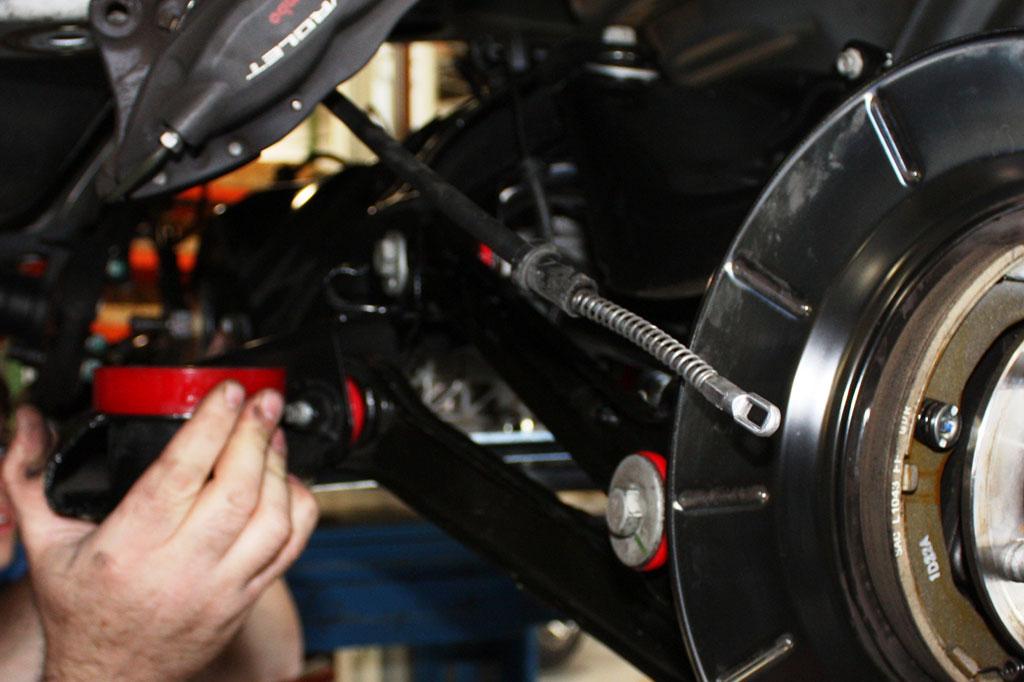
  2. PTFE-Lined Metal Bushings: These consist of a metal shell (usually steel or aluminum) lined with a thin layer of PTFE. The metal provides structural strength, while the PTFE lining offers self-lubrication and wear resistance. This design is common in control arms and sway bar bushings.

Benefits of Using PTFE Bushings in Suspension Systems

  1. Reduced Maintenance: Self-lubricating PTFE bushings eliminate the need for regular greasing, which is especially beneficial for sealed or hard-to-reach suspension components.
  2. Improved Ride Comfort and Handling: PTFE bushings minimize friction and eliminate stiction, enabling smoother and more responsive suspension movement. This leads to better vehicle handling and smoother rides.
  3. Enhanced Durability: Resistant to wear, chemicals, and temperature extremes, PTFE bushings last longer than rubber or polyurethane alternatives, reducing replacement frequency and costs.
  4. Noise Reduction: By maintaining consistent, low-friction movement, PTFE bushings reduce squeaks and rattles commonly caused by worn or dry bushings.
  5. Corrosion Resistance: PTFE’s chemical inertness shields bushings from corrosion due to road salt, moisture, and other contaminants.

Challenges and Considerations

While PTFE bushings offer many advantages, there are considerations when integrating them into suspension systems:

  • Cost: PTFE bushings tend to be more expensive upfront than traditional rubber bushings, though their longer service life can offset initial costs.
  • Load and Design Limits: Pure PTFE has limited load-bearing capacity, so proper composite formulation or metal reinforcement is critical to meet suspension demands.
  • Stiffness and Compliance: PTFE bushings are often stiffer than rubber, which may transmit more road noise and vibration unless carefully engineered for specific suspension designs.

Applications in Automotive Suspension

Self-lubricating PTFE bushings are increasingly used in various suspension components:

  • Control Arm Bushings: Allowing smooth pivoting of the control arm for better wheel alignment and handling.
  • Sway Bar Bushings: Providing low-friction rotation to improve vehicle stability during cornering.
  • Trailing Arm Bushings: Absorbing lateral and longitudinal forces while reducing friction.
  • Shock Absorber Mounts: Enhancing durability and reducing noise in shock absorber connections.

Future Trends

With the rise of electric vehicles (EVs) and advanced driver assistance systems (ADAS), suspension systems demand higher precision, durability, and reduced maintenance. Often combined with advanced composites and coatings, PTFE bushings are engineered to meet the demands of modern suspension systems.

Additionally, ongoing research into nano-fillers and hybrid materials aims to further improve PTFE bushings’ strength, wear resistance, and environmental sustainability, supporting the automotive industry’s move towards greener and longer-lasting components.

Taking care of a commercial truck is not just about making sure that it runs. You also want it to stay good to drive, safe, and keep its value over the years. When you use a full-service truck dealership for regular check-ups and work, you know your trucks get help from people who know what they are doing. They use the right parts and follow the right steps. Doing regular work on your trucks can help them last more years. Over time, this means you can save cash and your trucks are off the road.

Better-qualityPresentation and Fuel Efficiency

Taking care of a truck regularly can make a big change in how it works. If you save the engine in good condition, it will work well. This can help the truck use less fuel and give stable power when you want it.

  • Cleaning filters and changing oil when you should help your engine work better.
  • Having the right tire pressure can help your car use less gas.
  • Checking your car’s organization that changes workings often stops power problems and helps you shift gears the right way.

Undertaking regular check-ups helps to clear the problems early. This lets the business run well and make more money.

Extended Lifespan and Asset Protection

Buying commercial trucks can cost a lot of money. So, you need to take good care of them. If you get regular check-ups at a trusted truck dealership, your trucks stay in good shape. This also protects the money that you spend on them.

  • Stops engine and part wear before it starts too soon
  • Keeps resale value high by making sure all records are kept
  • Lowers the chance of big repairs that happen when parts do not get care

Fleets that get regular care often run well for more years. This helps delay the need to buy new and expensive ones.

Comprehensive Services Under One Roof

A full dealership makes it easy to look after your car. You get everything you need in one place. This helps you save time. You do not have to talk to many other shops. It is good for you because it is simple and fast. You can just go to them for what you need.

Service TypeDescription
Protective MaintenancePlanned inspections and minor tune-ups
DiagnosticsDigital scanning for engine or system issues
RepairsBrake, suspension, electrical, engine work
Parts ReplacementOEM-certified parts installed on-site

Working with a full truck dealership for regular work on your trucks can give you many real benefits. You will get better performance and have trucks that last longer. You also feel safe knowing that all your needs are handled in one place. This helps your daily work go smoother and is good for your money over time. If you have a group of trucks, keeping them working well is not just something you should do. It is a smart way to help your business grow as time goes on.

Taking good care of your car will keep it safe, running well, and lasting a long time. A lot of people who own cars have to choose whether to fix them themselves or hire pros. Repairing your automobile yourself may seem like a wonderful way to save money and time, but there are risks that can affect your wallet and car. How fixing your automobile yourself vs. hiring a pro can help you make good choices and protect your investment.

Weighing DIY Repairs Against Professional Auto Services
Find out the benefits and cons of fixing things yourself and hiring professionals. This will affect how well your car runs and how much they cost.

The Appeal of DIY Auto Repairs
DIY and cost-saving car maintenance are common. With the right tools, you can change oil, air filters, and brake pads. Fixing tiny issues yourself saves time and money.
There are limits to what you can fix yourself. Without adequate training, even a tiny mistake can damage people or break machines. Things that were thought to be problems can get worse over time, which can mean that fixes cost a lot more than the money that was saved at first.

Advantages of Professional Auto Services
Repair shops have the information, skills, and tools for Auto Repair in Laurel, MD that most people don’t have when they try to fix their own things. Certified mechanics know how to work on all the difficult parts of a car, from the technology inside to fixing the transmission and figuring out what’s wrong with the engine.

Professional services do more than just fix things right.
Access to Specialized Tools: Many new cars need tools that you can’t get at home.

Warranty and Reliability: Good warranties cover both parts and service, so your buy is safe.
Time Efficiency: You’ll save time because skilled repairs are faster and more accurate than most jobs you can do yourself.
Professionals should be the ones to take care of European or expensive cars because they have complicated engines and systems that can break down easily.

When DIY Repairs Make Sense
DIY repairs work best for modest projects with clear instructions and little dangers. Simple maintenance like fluid refills, battery replacement, and wiper blade replacement are safe at home. Following product safety guidelines is sometimes essential.

Conclusion
Your skill, tools, car, and risk tolerance determine whether you fix your car yourself or pay a pro. While minor repairs are inexpensive, a professional will be more experienced and accurate at more intricate ones. Balance the two to keep your car safe, running well, and maintained on a budget. The same family has owned Thoroughbred Auto Care in Laurel, MD for over 30 years. They have helped people with their cars. We offer a national warranty on most services for 36 months or 36,000 miles after we fix your car. There are 16,000 places across the country that will fulfill this warranty.

If you’ve ever experienced a car struggling to turn over, you know how frustrating it can be. When you turn the key or push the start button, and the engine hesitates or fails to start smoothly, it indicates an underlying issue that needs attention. Understanding the common causes behind this problem can help you diagnose it or know when to seek professional help.

Battery Problems: The Usual Suspect

One of the most frequent reasons a car struggling to turn over is a weak or dead battery. Batteries lose their charge over time or can be drained by leaving lights on or through cold weather conditions. Corroded or loose battery terminals can also prevent the electrical current from reaching the starter.

If your car shows signs like dim lights, clicking noises, or slow cranking, it’s likely your battery is the culprit. In many cases, jump-starting the vehicle or replacing the battery can solve the issue quickly.

Faulty Starter Motor or Ignition Switch

If the battery is healthy, the problem may lie in the starter motor or ignition switch. The starter motor is responsible for turning the engine over when you start the car. Over time, it can wear out or develop electrical faults. Similarly, a malfunctioning ignition switch might fail to send the proper signal to the starter.

Symptoms include a clicking noise without the engine turning or the car not responding at all when you try to start it. A mechanic can diagnose and replace faulty components to restore normal function.

Fuel System Issues

Sometimes, a car struggling to turn over is caused by problems with the fuel system. If the engine isn’t getting enough fuel, it won’t start or may hesitate. Common fuel-related issues include clogged fuel filters, a failing fuel pump, or empty fuel tanks.

If your car cranks but doesn’t start, or if it starts but runs poorly, it’s wise to check the fuel supply and related components.

Engine Mechanical Problems

Less common but more serious are mechanical problems inside the engine, such as a broken timing belt or seized engine components. These issues can prevent the engine from turning over entirely and require immediate professional attention.

When to See a Professional

If you encounter a car struggling to turn over and simple fixes like jump-starting don’t work, it’s best to consult an experienced automotive technician. Early diagnosis and repair can prevent further damage and save you from costly repairs down the line.

Summer requires additional care for your European car. Long drives, hot weather, and city traffic can damage your automobile. While things may seem alright, tiny issues can easily escalate when it gets heated. It’s necessary to maintain your automobile at different times of year, especially precise European models. Checking it often will keep your engine cool, ride smooth, and automobile on the road. Some clever summer ideas can make a great difference for BMW, Audi, Volkswagen, or Mercedes-Benz drivers. Before you drive this summer, check your automobile for summer.

Importance of Summer Tips

In hot weather, European automobiles require aid despite their amazing performance. You can keep your automobile safe and functioning properly in the summer by doing a few things.

Air Conditioning Checkup

Driving in the heat is terrible without AC. You might not receive enough cold air even with AC. There may be low amounts of refrigerant, filters that are becoming worse, and little leaks. These problems might make your air conditioner stop working when you need it the most. Make sure the system is ready for summer it will make driving more pleasant, especially on lengthy trips or in traffic.

Tire Inspections

Tire air pressure rises with warmer temperatures. If you don’t correct this, the tires might overfill and blow out. However, long travels and hot roads damage tires faster Check tire pressure and tread depth regularly for safety and automobile performance. Repair old tires before summer vacations. For further preparedness, inspect your spare tire.

Coolant System Checks

Hot weather is a leading cause of automobile breakdowns in summer. Your cooling system helps prevent this. The radiator removes engine heat to keep things cool. Low, old, or leaking coolant doesn’t work properly. This is harmful since heat damages engines in European automobiles more often. Check coolant levels and line cracks. It may be necessary to clean the coolant completely after a time. The majority of European Auto Repair in Denver, CO can handle this fast and detect issues early.

Oil Change

In hot weather, engine oil breaks down and thins faster if your car is working hard. Clean oil reduces heat and friction, making engine parts move easily. Dirty or old oil doesn’t protect your engine as effectively, so it runs out faster. European engines that require specific oils must follow the plan even more. If you haven’t changed your oil recently or are going on a lengthy journey, now is the time.

Conclusion

Your European car will be alright if you take the necessary measures in the summer, though. A good cooling system, examined tires, working air conditioner, and new oil helps keep your automobile safe in the heat. Small changes like this take no time but improve automobile performance and longevity. Don’t wait until anything breaks to maintain your automobile before it gets too hot. With The Import Mechanics, you can enjoy every summer mile stress-free.

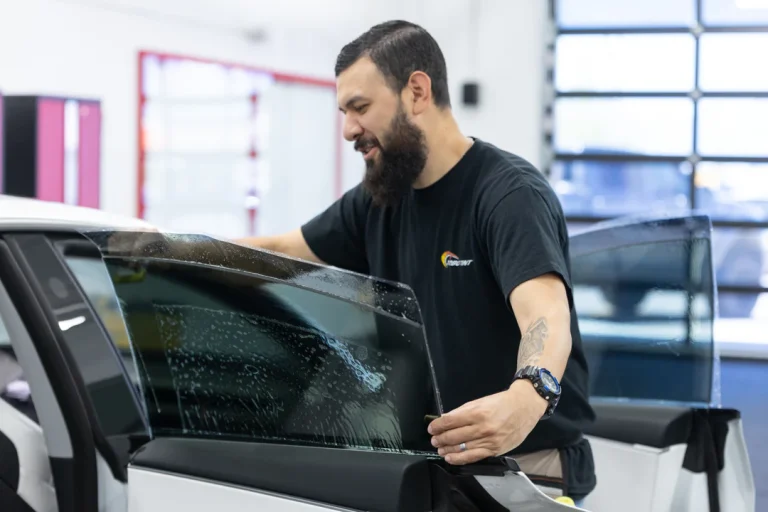
Ceramic Coating represents more than just another car care product—it’s a fundamental shift in how we protect our most valuable mobile assets. In a world where our vehicles face relentless assault from environmental hazards, this innovative protection technology stands as the definitive barrier between pristine paintwork and inevitable deterioration.

What Makes Ceramic Protection Revolutionary?

The science behind ceramic protection coating reveals a story of molecular engineering that would astound even the most sceptical motorist. Unlike traditional waxes that merely sit atop your vehicle’s surface, ceramic coating solutions form permanent chemical bonds with the paintwork itself. As one Singapore-based protection specialist notes, “Ceramic coating will not only make your car shiny but it also provides optimal protection against scratches, bird droppings, dust, dirt build-up, weathering, rain stain, premature ageing and oxidation, and Harmful UV rays.”

This isn’t marketing hyperbole—it’s measurable reality. The molecular structure creates what industry professionals term a “glass-like hardened shield” that fundamentally alters how contaminants interact with your vehicle’s surface.

The Hidden Cost of Neglecting Paint Protection

Consider this sobering reality: without proper protection, your car’s paintwork suffers microscopic damage every single day. UV radiation slowly breaks down paint molecules, whilst acidic contaminants etch permanent scars into the surface. Bird droppings, tree sap, and industrial fallout don’t simply wash away—they bond chemically with unprotected paint, creating stains that require expensive correction.

The mathematics is stark. A full respray typically costs thousands of pounds, whilst preventative ceramic protection costs a fraction of that amount. Yet beyond mere economics lies something more profound: the preservation of your vehicle’s authentic character and value.

Understanding Ceramic Coating Technology

The transformation occurs at the molecular level. Professional-grade ceramic coatings utilise silicon dioxide (SiO2) compounds that create a transparent, ultra-hard protective layer. This barrier possesses several remarkable properties:

  • 9H Pencil Hardness: Certified laboratory testing confirms exceptional scratch resistance
  • Hydrophobic Performance: Water beads and rolls off effortlessly, carrying contaminants away
  • Chemical Resistance: Acidic substances cannot penetrate the protective barrier
  • UV Protection: Prevents paint oxidation and colour fading
  • Enhanced Gloss: Creates a deep, mirror-like finish that amplifies your car’s natural beauty

Singapore’s leading automotive protection specialists have documented impressive results. “ZeTough 9H Car Paint Protection is officially lab-tested and certified by SGS Singapore,” proving these aren’t empty promises but verifiable performance standards.

The Application Process: Precision Matters

Professional application transforms liquid ceramic compounds into permanent protection. The process demands meticulous attention to detail—every surface must be perfectly clean, and environmental conditions precisely controlled. As industry experts explain, “Unlike the typical wax, sealant or glass coating, the nano-ceramic coating is a protective layer that is thicker and more durable than most paint protection products.”

The curing process is equally critical. Many coatings require 24-hour hardening periods, during which the molecular bonds strengthen and achieve maximum durability. This patience pays dividends: properly applied ceramic protection can last five years or more with minimal maintenance.

Comparing Protection Options

Traditional car care products pale beside ceramic coating performance:

  • Car Wax: Lasts 1-3 months, offers minimal protection, requires frequent reapplication
  • Paint Sealants: Last 6-8 months, moderate protection, susceptible to harsh weather
  • Ceramic Coatings: Last 3-7 years, maximum protection, permanent chemical bonding

The choice becomes obvious when you consider long-term value and convenience.

Maintenance: Simplicity by Design

Perhaps the most compelling benefit lies in dramatically simplified maintenance. Protected vehicles stay cleaner longer and wash more easily. “Thanks to the chemical bonding and creation of a new layer, the original paintwork of your car remains untouched.” This means routine washing preserves the coating whilst protecting your investment underneath.

Weekly rinses often suffice where daily cleaning was once necessary. Contaminants simply cannot bond with the slick, sealed surface, transforming car care from chore to pleasure.

Investment Considerations

Quality ceramic coating requires substantial initial investment, but the economics favour protection over neglect. Consider these factors when evaluating options:

  • Vehicle size and complexity affect application costs
  • Preparation requirements may include paint correction
  • Warranty coverage protects your investment long-term
  • Professional expertise ensures optimal results

As Singapore protection specialists observe, “For many car owners, the ceramic coating price in Singapore is justified by the extended protection, reduced maintenance, and glossy finish it provides.”

Environmental Benefits

Beyond personal advantages, ceramic protection delivers environmental benefits. Reduced washing frequency conserves water, whilst eliminating wax applications prevents chemical runoff. The longevity of ceramic coatings also reduces packaging waste compared to frequently replaced traditional products.

The Future of Vehicle Protection

Ceramic coating technology continues advancing rapidly. New formulations promise even greater durability, self-healing properties, and enhanced performance characteristics. What remains constant is the fundamental truth: protection always costs less than restoration.

Your vehicle represents a significant investment in mobility, convenience, and personal expression. Ceramic coating ensures that the investment retains its value whilst delivering years of effortless maintenance and stunning appearance.

Don’t let time and environment slowly destroy what you’ve worked to obtain. Investigate professional ceramic protection services and discover why millions of motorists worldwide trust ceramic coating technology to preserve their automotive investments. Whether you’re seeking the ultimate protection for a cherished classic or practical defence for daily transport, there’s never been a better time to explore Ceramic Coating for sale.