
Category

Auto

Category

Any company that runs its operations using cars and equipment has to be careful about its maintenance plan, especially when it comes to important parts like timing belts. For engines to operate as efficiently as possible, the camshaft and crankshaft must rotate in unison, which is ensured by a timing belt. A timing belt failure may have a substantial negative impact on company operations, leading to lost revenue and considerable downtime. Maintaining operational continuity requires an understanding of these effects and how to reduce them.

The Effects of Timing Belt Breakdown

Particularly with interference engines, where a timing belt failure might send pistons crashing into valves, an abrupt timing belt failure can result in catastrophic engine damage. This malfunction may need costly repairs or even an engine replacement altogether. A single broken car may cause operations to stop, deliveries to be delayed, customer satisfaction to suffer, and eventually have an adverse effect on the bottom line for enterprises that rely on their vehicles or equipment, such as manufacturing or transportation firms. Choosing the Auto Repair in Flushing, MI based service is the right idea in this case.

The Financial Impact and Operational Disruptions

The loss of productivity is the immediate operational interruption caused by a timing belt failure. It is possible for equipment or vehicles to become unusable, which might cause production schedules to be delayed, deadlines to be missed, and unforeseen repair costs to arise. Indirect expenses that firms may face can include diminished customer confidence, higher labor costs for staff members who oversee repairs or arrange substitute solutions, and possible fines for failing to fulfill contractual commitments. Timely maintenance is crucial since the cumulative impact of these interruptions may seriously damage a company’s profit margins.

Identifying Warning Indications

Businesses must recognize the warning indications of a timing belt failure in order to reduce the chance of one. Unusual engine sounds, especially a high-pitched screeching or pounding sound, and engine misfires are common signs. Another standard operating practice should be regularly scheduled inspections, particularly if the equipment or vehicles are used heavily. Avoiding unanticipated failures requires timely replacements based on manufacturer guidelines or mileage milestones. Establishing a comprehensive preventative maintenance program will help organizations reduce the chance of timing belt failure causing disruptions.

Putting Efficacious Maintenance Techniques into Practice

Timing belt failure risk may be considerably decreased by fostering a culture of proactive maintenance. Regular maintenance on all equipment and cars is an essential tactic. Early warning indicators of wear and tear, such as noticeable fraying or slack in the timing belt, should be recognized by technicians via training. It’s also crucial to keep a service record with exact dates for replacements and repairs. To achieve optimal dependability, organizations should replace their belts with high-quality components in addition to periodic checkups. Creating alliances with reputable vehicle repair companies that can supply prompt maintenance and replacements will help improve overall operational effectiveness.

In an era where environmental sustainability and economic efficiency are increasingly paramount, understanding the scrap value of your vehicle is more important than ever. The scrap value represents the monetary worth of a car when it reaches the end of its life cycle, factoring in its materials and components that can be recycled or repurposed. Many vehicle owners overlook this crucial aspect, often viewing their cars solely as depreciating assets. However, recognizing the potential financial return from scrapping a vehicle can influence decisions concerning maintenance, repairs, and even the timing of a sale. Beyond financial implications, there are also significant ecological benefits to consider; recycling automotive materials helps reduce landfill waste and conserves natural resources. By caring about your car’s scrap value, you not only make informed choices that can enhance your financial standing but also contribute positively to environmental sustainability. This article delves into the factors that determine scrap value, the process of scrapping a vehicle, and the broader implications of recycling in the automotive industry, illustrating why being aware of your car’s scrap value is a savvy and responsible consideration for every car owner.

Understanding car scrap value benefits resale opportunities in Singapore’s competitive automotive market

In Singapore’s competitive automotive market, grasping the concept of car scrap value can significantly enhance resale opportunities for vehicle owners. The scrap value of a car is determined by various factors, including the make, model, age, and condition of the vehicle, as well as the current demand for scrap materials. Understanding these elements enables owners to make informed decisions regarding their vehicle’s end-of-life options, whether they choose to trade it in, sell it privately, or scrap it for parts. This knowledge not only maximizes financial returns but also aligns with the government’s push for sustainable practices through the Vehicle End-of-Life Scheme, which incentivizes the scrapping of old vehicles while supporting the recycling of materials.

Moreover, recognizing the potential scrap value of a car can be a strategic advantage for sellers in navigating the intricacies of Singapore’s automotive landscape. As consumers increasingly seek environmentally responsible options, having a clear understanding of the scrap value can bolster a vehicle’s marketability. Sellers can effectively communicate the benefits of their vehicles’ remaining life cycles, such as their potential for refurbishment or recycling, thus appealing to a broader audience. This strategic awareness not only enhances the financial outcome of selling a vehicle but also contributes to a more sustainable automotive ecosystem in Singapore.

The scrap value of your car can significantly impact your overall vehicle ownership costs

The scrap value of a car plays a crucial role in shaping the overall costs associated with vehicle ownership. In Singapore, where car ownership comes with substantial financial commitments such as taxes, insurance, and maintenance, the potential return from the car’s scrap value can mitigate some of these expenses. By factoring in this residual value, owners can better assess their vehicle’s total cost of ownership, helping them to make more strategic decisions about upgrades or replacements. When the time comes to dispose of a vehicle, understanding its scrap value can lead to a more favorable financial outcome, effectively recouping some of the costs incurred during its useful life.

Additionally, the fluctuating nature of scrap metal prices can directly influence the scrap value of a car, thereby impacting the financial calculations of ownership. For instance, a higher scrap value during vehicle disposal can alleviate the burden of depreciation, which is a significant concern for many owners. This underscores the importance of staying informed about market trends and the condition of the vehicle over time. By doing so, vehicle owners in Singapore can optimize their financial strategy, ensuring that they capitalize on the scrap value of their car when it reaches the end of its operational life.

Maximizing your car’s scrap value ensures you receive fair compensation when retiring your vehicle

Maximizing your car’s scrap value is essential for ensuring that vehicle owners in Singapore receive fair compensation at the end of their car’s life cycle. The scrap value of a car is determined by various factors, including its age, condition, and the current market demand for scrap metals. By taking proactive steps to maintain the vehicle and keep it in good condition, owners can significantly enhance its scrap value. This not only requires attention to minor repairs but also involves keeping the vehicle’s documentation in order and considering the timing of disposal based on market conditions.

Furthermore, engaging with reputable scrap dealers who provide transparent evaluations can lead to better offers. Understanding the components that contribute to the scrap value of a car, such as valuable metals and parts, empowers owners to negotiate effectively. In a competitive market like Singapore, where regulations and environmental considerations are increasingly relevant, being informed about the scrap value of your car can pave the way for a smoother and more profitable retirement process for the vehicle.

In conclusion, understanding your car’s scrap value is essential for anyone navigating the Singapore car market. With the country’s unique regulations and growing emphasis on sustainability, knowing the potential worth of your vehicle at the end of its life can significantly influence your financial decisions. Whether you’re considering upgrading to a newer model or simply looking to dispose of an aging vehicle, being informed about scrap value not only helps you maximize your returns but also aligns with environmentally responsible practices. As Singapore continues to evolve towards a greener automotive landscape, recognizing the importance of scrap value will empower car owners to make informed choices that benefit both their wallets and the planet.


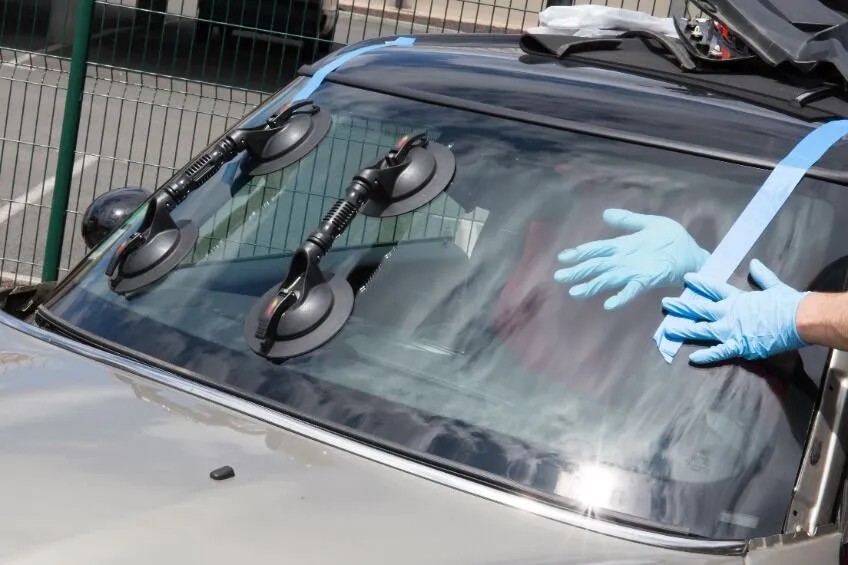
In today’s vehicles, Advanced Driver Assistance Systems (ADAS) play a critical role in ensuring safety on the road. These systems rely on various sensors and cameras to assist drivers with tasks like lane keeping, adaptive cruise control, and automatic emergency braking. However, when it comes to maintaining the functionality of these systems, one crucial aspect is often overlooked: ADAS calibration after windshield replacement.

What is ADAS Calibration?

ADAS calibration is the process of ensuring that the sensors and cameras in your vehicle’s driver assistance systems are accurately aligned and functioning correctly. These systems are typically mounted on the windshield or near it, meaning that any replacement or repair work on the auto glass can impact their performance. Without proper calibration, the accuracy of these systems may be compromised, potentially putting your safety at risk.

Why is ADAS Calibration Necessary?

  1. Precision in Safety Features: ADAS systems rely on precise measurements and alignment to function correctly. For example, if your vehicle’s lane-keeping assist system is not calibrated properly, it may fail to alert you if you drift out of your lane, or it may provide incorrect warnings. Calibration ensures that these systems work as intended, keeping you and your passengers safe.
  2. Impact of Windshield Replacement: When a windshield is replaced, it can affect the positioning and alignment of the sensors and cameras mounted on or near it. Even minor deviations can lead to inaccurate readings and system malfunctions. Therefore, it is essential to perform ADAS calibration after a windshield replacement to ensure that the systems are correctly aligned and functioning.
  3. Avoiding Costly Repairs: If ADAS calibration is not performed, you might face issues down the road, such as malfunctioning safety features or even potential accidents. Addressing these problems early through proper calibration can save you from more expensive repairs and ensure your vehicle operates safely.

The Calibration Process

ADAS calibration involves several steps, including:

  • Diagnostic Scanning: Technicians use specialized equipment to scan your vehicle and determine the current status of the ADAS systems.
  • Sensor Adjustment: The sensors and cameras are adjusted to the correct positions according to the manufacturer’s specifications.
  • Test Drives: To ensure accuracy, the vehicle is often taken for test drives to verify that the ADAS systems are functioning correctly.

When Should You Get ADAS Calibration?

ADAS calibration should be performed after any auto glass service, especially if the windshield or other critical components related to the sensors and cameras are replaced or repaired. Even if you don’t notice any issues immediately, it’s crucial to have the calibration done to prevent potential problems in the future.

If you’ve recently had your windshield replaced or repaired, it’s a good idea to schedule an ADAS calibration service as soon as possible. For those in Mesa, AZ, you might consider reaching out to a professional service to ensure that your vehicle’s ADAS systems are properly calibrated. For instance, if you need to get your windshield replace in Mesa, don’t forget to book a calibration service as well.

Conclusion

ADAS calibration is a vital step in maintaining the effectiveness of your vehicle’s advanced safety systems. By ensuring that these systems are accurately aligned and functioning, you are taking an essential step toward safeguarding your vehicle’s performance and your own safety. So, the next time you have auto glass service performed, make sure ADAS calibration is on your checklist. Your safety and peace of mind are well worth the extra effort.

An essential part of a car’s transmission system is the transmission fluid. It performs many vital tasks, including as cooling the transmission, lubricating the moving components, and supplying the hydraulic pressure required for seamless gear shifts. The fluid’s amount and quality may have a big impact on how well the car runs in general. Insufficient, soiled, or polluted transmission fluid may cause a number of issues, such as irregular gear changes, overheating, and in extreme situations, transmission failure. Your car’s durability and efficiency depend on regular transmission fluid inspections and maintenance.

The Effect on Changes in Gear

For smooth gear changes, a vehicle’s transmission system significantly depends on the hydraulic characteristics of the transmission fluid. The transmission fluid assists in controlling the pressure needed to engage and disengage different components when you shift gears. A deteriorated or improperly leveled fluid might cause sliding, hesitancy, or jerking while changing gears. Gear changes must be seamless for the car to run smoothly and to be comfortable for the driver. A well-lubricated gearbox makes driving more enjoyable by operating with more confidence and quietness.

Indications of Transmission Fluid Problems

There are many warning indicators that drivers should be aware of that point to a possible transmission fluid issue. Odors of burned rubber, black, grainy fluid, or a discernible lag in gear changes may all be indicators that the fluid is past its best. In addition, your transmission fluid can be dirty or inadequate if you hear grinding sounds or have delays while engaging gears. Frequent transmission fluid inspections may aid in the early detection of these problems, averting future damage and expensive repairs. In the long term, drivers who are aware of these indicators may save money, time, and hassles. This task is done perfectly by the Auto Repair in Boulder, CO.

The Function of Expert Witnesses

Although many automobile owners can check the levels of transmission fluid on their own, expert evaluations are essential for complete upkeep. Automotive specialists are able to carry out a comprehensive examination, examining not just the fluid levels but also the condition of the fluid and any associated gearbox parts. With the use of specific techniques and equipment, experts can spot problems that a casual examination would miss. In addition, they may advise you on the need of a fluid change or flush depending on the state of the car and the manufacturer’s recommendations. Getting the car serviced by a qualified technician will guarantee that any possible issues are found quickly and fixed.

Conclusion

To sum up, transmission fluid inspections are essential for guaranteeing seamless gear changes and preserving the general integrity of a car’s transmission system. In addition to improving the driving experience, frequent fluid changes, expert inspections, and checks guard against expensive repairs and protracted breakdowns.


When it comes to vehicle maintenance, windshield replacement and car window replacement are crucial aspects that many car owners overlook. These services are not just about aesthetics; they play a vital role in your safety. So, how do you choose a reliable vehicle glass service? Let’s explore the key factors to consider.

Quality of Materials

The first thing to look for is the quality of materials used in the replacement process. Reliable services often use OEM (Original Equipment Manufacturer) glass. This type of glass matches the original specifications of your vehicle. It ensures optimal performance and safety. Some companies might cut corners and use cheaper alternatives. This can lead to issues like poor visibility and reduced structural integrity. Always ask about the materials they use. A trustworthy service will gladly provide this information.

Expertise in Car Window Replacement

Seeking expertise in car window replacement is crucial when looking for a reliable vehicle glass service because experienced professionals have the skills and knowledge to ensure a proper and safe installation.

High-quality glass replacement requires specific techniques and tools to avoid issues like leaks, wind noise, or structural weaknesses, which can compromise safety. Experts can also accurately assess the type of glass needed for your vehicle, including any necessary features like tinting or heating elements.

Customer Reviews and Testimonials

Customer reviews are another essential factor to consider. In the age of technology, finding feedback is easier than ever. Websites, social media platforms, and review sites provide insights into the experiences of other customers. Look for patterns in the reviews. Consistently high ratings can indicate reliability. On the other hand, if you notice recurring complaints about service quality or delays, that should raise a red flag. For example, a service that has multiple complaints about long wait times for car window replacement might not be the best choice. Always trust the experiences of others to guide your decision.

Insurance Partnerships

Insurance coverage is often overlooked in the decision-making process. Many vehicle glass services work closely with insurance companies. If you have insurance that covers glass replacement, this can save you a significant amount of money. A reliable service will help you navigate the insurance process smoothly. They can assist with paperwork and ensure you receive the coverage you deserve. Always ask if they work with your insurance provider. It could simplify the entire experience.

Warranty in Windshield Replacement

Finally, look for warranties and aftercare services. A trustworthy vehicle glass service should offer a warranty on their work. This warranty can range from a few months to several years, depending on the service. It shows that the company stands behind their workmanship. Additionally, inquire about aftercare. Some services offer follow-up checks after installation. This is crucial, especially for windshield replacement, as it ensures everything is holding up as it should. Knowing that you have support after the service can give you peace of mind.

Conclusion

Choosing a reliable vehicle glass service for windshield replacement or car window replacement requires careful consideration. Pay attention to the quality of materials used, the expertise of technicians, customer reviews, insurance partnerships, and warranty offerings. Taking the time to research will pay off in the long run. Your safety on the road depends on the integrity of your vehicle’s glass. When you find a service that checks all these boxes, you can drive with confidence, knowing you’ve made the right choice.

When you’re ready to part with your old, rusty vehicle, understanding who might be interested in buying a junk car can help you find the best buyer and get the most value. Junk cars, often deemed non-operational or beyond economical repair, attract a variety of who buys junk cars, each with different motivations and needs.

Scrap Yards and Salvage Dealers

Though, who buys junk cars, one of the primary buyers of junk cars are scrap yards and salvage dealers. These businesses specialize in purchasing vehicles for their metal and parts. Scrap yards extract valuable metals such as steel, aluminum, and copper, which can be recycled and sold. Salvage dealers, on the other hand, focus on salvaging usable parts from the car, which they then sell individually. If your car is in poor condition but still has some salvageable components, these buyers can offer a quick sale and immediate cash.

Auto Recyclers

Auto recyclers are like scrap yards but often provide a more environmentally friendly approach to handling junk cars. They dismantle the vehicle and recycle various parts, fluids, and materials, ensuring minimal environmental impact. Auto recyclers are interested in vehicles that can still be parted out for resale or stripped for recycling. They typically offer a fair price based on the vehicle‘s condition and the market value of its parts.

Used Car Dealers

Some used car dealers are interested in junk cars, particularly those that have potential value in terms of parts or as a restoration project. These dealers might purchase junk cars if they believe the vehicle can be refurbished or if they can strip it for components that are in demand. They often evaluate the car’s condition thoroughly to determine if it’s worth the investment.

Individual Buyers and Enthusiasts

Car enthusiasts and individual buyers sometimes seek out junk cars for restoration projects or for parts that are difficult to find. Classic car enthusiasts, for example, may look for older models that they can restore to their former glory. Similarly, individuals with specific needs might purchase junk cars to acquire rare or hard-to-find parts.


By upgrading your automotive audio system, you may significantly improve your driving experience and turn routine commutes into engrossing auditoriums. A high-quality audio system enhances your enjoyment of music, podcasts, and radio programs in addition to providing crisper sound. From high-fidelity sound reproduction to sophisticated connectivity possibilities, modern automotive audio systems provide a variety of capabilities. Understanding the main parts of an automobile audio system, the head unit, speakers, amplifiers, and subwoofers is crucial before you begin. Every element is essential to providing a comprehensive audio experience.

Selecting the Proper Elements

Choosing the correct components is essential when updating your car audio system. The core of your entertainment system is the head unit, sometimes known as the car stereo. It manages every facet of your audio experience, including the connectivity to several media sources, such as USB drives and smartphones. Transitioning to a head unit equipped with cutting-edge capabilities like touchscreen controls and Bluetooth connectivity can greatly improve usability and convenience.

Another crucial component of any audio update are the speakers. Good speakers are essential for an enhanced listening experience since they can lessen distortion and increase sound clarity. To achieve more accurate sound, think about purchasing component speakers, which divide the tweeters and woofers. A subwoofer can also improve low-frequency sounds, making the audio experience richer and more expansive.

Expert Installation

Installing a new audio system might be difficult for many drivers. Getting expert help, like Auto Repair in Salt Lake City, UT, will guarantee that your audio system is set up properly and operates at peak efficiency. The complexities of installing automotive audio systems, from wiring and mounting to calibrating the system for best performance, are best left to skilled professionals. To prevent problems down the road and guarantee that your enhanced audio system investment yields the intended outcomes, proper installation is essential.

Updating and Maintaining Your System

To ensure that your freshly installed audio system continues to function reliably and to extend its lifespan, it is essential to perform routine maintenance on it. The accumulation of dust can have a negative impact on the quality of the sound, so it is important to clean the components and check the connections on a regular basis. It is imperative that you ensure that any firmware or software upgrades for your head unit are updated in order to ensure that your system continues to function without any difficulty.

Conclusion

Investing in an upgraded automobile audio system can greatly increase your driving enjoyment and is a wise decision. Your time spent driving can be transformed by a great sound system that you can get by carefully choosing high-quality parts and guaranteeing skilled installation. With regular maintenance, you may enjoy years of crystal-clear audio and cutting-edge features on your system. Enjoy the pleasure of a new audio system and transform every trip into an auditory journey.


While it is technically possible to wax paint Protection film, this is not a recommended practice since it could have a consequence that will affect the performance of the film. Waxing paint protection film may lead to discoloration and cloudiness over time. With the introduction of coatings and paint protection technology, traditional carnauba sealants are much less frequently used, as these waxes and sealants break down far faster than Ceramic coatings. Wax can pile up on the edges of the film as well, sometimes creating a visible white line. For further protection of the underlying paint and to help maintain further clarity, this film should be cleaned using a dedicated film cleaner or a detail spray.

Alternatively, we suggest that one of our ceramic coating packages be applied to the paint protection film for optimal protection and longevity. This will create a strong hydrophobic layer on top of the paint protection film to extend its clarity and life expectancy. Some of the benefits you’ll notice with a coating versus wax on PPF are as follows:

Durability: Ceramic coatings are highly more durable than waxes and can last several years where waxes would have to be reapplied within a few months.

Hydrophobic Properties: Ceramic coatings provide a hydrophobic barrier, warding off water and grime from the vehicle’s paint and hence making its cleaning and maintenance easy.

UV Protection: It offers additional protection against the sun’s harmful UV rays due to which the paint fades or discolors.

High gloss: Ceramic coatings give a high gloss to the paint that will last much longer compared to wax.

Chemical resistance: Ceramic coatings have better resistance to harsh chemicals and detergents, which may be detrimental to the paint after some time.

Temperature resistance: The ceramic coating gives better temperature resistance and intense weather conditions compared to wax.

Knowing that ceramic coating can be applied to paint protection film and factory paint, this is worth noting. While PPF includes protective features on its own, the hydrophobic properties can be much better enhanced with ceramic coating, thus making the film very resistant to water spots or staining. Additionally, this would add a high gloss finish to the film, leaving it shining.

This post was written by a professional at M Tint. M Tint is your ultimate destination for professional paint protection film Northridge CA. With over 20 years of unparalleled expertise in the industry, we have established ourselves as the go-to specialists for all your window tinting needs. At the heart of our company is Marcos, our esteemed owner, who has dedicated his career to mastering the art and science of window tinting. Under his leadership, M Tint has grown into a reputable and trusted name, synonymous with quality, precision, and customer satisfaction.


Human Resources (HR) is an ever-evolving field, constantly adapting to new laws, technologies, and workplace dynamics. To keep pace, HR professionals must continually upgrade their skills and knowledge. One emerging area is HR driving courses—specialized training programs designed to enhance the HR professionals’ ability to drive organizational performance, foster a positive work culture, and ensure legal compliance. This article explores the significance, benefits, and various types of HR driving courses available today.

The Importance of HR Driving Courses

Enhancing Leadership Skills

HR professionals often take on leadership roles within their organizations, guiding teams and setting the tone for company culture. Driving courses in HR focus on developing critical leadership skills such as effective communication, conflict resolution, and strategic thinking. These skills enable HR leaders to inspire their teams, manage change, and drive the company towards its goals.

Ensuring Legal Compliance

One of the core responsibilities of HR is to ensure that the organization complies with labor laws and regulations. HR driving courses offer in-depth knowledge of employment laws, health and safety regulations, and other legal requirements. This training helps HR professionals mitigate risks, avoid legal pitfalls, and create a safe, compliant workplace.

Promoting Employee Engagement

Employee engagement is crucial for productivity and retention. HR driving courses equip professionals with strategies to foster engagement through effective performance management, recognition programs, and employee development initiatives. These courses emphasize the importance of understanding employee needs and creating a supportive work environment.

Types of HR Driving Courses

Leadership and Management Training

Leadership and management courses are designed to build the capabilities of HR professionals in leading teams and managing organizational change. Topics covered include strategic planning, decision-making, team dynamics, and motivational techniques. These courses often incorporate case studies, role-playing, and interactive workshops to enhance learning.

Employment Law and Compliance

Compliance-focused courses provide comprehensive training on the latest employment laws and regulations. HR professionals learn about anti-discrimination laws, wage and hour laws, workplace safety regulations, and more. This knowledge is crucial for developing policies that protect the organization and its employees.

Diversity and Inclusion

Diversity and inclusion training is essential in today’s globalized workplace. These courses help HR professionals understand the value of a diverse workforce and how to create inclusive policies and practices. Training includes topics such as unconscious bias, cultural competency, and inclusive leadership.

Employee Relations and Conflict Resolution

Courses in employee relations and conflict resolution teach HR professionals how to handle workplace disputes effectively. Training covers negotiation skills, mediation techniques, and strategies for maintaining positive employee relations. These skills are vital for creating a harmonious work environment and resolving issues before they escalate.

Talent Management and Development

Talent management courses focus on attracting, developing, and retaining top talent. HR professionals learn about recruitment strategies, succession planning, and employee development programs. This training helps organizations build a strong talent pipeline and ensure long-term success.

Benefits of HR Driving Courses

Improved Performance and Productivity

By enhancing their skills through hr driving courses, professionals can improve their performance and productivity. They become more effective leaders, better equipped to handle legal issues, and more capable of fostering a positive work environment. This leads to higher employee satisfaction and better organizational outcomes.

Reduced Legal Risks

Knowledge gained from compliance courses helps HR professionals identify and mitigate legal risks. This reduces the likelihood of costly lawsuits and fines, protecting the organization’s financial health and reputation.

Enhanced Employee Satisfaction and Retention

HR professionals trained in engagement and development strategies can create programs that enhance employee satisfaction. Happy employees are more likely to stay with the organization, reducing turnover and associated costs. High retention rates also contribute to a stable and experienced workforce.

Fostered Inclusive Work Culture

Diversity and inclusion training helps HR professionals create a welcoming environment for all employees. An inclusive work culture boosts morale, encourages innovation, and attracts a broader talent pool, benefiting the organization in numerous ways.

Conclusion

HR driving courses are invaluable for modern HR professionals seeking to excel in their roles and contribute positively to their organizations. By investing in these specialized training programs, HR professionals can enhance their leadership skills, ensure legal compliance, foster employee engagement, and drive organizational success. As the workplace continues to evolve, ongoing education and professional development in HR will remain essential for building resilient and dynamic organizations.

The fluid called coolant, also referred to as antifreeze, is essential for controlling the engine temperature of your vehicle. Heat is absorbed as it moves through the engine and is cooled in the radiator before being sent back to the engine. Maintaining ideal engine performance and avoiding overheating need proper coolant levels and conditions. It’s essential to routinely check your car’s coolant, particularly during hot weather or lengthy travels, to make sure the engine stays cool and runs smoothly.

Keeping an eye on the coolant levels

Monitoring the coolant levels in your automobile is one of the most important parts of inspecting it. There are marks on the coolant reservoir, which is usually found next to the radiator, that show the lowest and maximum levels. In order to prevent burns or injuries, it is imperative that you check the coolant level while the engine is cold. An engine overheat may result from a leak or evaporation of coolant, which is indicated if the level is below the minimum. Maintaining appropriate levels and avoiding damage to the engine components may be achieved by adding coolant to the reservoir. Selecting the Auto Repair in Erlanger, KY service is crucial in this situation.

Examining the Condition of the Coolant

It’s essential to evaluate the coolant’s state in addition to keeping an eye on its level. The ability of coolant to effectively cool the engine might be diminished over time by contamination from rust, dirt, or other debris. Experts examine the coolant’s pH, acidity, and antifreeze content using specialist instruments. This makes it easier to decide if new or flushed coolant is required. Visually examining the coolant for discoloration or particles may also reveal contamination and the need for quick care.

Refilling and Flushing the Coolant

It is advised to clean and replace the coolant on a regular basis to make sure the cooling system runs smoothly. Rust, scale, and other deposits may contaminate coolant over time, impairing its effectiveness to cool the engine. To clear the cooling system of dirt and outdated coolant, experts employ a coolant flush machine. Following the manufacturer’s recommendations for the proper coolant type and combination, the system is refilled with new coolant and water once it has been cleansed. The cooling system’s lifespan may be increased and overheating problems can be avoided with proper cleansing and refilling.

In summary

Maintaining the condition of your car’s engine and avoiding overheating problems requires regular coolant checks. Important components of coolant maintenance include cleansing and replenishing coolant, checking coolant levels, evaluating coolant quality, and performing pressure tests to check for leaks. Although automobile owners may do some tests, comprehensive inspections and repairs need professional knowledge and upkeep. Your car’s engine will run smoothly and cool for many years to come if you prioritize coolant maintenance and get expert assistance when necessary.